Flank Pain: Causes, Symptoms, and Treatment
Understand flank pain: common causes like kidney stones and UTIs, symptoms to watch for, diagnosis methods, and effective treatments.
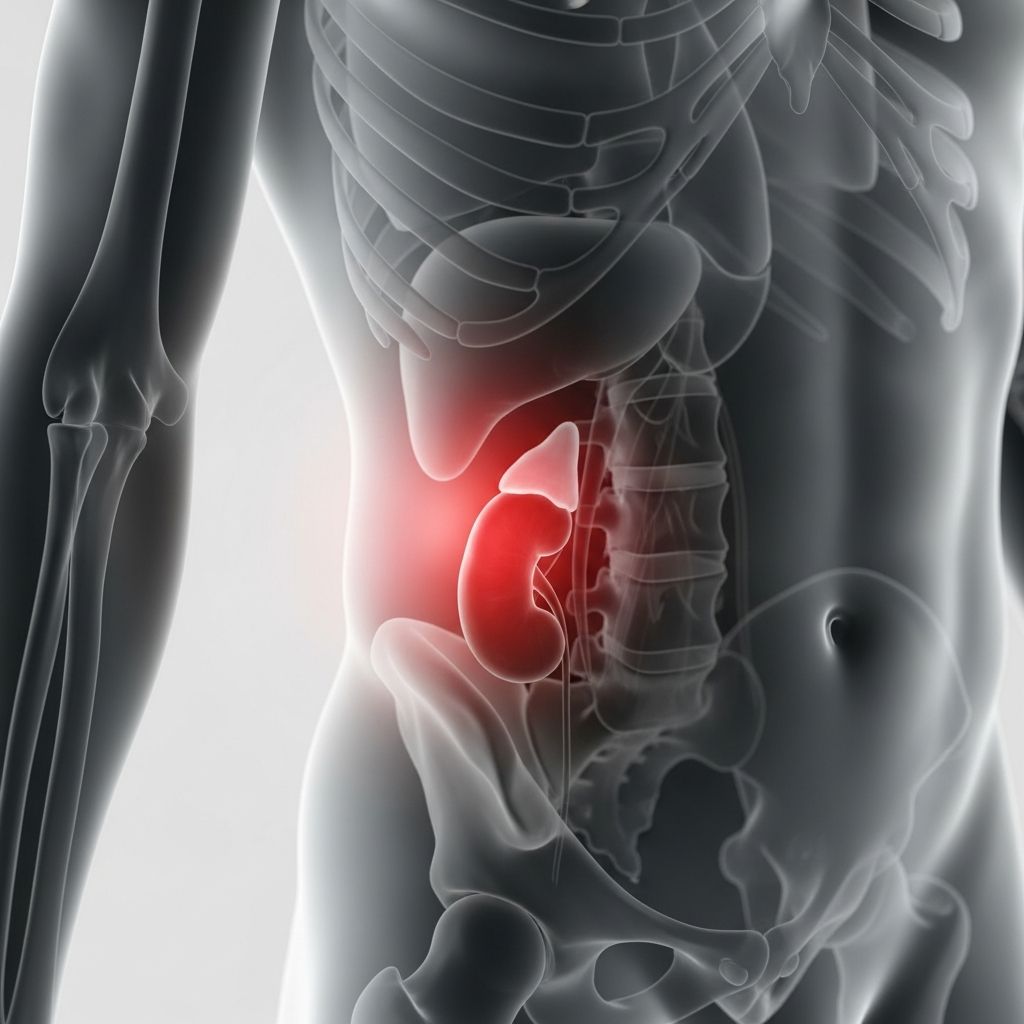
Flank pain refers to discomfort or aching in the area between the upper abdomen and back, on one or both sides of the body, just below the ribs and above the hips. This region houses vital organs like the kidneys, as well as muscles and parts of the spine, making pain here a signal of various underlying issues ranging from minor strains to serious conditions.
What Is Flank Pain?
Flank pain is typically felt on the side of the lower back, between the pelvis and ribs. It can range from a dull ache to sharp, severe pain that may cause nausea or vomiting. Unlike general back pain, flank pain often points to issues with the kidneys or surrounding structures. The pain’s location helps differentiate it from other types of back discomfort; it’s usually higher and more lateral than typical lower back pain.
People often describe flank pain as constant or intermittent, worsening with movement in cases of muscular origin or remaining steady with organ-related problems. Understanding its characteristics is crucial for proper diagnosis.
Common Causes of Flank Pain
Flank pain arises from multiple sources, primarily involving the urinary system, musculoskeletal system, or other nearby organs. Here’s a breakdown of the most frequent culprits:
Musculoskeletal Causes
- Muscle strains or sprains: Overuse, sudden movements, sports injuries, or poor posture can strain the muscles in the flank area, leading to pain that worsens with twisting, bending, or lifting.
- Spinal issues: Conditions like herniated discs, spinal arthritis, or fractures can radiate pain to the flanks. These often accompany numbness, tingling, or leg pain.
Kidney-Related Causes
- Kidney stones: Hard mineral deposits that form in the kidneys and travel through the ureter, causing intense, wave-like pain (renal colic). Pain may shift as the stone moves and is often accompanied by blood in urine.
- Urinary tract infections (UTIs) or kidney infections (pyelonephritis): Bacterial infections inflame the kidneys, producing steady ache, fever, chills, and urinary symptoms like burning or frequency.
- Polycystic kidney disease (PKKD): Cysts in the kidneys cause chronic pain, impacting quality of life significantly.
Other Organ Involvement
- Gallbladder or liver issues: Problems like gallstones or hepatitis can refer pain to the right flank.
- Pancreatitis: Inflammation of the pancreas may cause upper abdominal pain radiating to the flank.
- Shingles: A viral reactivation causing a painful rash along the flank.
A table summarizing key causes:
| Cause Category | Examples | Key Symptoms | Side Affected |
|---|---|---|---|
| Musculoskeletal | Muscle strain, spinal arthritis | Worsens with movement, no fever | One or both |
| Kidney | Stones, infection | Urinary changes, fever, nausea | Usually one |
| GI/Other | Gallstones, shingles | Rash, digestive issues | Often right |
Symptoms Accompanying Flank Pain
Isolated flank pain may suggest a muscle issue, but accompanying symptoms indicate organ involvement. Common red flags include:
- Fever, chills, or sweating, pointing to infection.
- Blood in urine (hematuria), nausea, vomiting, or painful urination, common with stones or UTIs.
- Pain radiating to the groin or abdomen.
- Numbness, tingling, or weakness in legs, suggesting spinal problems.
Related Stories



Pain intensity varies: muscle pain intensifies with activity, while kidney pain remains constant.
When to See a Doctor for Flank Pain
Seek immediate medical attention if flank pain is severe, sudden, or paired with fever over 101°F, persistent vomiting, blood in urine, or difficulty urinating. These could signal a kidney stone blocking urine flow, infection spreading to the kidneys, or other emergencies.
For milder pain without other symptoms, monitor for 24-48 hours with rest and over-the-counter pain relief. Consult a doctor if it persists beyond that or recurs.
How Is Flank Pain Diagnosed?
Diagnosis starts with a detailed history and physical exam, assessing pain location, triggers, and associated symptoms. Providers palpate the flank for tenderness (costovertebral angle tenderness suggests kidney issues).
Diagnostic tests include:
- Urinalysis: Checks for infection, blood, or crystals indicating stones.
- Imaging: Ultrasound, CT scan, or X-ray to visualize stones, cysts, or structural issues.
- Blood tests: Evaluate kidney function (creatinine, BUN) and infection markers.
- Other: MRI for spinal issues or endoscopy for persistent cases.
Treatments for Flank Pain
Treatment targets the underlying cause:
For Musculoskeletal Pain
- Rest, ice, compression, elevation (RICE).
- NSAIDs like ibuprofen for inflammation.
- Physical therapy or stretching exercises.
For Kidney Issues
- Stones: Pain meds, alpha-blockers to aid passage, hydration; larger stones may require shock wave lithotripsy or surgery.
- Infections: Antibiotics, IV fluids; hospitalization for severe pyelonephritis.
Other Treatments
- Antivirals for shingles.
- Surgery for gallstones or tumors.
Chronic pain from conditions like PKD may need pain management strategies, including medications or lifestyle adjustments.
Flank Pain Prevention Tips
Prevent flank pain by staying hydrated (to reduce stone risk), maintaining good posture, exercising regularly, and managing chronic conditions like diabetes or hypertension. Promptly treat UTIs to avoid kidney spread.
Frequently Asked Questions (FAQs)
What does flank pain feel like?
Flank pain can feel like a dull ache, sharp stab, or cramping, often on one side. It may worsen with movement (muscle) or stay constant (kidney).
Is flank pain always kidney-related?
No, while kidneys are common, muscle strains, spinal issues, or GI problems frequently cause it.
How long does flank pain from a kidney stone last?
Episodes last minutes to hours as the stone moves; full resolution occurs once passed, typically days to weeks.
Can stress cause flank pain?
Yes, stress leads to muscle tension, causing flank discomfort, especially with sedentary habits.
When is flank pain an emergency?
If accompanied by high fever, bloody urine, severe vomiting, or inability to urinate, seek emergency care.
References
- Flank Pain: Causes, Symptoms, Diagnosis & Treatment — Cleveland Clinic. 2023. https://my.clevelandclinic.org/health/symptoms/21541-flank-pain
- Flank pain: Possible causes and when to see a doctor — Medical News Today. 2023. https://www.medicalnewstoday.com/articles/324592
- Flank pain — Florida Health Finder (Health Encyclopedia). 2023. https://quality.healthfinder.fl.gov/health-encyclopedia/HIE/1/003113
- Flank Pain – Clinical Methods — NCBI Bookshelf (National Center for Biotechnology Information). 1990 (authoritative clinical reference). https://www.ncbi.nlm.nih.gov/books/NBK292/
- Flank pain has a significant adverse impact on quality of life in ADPKD — Clinical Kidney Journal (Oxford Academic). 2022-10-01. https://academic.oup.com/ckj/article/15/11/2063/6602369
Similar Articles








Read full bio of medha deb