Flat and Inverted Nipples: Causes, Symptoms, and Care
Understanding flat and inverted nipples: causes, breastfeeding tips, and when to seek medical advice.
What Are Flat and Inverted Nipples?
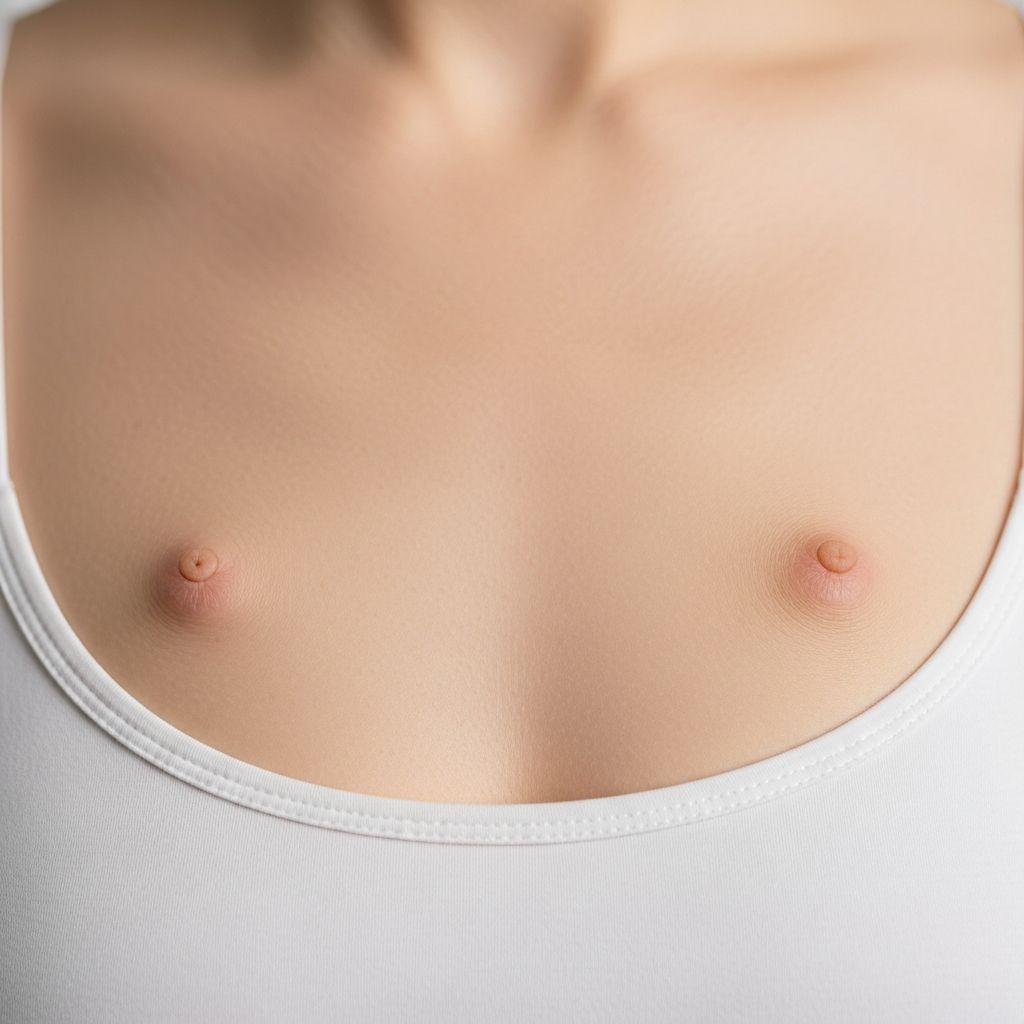
Flat and inverted nipples are common variations in nipple shape. A flat nipple does not protrude outward and sits flush with the areola, while an inverted nipple retracts inward toward the breast. These conditions are not rare—about 10% to 20% of the general population has flat or inverted nipples, and they can affect both men and women.
Are Flat and Inverted Nipples Normal?
Yes, flat and inverted nipples are considered normal anatomical variations. Most people with these nipple types are born with them, and they do not indicate any underlying health problems. Inverted nipples can also develop during puberty, pregnancy, or menopause due to hormonal changes. If your nipples have been flat or inverted since birth or developed during adolescence, there is usually no cause for concern.
Causes of Flat and Inverted Nipples
- Genetics: Many people are born with flat or inverted nipples due to inherited traits.
- Hormonal Changes: Puberty, pregnancy, and menopause can cause temporary or permanent changes in nipple shape.
- Breast Engorgement: Swelling after childbirth can make nipples appear flat or inverted, but this usually resolves as swelling decreases.
- Infection or Trauma: Mastitis, breast surgery, or injury can lead to nipple changes.
- Aging: As women age, milk ducts may shorten, sometimes causing nipple inversion.
When to Be Concerned About Inverted Nipples
While flat and inverted nipples are usually harmless, sudden changes in nipple shape—especially if they occur later in life—should be evaluated by a healthcare provider. Signs that may indicate a more serious issue include:
- A nipple that recently turned inward
- Nipple discharge (especially if bloody)
- Pain or hardness around the nipple
- A new lump in the breast
These symptoms could be signs of breast cancer or other conditions and require prompt medical attention.
Impact on Breastfeeding
Flat and inverted nipples can make breastfeeding more challenging, but they do not prevent it. Many women with these nipple types successfully breastfeed with the right techniques and support.
Challenges with Breastfeeding
- Difficulty with latching: Babies may have trouble attaching to the breast if the nipple does not protrude.
- Reduced milk supply: If the baby cannot latch well, milk production may be affected.
- Increased risk of sore nipples: Poor latching can lead to discomfort.
Tips for Breastfeeding with Flat or Inverted Nipples
- Use a nipple extractor or breast pump: These devices can help draw out the nipple before feeding.
- Reverse pressure softening: Gently massage the breast tissue around the nipple to encourage protrusion.
- Try different breastfeeding positions: Side-lying or reclined positions may help the baby latch more easily.
- Seek support: Lactation consultants can provide personalized advice and techniques.
Related Stories



Do Flat or Inverted Nipples Affect Milk Production?
Flat or inverted nipples do not directly affect milk production. However, if the baby has difficulty latching, the supply-demand balance may be disrupted, potentially leading to a lower milk supply. With proper support and techniques, most women can maintain adequate milk production.
Treatment Options
Flat and inverted nipples do not require treatment unless they cause discomfort or interfere with breastfeeding. Options include:
- Non-surgical methods: Nipple extractors, breast pumps, and manual techniques can help temporarily protrude the nipple.
- Surgical correction: In rare cases, surgery may be considered for cosmetic reasons or to improve breastfeeding.
- Treatment of underlying causes: If nipple changes are due to infection or other medical issues, treating the underlying condition may resolve the problem.
When to See a Doctor
Consult a healthcare provider if you notice:
- Sudden changes in nipple shape
- Nipple discharge
- Pain or hardness around the nipple
- A new lump in the breast
Regular breast exams and mammograms are important for all women, regardless of nipple type.
Frequently Asked Questions (FAQs)
Q: Are flat and inverted nipples a sign of breast cancer?
A: Flat and inverted nipples are usually normal, but sudden changes in nipple shape—especially if they occur later in life—can sometimes be a sign of breast cancer. If you notice any new or unusual changes, consult a healthcare provider.
Q: Can I breastfeed with flat or inverted nipples?
A: Yes, breastfeeding is possible with flat or inverted nipples. With the right techniques and support, most women can successfully breastfeed.
Q: Do flat or inverted nipples affect milk supply?
A: Flat or inverted nipples do not directly affect milk production, but difficulty with latching may impact the supply-demand balance. Proper support and techniques can help maintain adequate milk supply.
Q: Can flat or inverted nipples be corrected?
A: Non-surgical methods like nipple extractors and breast pumps can help temporarily. In rare cases, surgery may be considered for cosmetic reasons or to improve breastfeeding.
Q: When should I seek medical advice for flat or inverted nipples?
A: Seek medical advice if you notice sudden changes in nipple shape, nipple discharge, pain, hardness around the nipple, or a new lump in the breast.
References
- Flat and Inverted Nipples: Causes, Symptoms, and Care — Cleveland Clinic. 2023. https://my.clevelandclinic.org/health/diseases/25118-flat-and-inverted-nipples
- Inverted Nipples: Causes & Are They Normal? — HealthCentral. 2023. https://www.healthcentral.com/condition/breast-cancer/inverted-nipples
- 7 Tips For Breastfeeding With Inverted Nipples — Kin Fertility. 2023. https://kinfertility.com.au/blog/inverted-nipple-breastfeeding
Similar Articles








Read full bio of Sneha Tete