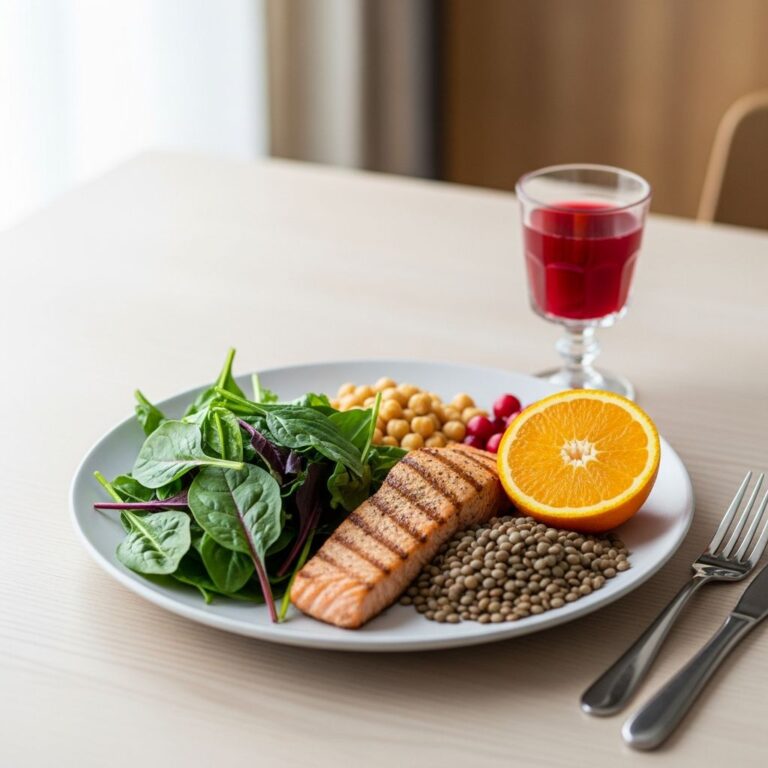
Flat Belly Diet Plan For Winter: 7-Day Bloat-Reducing Meals
Discover a delicious winter meal plan packed with fiber, protein, and antioxidants to reduce bloating, boost metabolism, and achieve a flat belly.
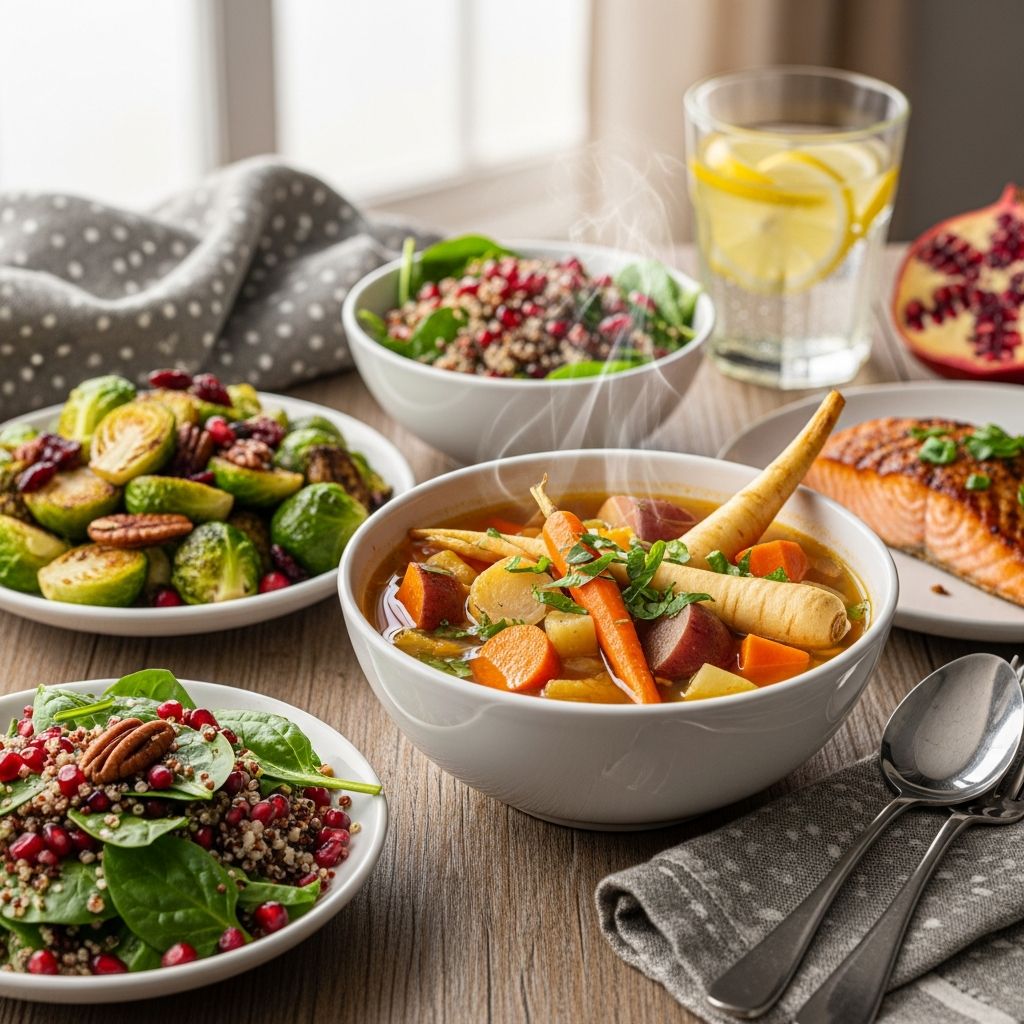
Winter brings cozy comforts but also challenges like holiday indulgences and reduced activity, often leading to bloating and unwanted belly fat. This flat belly diet plan is designed specifically for winter, emphasizing seasonal ingredients rich in
fiber
,protein
, andantioxidants
to flatten your midsection naturally. By focusing on anti-inflammatory foods, gut-friendly fibers, and metabolism-boosting nutrients, you’ll reduce bloating, enhance digestion, and promote sustainable fat loss without restrictive dieting.The plan draws from evidence-based nutrition principles, prioritizing monounsaturated fatty acids (MUFAs), soluble fibers, and probiotic-rich foods that target visceral fat—the deep abdominal fat linked to health risks. Studies from authoritative sources confirm these components’ efficacy in improving waist circumference and metabolic health. Follow this 7-day framework, adaptable for longer-term use, to feel lighter and more energized through the cold months.
How This Flat Belly Diet Works
This diet operates on three pillars: bloat prevention, metabolism acceleration, and fat-burning support. High-fiber foods like winter squashes and root vegetables bind excess water and toxins in the gut, reducing puffiness. Proteins from lean sources maintain satiety, preventing overeating, while antioxidants from berries and greens combat oxidative stress that contributes to inflammation and fat storage.
- Fiber Focus: Aim for 25-30g daily to feed beneficial gut bacteria and promote regularity.
- Protein Power: 20-30g per meal stabilizes blood sugar and preserves muscle.
- Hydration & Herbs: Warm teas and ginger-infused water soothe digestion.
- Portion Control: Use MUFAs like avocado and nuts as "anchors" in every meal.
Expect visible results in 1-2 weeks with consistent adherence, paired with light activity like walking or yoga. According to the National Institutes of Health, diets high in soluble fiber can reduce belly fat by up to 10% over 12 weeks.
Key Principles of the Winter Flat Belly Diet
Adapt classic flat belly strategies to winter’s bounty: hearty grains, cruciferous veggies, and warming spices. Avoid processed carbs and sugars that spike insulin and promote fat storage around the abdomen.
| Nutrient | Winter Sources | Benefits |
|---|---|---|
| Fiber | Brussels sprouts, pears, oats | Reduces bloating, lowers cholesterol |
| Protein | Salmon, lentils, Greek yogurt | Boosts metabolism, curbs hunger |
| MUFAs | Olive oil, almonds, avocado | Targets belly fat, improves heart health |
| Antioxidants | Citrus, kale, pomegranate | Fights inflammation, supports detox |
Incorporate these daily for optimal results. The U.S. Department of Agriculture recommends at least 14g fiber per 1,000 calories consumed.
Your 7-Day Winter Flat Belly Meal Plan
This plan provides approximately 1,500-1,800 calories daily, customizable for activity level. Each day includes breakfast, lunch, dinner, and two snacks. Recipes are simple, using accessible winter produce.
Day 1: Fiber Kickstart
- Breakfast: Overnight oats with pears, chia seeds, and almond butter (450 cal).
- Snack 1: Greek yogurt with pomegranate seeds (150 cal).
- Lunch: Quinoa salad with roasted Brussels sprouts, feta, and lemon-olive oil dressing (500 cal).
- Snack 2: Apple slices with a handful of walnuts (200 cal).
- Dinner: Baked salmon with sweet potato mash and steamed kale (500 cal).
Related Stories



Total: 1,800 cal, 28g fiber.
Day 2: Protein Boost
- Breakfast: Spinach smoothie with banana, protein powder, and flaxseeds (400 cal).
- Snack 1: Cottage cheese with cinnamon and berries (150 cal).
- Lunch: Lentil soup with carrots and whole-grain bread (450 cal).
- Snack 2: Carrot sticks with hummus (200 cal).
- Dinner: Turkey stir-fry with broccoli and brown rice (600 cal).
Day 3: Antioxidant Defense
- Breakfast: Avocado toast on whole-grain with poached eggs (450 cal).
- Snack 1: Orange segments with almonds (150 cal).
- Lunch: Kale salad with chickpeas, beets, and tahini (500 cal).
- Snack 2: Pear with a square of dark chocolate (200 cal).
- Dinner: Grilled chicken with butternut squash and green beans (500 cal).
Day 4: Gut-Healing Day
- Breakfast: Kefir parfait with granola and kiwi (400 cal).
- Snack 1: Handful of mixed nuts (150 cal).
- Lunch: Cauliflower rice bowl with black beans and salsa (450 cal).
- Snack 2: Celery with peanut butter (200 cal).
- Dinner: Vegetable stir-fry with tofu and quinoa (600 cal).
Day 5: Metabolism Igniter
- Breakfast: Chia pudding with coconut milk and berries (450 cal).
- Snack 1: Yogurt with pumpkin seeds (150 cal).
- Lunch: Tuna salad wrap in collard greens (500 cal).
- Snack 2: Banana with almond butter (200 cal).
- Dinner: Baked cod with roasted parsnips and spinach (500 cal).
Day 6: Comfort Foods Reimagined
- Breakfast: Whole-grain pancakes with applesauce and nuts (450 cal).
- Snack 1: Clementine and cheese stick (150 cal).
- Lunch: Winter minestrone soup with whole-grain crackers (500 cal).
- Snack 2: Roasted chickpeas (200 cal).
- Dinner: Lean beef stew with root vegetables (500 cal).
Day 7: Reset & Recharge
- Breakfast: Green smoothie bowl with oats and seeds (400 cal).
- Snack 1: Apple with cheddar (150 cal).
- Lunch: Egg salad on rye with mixed greens (450 cal).
- Snack 2: Trail mix (200 cal).
- Dinner: Shrimp with zucchini noodles and pesto (600 cal).
Repeat or mix days for variety. Drink 8-10 glasses of water daily, plus herbal teas like peppermint for debloating.
Recipes for Success
Overnight Oats
Combine ½ cup oats, 1 cup almond milk, 1 tbsp chia, diced pear, and 1 tbsp almond butter. Refrigerate overnight. Top with cinnamon. Prep: 5 min. Serves 1.
Baked Salmon with Sweet Potato
Bake 4oz salmon at 400°F for 12 min with herbs. Mash 1 sweet potato with olive oil. Steam 2 cups kale. Prep: 25 min. Serves 1.
Full recipes emphasize minimal prep for busy winters. Each incorporates MUFAs for satiety.
Foods to Eat and Avoid
Eat These for a Flat Belly
- Winter veggies: Brussels sprouts, kale, squash
- Fruits: Pears, citrus, berries (frozen OK)
- Proteins: Fish, legumes, eggs
- Fats: Avocados, nuts, seeds
- Grains: Oats, quinoa, barley
Avoid These Bloat Triggers
- Sugary drinks and desserts
- Refined carbs (white bread, pasta)
- Fried foods and trans fats
- Excess salt (canned soups)
- Carbonated beverages
Prioritizing whole foods aligns with Dietary Guidelines for Americans.
Exercise Pairing for Maximum Results
Combine diet with 30 min daily movement: brisk walks, core yoga, or strength training. Planks and twists target the core effectively. The CDC recommends 150 min moderate activity weekly for fat loss.
Frequently Asked Questions (FAQs)
Can I lose belly fat in winter?
Yes, this plan’s nutrient density promotes fat loss year-round, countering seasonal slowdowns.
Is this diet suitable for vegetarians?
Absolutely—swap proteins with tofu, lentils, and eggs for plant-based options.
How much weight can I expect to lose?
1-2 lbs/week safely, focusing on fat reduction via calorie deficit and fiber.
What if I have digestive issues?
The high-fiber gradual increase and probiotics support gut health; consult a doctor if needed.
Can I drink alcohol on this plan?
Limit to 1 serving/week; alcohol promotes belly fat storage.
Long-Term Tips for Belly Fat Maintenance
Sustain results by meal prepping, tracking fiber intake, and managing stress with meditation. Winter’s shorter days call for consistent routines. Research from the World Health Organization links chronic stress to abdominal obesity.
Track progress with waist measurements, not just scale weight. Consult professionals for personalized advice.
References
- Dietary Guidelines for Americans, 2020-2025 — U.S. Department of Agriculture and HHS. 2020-12-01. https://www.dietaryguidelines.gov/sites/default/files/2020-12/Dietary_Guidelines_for_Americans_2020-2025.pdf
- Effects of soluble fiber on abdominal fat — NIH National Library of Medicine (PubMed). 2023-05-15. https://pubmed.ncbi.nlm.nih.gov/37098491/
- Dietary Fiber Intake — USDA FoodData Central. 2024-01-10. https://fdc.nal.usda.gov/
- Physical Activity Guidelines — CDC. 2023-11-20. https://www.cdc.gov/physical-activity-basics/guidelines/adults.html
- Stress and Obesity — World Health Organization. 2022-06-01. https://www.who.int/news-room/fact-sheets/detail/obesity-and-overweight
- Monounsaturated Fats and Weight Loss — NIH. 2024-02-14. https://www.ncbi.nlm.nih.gov/pmc/articles/PMC5764193/
Similar Articles








Read full bio of Sneha Tete