Flat Feet (Pes Planus): Causes, Symptoms, and Treatment
Learn about flat feet, their causes, symptoms, and effective treatment options for improved foot health.
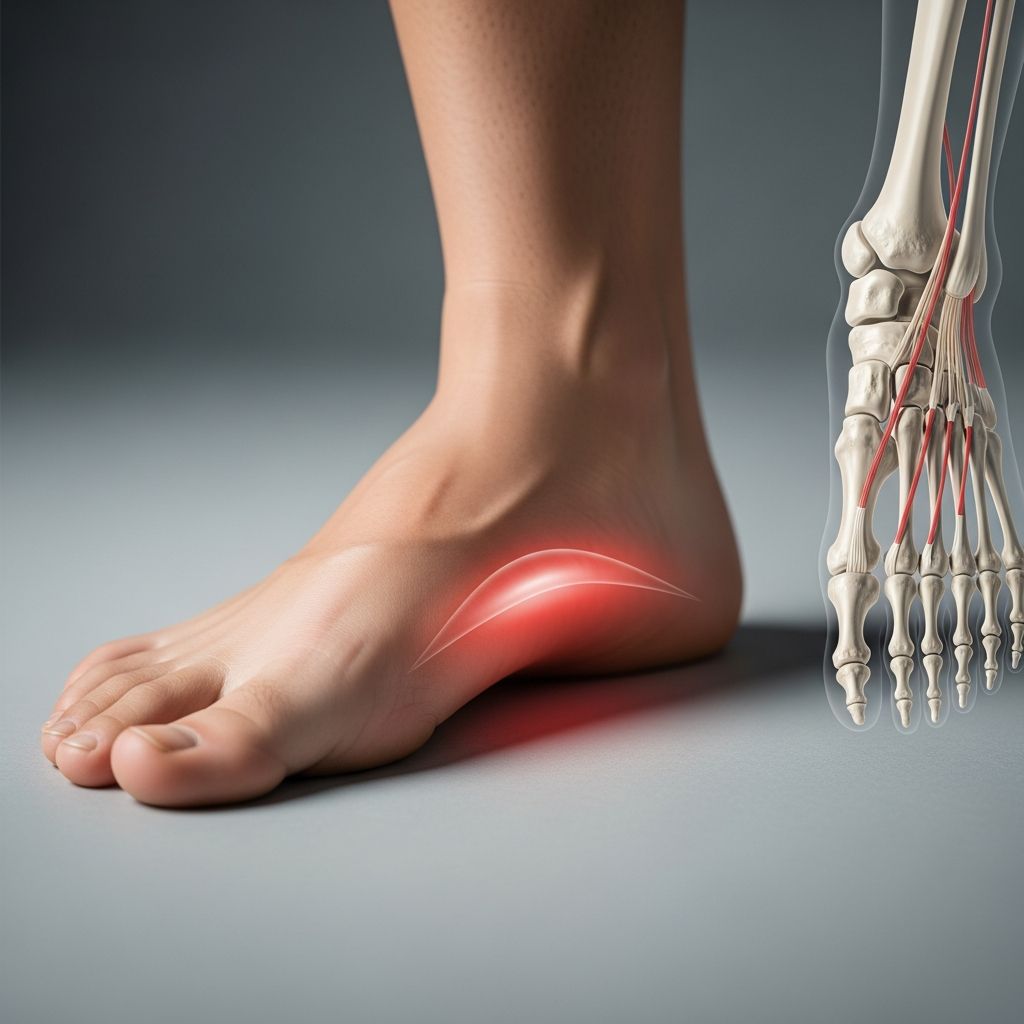
What Are Flat Feet (Pes Planus)?
Flat feet, also known as pes planus, is a condition where the arch of the foot collapses, causing the entire sole to come into contact with the ground when standing. This condition can affect one or both feet and may be present from birth or develop later in life due to injury, aging, or disease. The arch in the foot provides essential support for standing and walking, and its absence can lead to various foot problems and discomfort.
Causes of Flat Feet
Flat feet can be caused by several factors, including:
- Congenital Factors: Some individuals are born with flat feet due to structural deformities that interfere with the normal alignment of the foot bones. Most children develop arches by the age of 6, but some may not.
- Obesity: Excess weight can place additional stress on the developing foot, contributing to the development of flat feet.
- Injury: Trauma to the foot or ankle can damage the tendons and ligaments that support the arch, leading to flat feet.
- Aging: As a person ages, the tendons and ligaments that support the arch can deteriorate, causing the arch to collapse.
- Disease: Conditions such as hypertension and diabetes can contribute to the deterioration of muscles and connective tissues in the foot due to decreased blood flow.
Symptoms of Flat Feet
Many people with flat feet experience no symptoms, but others may have:
- Foot pain, especially in the arch or heel
- Swelling along the inside of the ankle
- Difficulty standing on tiptoes
- Pain that worsens with activity
- Changes in gait or walking pattern
- Increased fatigue in the feet and legs
Diagnosis of Flat Feet
Diagnosis of flat feet typically involves a visual examination of the foot, supported by imaging tests such as X-rays, MRI, or CT scans to help determine the underlying cause. Footprint tests and shoe wear inspections can also provide evidence of faulty foot mechanics and flexibility.
Treatment Options for Flat Feet
There are several treatment options available for flat feet, depending on the severity of the condition and the presence of symptoms:
- Wear Better-Fitting Shoes: Choose shoes with a wide toe box and low heel to provide better support and comfort.
- Use Orthotics: Custom orthotic insoles prescribed by a podiatrist can provide additional arch support and significantly reduce strain on the feet.
- Take Nonsteroidal Anti-Inflammatory Drugs (NSAIDs): These can help reduce pain and inflammation.
- Rest and Ice: Rest the foot and ice the painful area to reduce swelling and discomfort.
- Physical Therapy: A physical therapist can work with you on exercises that increase arch flexibility and strength, and foot gymnastics to strengthen the intrinsic muscles of the foot.
- Surgery: If conservative treatments fail, surgery may be an option. The surgical approach is based on symptoms, the nature of the structural deformity, and age. Flat foot surgery can provide lasting pain relief and may even create an arch where none existed.
Exercises for Flat Feet
Strengthening exercises can help improve the stability and function of the feet. Some effective exercises include:
- Arch Lifts: Stand with your feet flat on the ground and lift your arches as high as possible without lifting your toes or heels.
- Marble Pickups: Place marbles on the floor and use your toes to pick them up and place them in a container.
- Heel Raises: Stand with your feet flat on the ground and raise your heels as high as possible, then lower them back down.
- Heel Walking and Toe Walking: Walk on your heels for a short distance, then walk on your toes for a short distance.
Related Stories



Prevention and Management
While flat feet cannot always be prevented, there are steps you can take to manage the condition and reduce the risk of complications:
- Invest in Supportive Shoes: Choose footwear with built-in arch support and cushioning designed to accommodate flat feet.
- Use Custom Orthotics: Custom orthotic insoles can provide additional arch support and help correct overpronation.
- Practice Foot-Strengthening Exercises: Simple exercises like toe curls, calf raises, and arch stretches can strengthen the muscles in your feet.
- Focus on Low-Impact Activities: High-impact activities like running may exacerbate foot pain. Switch to low-impact exercises like swimming or biking to stay active while protecting your feet.
- Consult a Podiatrist: A podiatrist can assess your foot structure and recommend personalized treatments, including physical therapy, orthotics, or other solutions to alleviate pain.
Complications of Flat Feet
Flat feet can lead to several complications, including:
- Changes in Foot Mechanics: Flat feet disrupt the natural biomechanics of the foot, leading to overpronation and increased strain on the ligaments, tendons, and muscles in the feet.
- Increased Stress on Other Areas of the Body: Improper alignment of the feet can cause additional strain on the ankles, knees, hips, and lower back, leading to painful conditions like plantar fasciitis, shin splints, and lower back pain.
- Foot Pain from Overuse Injuries: The muscles and ligaments in the feet are often overworked, making individuals more prone to overuse injuries such as tendonitis.
- Development of Foot Deformities: Flat feet can increase the risk of developing foot deformities such as bunions, hammertoes, and arthritis.
- Increased Risk of Injury: Flat feet can make the feet less stable, increasing the likelihood of sprains and other injuries.
Frequently Asked Questions (FAQs)
Q: Can flat feet be cured?
A: While flat feet cannot always be completely cured, symptoms can often be managed with proper treatment, including orthotics, exercises, and lifestyle changes.
Q: Are flat feet hereditary?
A: Yes, flat feet can be hereditary. If one or both parents have flat feet, their children are more likely to develop the condition.
Q: Can flat feet cause back pain?
A: Yes, flat feet can cause back pain due to improper alignment and increased strain on the lower back.
Q: When should I see a doctor for flat feet?
A: You should see a doctor if you experience persistent foot pain, swelling, or difficulty walking. A podiatrist can assess your condition and recommend appropriate treatment.
Q: Can children outgrow flat feet?
A: Most children develop arches by the age of 6, but some may not. If a child continues to have flat feet beyond this age, it is advisable to consult a healthcare professional.
References
- Flat Feet (Pes Planus): Causes, Symptoms, and Treatment — Cleveland Clinic. 2025-05-23. https://my.clevelandclinic.org/health/diseases/flat-feet-pes-planus
- Don’t Be Caught Flat Footed — Direct Orthopedic Care. 2025-05-23. https://www.directorthocare.com/dont-be-caught-flat-footed/
- How Flat Feet Can Cause Foot Pain and Other Issues — The Podiatry Group. 2025-05-23. https://www.thepodiatrygroup.com/2025/05/23/how-flat-feet-can-cause-foot-pain-and-other-issues/
- 4 Best Exercises for Flat Feet and Fallen Arches — Cleveland Clinic Health Essentials. 2025-05-23. https://health.clevelandclinic.org/exercises-flat-feet-fallen-arches
Similar Articles








Read full bio of medha deb