Flavoxate Tablets (Urispas): Uses, Dosage, Side Effects Guide
Comprehensive guide to flavoxate tablets for relieving urinary urgency, frequency, incontinence, and bladder spasms.
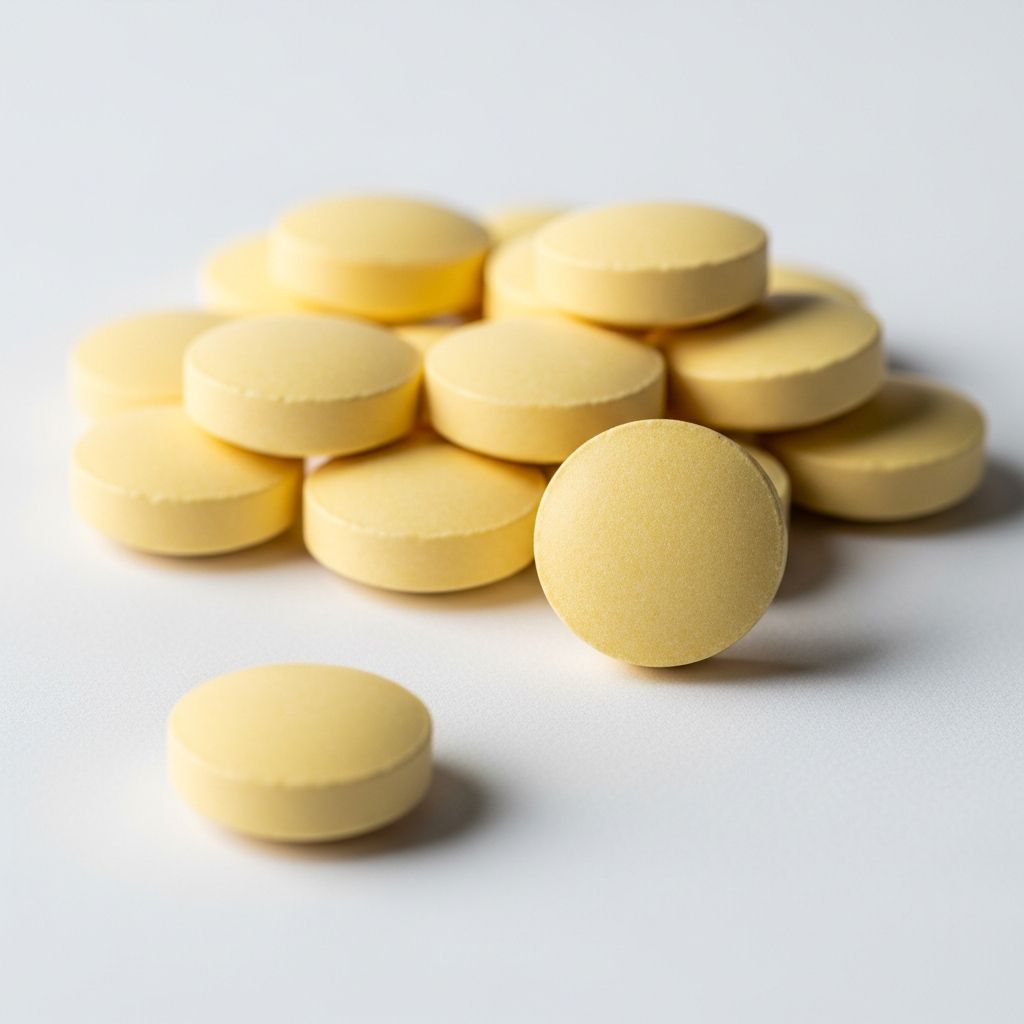
Flavoxate hydrochloride, commonly known by the brand name Urispas, is a medication specifically designed to alleviate symptoms associated with bladder and urinary tract issues. It belongs to the class of urinary antimuscarinic antispasmodic medicines, which work by relaxing the smooth muscles in the bladder. This action helps reduce sudden contractions, increases bladder capacity, and eases discomfort during urination.
About Flavoxate
Flavoxate is primarily prescribed for individuals experiencing distressing urinary symptoms that disrupt daily life. These include urinary urgency—a sudden, compelling need to urinate that is difficult to defer; urinary frequency—needing to visit the toilet more often than usual; and urinary incontinence—involuntary leakage of urine.
Such symptoms often stem from bladder spasms triggered by various factors, including inflammation of the urethra, prostate enlargement in men, overactive bladder, catheter use, or post-surgical irritation. By inhibiting uncontrolled muscle contractions, flavoxate not only controls these symptoms but also relieves associated pain and discomfort, improving hygiene and quality of life.
| Type of Medicine | Used For | Brand Name | Available As |
|---|---|---|---|
| Urinary antimuscarinic antispasmodic | Bladder spasms, urinary frequency, urgency, incontinence, painful urination | Urispas® | Tablets (200 mg) |
Flavoxate acts directly on the smooth muscles of the urinary tract as a non-specific relaxant, making it effective for conditions like nocturia (excessive nighttime urination) and dysuria (painful urination).
Before Taking Flavoxate
Prior to starting flavoxate, a thorough medical evaluation is essential. Certain conditions contraindicate its use, and others require cautious administration under medical supervision.
Do Not Take Flavoxate If:
- You are allergic (hypersensitive) to flavoxate hydrochloride or any ingredients in the tablets.
- You have a blockage in the stomach, bowel, or urinary tract.
- You experience gastrointestinal bleeding or blood in stools.
- You have achalasia (a rare disorder impairing swallowing).
- You suffer from urinary retention (inability to fully empty the bladder).
- You have glaucoma (increased eye pressure).
- You have myasthenia gravis (a condition causing muscle weakness).
Take Special Care If You Have:
- Pregnancy or breastfeeding—consult your doctor as safety data is limited.
- Heart conditions like arrhythmias, coronary artery disease, or heart failure.
- Prostate gland problems.
- Hiatus hernia, overactive thyroid, high blood pressure.
- Impaired kidney function.
Inform your doctor about all medications, supplements, or herbal products, as flavoxate may interact with them. It is not recommended for children under 12 years.
How to Take Flavoxate
Always follow your doctor’s instructions and read the patient information leaflet (PIL) provided with the medication for detailed guidance.
- Dosage: The standard adult dose is one 200 mg tablet three times daily. Your doctor will specify the duration, often until symptoms resolve.
- Administration: Swallow tablets whole with water. Can be taken with or without food; taking after meals may reduce stomach upset.
- Timing: Space doses evenly throughout the day to maintain steady levels.
- Missed Dose: Take as soon as remembered unless near the next dose. Do not double up.
- Duration: Use only as prescribed; do not stop abruptly without advice.
Related Stories



For optimal results, combine with lifestyle measures like pelvic floor exercises, fluid management, and avoiding bladder irritants (caffeine, alcohol).
Side Effects of Flavoxate
Flavoxate is generally well-tolerated, with most side effects being mild and transient. Serious reactions are rare but require immediate medical attention.
Common Side Effects
- Nausea, vomiting, stomach upset, gastric pain.
- Dry mouth.
- Drowsiness or dizziness—avoid driving or operating machinery if affected.
- Headache, nervousness.
Less Common or Serious Side Effects
- Visual disturbances (blurred vision).
- Fast heartbeat, palpitations.
- Constipation, difficulty urinating.
- Allergic reactions: rash, itching, swelling, severe dizziness, breathing trouble—seek emergency help.
If side effects persist or worsen, contact your doctor. Most resolve as your body adjusts.
| Frequency | Symptoms | Action |
|---|---|---|
| Common | Drowsiness, dry mouth, nausea | Monitor; usually mild |
| Rare | Palpitations, rash, vision changes | Consult doctor |
| Serious | Allergic reaction, severe dizziness | Seek immediate help |
How Flavoxate Works
Flavoxate is a direct-acting smooth muscle relaxant that targets the urinary tract. It counteracts spasms by:
- Relaxing detrusor muscle (bladder wall) to prevent involuntary contractions.
- Increasing bladder capacity, reducing frequency and urgency.
- Alleviating pain from inflammation or irritation in the urethra, prostate, or bladder.
This mechanism provides symptomatic relief without addressing underlying causes, so concurrent treatment of infections or other issues may be needed.
Who Can and Cannot Take Flavoxate
Adults: Suitable for most over 12 years with urinary symptoms, provided no contraindications.
Not Suitable For:
- Children under 12.
- Pregnant or breastfeeding women without medical advice.
- Those with listed contraindications.
Frequently Asked Questions (FAQs)
Q: How quickly does flavoxate work?
A: Relief from symptoms like urgency and pain often begins within hours to days of starting treatment, though full effects may take a few days.
Q: Can I drink alcohol while taking flavoxate?
A: Alcohol may worsen drowsiness; limit or avoid it. Consult your doctor.
Q: Is flavoxate safe for long-term use?
A: Use only as prescribed. Long-term use requires monitoring for tolerance or side effects.
Q: What if I overdose on flavoxate?
A: Seek emergency medical help immediately. Symptoms may include severe dizziness, confusion, or hallucinations.
Q: Does flavoxate cure urinary incontinence?
A: It manages symptoms by relaxing muscles but does not cure underlying causes; combine with other therapies.
Additional Considerations
Lifestyle tips: Maintain hydration, practice bladder training, perform Kegel exercises, and manage weight to enhance efficacy. Store tablets at room temperature, away from moisture and children. Dispose of unused medication properly.
This information is for educational purposes. Always consult a healthcare professional for personalized advice.
References
- Flavoxate Tablets (Urispas) — Patient.info. 2024-07-14. https://patient.info/medicine/flavoxate-tablets-urispas
- URISPAS 200 mg film-coated tablets — Medicines.org.uk. N/A. https://www.medicines.org.uk/emc/files/pil.322.pdf
- Flavoxate (Oral Route) — Mayo Clinic. N/A. https://www.mayoclinic.org/drugs-supplements/flavoxate-oral-route/description/drg-20063826
- Flavoxate — MedlinePlus. N/A. https://medlineplus.gov/druginfo/meds/a682706.html
- URISPAS 200 — SAHPRA. 2023-04. https://pi-pil-repository.sahpra.org.za/wp-content/uploads/2023/04/pil-urispas-200.pdf
- Flavoxate (Urispas) — WebMD. N/A. https://www.webmd.com/drugs/2/drug-12412/flavoxate-oral/details
Similar Articles








Read full bio of medha deb