Flaxseed and Flaxseed Oil: Usefulness and Safety
Comprehensive guide to flaxseed health benefits, uses, and safety considerations.
Flaxseed and flaxseed oil have become increasingly popular dietary supplements in modern wellness practices. Today, these products are promoted for supporting heart health, brain function, and immune system strength. The primary active compounds in these supplements include alpha-linolenic acid (ALA), a plant-based omega-3 fatty acid that the body cannot produce on its own. Understanding the scientific evidence behind these supplements, their potential benefits, and safety considerations is essential for making informed health decisions.
What Are Flaxseed and Flaxseed Oil?
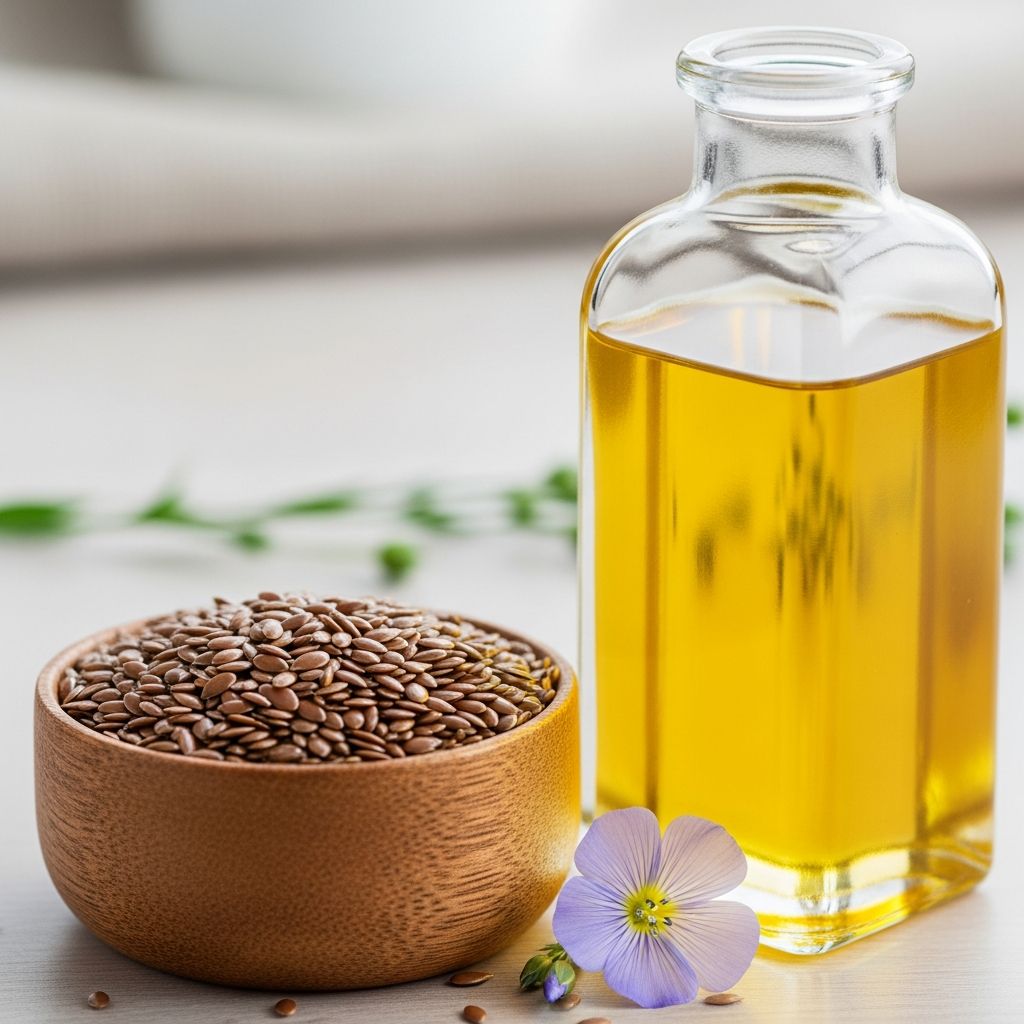
Flaxseed comes from the flax plant and has been cultivated for thousands of years. The seeds can be consumed in multiple forms, including whole seeds, ground seeds, oils, powders, tablets, capsules, and flour. Flaxseed oil is extracted from flax seeds and serves as a concentrated source of omega-3 fatty acids.
A critical distinction exists between whole flaxseed and flaxseed oil. While whole flaxseed contains significant amounts of dietary fiber and lignans—compounds with potential health-promoting properties—flaxseed oil does not contain these components. Flaxseed oil is primarily valued for its high concentration of alpha-linolenic acid (ALA), making it an attractive plant-based alternative to fish oil for those seeking omega-3 supplementation.
Key Components and Nutritional Profile
Flaxseed and flaxseed oil contain several bioactive compounds that contribute to their potential health benefits:
- Alpha-Linolenic Acid (ALA): An essential omega-3 fatty acid that plays a crucial role in heart health and various metabolic processes.
- Dietary Fiber: Present in whole flaxseed, fiber supports digestive health and may help manage blood glucose levels.
- Lignans: Plant compounds with antioxidant and phytoestrogen properties found exclusively in whole flaxseed, not in flaxseed oil.
- Phytosterols: Plant-based compounds with a similar structure to cholesterol that may help prevent cholesterol absorption in the intestines.
Heart Disease and Cardiovascular Health
One of the most extensively researched applications of flaxseed and flaxseed oil concerns cardiovascular health. Research indicates that alpha-linolenic acid, the primary omega-3 fatty acid found in these supplements, may provide protective benefits for the heart. Several studies suggest that flaxseed and flaxseed oil might help lower high blood pressure, which represents an important risk factor for heart disease.
A 2019 study identified that flaxseed was helpful for individuals with heart and blood vessel disease. Additionally, a 2015 randomized controlled trial involving 110 participants with clinically significant cardiovascular disease found that milled flaxseed reduced both total cholesterol and LDL cholesterol levels in people with peripheral artery disease. The research further suggested that milled flaxseed may provide additional cholesterol-lowering benefits when used alongside cholesterol-lowering medications.
However, it’s important to note that evidence remains mixed regarding flaxseed oil specifically for cardiovascular benefits. While some studies demonstrate improvements in cholesterol or blood pressure, others have failed to show significant effects. One double-blind study of fifty-six participants found no improvement in cholesterol profiles from flax oil supplementation.
Related Stories



Cholesterol Management
Managing cholesterol levels represents another major area of flaxseed research. Studies have produced varied results depending on the type of flaxseed product used.
A 2022 systematic review and meta-analysis revealed that different flaxseed products demonstrated different effects in postmenopausal women:
| Product Type | Total Cholesterol | LDL Cholesterol | HDL Cholesterol |
|---|---|---|---|
| Whole Flaxseed | Significantly reduced | Not specified | Not specified |
| Lignan Supplementation | Significantly reduced | Significantly reduced | Significantly reduced |
| Flaxseed Oil | No lowering effect | No lowering effect | No lowering effect |
This research demonstrates that whole flaxseed and lignan extracts show promise for cholesterol management, while flaxseed oil supplements did not produce significant lipid-lowering effects in this population. Several studies have found that consuming flaxseed daily can lower total cholesterol and LDL cholesterol, often referred to as “bad” cholesterol.
Additional research from 2010 found that cholesterol levels fell after taking lignans, particularly in individuals who took 100 mg capsules. When used in conjunction with daily exercise and a low cholesterol diet, flaxseed may provide additional benefits for cholesterol management.
Blood Sugar Control and Diabetes
Emerging evidence suggests that flaxseed components may help support healthy blood glucose levels. Lignans and other phytoestrogens present in flaxseed may help reduce the risk of chronic conditions such as diabetes.
Research indicates that flaxseed’s high fiber content may help lower blood glucose levels in people with type 2 diabetes. A 2016 rodent study suggested that compounds in flaxseed may help reduce the incidence of type 1 diabetes and delay the onset of type 2 diabetes, though researchers note that these results may not be directly applicable to humans.
However, the National Center for Complementary and Integrative Health (NCCIH) notes that more research is needed to determine whether flaxseed lignan extract could improve glycemic control or fasting blood glucose in people with type 2 diabetes. Additionally, it remains unclear whether flaxseed oil supplements could benefit other populations with diabetes, such as those with diabetic foot ulcers.
Cancer Prevention Potential
Flaxseed’s lignan content has generated significant research interest regarding cancer prevention. Lignans are digested by intestinal bacteria into compounds that may possess protective properties against certain types of cancer, though more studies are needed to confirm these associations.
A 2013 survey found a lower incidence of breast cancer among women who consumed flaxseed regularly. Lignans function as phytoestrogens—plant-based nutrients that act similarly to estrogen. While some concern has been raised about whether phytoestrogens might increase breast cancer risk, current research does not support this concern.
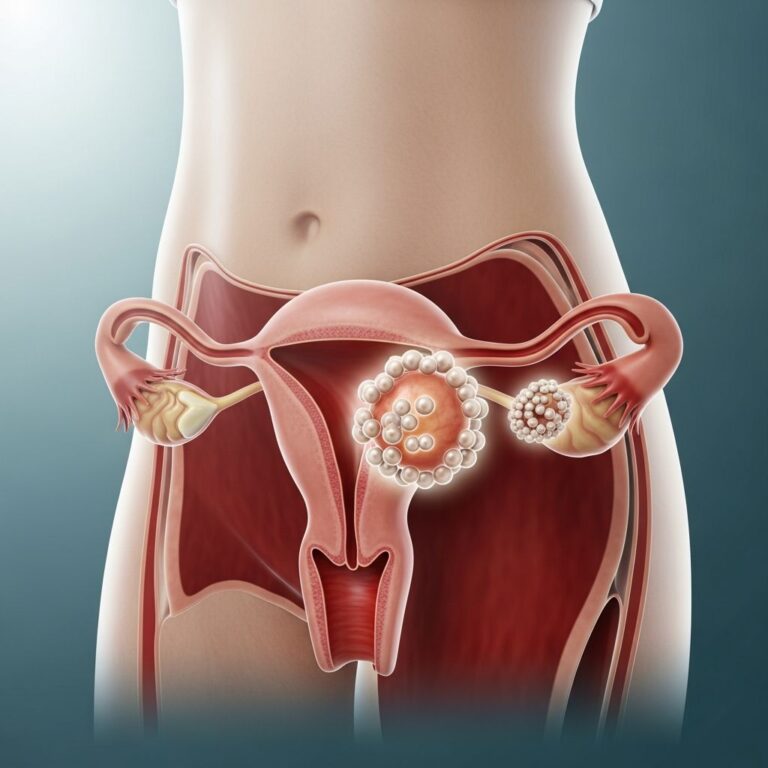
Flaxseed has been proposed for prevention of several cancer types, including ovarian cancer, though more comprehensive human studies are necessary to establish definitive benefits.
Managing Arthritis Symptoms
According to the Arthritis Foundation, flaxseed may help reduce joint pain and stiffness. Some individuals take it for rheumatoid arthritis, lupus, and Raynaud’s phenomenon. The alpha-linolenic acid (ALA) found in flaxseed may help reduce inflammation associated with these conditions.
However, the Arthritis Foundation acknowledges that evidence remains limited to support flaxseed’s use specifically for arthritis management. Despite this limitation, the potential anti-inflammatory properties make it an area worthy of further investigation.
Recommended dosages for arthritis management include:
- Ground flaxseed: one tablespoon per day
- Flaxseed oil: one to three tablespoons per day
- Capsules: 1,300–3,000 mg per day
Menopausal Symptoms
Research has explored flaxseed’s potential benefits for managing menopausal symptoms. A 2012 randomized controlled trial involving 90 postmenopausal women found that after 6 months of treatment, flaxseed was effective in reducing menopausal symptoms. However, studies have shown conflicting evidence regarding how flaxseed and flaxseed oil affect menopausal symptoms overall, indicating that additional research is needed to clarify these relationships.
Digestive Health
Flaxseed’s high dietary fiber content positions it as a useful supplement for digestive health. The fiber in whole flaxseed may help relieve constipation and support overall gastrointestinal function. This benefit applies specifically to whole flaxseed and ground flaxseed, as flaxseed oil does not contain significant fiber content.
Additional Health Applications
Beyond the primary applications discussed above, flaxseed and flaxseed oil have been proposed for several other health conditions. Recent studies suggest benefits for reducing inflammation throughout the body and regulating the gut microbiome. The NCCIH has recently funded preliminary research to learn more about how flaxseed could affect the gut microbiome and inflammation in the body.
Topical application of flaxseed has shown possible benefits for people with carpal tunnel syndrome. Historical use in Ayurvedic medicine included promoting overall health, restoring the skin’s pH balance, preventing chronic conditions such as diabetes and arthritis, and providing cancer protection.
Safety Considerations and Side Effects
Flaxseed and flaxseed oil are generally considered safe when used appropriately. However, certain individuals should exercise caution and consult healthcare professionals before beginning supplementation.
Individuals with the following conditions should seek medical guidance:
- Cancer risks or existing cancer diagnoses
- Low blood pressure
- Bleeding disorders
- Individuals taking blood thinners
Flaxseed oil serves as a general nutritional supplement to provide essential fatty acids, and there is limited evidence that it is effective for any specific therapeutic purpose beyond this role.
Frequently Asked Questions
Q: What is the difference between flaxseed and flaxseed oil?
A: Whole flaxseed contains dietary fiber and lignans, while flaxseed oil contains primarily alpha-linolenic acid (ALA) without the fiber or lignans. The choice between them depends on your specific health goals, as different products show different effects on various health markers.
Q: Can flaxseed help lower cholesterol?
A: Yes, whole flaxseed and lignan extracts have shown the ability to lower total cholesterol and LDL cholesterol levels, particularly in combination with exercise and a low-cholesterol diet. However, flaxseed oil supplements have not demonstrated significant cholesterol-lowering effects.
Q: Is flaxseed safe for everyone?
A: Flaxseed is generally safe for most people, but individuals with certain health conditions, such as cancer risks, low blood pressure, or those taking blood thinners, should consult a healthcare professional before use.
Q: How much flaxseed should I take daily?
A: Recommended dosages vary depending on the form: ground flaxseed (one tablespoon per day), flaxseed oil (one to three tablespoons per day), or capsules (1,300–3,000 mg per day). Consult with a healthcare provider to determine the appropriate dose for your individual needs.
Q: Does flaxseed oil have the same benefits as whole flaxseed?
A: No, flaxseed oil and whole flaxseed offer different benefits. Whole flaxseed provides fiber and lignans for digestive and potential cancer-protective benefits, while flaxseed oil focuses on delivering omega-3 fatty acids. Research shows different effects for cholesterol management between these products.
Q: Can flaxseed help with diabetes?
A: Some research suggests flaxseed’s high fiber content may help lower blood glucose levels in people with type 2 diabetes. However, the NCCIH notes that more research is needed to fully understand flaxseed’s effects on glycemic control.
Q: Is flaxseed beneficial for heart health?
A: Yes, flaxseed’s alpha-linolenic acid content has shown potential cardiovascular benefits in several studies. A 2019 study found flaxseed helpful for people with heart and blood vessel disease, though evidence for flaxseed oil specifically remains mixed.
References
- Health Benefits of Flaxseed — DaVita. 2024. https://davita.com/diet-nutrition/kidney-diet-tips/health-benefits-of-flaxseed/
- Flaxseed: Health benefits, nutrition, and risks — Medical News Today. 2024. https://www.medicalnewstoday.com/articles/263405
- Flaxseed oil as a dietary supplement — EBSCO Research Starters. 2024. https://www.ebsco.com/research-starters/nutrition-and-dietetics/flaxseed-oil-dietary-supplement
- Flaxseed and flaxseed oil — Mayo Clinic. 2024. https://www.mayoclinic.org/drugs-supplements-flaxseed-and-flaxseed-oil/art-20366457
- High Cholesterol and Natural Products: What the Science Says — National Center for Complementary and Integrative Health (NCCIH). 2024. https://www.nccih.nih.gov/health/providers/digest/high-cholesterol-and-natural-products-science
- Flaxseed and Flaxseed Oil: Usefulness and Safety — National Center for Complementary and Integrative Health (NCCIH). 2024. https://www.nccih.nih.gov/health/flaxseed-and-flaxseed-oil
- Menopausal Symptoms and Complementary Health Approaches: What the Science Says — National Center for Complementary and Integrative Health (NCCIH). 2024. https://www.nccih.nih.gov/health/providers/digest/menopausal-symptoms-and-complementary-health-approaches-science
Similar Articles








Read full bio of Sneha Tete