Flea Bites: Symptoms, Treatment & Prevention Guide
Complete guide to understanding flea bites, their symptoms, treatments, and effective prevention strategies.
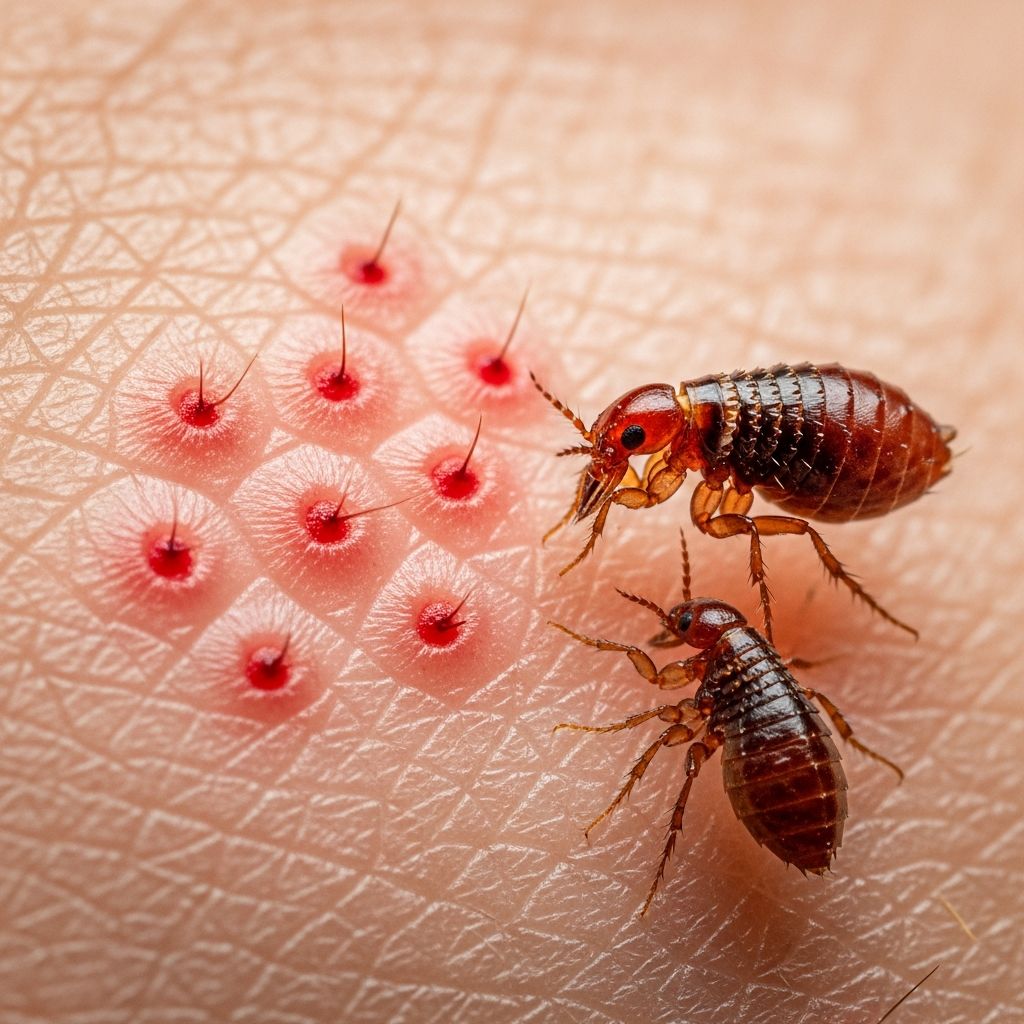
Flea Bites: Understanding the Condition
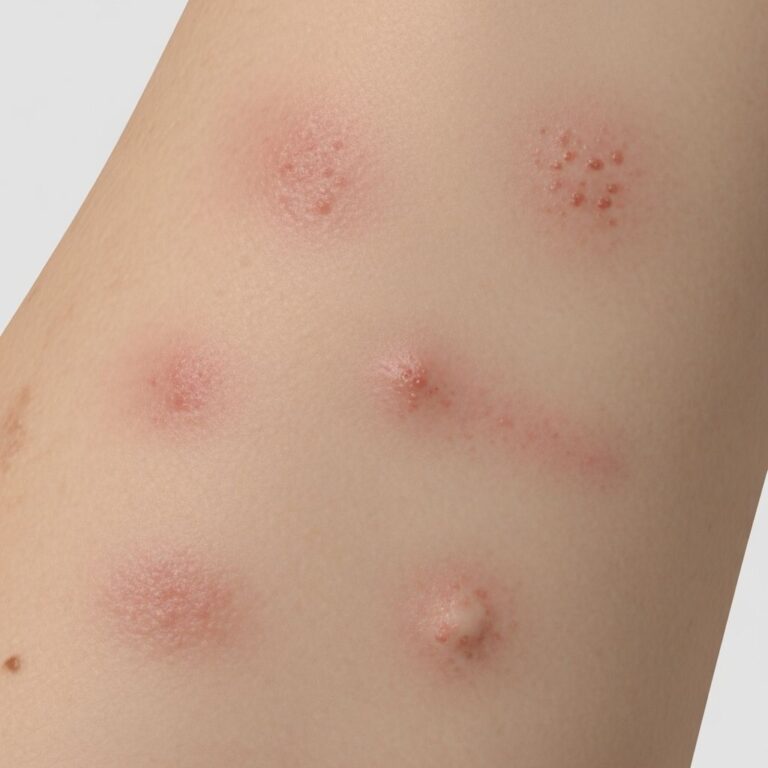
Flea bites are small, discolored bumps that appear on the skin when fleas feed on blood and inject their saliva into the bloodstream. These parasitic insects belong to the order Siphonaptera, a group of blood-feeding wingless insects renowned for their remarkable jumping abilities. Flea bites are a common concern for individuals living in environments where fleas are present, whether through household pets or environmental infestation. Understanding the characteristics, symptoms, and appropriate treatment options is essential for managing this condition effectively.
Symptoms and Clinical Presentation
The primary symptom of flea bites is intense itching, medically known as pruritus. Beyond itching, flea bites present with several distinctive characteristics:
- Small, red bumps on the skin that are very itchy and may appear in clusters or lines
- A discolored ring around the bite
- Local edema (swelling) and erythema (redness)
- Painful sensation at the bite site
The bites typically trigger a hypersensitivity reaction in the skin, causing the characteristic inflammatory response. In many cases, particularly in individuals with flea allergies, a condition called papular urticaria develops, which presents as a distinctive rash pattern.
Flea Allergy Dermatitis (FAD)
For individuals and pets with heightened sensitivity, flea bites can trigger a more severe condition known as Flea Allergy Dermatitis (FAD). In susceptible individuals, the immune system overreacts to flea saliva, releasing histamines that cause intense itching, redness, and inflammation. The most prominent signs include persistent scratching, particularly in the lower back region, hind legs, abdomen, and inner thighs. Red, inflamed skin, hair loss (in animals), scabs or open sores from excessive scratching, and behavioral changes due to discomfort are common manifestations. When left untreated, FAD can progress to secondary skin infections, making the condition significantly more painful and requiring additional medical intervention.
Complications of Flea Bites
While most flea bites resolve without serious complications, several potential complications warrant attention:
Allergic Reactions
More severe symptoms can include allergic reactions such as hives, rash, shortness of breath, and swelling. These reactions represent hypersensitivity responses to flea saliva proteins.
Disease Transmission
Fleas can be vectors for serious secondary infections and diseases. Conditions transmitted by fleas include infections caused by Yersinia pestis, murine typhus, and parasitic infections. Symptoms of flea-transmitted diseases may include fever, headache, body aches, rashes, nausea, abdominal pain, weight loss, dizziness, and weakness.
Bacterial Infections
Scratching flea bites creates breaks in the skin barrier, increasing the risk of bacterial infections. Pain, redness, oozing, crusting, and pustules at the bite site indicate secondary bacterial infection, often requiring topical or oral antibiotics. Potential bacterial complications include cellulitis and abscesses. Secondary infection, rather than the flea bite itself, determines the prognosis for patients with these complications.
Tungiasis
Tungiasis occurs when tropical sand fleas (Tunga penetrans) burrow into the skin and cause inflammation, papules, and secondary skin infections.
Treatment Options
Flea bites typically have a benign clinical course, with most patients experiencing only mild local reactions that resolve spontaneously. However, several treatment approaches can alleviate symptoms and prevent complications.
Home Care Management
Basic home care measures form the foundation of flea bite management:
- Washing the affected area with mild soap and water to remove residual saliva and reduce contamination risk
- Applying cold packs or cold compresses to temporarily relieve itching and swelling, applied every ten to fifteen minutes
- Using over-the-counter anti-itch products containing calamine lotion or pramoxine-containing lotions
- Applying colloidal oatmeal products for baths to soothe irritated skin
- Avoiding scratching to prevent skin breaks and secondary infection
- Avoiding hot showers or baths, which can intensify itching
- Keeping the area clean by washing with antiseptic soap
Related Stories



If the skin is accidentally broken, covering flea bites with a bandage provides protection from further contamination and reduces the temptation to scratch.
Topical Treatments
Topical creams and ointments represent an effective approach for localized symptom management:
- Topical corticosteroids effectively reduce local inflammation and pruritus
- Topical antihistamine creams reduce allergic symptoms and itching
- Antibiotic ointments prevent or treat early-stage bacterial infections
- Low-potency corticosteroid ointments such as hydrocortisone, limited to no longer than fourteen consecutive days for moderate-to-severe pruritus
Oral Medications
For more widespread or severe reactions, oral medications provide systemic relief:
- Oral antihistamines such as loratadine and cetirizine effectively manage systemic allergic responses and reduce itching, swelling, and hives
- Oral antibiotics treat bacterial infections resulting from scratching or underlying diseases transmitted by fleas
- Oral corticosteroids or steroid tablets treat severe allergic reactions or inflammation
Advanced Clinical Treatments
Healthcare providers may recommend more specialized interventions for severe or chronic cases:
- Steroid injections to treat severe allergic reactions or significant inflammation
- Adrenaline auto-injectors such as an EpiPen for urgent, life-threatening allergic reactions
- Immunotherapy or allergy shots to desensitize the immune system to flea allergens and prevent future reactions
When to Seek Medical Care
While most flea bites heal with at-home care within a few days, certain situations require professional medical evaluation. Individuals should contact their healthcare provider if they experience signs of infection, including pus-filled lesions, fever, pronounced redness, warmth, pain, or purulent discharge; allergic reactions such as difficulty breathing, facial swelling, or respiratory distress; bites that do not show improvement after several days; or signs of systemic illness such as fever, headache, or body aches, which may indicate flea-transmitted disease.
Prevention and Environmental Control
Effective flea bite prevention requires addressing both personal protection and environmental management. It is important to attempt elimination of fleas from the environment, including flooring, bed linen where eggs are laid, and household pets. Environmental remediation should involve changing all garments immediately and laundering them in hot water above sixty degrees Celsius to eradicate developmental phases. All areas where fleas may be present, particularly beds and sofas, require thorough treatment to ensure complete coverage.
For pet owners, year-round flea prevention is essential in warm climates where fleas thrive. Prevention options include topical treatments applied directly to pet skin that kill fleas on contact, oral medications that provide systemic treatment to eliminate fleas and prevent reinfestation, and flea collars effective for long-term prevention. Long-term management strategies for chronic flea allergies include omega-3 and omega-6 fatty acid supplements to improve skin barrier function and make skin more resilient to allergens, prescription flea preventatives to ensure continuous protection and prevent flare-ups, and immunotherapy to gradually desensitize the immune system to flea allergens.
Prognosis and Outcomes
Flea bites typically have a benign clinical course, with most patients only experiencing a mild local reaction called papular urticaria that resolves spontaneously and is manageable with antihistamines and anti-inflammatory medications. The rash typically resolves without intervention, though symptoms may persist for several days. Secondary infections such as cellulitis and abscesses are possible but are preventable through proper wound care and avoiding scratching. In most cases, severe illness from flea bites is rare, and the National Health Service notes that most insect bites will not become serious and only occasionally develop infection.
Frequently Asked Questions
Q: How quickly do flea bites appear after exposure?
A: Flea bites typically appear relatively quickly after a flea feeds, though the exact timing can vary. However, signs and symptoms of infection may occur up to a couple of weeks after the initial bite.
Q: Can flea bites spread from person to person?
A: No, flea bites themselves do not spread between individuals. However, if fleas are present in the environment, multiple people can be bitten by the same flea population.
Q: How long do flea bites take to heal?
A: Most flea bites heal within a few days with appropriate care. However, if scratched or infected, healing may take longer and require medical treatment.
Q: What is the difference between flea bites and other insect bites?
A: Flea bites typically appear as small red bumps in clusters or lines and are intensely itchy. They often occur on the lower legs and feet, whereas other insect bites may present differently depending on the insect type.
Q: Is scratching a flea bite dangerous?
A: Yes, scratching flea bites breaks the skin barrier and creates entry points for bacteria, significantly increasing the risk of secondary bacterial infection. This is why resisting the urge to scratch is crucial.
Q: Can flea bites cause serious diseases?
A: While fleas can transmit serious diseases such as plague (caused by Yersinia pestis) and murine typhus, transmission is relatively uncommon in developed countries. The risk depends on geographic location and the specific flea species present.
Summary
Flea bites present as small, itchy, discolored bumps that result from flea saliva injection during feeding. While the majority of flea bites resolve spontaneously with minimal intervention, appropriate management prevents complications and relieves discomfort. Treatment ranges from simple home care measures such as cold compresses and topical calamine lotion to prescription medications for more severe cases. Prevention through environmental control and regular flea management of household pets remains the most effective strategy. Most individuals experience only mild local reactions; however, individuals with flea allergies or those at risk for complications should seek medical evaluation. By understanding flea bite symptoms, appropriate treatment options, and prevention strategies, individuals can effectively manage this common dermatological condition and minimize the risk of secondary complications.
References
- Flea Bites Treatment — Porter Ranch Dermatologist. https://porterranchdermatologist.com/medical-dermatology/flea-bites/
- Flea Bites – StatPearls — National Center for Biotechnology Information (NCBI). https://www.ncbi.nlm.nih.gov/books/NBK541118/
- Comprehensive Care for Flea Allergy Dermatitis — Santa Monica Veterinary Hospital. https://santamonicavet.com/comprehensive-care-for-flea-allergy-dermatitis-a-santa-monica-pet-owners-guide/
- Flea Bites: What They Look Like, Symptoms & Treatment — Cleveland Clinic. https://my.clevelandclinic.org/health/diseases/21718-flea-bites
- Identification Methods and Comprehensive Control Guide for Flea Bites — Orea TE AI. https://www.oreateai.com/blog/identification-methods-and-comprehensive-control-guide-for-flea-bites/
- Flea Bites on Humans: Pictures, Risks, Treatment, and More — Healthgrades. https://resources.healthgrades.com/right-care/skin-hair-and-nails/flea-bites-on-humans
- Flea Bites — DermNet. https://dermnetnz.org/topics/flea-bite
Similar Articles








Read full bio of Sneha Tete