Flecainide: Heart Rhythm Management Guide
Comprehensive guide to flecainide use, effectiveness, and safety for arrhythmia treatment
What is Flecainide and How Does it Work?
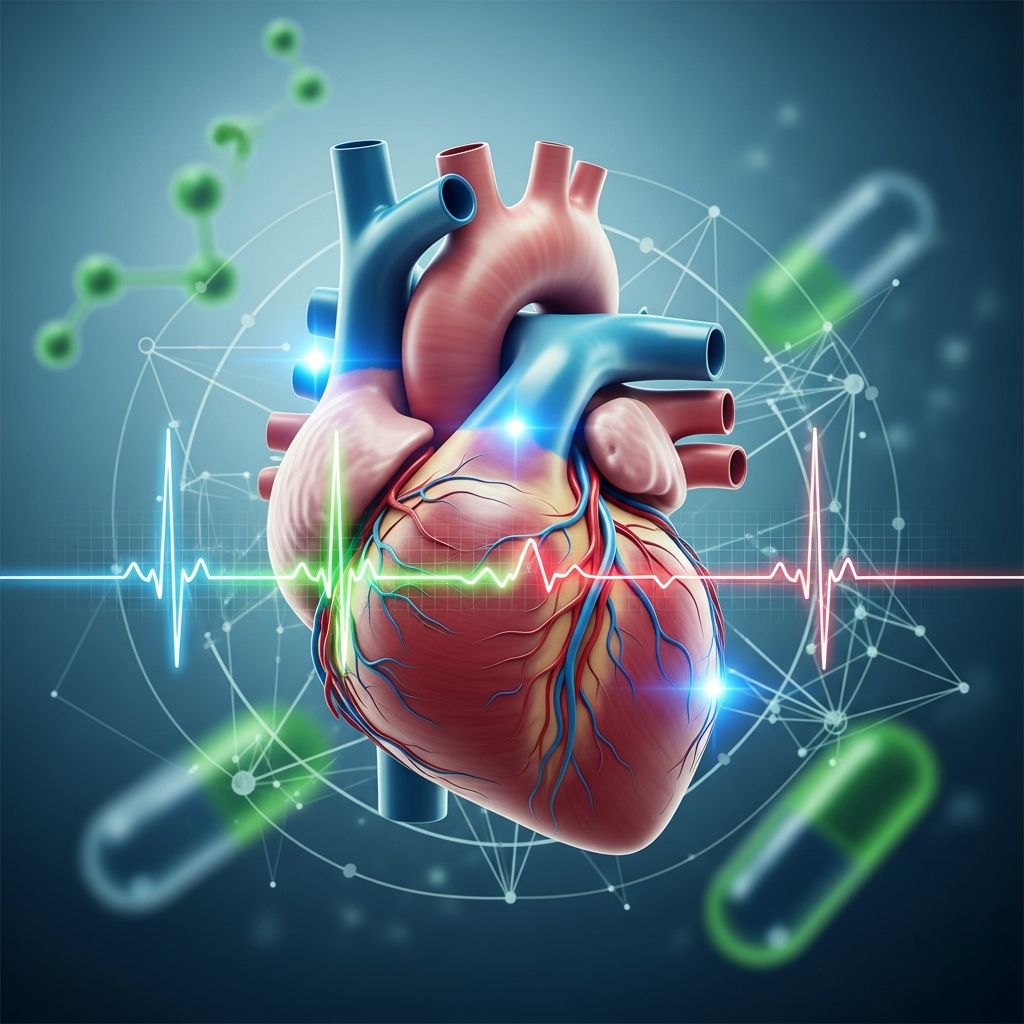
Flecainide is a prescription antiarrhythmic medication belonging to a class of drugs specifically designed to regulate abnormal electrical activity in the heart. This medication functions by slowing or blocking electrical signals within the heart muscle, thereby stabilizing the heartbeat and preventing dangerous arrhythmias. The drug operates through sodium channel blockade mechanisms that alter how the heart’s electrical system functions, making it particularly effective for certain types of irregular heartbeats.
The pharmaceutical action of flecainide involves prolonging the action potential duration in ventricular and atrial muscle fibres, which helps restore and maintain normal heart rhythm. By modifying these electrical properties, the medication can convert abnormal heart rhythms back to normal sinus rhythm and prevent their recurrence.
Primary Medical Applications
Flecainide is reserved exclusively for treating serious, life-threatening arrhythmias and should not be used for minor or benign heart rhythm irregularities. The medication has demonstrated significant effectiveness in managing specific cardiac conditions:
- Paroxysmal Atrial Fibrillation (PAF): Flecainide effectively reduces the frequency of AF episodes and extends the time intervals between occurrences. Clinical evidence shows that approximately 65% of patients respond positively to treatment in the short term, with 49% maintaining long-term benefits.
- Atrial Flutter: The medication can convert atrial flutter to normal rhythm and prevent its recurrence.
- Paroxysmal Supraventricular Tachycardia (PSVT): Flecainide is used to treat this potentially life-threatening rapid heartbeat condition.
- Other Life-Threatening Arrhythmias: The medication may be prescribed for various serious irregular heartbeats that pose significant health risks.
Symptom Relief and Quality of Life Improvements
Beyond simply controlling abnormal rhythms, flecainide provides substantial symptom relief for patients experiencing bothersome cardiac symptoms. Clinical studies demonstrate that significantly more patients receiving flecainide report suppression of palpitations, tachycardia, and chest pain compared to those receiving placebo. Remarkably, one-third of flecainide-treated patients reported complete freedom from symptoms, compared to only 9% in the placebo group.
This symptom relief translates to meaningful improvements in daily functioning and quality of life, allowing patients with previously disabling heart rhythm abnormalities to resume normal activities with greater confidence and comfort.
Cardiovascular Effects and Safety Profile
The cardiovascular impact of flecainide varies depending on baseline cardiac health. In patients with normal or nearly normal heart function, flecainide demonstrates a favorable safety profile with minimal effects on blood pressure and preserved left ventricular ejection fraction. Intravenous administration may transiently reduce cardiac output and stroke volume, but these effects typically resolve with continued use.
However, flecainide requires careful consideration in patients with pre-existing cardiac disease. The medication can significantly reduce stroke volume and ejection fraction in individuals with coronary heart disease, acute myocardial infarction, or left ventricular dysfunction. For this reason, comprehensive cardiac assessment before initiating treatment is essential to identify patients at higher risk.
Current treatment guidelines recommend flecainide as a first-line option for restoring and maintaining normal sinus rhythm in appropriate atrial fibrillation patients, particularly those without significant left ventricular disease or coronary heart disease.
Common Side Effects and Management Strategies
While flecainide is generally well-tolerated, patients may experience various mild to moderate side effects. Understanding these potential reactions helps ensure appropriate communication with healthcare providers:
Related Stories



- Dizziness and lightheadedness
- Visual disturbances, including blurred vision or double vision
- Headache and general weakness
- Gastrointestinal symptoms such as nausea, constipation, and abdominal pain
- Tremor and uncontrollable shaking
- Dry mouth and fatigue
- Muscle or joint pain
- Cough and shortness of breath
- Rash, flushing, and sweating
Most of these side effects are mild and manageable, but patients should inform their healthcare provider if they persist or significantly impact daily functioning. Dosage adjustments or supplementary medications may help mitigate troublesome effects.
Serious Side Effects Requiring Immediate Medical Attention
Although serious complications are uncommon, certain symptoms warrant immediate medical evaluation. Patients should contact emergency services or seek urgent medical care if experiencing any of the following:
- Chest pain or pressure
- Severe shortness of breath or difficult breathing
- Fainting or severe lightheadedness
- Fast, irregular, pounding, or racing heartbeat
- Wheezing or tightness in the chest
- Severe allergic reactions with difficulty breathing, hives, or facial swelling
Additionally, patients should contact their healthcare provider promptly if experiencing new or worsening cardiac symptoms, signs of liver dysfunction (yellowing of skin or eyes, dark urine, abdominal pain), vision problems, or symptoms of worsening heart failure (swelling in extremities, rapid heartbeat, persistent cough).
Special Populations and Dosing Considerations
Flecainide can be administered to elderly patients and hospital outpatients, though important modifications may be necessary. Plasma clearance of the medication occurs more slowly in older individuals, potentially requiring dose adjustments to prevent drug accumulation.
Initial dosing protocols typically involve gradual titration, with the maximum cumulative dose over the first 24 hours not exceeding 600 mg. This conservative approach allows healthcare providers to monitor patient response and tolerability before reaching full therapeutic doses.
Patients with compromised organ function require special attention. Those with decreased kidney or liver function may experience flecainide accumulation, necessitating dose reductions and close medical supervision. Baseline assessment of kidney and liver function is essential before initiating treatment, with periodic monitoring during therapy to detect any functional decline.
Heart Failure and Cardiac Disease Considerations
Flecainide can cause or worsen heart failure and should be avoided in patients with severe or untreated heart failure. Even in patients with established heart failure receiving the medication, close clinical monitoring is necessary to detect any deterioration in cardiac function.
Patients taking flecainide should immediately report symptoms suggesting worsening heart failure, including shortness of breath, weight gain, or swelling in the hands, feet, or lower legs. Those with recent myocardial infarction require particular vigilance, as they may develop heart failure symptoms while on this medication.
The medication’s potential to worsen cardiac function in patients with coronary artery disease underscores the importance of comprehensive pre-treatment cardiovascular assessment and ongoing medical supervision.
Drug Interactions and Important Precautions
Flecainide may interact with other medications, potentially altering effectiveness or increasing side effect risk. Patients should provide their healthcare provider with a complete medication list, including over-the-counter drugs and supplements, before beginning treatment.
Certain antiarrhythmic combinations or medications affecting cardiac conduction should be used cautiously with flecainide. Healthcare providers carefully weigh the benefits and risks when considering concurrent medication use.
Effectiveness in Cardioversion Support
Research indicates that flecainide may enhance the success of electrical cardioversion, a procedure used to restore normal heart rhythm in patients with persistent atrial fibrillation. Pre-cardioversion flecainide use resulted in more successful first shock outcomes compared to placebo in clinical studies. Additionally, intravenous flecainide reduces atrial defibrillation thresholds, potentially resulting in lower shock-induced discomfort and increased procedure success rates.
Cellular and Tissue-Level Benefits
Beyond its antiarrhythmic effects, flecainide demonstrates beneficial cellular properties. In experimental models of human atrial tissue, the medication attenuated markers of oxidative stress and suppressed the expression of inflammatory molecules and hypertrophic factors. These findings suggest flecainide may help reduce myocardial injury and dysfunction caused by prolonged atrial fibrillation, though additional clinical research is needed to fully establish these tissue-protective benefits.
Monitoring Requirements During Treatment
Patients taking flecainide require regular medical monitoring to ensure safety and therapeutic effectiveness. Essential monitoring components include:
- Regular assessment of heart rhythm through electrocardiograms (ECGs)
- Periodic evaluation of cardiac function
- Liver function tests to detect potential hepatotoxicity
- Kidney function assessments to ensure adequate drug clearance
- Blood pressure monitoring during initial treatment phases
- Clinical evaluation for symptom progression or worsening
Healthcare providers may adjust dosing based on treatment response, tolerability, and organ function changes observed during monitoring.
Frequently Asked Questions
Can flecainide be used for all types of heart arrhythmias?
No. Flecainide is reserved exclusively for serious, life-threatening arrhythmias. It is not appropriate for minor or benign rhythm disturbances and should only be used when clearly indicated by a cardiologist.
How quickly does flecainide work?
Flecainide can terminate certain arrhythmias relatively quickly, though the timeframe varies depending on the specific rhythm disturbance and individual patient factors. Some patients experience symptom relief within hours, while others require days of therapy.
Is flecainide safe for elderly patients?
Flecainide can be used in elderly patients, though plasma clearance is slower than in younger individuals, potentially requiring dose adjustments. Comprehensive cardiac and renal assessment is essential before initiating treatment in this population.
What should I do if I miss a dose?
Patients should take their missed dose as soon as remembered, unless the next scheduled dose is approaching. Doubling doses should be avoided, and specific guidance should be obtained from a healthcare provider or pharmacist.
Can flecainide be stopped abruptly?
Patients should not discontinue flecainide without explicit healthcare provider instruction, as abrupt cessation may result in arrhythmia recurrence or worsening. A gradual dose reduction is typically recommended under medical supervision.
Conclusion and Clinical Perspective
Flecainide represents a valuable therapeutic option for managing serious cardiac arrhythmias, particularly atrial fibrillation and paroxysmal supraventricular tachycardia. Its effectiveness in converting abnormal rhythms to normal sinus rhythm, combined with substantial symptom relief benefits, makes it an important medication in the cardiologist’s treatment arsenal. However, its potential to worsen certain cardiac conditions necessitates careful patient selection, comprehensive pre-treatment assessment, and vigilant ongoing monitoring. Patients receiving flecainide should maintain regular contact with their healthcare provider, report any concerning symptoms promptly, and adhere carefully to prescribed dosing regimens. When used appropriately in selected patients, flecainide can significantly improve quality of life and reduce the risks associated with dangerous heart rhythm disturbances.
References
- Flecainide — Safe and Effective for Atrial Fibrillation — National Center for Biotechnology Information, U.S. National Library of Medicine. 2010. https://pmc.ncbi.nlm.nih.gov/articles/PMC3024037/
- Flecainide: Uses, Drug Information and Side Effects — Cleveland Clinic. Accessed 2025. https://my.clevelandclinic.org/health/drugs/17006-antiarrhythmic-medications-flecainide
- Flecainide — MedlinePlus, U.S. National Library of Medicine. https://medlineplus.gov/druginfo/meds/a608040.html
- AG-Flecainide Factsheet, Uses & Common Side Effects — Rexall Canada. https://www.rexall.ca/article/drug/view/id/20224/
- Flecainide (Tambocor) for Afib Rhythm Control — StopAFib.org. https://www.stopafib.org/managing-afib/medication-for-afib/control-afib/rhythm-control-medication/flecainide-tambocor/
Similar Articles








Read full bio of Sneha Tete