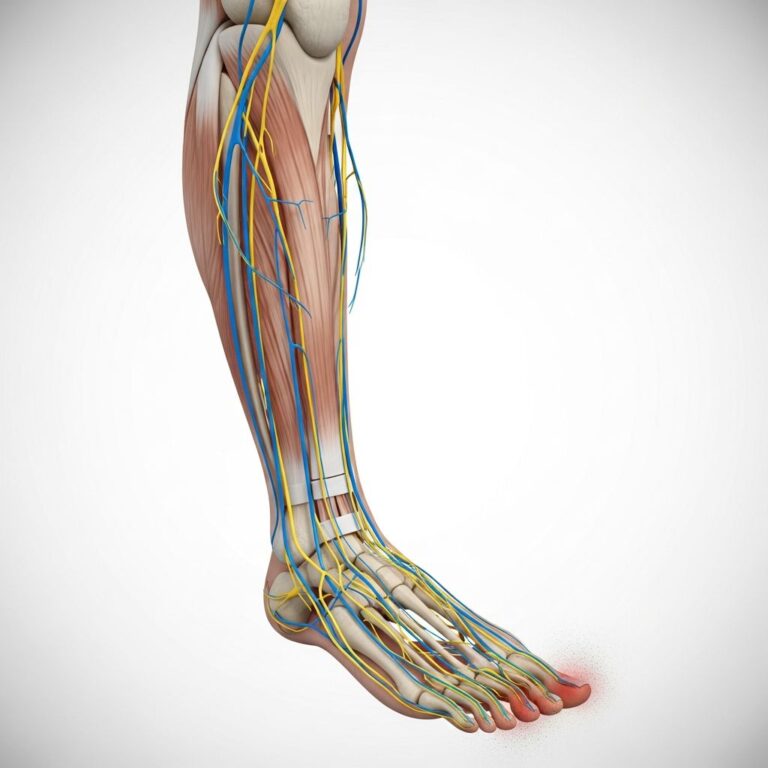
Floor Sitting Posture: 7 Benefits For Flexibility & Strength
Discover how sitting on the floor can transform your posture, flexibility, and overall health with simple daily habits.
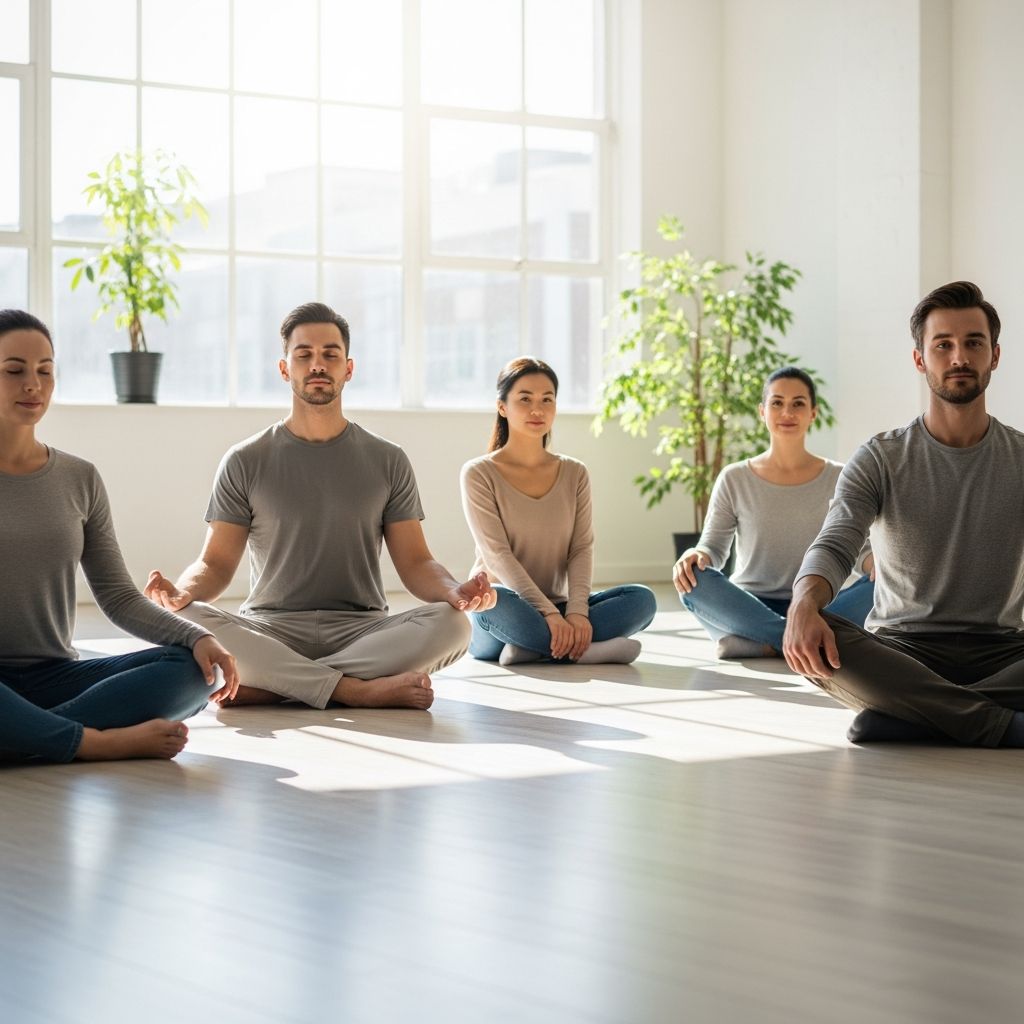
Sitting on the floor, a practice common in many cultures, offers significant health advantages over traditional chair sitting. This posture engages the body actively, promoting better alignment and movement.
What Is Floor Sitting?
Floor sitting involves positioning yourself directly on the ground in various postures like cross-legged, kneeling, or long sits, without chair support. It encourages natural body mechanics and contrasts with sedentary chair use that often leads to slouching and tension. Unlike passive chair sitting, floor positions require muscle engagement for stability, fostering awareness of posture throughout the day.
7 Benefits of Sitting on the Floor
Incorporating floor sitting into daily routines can yield multiple physical and mental gains, supported by movement experts and health professionals.
1. Improved Posture
Floor sitting naturally aligns the spine by eliminating backrest reliance, reducing slouching risks associated with chairs. It promotes an upright torso, countering forward head posture and kyphosis from prolonged desk work. Regular practice strengthens back extensors, leading to better overall posture during standing and walking.
2. Increased Flexibility
Positions like cross-legged or long sits stretch hip flexors, hamstrings, and calves, which tighten from chair sitting. Over time, this enhances range of motion in hips, knees, and ankles, vital for activities like squatting or bending. Studies on mobility show such stretches improve lower body suppleness, reducing injury risk.
3. Enhanced Joint Health
Dynamic floor positions lubricate joints through gentle movement, preventing stiffness in hips, knees, and ankles. Kneeling or squatting mimics functional patterns, supporting synovial fluid circulation for cartilage health. This is particularly beneficial for aging adults, maintaining joint integrity.
4. Stronger Core Muscles
Without chair support, floor sitting activates deep core stabilizers like the transverse abdominis and obliques to maintain balance. Transitions from sitting to standing further engage the core, building endurance comparable to low-impact exercises. Dr. Jennifer O’Connell notes this automatic core activation doesn’t occur in chairs.
5. Better Circulation
Varied floor postures promote blood flow by avoiding static compression on legs and hips. Cross-legged sitting and position changes reduce venous pooling, decreasing fatigue and circulatory issues linked to prolonged sitting. Enhanced oxygen delivery boosts energy levels throughout the day.
6. Improved Digestion
Sitting cross-legged or kneeling during meals straightens the spine and abdomen, potentially aiding peristalsis. Traditional cultures use this for better gut motility, reducing bloating from slouched chair eating. Upright posture opens the diaphragm, supporting digestive efficiency.
7. Mind-Body Connection and Stress Reduction
Floor sitting, akin to yoga or meditation, heightens body awareness and mindfulness. Proximity to the ground fosters relaxation, lowering cortisol via parasympathetic activation. It builds functional movement patterns, enhancing daily proprioception.
How to Start Floor Sitting: 5 Positions to Try
Begin with short sessions, 5-10 minutes daily, gradually increasing. Use cushions for comfort if needed.
- Cross-Legged (Sukhasana): Bend knees outward, feet under opposite knees. Stack hips over ankles, belly over hips. Stretches hips, calms mind.
- Long Sit: Extend legs forward, flex toes up. Keep spine tall; use blanket under sit bones to prevent rounding. Targets hamstrings and quads.
- Straddle Sit: Widen legs beyond shoulders from long sit. Gently fold forward for inner thigh stretch. Builds hip openness.
- Kneeling (Seiza): Sit on heels, toes tucked or extended. Cushion between calves and thighs if tight. Strengthens ankles, improves knee flexion.
- Squat: Heels down or raised, hands on shins for support. Ultimate mobility test; hold briefly to build ankle and hip strength.
Related Stories



Floor Sitting Tips From Experts
Experts recommend variety to avoid strain. Kelly Starrett from The Ready State advises 30 minutes daily across positions for transformative effects. Change postures hourly, stand periodically, and pair with walks.
- Listen to your body; stop if pain arises beyond mild stretch.
- Incorporate transitions: rise from floor 5-10 times daily for full-body activation.
- Use props like yoga blocks or blankets for beginners.
- Combine with breathwork for deeper relaxation.
- Track progress: Note easier rising or less chair fatigue.
Who Should Avoid or Modify Floor Sitting?
Not ideal for everyone. Those with knee osteoarthritis, severe hip issues, or acute back pain should consult physicians. Pregnant individuals or post-surgery patients may need modifications. Start slow to build tolerance.
| Condition | Recommendation |
|---|---|
| Knee Pain | Use cushions under knees; prefer long sit |
| Hip Tightness | Straddle or prop-elevated cross-leg |
| Lower Back Issues | Avoid deep squats; focus on supported kneeling |
| Beginners | 5-min sessions, multiple positions daily |
Frequently Asked Questions (FAQs)
Is sitting on the floor good for the body?
Yes, it improves posture, flexibility, core strength, and mobility for most people. Those with joint issues should modify or consult a doctor.
What is the healthiest way to sit on the floor?
Maintain a straight back, hips over ankles, and vary positions. Rise periodically and use ergonomic aids if needed.
How long should you sit on the floor daily?
Aim for 20-30 minutes total, spread across positions, building from 5-10 minutes.
Does floor sitting help with back pain?
It can by strengthening core and improving alignment, but aggravates some cases—seek professional advice.
Can floor sitting improve digestion?
Potentially, via upright posture during meals aiding gut movement.
Final Thoughts
Floor sitting counters modern sedentary harms, restoring natural movement. Consistent practice yields lasting posture, flexibility, and vitality gains. Start today for a healthier body.
References
- Ground Game: Is Sitting On The Floor Good For You? — The Ready State. 2023. https://thereadystate.com/blogs/why-sitting-more-on-the-ground-can-transform-your-life/
- The Surprising Benefits of Sitting on the Floor Every Day — Hall Chiropractic Center. 2024. https://www.hallchiropracticcenter.com/blog/posts/the-surprising-benefits-of-sitting-on-the-floor-every-day
- The Benefits of Floor Sitting and Changing Your Seated Posture — Bend Movement Physical Therapy. 2024. https://www.bendmvmt.com/blog/the-benefits-of-floor-sitting-and-changing-your-seated-posture
- The Benefits and Precautions of Sitting on the Floor — Healthline. 2023-05-28. https://www.healthline.com/health/sitting-on-the-floor
- Sitting Like This Can Bring Major Health Benefits As You Age — Hospital for Special Surgery (HSS). 2024-05-28. https://news.hss.edu/sitting-like-this-can-bring-major-health-benefits-as-you-age/
Similar Articles








Read full bio of Sneha Tete