Florid Cutaneous Papillomatosis: A Paraneoplastic Syndrome
Understanding florid cutaneous papillomatosis: symptoms, diagnosis, and management of this rare paraneoplastic skin condition.
Florid Cutaneous Papillomatosis: Understanding a Rare Paraneoplastic Syndrome
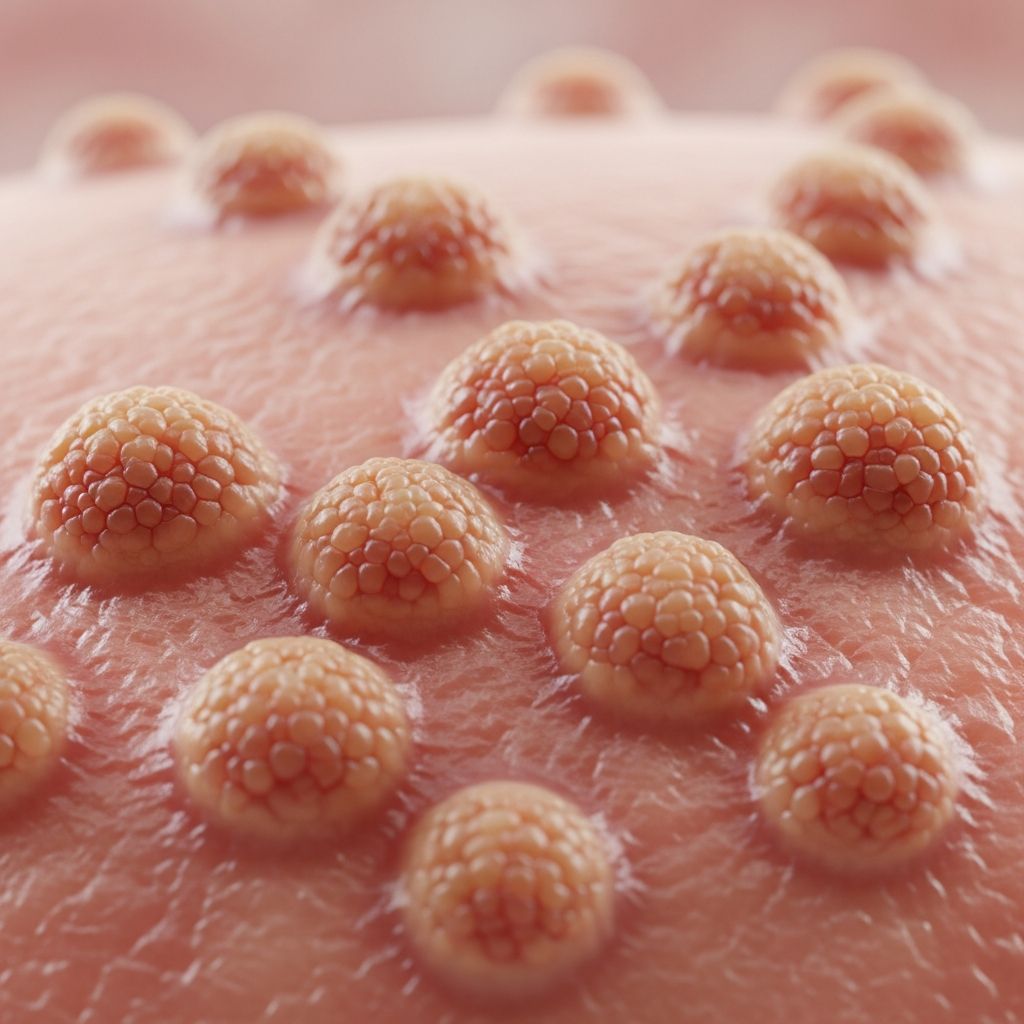
Florid cutaneous papillomatosis (FCP) is a rare and distinctive paraneoplastic dermatosis characterized by the rapid onset of numerous warty small papules and larger nodules on the skin. This condition represents an important clinical entity that dermatologists and healthcare providers must recognize, as it serves as a crucial indicator of underlying internal malignancy. Unlike common viral warts that develop gradually, florid cutaneous papillomatosis appears suddenly and extensively, affecting multiple body regions simultaneously.
As an obligate paraneoplastic syndrome, florid cutaneous papillomatosis always indicates the presence of an underlying malignant tumor. The recognition and diagnosis of this condition are paramount, as early identification can lead to prompt investigation and treatment of the associated cancer, potentially improving patient outcomes.
Clinical Presentation and Symptoms
The clinical manifestations of florid cutaneous papillomatosis are distinctive and often alarming to patients due to their sudden appearance and widespread distribution.
Initial Presentation
The first sign of florid cutaneous papillomatosis is the eruption of wart-like growths on the trunk and extremities, particularly on the upper surface of the hands and wrist. These initial lesions appear suddenly, often developing within weeks to a few months. The lesions then spread to involve the entire body, including the face, creating a dramatic and disfiguring appearance that can cause significant psychological distress to patients.
Lesion Characteristics
The size of the skin lesions can range from anywhere between 2 mm to 1 cm in diameter, though some sources report variations up to 10 mm. The lesions appear as:
- Warty papules and nodules clinically indistinguishable from viral warts
- Verrucous, rugose skin folds in flexural areas, especially the axillae, groin, and perianal region
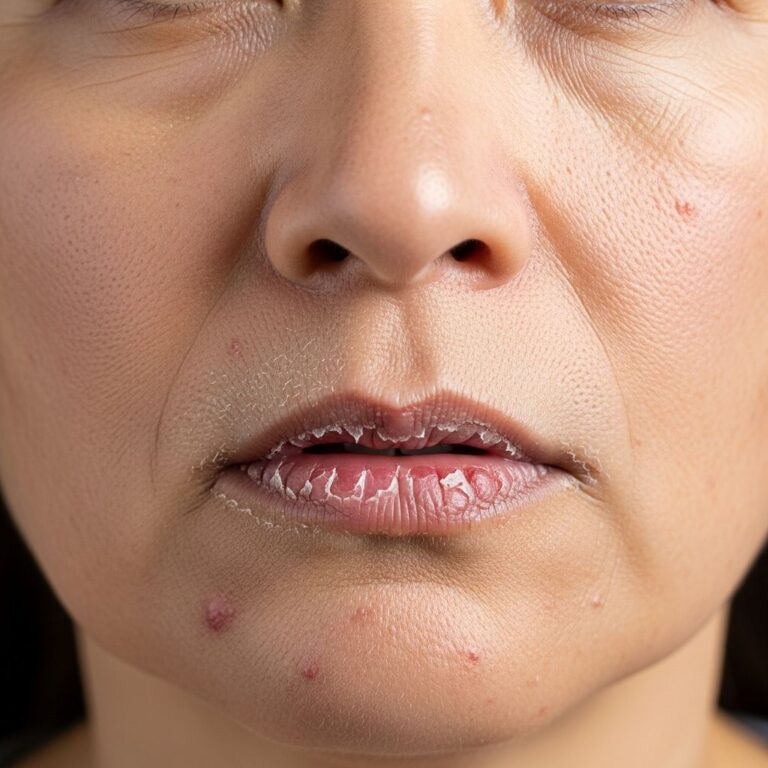
- Papillomatosis of the lips with a distinctive rhagadiform appearance
- Grey-brown pigmented growths on the neck and nape
- Hyperkeratotic papules affecting the dorsa of the hands, nipples, and scrotum
Associated Symptoms
Pruritus (itching) is a common accompanying symptom that may be experienced before the onset of florid cutaneous papillomatosis and may occur in the affected areas or may be generalized. Pruritus affects approximately one half of patients with florid cutaneous papillomatosis. In some cases, patients may also experience mild dysphagia if mucosal involvement extends to the esophagus, representing a variant termed florid cutaneous and mucosal papillomatosis.
Distribution Pattern
The characteristic eruption follows a specific pattern that helps distinguish it from other conditions. The lesions typically:
- Begin on acral skin, especially the hands and wrists (dorsal surfaces)
- Progress to involve the trunk and extremities
- Disseminate to the entire body, including the face
- Involve mucocutaneous junctions in some cases
- Preferentially affect flexural regions in advanced cases
Diagnosis and Differentiation
The diagnosis of florid cutaneous papillomatosis presents unique challenges, as the clinical appearance closely mimics common viral warts.
Clinical Diagnostic Criteria
The sudden eruption of papulonodules usually indistinguishable from common viral warts should suggest this diagnosis. The following clinical features aid in recognition:
Related Stories



- Sudden onset (rather than gradual development)
- Extensive and rapid dissemination across the body
- Involvement of unusual sites for common warts (face, trunk, flexural areas)
- Age of presentation (typically 53-72 years, mean 58.5 years)
- Symmetric and widespread distribution pattern
Histological Examination
The main concern with regards to the diagnosis of florid cutaneous papillomatosis is distinguishing it from viral warts. Although florid cutaneous papillomatosis may look like viral warts clinically, evaluation of a skin biopsy by a pathologist will clearly distinguish them. Histologic examination shows:
- Uniform and pronounced hyperkeratosis
- Acanthosis and papillomatosis
- Absence of epidermal vacuolization
- Absence of parakeratosis
- Absence of eosinophilic inclusions suggestive of viral warts
- No classic koilocytosis or viral inclusions
Differential Diagnosis
Florid cutaneous papillomatosis must be distinguished from:
- Widespread common warts (which develop gradually over time)
- Epidermodysplasia verruciformis (a genetic condition with different histological features)
- Other paraneoplastic dermatoses
- Viral exanthems
Associated Malignancies
If florid cutaneous papillomatosis is diagnosed, it is extremely important to perform a thorough workup for underlying malignancy and identify a hidden cancer. Florid cutaneous papillomatosis is most commonly associated with gastric adenocarcinoma, though it can occur with various other internal malignancies.
The condition may appear:
- Prior to the diagnosis of internal malignancy (most common presentation)
- Concurrent with cancer diagnosis
- As the first sign of recurrence of a previously treated neoplasm
Epidemiology
Florid cutaneous papillomatosis is almost twice as common in men than in women, and is usually diagnosed in individuals aged 53–72 years with a mean patient age of 58.5 years. The condition is rare but represents an important clinical marker that should prompt immediate investigation for underlying malignancy.
Treatment Approaches
The management of florid cutaneous papillomatosis involves both primary and symptomatic treatment strategies.
Primary Treatment Objective
The primary aim of treatment is to remove the cancer. Marked improvement of lesions has been reported after surgical treatment or chemotherapy of the cancer. In fact, improvement usually parallels that of the cancer, whether surgical or chemotherapeutic. This demonstrates the fundamental paraneoplastic nature of the condition—addressing the underlying malignancy is essential for improvement of the skin manifestations.
Symptomatic Treatments
There is no specific treatment for florid cutaneous papillomatosis itself. Symptomatic treatments that may be used to improve lesions include:
- Topical steroids (for inflammation and pruritus)
- Oral retinoids (vitamin A acid)
- Topical 5-fluorouracil (chemotherapy agent)
- Urea (keratolytic agent)
- Salicylic acid (keratolytic agent)
- Liquid nitrogen (cryotherapy)
- Podophyllotoxin (mitotic inhibitor)
- Phototherapy and radiotherapy
- Calcipotriol
Topical Podophyllotoxin Therapy
Podophyllotoxin has demonstrated particular efficacy in treating florid cutaneous papillomatosis. This agent inhibits mitotic division and may induce necrotic involution of the papillomas. In clinical practice, podophyllotoxin solution (0.5%) applied twice daily for 3 days, followed by four drug-free days, repeated in cycles, has shown outstanding efficacy and tolerability. Large tissue masses in flexural regions have been reported to regress greatly after four weeks of topical podophyllotoxin treatment.
Limitations of Symptomatic Treatment
It is important to note that symptomatic treatment of the cutaneous papillomas is only for palliative intention. Treatment of the underlying tumor leads to improvement of the paraneoplastic condition, but this is rarely complete or sustained when only topical therapies are used. Several types of systemic or topical treatments did not lead to significant improvement in some cases, highlighting the importance of addressing the underlying malignancy.
Prognosis and Course
The prognosis of florid cutaneous papillomatosis is intrinsically linked to the course of the underlying malignancy. Generalization of the associated visceral malignancy may worsen the eruption, and recurrence or exacerbation of skin lesions can reflect treatment failure, tumor recurrence, or progression. Therefore, the skin manifestations serve as a useful clinical marker of the cancer’s status and can alert clinicians to potential treatment failures or recurrences.
Psychosocial Impact
Beyond the medical aspects of the disease, florid cutaneous papillomatosis carries significant psychosocial consequences. Patients may have their unaesthetic appearance resulting in isolation from their community, feeling or being unwelcome in public places. This social stigma and psychological distress underscore the importance of prompt diagnosis and treatment to minimize the duration of visible skin manifestations.
Historical Context
Florid cutaneous papillomatosis was discovered by Robert A. Schwartz and Gordon H. Burgess, with the original description published in the Archives of Dermatology. The condition has since been called Schwartz–Burgess syndrome in recognition of its discoverers. This relatively recent description reflects the rarity of the condition and the importance of continued awareness among healthcare providers.
Key Clinical Pearls
Several critical points should guide clinical practice:
- Sudden onset of widespread wart-like lesions should raise suspicion for florid cutaneous papillomatosis rather than common viral warts
- Skin biopsy is essential for definitive diagnosis and exclusion of viral etiology
- Once diagnosed, thorough investigation for underlying malignancy is mandatory
- The skin manifestations should be monitored as markers of cancer status
- Symptomatic treatment may improve appearance but will not resolve the condition without treatment of the underlying cancer
- Close collaboration between dermatologists and oncologists is essential for optimal patient management
Frequently Asked Questions (FAQs)
Q: Is florid cutaneous papillomatosis the same as common warts?
A: No. Although florid cutaneous papillomatosis appears clinically similar to viral warts, it differs in its sudden onset, extensive dissemination, and histological features. Skin biopsy clearly distinguishes the two conditions.
Q: What is the primary cause of florid cutaneous papillomatosis?
A: Florid cutaneous papillomatosis is an obligate paraneoplastic syndrome caused by an underlying internal malignancy. The exact mechanism involves biologically active agents produced by the tumor, such as transforming growth factor-α and epidermal growth factor, which disturb keratinization of cutaneous tissues.
Q: Can florid cutaneous papillomatosis be cured with topical treatments alone?
A: No. While topical treatments may provide symptomatic improvement and palliation, they do not cure the condition. Treatment of the underlying cancer is essential for resolution of the skin manifestations.
Q: How quickly does florid cutaneous papillomatosis develop?
A: Florid cutaneous papillomatosis characteristically develops suddenly and rapidly, with extensive dissemination often occurring within weeks to six months.
Q: What should be done if florid cutaneous papillomatosis is suspected?
A: Immediate skin biopsy should be performed for histological confirmation. Once diagnosed, comprehensive investigation for underlying malignancy is mandatory, including appropriate imaging and laboratory studies based on clinical suspicion.
Q: Is florid cutaneous papillomatosis more common in men or women?
A: Florid cutaneous papillomatosis is almost twice as common in men as in women, and typically presents in patients aged 53-72 years.
References
- Florid cutaneous papillomatosis — DermNet New Zealand. 2024. https://dermnetnz.org/topics/florid-cutaneous-papillomatosis
- Florid cutaneous papillomatosis — National Institutes of Health, PubMed Central. 2024. https://pmc.ncbi.nlm.nih.gov/articles/PMC11046495/
- Florid cutaneous papillomatosis leading to social exclusion — British Journal of Dermatology, Oxford University Press. 2005. https://academic.oup.com/bjd/article/153/3/667/6636606
- Florid cutaneous papillomatosis as a marker of neoplastic recurrence — eScholarship Repository, University of California. 2019. https://escholarship.org/uc/item/5qr833n1
- Florid Cutaneous Papillomatosis — JAMA Dermatology, American Medical Association. https://jamanetwork.com/journals/jamadermatology/fullarticle/539612
- Florid cutaneous papillomatosis — Primary Care Dermatology Society. 2024. https://www.pcds.org.uk/clinical-guidance/florid-cutaneous-papillomatosis
Similar Articles








Read full bio of medha deb