Flu (Influenza): Causes, Symptoms, Types & Treatment
Comprehensive guide to influenza: understand causes, recognize symptoms, and explore effective treatment options.
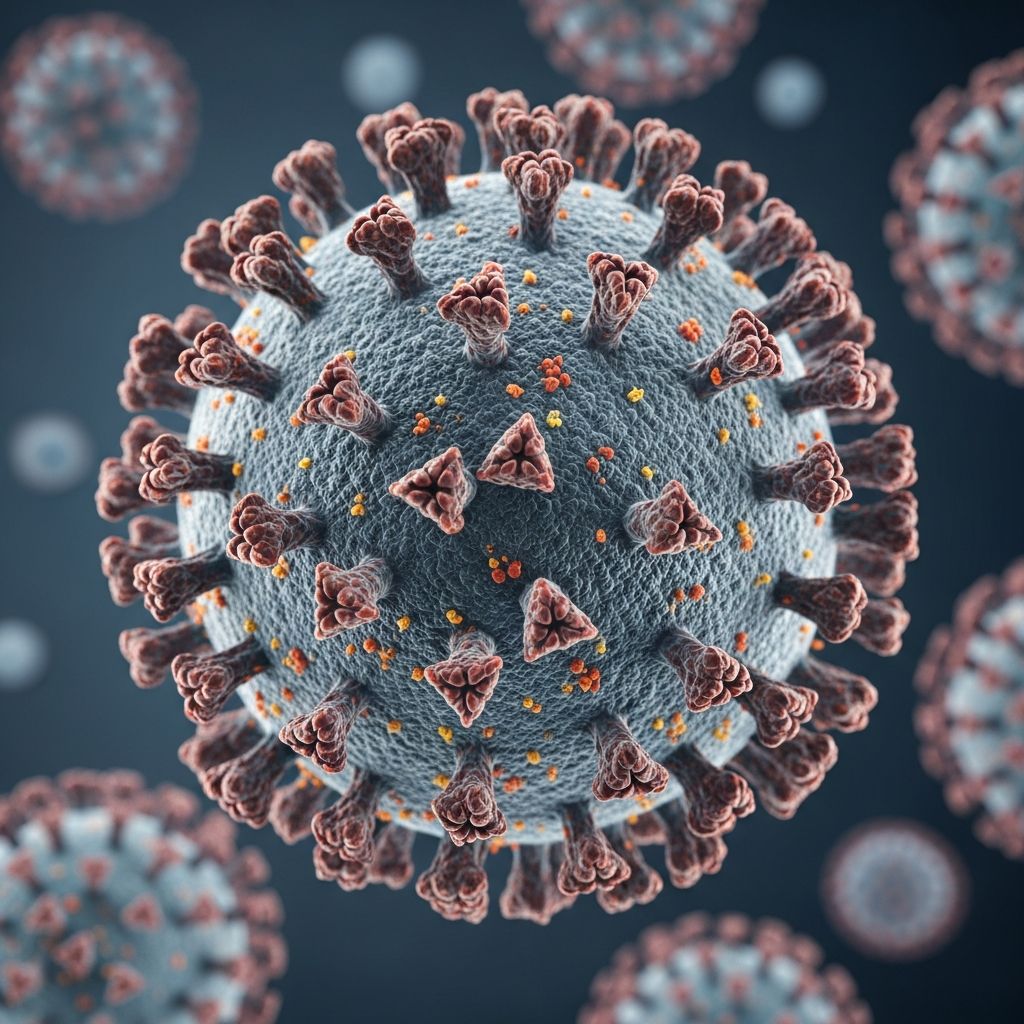
Understanding Influenza (Flu)
The flu, medically known as influenza, is a common respiratory illness caused by the influenza virus. This contagious infection affects millions of people each year, particularly during winter months when cases spike and create seasonal epidemics. Understanding the flu’s nature, transmission, and management is crucial for protecting yourself and your loved ones. The flu can range from mild to severe, with symptoms including fever, head and body aches, coughing, sore throat, and respiratory symptoms that can sometimes become serious. While most people recover within one to two weeks, certain populations face elevated risks for severe complications that may require hospitalization.
What Causes the Flu?
The influenza virus is the sole cause of the flu. This virus spreads through respiratory droplets when an infected person coughs, sneezes, or talks. You can contract the flu by inhaling these droplets directly or by touching contaminated surfaces and then touching your face. The virus targets cells in your respiratory tract, triggering an immune response that produces the characteristic symptoms associated with influenza.
Types of Influenza
Three main antigenic types of influenza virus can infect humans: Type A, Type B, and Type C. However, Types A and B are responsible for seasonal flu epidemics that typically occur during winter months. These strains cause more severe symptoms and affect larger populations. Influenza Type C, by contrast, does not cause severe symptoms and does not follow seasonal patterns—cases remain relatively consistent throughout the year.
- Influenza A: The most common and severe type, often causing widespread seasonal epidemics
- Influenza B: Causes seasonal illness with moderate to severe symptoms, typically affecting fewer people than Type A
- Influenza C: Produces mild illness or no symptoms at all and is not seasonal
Recognizing Flu Symptoms
Flu symptoms typically develop between one to four days after exposure to the virus, known as the incubation period. The illness often strikes suddenly, with symptoms appearing abruptly rather than gradually. Common symptoms include:
- High fever (often 100.4°F or higher)
- Head and body aches
- Sore throat
- Cough
- Stuffy or runny nose
- Fatigue and weakness
- Chills
While fever and body aches typically subside faster than other symptoms, a cough or runny nose may persist for an extended period. The duration of illness usually ranges from a few days to two weeks, depending on individual factors and overall health status.
Duration and Contagiousness
Understanding how long the flu lasts and when you’re contagious helps prevent spreading the illness to others. You can transmit the flu from one day before your symptoms begin until up to seven days after symptom onset. The period of highest contagiousness occurs during the three to four days immediately following the appearance of symptoms. People with weakened immune systems and infants may remain contagious for longer periods, making them particularly important to protect.
Distinguishing Flu from Similar Illnesses
Because the flu shares similar symptoms with COVID-19 and the common cold, determining which illness you have requires testing. The only definitive way to know if you have influenza rather than another respiratory virus is through specific diagnostic testing. While all three conditions present respiratory symptoms, they result from different viruses and require different treatment approaches. Both flu and COVID-19 carry risks of serious illness, making accurate diagnosis important for appropriate management.
Related Stories



Diagnosing Influenza
Healthcare providers diagnose the flu through a combination of symptom assessment and laboratory testing. Your doctor will listen to your symptoms and medical history, then typically perform a nasal swab test to confirm influenza. During this quick procedure, a healthcare provider inserts a long stick with a soft tip into your nose to collect a mucus sample. Results may be available within minutes at your provider’s office, or the sample may be sent to a laboratory for analysis, with results typically returning within a day or two.
Who Is at Higher Risk for Serious Complications?
While most people experience uncomplicated flu that resolves within two weeks, certain groups face significantly higher risks for severe illness and life-threatening complications requiring hospitalization. Understanding your risk status helps guide prevention strategies and treatment decisions.
You face elevated risk for serious flu complications if you:
- Are pregnant or recently gave birth
- Have chronic medical conditions such as asthma, heart disease, or diabetes
- Have weakened immune systems
- Are extremely overweight
- Are very young (infants and toddlers)
- Are elderly (65 years and older)
- Are Native American or Alaska Native
- Are Hispanic or Black American
Influenza can stress your body significantly and lead to serious secondary conditions including pneumonia, stroke, myocarditis (heart inflammation), and other life-threatening complications. For people in high-risk categories, flu prevention through vaccination becomes especially critical.
Flu Treatment Options
While the flu typically resolves on its own, several treatment approaches can alleviate symptoms and potentially shorten illness duration. Your healthcare provider may recommend antiviral medications if you’re a good candidate for them, as these medications may help you recover faster, especially when started early in the illness.
Over-the-counter medications can provide symptom relief:
- Pain relievers and fever reducers help manage aches and fever
- Decongestants and cough suppressants address nasal congestion and coughing
- Combination cold and flu medications address multiple symptoms simultaneously
Beyond medications, self-care measures support recovery: stay home and rest to allow your body to fight the infection, drink plenty of fluids to prevent dehydration, and use a humidifier to ease respiratory discomfort. Most importantly, contact your primary care provider if you suspect you have the flu to discuss whether antiviral medications are appropriate for your situation.
Prevention and Flu Vaccination
The most effective way to avoid getting sick with the flu is through annual vaccination. Getting vaccinated every year is recommended for most people, including those six months of age and older. The flu vaccine does not cause influenza—while some people experience mild side effects like low-grade fever, headache, or fatigue after vaccination, these mild reactions are your body’s normal immune response, not the flu itself. These reactions typically resolve within a day or two.
Healthcare providers recommend receiving your flu vaccine in September and October, before flu season begins. Recent trends show flu season arriving earlier and lasting longer than in the past, so getting vaccinated as soon as vaccines become available offers optimal protection. The vaccine effectiveness varies by year and strain match, but vaccination significantly reduces your risk of getting sick and substantially decreases the severity of illness if you do contract influenza.
Yes, you can still get the flu after vaccination, but the vaccine reduces your risk of serious complications and hospitalization. Additionally, the Centers for Disease Control and Prevention recommends that adults age 65 and older receive a high-dose flu vaccine for enhanced protection.
Supporting Your Immune System
Beyond vaccination, building a strong immune system represents one of the most important factors in reducing flu risk. Supporting your body’s natural defenses through lifestyle choices provides foundational protection:
- Maintain regular physical activity and exercise
- Get adequate sleep (seven to nine hours nightly for most adults)
- Eat a balanced diet rich in fruits, vegetables, and whole grains
- Manage stress through relaxation techniques
- Stay hydrated by drinking plenty of water
- Practice good hygiene including frequent handwashing
Additional Prevention Strategies
In addition to vaccination and immune support, several practical measures reduce your flu risk:
Hand Hygiene: Wash your hands frequently with soap and warm water for at least 20 seconds, especially after being in public spaces, before eating, and after coughing or sneezing. Hand sanitizer with at least 60 percent alcohol provides an alternative when handwashing isn’t available.
Surface Disinfection: Clean and disinfect frequently touched surfaces like doorknobs, light switches, and remote controls, particularly during flu season.
Masking: Some people choose to wear masks during cold and flu season, especially in crowded spaces, while traveling, or when around people at higher risk for complications. Studies show that masking can help reduce illness transmission in close-contact settings.
Staying Home When Sick: If you develop flu symptoms, stay home and avoid close contact with others, particularly those at higher risk for complications. This consideration protects vulnerable people while also providing your body extra rest that may speed recovery. Influenza is most contagious from one day before symptom onset through five to seven days after symptoms begin.
Preparing for Flu Season
Preparation helps you manage the flu more effectively if you do get sick. Keep these essentials on hand:
- Over-the-counter fever and pain relievers
- Decongestants and cough suppressants
- Combination cold and flu medications
- Tissues and hand sanitizer
- Thermometer
- Electrolyte replacement beverages for hydration
Frequently Asked Questions
Q: Can the flu vaccine give me the flu?
A: No, the flu vaccine does not cause influenza. While you might experience mild side effects like a low-grade fever, headache, or fatigue after vaccination, these represent your body’s normal immune response to the vaccine, not the flu itself. These mild reactions typically disappear within a day or two.
Q: Can I get my flu and COVID shots at the same time?
A: Yes, you can safely receive both your flu and COVID vaccines at the same appointment. Many healthcare providers administer both vaccines simultaneously. Alternatively, you may choose to space them out if that feels more comfortable for you.
Q: Will I need a flu shot every year?
A: Yes, you need an annual flu vaccine before each flu season. The influenza virus exists in many different strains that change and mutate rapidly. Because the specific flu strains circulating this year differ from those we’ll encounter next year, annual vaccination protects you against the most current circulating viruses.
Q: Can I get the flu shot if I’m sick?
A: It depends on how sick you are. If you have a mild cold, getting your flu shot is acceptable. However, if you have a fever (100.4°F or 38°C for adults) or are sick enough to stay home from school or work, you should wait until you feel better before getting vaccinated.
Q: Can I still get the flu after vaccination?
A: Yes, it’s possible to get the flu even after vaccination. However, vaccinated individuals who contract flu experience significantly reduced severity of illness and lower rates of serious complications and hospitalization compared to unvaccinated people.
Q: Is the flu contagious if I don’t have symptoms?
A: Yes, you can spread the flu to others even if you’re not experiencing symptoms. The virus can be transmitted from approximately one day before symptoms appear until approximately seven days after symptoms begin, with the highest contagiousness during the first three to four days of illness.
Q: Can the flu cause a heart attack?
A: Yes, the flu can stress your body significantly and potentially lead to serious complications including heart attack. The virus can cause myocarditis (heart inflammation) and other life-threatening conditions, particularly in people with underlying health conditions or those at higher risk for complications.
References
- Flu (Influenza): Causes, Symptoms, Types & Treatment — Cleveland Clinic. 2022-10-11. https://my.clevelandclinic.org/health/diseases/4335-influenza-flu
- Flu Precautions: Preparing for Flu Season — Cleveland Clinic. 2024. https://health.clevelandclinic.org/how-to-prepare-for-flu-season
- Flu Facts You Should Know — Cleveland Clinic. 2024. https://my.clevelandclinic.org/-/scassets/files/org/landing/flu/flu-fact-sheet.pdf
- Flu’s Serious, Too — Cleveland Clinic. 2024. https://my.clevelandclinic.org/landing/flu
- Influenza Vaccination Information — Centers for Disease Control and Prevention. 2024. https://www.cdc.gov/flu/prevent/index.html
Similar Articles








Read full bio of medha deb