Long-Term Effects of the Flu: What You Need to Know
Discover the lasting health impacts of influenza beyond the acute phase of infection.
Understanding Long-Term Effects of the Flu
When most people think about the flu, they envision a few days of fever, cough, and body aches before recovery. However, recent research reveals a more complex picture. The flu, or influenza, can have significant long-term health consequences that extend far beyond the initial acute illness. A groundbreaking study from Washington University School of Medicine in St. Louis demonstrates that people hospitalized with seasonal influenza can suffer long-term, negative health effects, especially involving their lungs and airways. This phenomenon, sometimes referred to as “long flu,” mirrors similar long-term complications seen with COVID-19 and underscores the importance of understanding the full scope of influenza’s impact on human health.
The Long Flu Phenomenon
The concept of “long flu” has emerged as a significant health concern, paralleling the well-documented long COVID syndrome. Research comparing patients hospitalized for either COVID-19 or seasonal influenza found that both groups faced increased risks of long-term health complications. The critical finding: the time of highest risk occurred 30 days or later after initial infection, not during the acute phase. This means that many patients who feel recovered after leaving the hospital may still be at substantial risk for developing serious health problems weeks or months later.
According to clinical epidemiologist Ziyad Al-Aly, MD, from Washington University, the magnitude of long-term health loss from these viruses significantly exceeds the problems experienced during the early phase of infection. “Long flu is much more of a health problem than the flu,” he explained, highlighting a critical shift in how the medical community understands influenza’s true impact on patient health.
Who Is at Higher Risk?
While anyone can develop long-term flu complications, certain populations face substantially elevated risks. Research shows that 9 out of 10 people hospitalized with flu had at least one underlying health condition. Understanding your risk factors is essential for taking preventive measures and seeking appropriate medical care.
People with Chronic Health Conditions
Adults with chronic health conditions are particularly vulnerable to severe flu-related complications. These conditions include:
- Heart disease and cardiovascular conditions
- Lung disease and asthma
- Diabetes and metabolic disorders
- Kidney and liver disease
- Nervous system diseases and previous history of stroke
- Blood disorders
Even when these chronic conditions are well-controlled with medications, having them significantly increases the risk of flu-related complications, including hospitalization, catastrophic disability, and even death.
Age-Related Vulnerabilities
Seasonal influenza tends to have worse outcomes in very young children, particularly those age 2 years and younger, as well as adults older than age 65. These age groups require special attention and preventive measures to avoid severe complications.
Other Risk Factors
Additional factors that increase vulnerability to severe flu complications include:
- Obesity (body mass index of 40 or higher)
- Pregnancy, particularly during the second and third trimesters
- Weakened immune systems or immunocompromised status
- Certain racial and ethnic backgrounds (Native American, Alaska Native, Black, and Latino populations show higher hospitalization rates)
Long-Term Organ System Effects
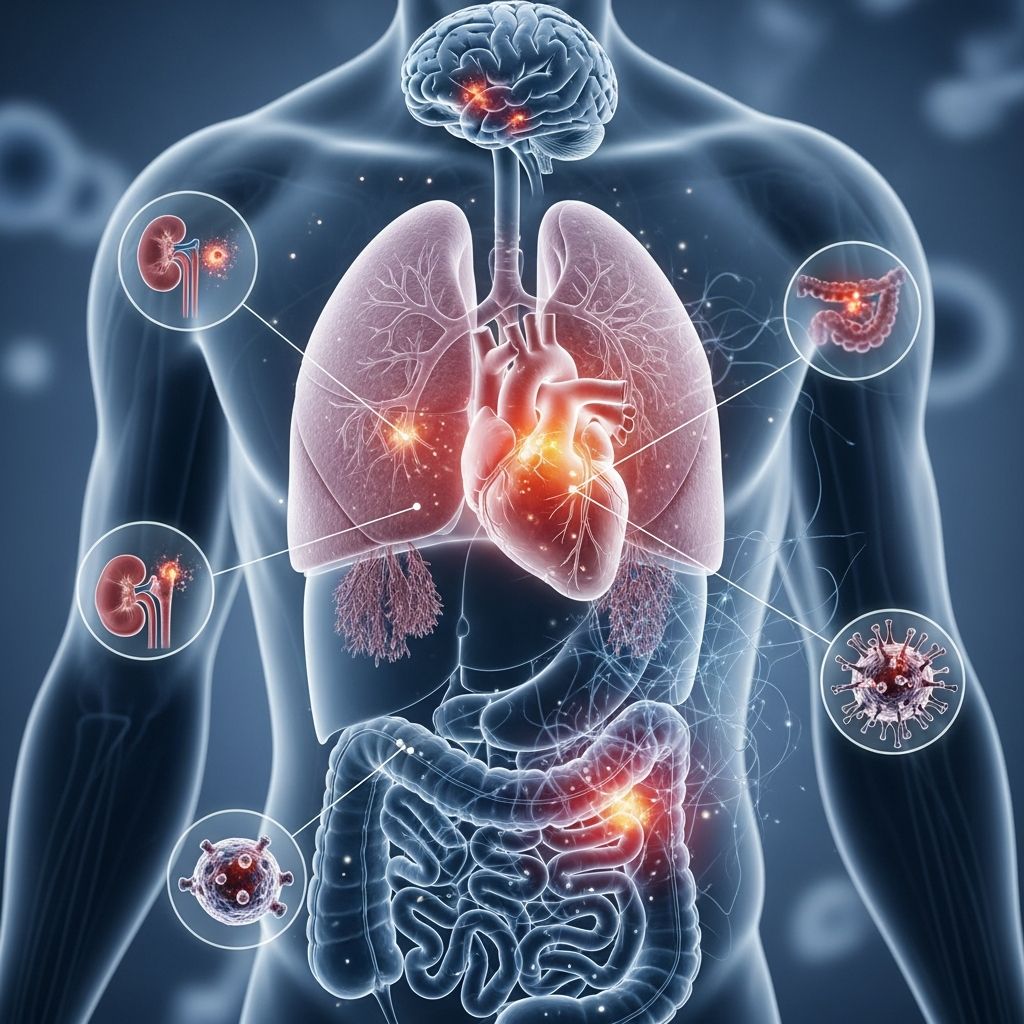
One of the most striking findings from recent research is the breadth of organ systems affected by long-term flu complications. While the flu is often thought of as primarily a respiratory illness, its long-term effects can extend throughout the body.
Respiratory System Complications
The respiratory system bears the brunt of long-term flu effects. The flu poses higher risks to the pulmonary system than many other viral infections. Long-term respiratory complications can include persistent coughing, reduced lung function, and chronic airway problems. Some patients develop acute respiratory distress syndrome, a severe condition requiring intensive medical care. Others experience lingering weakness in the respiratory muscles, leading to reduced exercise capacity and fatigue even months after the initial infection.
Related Stories



Cardiovascular Effects
The heart and circulatory system can be significantly impacted by severe influenza. Infection of the heart muscle (myocarditis) or heart lining (pericarditis) may occur after flu infection. These complications can lead to long-term heart problems, including arrhythmias, reduced heart function, and increased risk of future cardiovascular events. Patients with pre-existing heart disease face particularly elevated risks of serious cardiac complications.
Secondary Infections
The flu weakens the immune system’s ability to fight off other pathogens, making patients susceptible to secondary infections. These can include bacterial pneumonia, sinus infections, ear infections, and croup. These secondary infections often require antibiotic treatment and can prolong overall recovery time, sometimes triggering additional complications.
Neurological Complications
Less commonly recognized but potentially serious, the flu can affect the central nervous system. Cases of encephalitis, meningitis, and other neurological conditions have been documented following influenza infection. These complications require prompt medical attention and can result in lasting neurological effects.
Extended Risks in the Post-Acute Phase
A critical insight from recent research involves the timeline of risks. In both COVID-19 and flu infections, more than half of death and disability occurred in the months after infection as opposed to the first 30 days, which is known as the acute phase. This means the period immediately following hospital discharge represents a crucial window when patients remain at significant risk for serious complications.
During an 18-month study period, patients hospitalized for either COVID-19 or seasonal influenza faced an increased risk of death, hospital readmission, and health problems in many organ systems. This finding challenges the common assumption that people are safe once they leave the hospital, emphasizing the need for careful monitoring and follow-up care during the recovery period.
Complications and Worsening Conditions
For patients with pre-existing chronic illnesses, the flu can trigger severe worsening of their conditions. A person with asthma might experience a dramatic exacerbation requiring hospitalization. Diabetic patients might struggle with blood sugar control for months. Those with kidney disease might experience a decline in kidney function from which they never fully recover. These worsening conditions represent some of the most impactful long-term consequences of influenza infection.
Additional serious complications that can develop include:
- Rhabdomyolysis (muscle damage)
- Myositis (muscle swelling and inflammation)
- Toxic shock syndrome
- Persistent fatigue and weakness lasting weeks or months
Prevention: The Most Effective Strategy
Given the potentially serious long-term consequences of influenza, prevention through vaccination emerges as the most important protective measure. Annual flu vaccination is recommended for everyone age 6 months and older to help reduce the risk of flu-related complications. Although the vaccine isn’t 100% effective, it significantly lowers the chances of having severe complications from the flu, particularly for people at high risk.
For vulnerable populations—including the elderly, people with chronic health conditions, very young children, and immunocompromised individuals—vaccination becomes especially critical. The vaccine’s benefits extend beyond preventing infection; even when vaccinated people do contract the flu, their illness tends to be milder with fewer complications and shorter duration.
Other Prevention Strategies
In addition to vaccination, several measures can help prevent influenza transmission:
- Regular handwashing with soap and water
- Cleaning and disinfecting frequently touched surfaces
- Maintaining good air circulation in indoor spaces
- Practicing respiratory etiquette (covering coughs and sneezes)
- Staying home when sick to avoid spreading the virus to others
Duration of Contagiousness and Transmission
Understanding how long people remain contagious is important for preventing spread. Most people can spread the flu virus from about one day before symptoms appear until about 5 to 7 days after they start. Children and people with weakened immune systems may remain contagious for a longer period. This extended contagious period means that people who feel slightly better may still be transmitting the virus to others, making isolation precautions essential during the acute illness phase.
Recovery and Management
For young, healthy individuals without chronic conditions, the flu usually isn’t serious and resolves within a week or two with no lasting effects. However, this doesn’t apply to higher-risk populations. Those who have been hospitalized with the flu should understand that recovery extends well beyond hospital discharge. Careful monitoring for new symptoms, regular follow-up appointments with healthcare providers, and gradual return to normal activities are essential components of the recovery process.
Patients should watch for warning signs during the recovery period, including persistent or worsening cough, chest pain, severe shortness of breath, confusion, or unusual symptoms in any organ system. Early recognition and treatment of complications can significantly improve outcomes.
The Importance of Ongoing Research
Research comparing the long-term health effects of various viral infections continues to evolve. While COVID-19 showed greater overall risk of health loss than seasonal influenza, with COVID-19 patients exhibiting increased risk of 68% of health conditions examined across all organ systems compared to the flu’s 6%, both viruses carry significant risk of disability and disease. This underscores that no respiratory virus should be trivialized, and all serious viral infections warrant appropriate medical attention and monitoring.
Frequently Asked Questions
Q: Can the flu cause permanent damage?
A: Yes, in some cases the flu can cause permanent damage, particularly to the respiratory system or in patients with pre-existing chronic conditions. Even when damage isn’t permanent, recovery can take months, and some patients experience reduced lung function or exercise capacity long-term.
Q: How long does it take to recover from the flu?
A: Most healthy people recover from uncomplicated flu within one to two weeks. However, recovery from severe flu requiring hospitalization can take weeks to months, with some patients experiencing fatigue and weakness for extended periods.
Q: Is the flu vaccine safe for people with chronic conditions?
A: Yes, the flu vaccine is safe and strongly recommended for people with chronic conditions. In fact, these individuals benefit most from vaccination, as it significantly reduces their risk of severe complications.
Q: What should I do if I think I have the flu?
A: Contact your healthcare provider promptly, especially if you’re at high risk for complications. Early antiviral treatment may reduce symptom severity and duration. Stay home, stay hydrated, and avoid spreading the virus to others.
Q: Can I get the flu more than once in a season?
A: Yes, it’s possible to get the flu more than once in a season if you’re exposed to different influenza virus strains, though this is relatively uncommon.
References
- Long Flu Has Emerged as a Consequence Similar to Long COVID-19 — Washington University School of Medicine in St. Louis. 2024-12-14. https://medicine.washu.edu/news/long-flu-has-emerged-as-a-consequence-similar-to-long-covid-19/
- Flu and Chronic Health Conditions — National Foundation for Infectious Diseases (NFID). https://www.nfid.org/infectious-diseases/flu-and-chronic-health-conditions/
- Influenza (Flu) – Symptoms and Causes — Mayo Clinic. https://www.mayoclinic.org/diseases-conditions/flu/symptoms-causes/syc-20351719
Similar Articles








Read full bio of Sneha Tete