Can You Get Sick From The Flu Shot? Answers & Key Facts
Debunking myths: Does the flu shot cause illness or just a cold? Expert insights on vaccine safety and effectiveness.
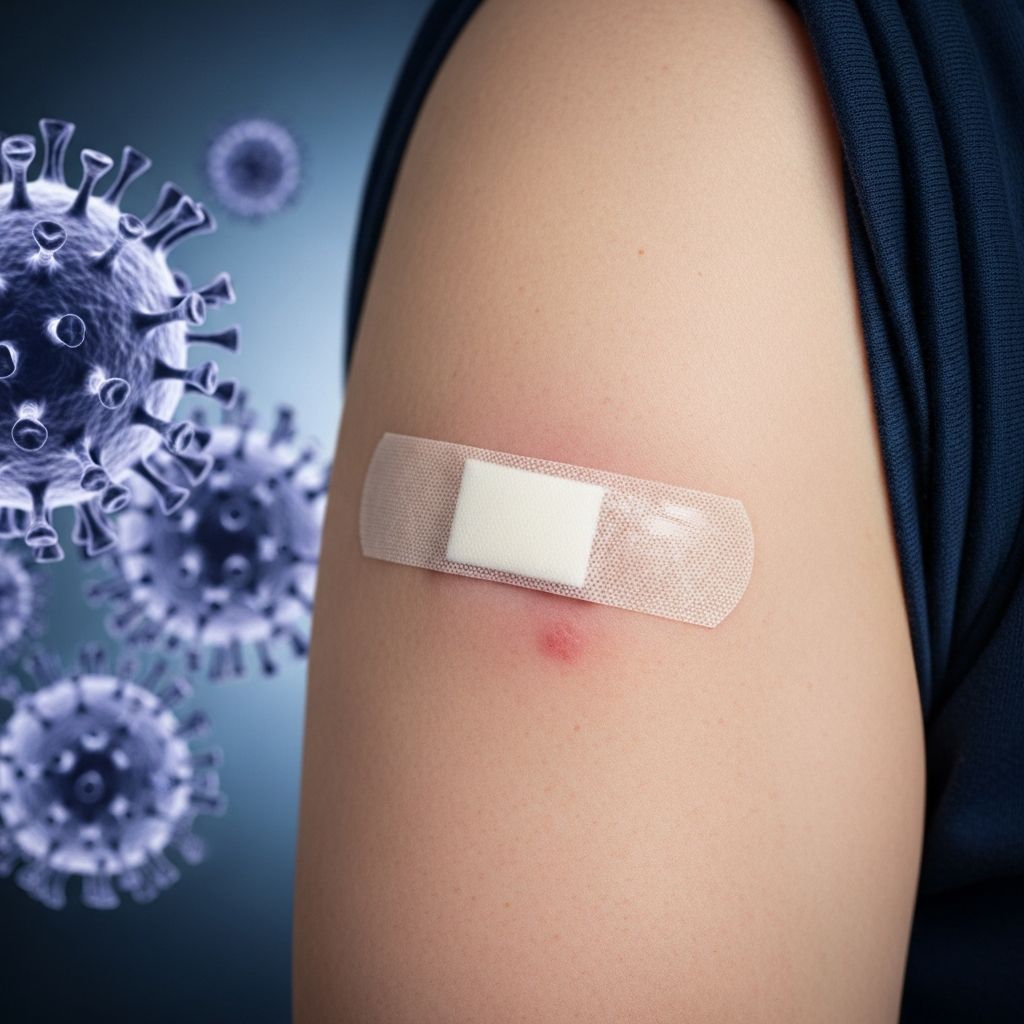
The flu shot is one of the most effective tools for preventing influenza, but many people wonder if it can make them sick with the flu or a cold. This article addresses common concerns, explains how the vaccine works, and provides evidence-based answers to help you make informed decisions about flu vaccination.
Understanding the Flu Shot and Influenza
Influenza, commonly known as the
flu
, is a highly contagious respiratory illness caused by influenza viruses that infect the nose, throat, and lungs. Unlike the common cold, which is typically milder and caused by different viruses like rhinoviruses, the flu can lead to severe complications such as pneumonia, hospitalization, or even death, particularly in vulnerable populations. The flu shot, or influenza vaccine, is designed to protect against the most prevalent strains circulating each season.Each year, health authorities like the CDC and WHO monitor global flu activity to predict dominant strains and formulate updated vaccines. These vaccines contain inactivated or weakened virus components that cannot cause infection but train the immune system to recognize and fight the real virus if exposed. Studies show flu vaccination prevents millions of illnesses, doctor’s visits, hospitalizations, and deaths annually—for instance, in the 2019-2020 season, it averted an estimated 7 million illnesses and 100,000 hospitalizations.
Does the Flu Shot Give You the Flu?
A common myth is that the flu shot causes the flu. This is not possible. Flu shots contain inactivated viruses or proteins that cannot replicate or cause illness. Nasal spray vaccines use live attenuated viruses that are weakened and cannot infect the lungs or cause full-blown flu.
If you feel sick after vaccination, it’s rarely the flu. Possible explanations include:
- Vaccine reaction: Mild symptoms like low-grade fever, muscle aches, or fatigue occur in some people as the immune system produces antibodies. These typically resolve in 1-2 days.
- Two-week window: Full protection takes about two weeks. Exposure during this period can lead to flu despite vaccination.
- Mismatched strains: If circulating viruses differ from vaccine strains, effectiveness drops (22-56% historically), but partial protection remains.
- Other illnesses: Colds, COVID-19, or RSV mimic flu symptoms but are caused by unrelated viruses.
Research confirms no evidence links flu vaccines to increased respiratory infections.
Can the Flu Shot Give You a Cold?
The flu shot targets influenza viruses specifically and has no effect on cold-causing viruses like rhinoviruses or coronaviruses. Colds are common year-round, so coincidence often leads to this misconception. Vaccination does not weaken immunity against other pathogens; mild side effects indicate an active immune response.
Post-vaccination colds likely stem from unrelated exposures. Flu vaccines reduce overall respiratory illness burden by preventing flu, indirectly lowering complication risks.
Why Get the Flu Shot Every Year?
Flu viruses mutate rapidly, requiring annual updates. Immunity wanes over time, so revaccination ensures protection against new strains. Antibodies from prior vaccines may not cover current variants.
Related Stories



| Reason | Explanation |
|---|---|
| Virus Mutation | Strains change yearly; vaccines are reformulated based on global surveillance. |
| Waning Immunity | Antibody levels decline, reducing effectiveness over months. |
| Seasonal Protection | Matches predicted dominant strains for peak flu season. |
Who Should Get the Flu Shot?
The CDC recommends annual flu vaccination for everyone 6 months and older without contraindications. Priority groups at higher risk include:
- Adults over 65
- Young children under 5, especially 6-24 months
- Pregnant individuals or those up to 2 weeks postpartum
- People with chronic conditions (asthma, heart disease, diabetes, etc.)
- Residents of nursing homes
- Healthcare workers and caregivers
- Immunocompromised individuals (high-dose vaccines available)
For high-risk adults, enhanced vaccines like high-dose or adjuvanted options boost immune response. Vaccination during pregnancy protects both mother and newborn.
Flu Vaccine Effectiveness and Benefits
Vaccine effectiveness varies (22-56% since 2009) but consistently reduces severe outcomes. Key benefits:
- Prevents illness: 40-60% reduction in doctor visits when well-matched.
- Lowers severity: Vaccinated hospitalized patients have 26-59% lower ICU/death risk.
- Reduces hospitalizations: Averted 100,000 in 2019-2020; 82% ICU risk drop in some studies.
- Protects chronic patients: Fewer cardiac events, COPD exacerbations, diabetes complications.
- Saves children’s lives: 75% reduced severe flu risk; 41% fewer hospitalizations.
Even partial protection means milder illness and fewer complications.
Side Effects of the Flu Shot
Most people experience no side effects. Common mild ones (1-2 days):
- Soreness at injection site
- Low fever
- Muscle aches
- Fatigue
Serious reactions are rare (e.g., Guillain-Barré syndrome: 1-2 extra cases per million). Benefits far outweigh risks.
Who Should Not Get the Flu Shot?
Contraindications include:
- Severe allergy to vaccine components (e.g., eggs in some formulations)
- History of Guillain-Barré within 6 weeks of prior vaccination
- Moderate/severe illness (delay until recovery)
- For nasal spray: Children 2-49, pregnant people, immunocompromised contacts
Consult a doctor for personalized advice.
Frequently Asked Questions (FAQs)
Can the flu shot cause the flu?
No, flu shots use inactivated components unable to cause infection. Symptoms are immune responses or coincidences.
Why do I feel sick after the flu shot?
Mild side effects like fever or aches signal antibody production. True flu takes 2 weeks to prevent.
Is the flu shot safe during pregnancy?
Yes, it’s recommended and protects newborns.
How effective is the flu vaccine?
22-56% against infection, but significantly reduces severity, hospitalizations, and deaths.
Do I need the flu shot if I got it last year?
Yes, due to viral changes and waning immunity.
Can kids get the flu shot?
Yes, from 6 months; lifesaving for children.
This comprehensive guide, informed by leading health authorities, emphasizes the flu shot’s role in public health. Get vaccinated early each season for optimal protection.
References
- Flu shot: Your best bet for avoiding influenza — Mayo Clinic Staff. 2023-10-05. https://www.mayoclinic.org/diseases-conditions/flu/in-depth/flu-shots/art-20048000
- How the Flu Shot Works—and Why It Can Help — Denver Health Medical Plan. 2023-09-12. https://www.denverhealthmedicalplan.org/blog/how-flu-shot-works-and-why-it-can-help
- Benefits of the Flu Vaccine — Centers for Disease Control and Prevention (CDC). 2024-08-15. https://www.cdc.gov/flu-vaccines-work/benefits/index.html
Similar Articles








Read full bio of medha deb