Flu Shot Side Effects: 10 Reactions And How Long They Last
Understanding common and rare flu vaccine side effects, when to worry, and how to manage them effectively for the 2025-2026 season.
The flu shot is one of the most effective ways to prevent influenza, a contagious respiratory illness that hospitalizes hundreds of thousands annually. While generally safe, it can cause side effects ranging from mild and temporary to rare and serious. These reactions signal your immune system building protection against the flu virus. Most resolve within 1-2 days without intervention.
For the 2025-2026 flu season, vaccines are updated to target circulating strains, maintaining a strong safety profile backed by decades of data. Common side effects mimic mild flu symptoms but cannot cause actual influenza, as shots contain inactivated viruses or proteins.
What Are Flu Shot Side Effects?
Flu shot side effects occur as your body mounts an immune response to vaccine antigens. Local reactions at the injection site are most frequent, followed by systemic symptoms like fatigue. These are normal and indicate efficacy, not illness.
Serious adverse events are exceedingly rare, affecting fewer than 1 in a million doses for severe allergies. Understanding these helps alleviate vaccine hesitancy, a common barrier cited by the American Medical Association.
Common Flu Shot Side Effects
Up to 50% of recipients experience mild effects, primarily:
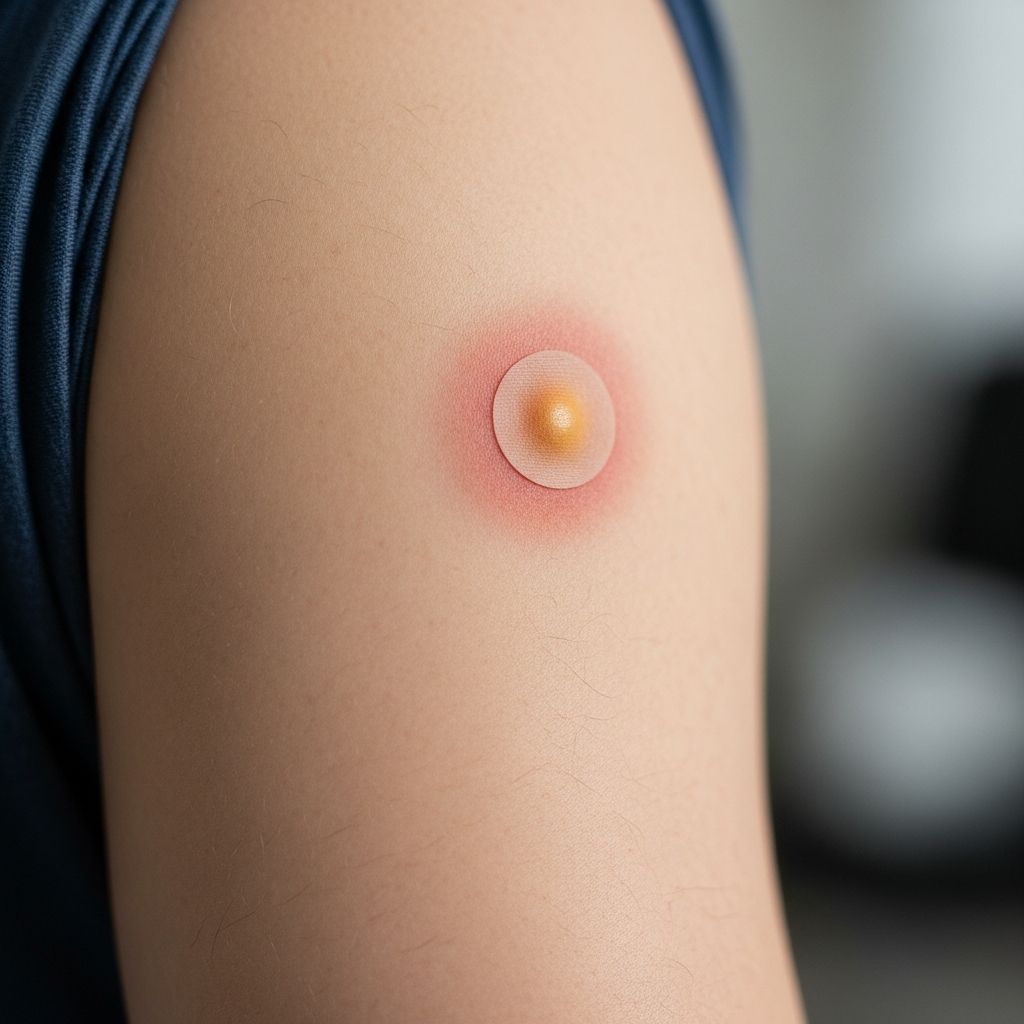
- Pain, redness, or swelling at the injection site: Affects the arm muscle, peaking 6-12 hours post-shot and fading in 1-2 days. Ice, elevation, and OTC pain relievers like acetaminophen help.
- Fatigue: General tiredness from immune activation, lasting 24-48 hours. Rest and hydration accelerate recovery.
- Muscle aches: Localized or body-wide soreness, often confused with flu but impossible from inactivated vaccines. Mirrors natural healing inflammation.
- Headache: Mild to moderate, responsive to ibuprofen or rest.
- Low-grade fever: Under 100.4°F (38°C), signaling antibody production. Not dangerous unless persistent.
- Nausea or chills: Brief gastrointestinal upset or shivering, self-limiting.
These mimic early flu but stem from vaccine response, not live virus replication.
How Long Do Flu Shot Side Effects Last?
Most common effects peak within 24 hours and resolve in 1-2 days. Injection site soreness may linger slightly longer but rarely exceeds a week. If symptoms persist beyond 48 hours or worsen, consult a healthcare provider to rule out unrelated issues.
| Side Effect | Typical Onset | Duration | Management |
|---|---|---|---|
| Pain/Redness at Site | Hours after shot | 1-2 days | Ice, acetaminophen |
| Fatigue/Muscle Aches | 6-24 hours | 1-2 days | Rest, hydration |
| Headache/Fever | 12-24 hours | 24 hours | OTC pain relievers |
Data from GoodRx and Ochsner Health confirm these timelines for quadrivalent vaccines like Fluzone.
Rare Flu Shot Side Effects
While uncommon, monitor for these:
- Fainting (syncope): Vasovagal response to needles, not vaccine-specific. Sit or lie down post-shot.
- Severe allergic reaction (anaphylaxis): Occurs in <1/million doses, within minutes. Symptoms: hives, swelling, breathing difficulty, rapid heartbeat. Seek emergency care; wait 15 minutes post-vaccination.
- Febrile seizures in children: Fever-triggered, slight risk only if co-administered with DTaP or pneumococcal vaccines. Isolated flu shots pose no elevated risk.
- Guillain-Barré Syndrome (GBS): Autoimmune nerve damage, 1-2 cases per million doses. Temporary weakness; baseline flu risk far higher. Consult if prior GBS.
Can the Flu Shot Give You the Flu?
No. Injectable flu shots use inactivated (killed) viruses or recombinant proteins incapable of replication. Nasal sprays use weakened live viruses that don’t cause illness in healthy people. Flu-like symptoms are immune responses, not infection.
Related Stories



Post-vaccination illness may result from:
- Coincidental non-flu viruses (e.g., colds).
- Exposure before 2-week immunity onset.
- Mild vaccine reaction mistaken for flu.
CDC data: Influenza hospitalizes 140,000-710,000 yearly; vaccines prevent most severe cases.
Who Should Avoid the Flu Shot?
Contraindications are few:
- History of severe allergic reaction to flu vaccine components (e.g., egg proteins in some formulations, though egg-allergic individuals can safely receive any licensed vaccine).
- Prior GBS within 6 weeks of vaccination—discuss risks/benefits.
Precautions (consult provider):
- Moderate/severe acute illness (delay until recovery).
- Children on aspirin (Reye’s syndrome risk with live vaccines).
- Immunocompromised individuals (may need special formulations).
Egg allergies no longer restrict options; any flu vaccine is safe.
Managing Flu Shot Side Effects
Home care suffices for most:
- Pain relief: Acetaminophen or ibuprofen; avoid aspirin in kids.
- Site care: Cool compresses 20 min/hour; gentle movement.
- Systemic symptoms: Hydrate, rest, light meals.
- When to call doctor: Fever >101°F, symptoms >2 days, breathing issues, severe swelling.
No evidence vaccines increase non-flu respiratory risks.
Flu Shot Side Effects in Children vs. Adults
Children may experience higher fever/muscle ache rates due to robust immune responses. Adults report more soreness. Both groups see similar resolution times. Pediatric febrile seizures are rare and vaccine-combination specific.
| Group | Common Effects | Rare Risks |
|---|---|---|
| Adults | Soreness, fatigue, headache | GBS, anaphylaxis |
| Children | Fever, aches, fussiness | Febrile seizures (combo shots) |
Benefits Outweigh Risks
Flu vaccination reduces hospitalization risk by 40-60%, averting severe outcomes. Side effects pale against influenza’s toll: muscle weakness, pneumonia, death. Annual shots are recommended for ages 6 months+.
Frequently Asked Questions (FAQs)
Are flu shot side effects worse this year?
No, 2025-2026 vaccines match prior safety profiles; mild effects predominate.
Can I get the flu shot if egg-allergic?
Yes, any licensed flu vaccine is safe regardless of egg reaction severity.
Does the flu shot weaken immunity?
No; it primes defenses. Symptoms are protective response, not weakness.
What if side effects last over 2 days?
Contact your provider; could indicate unrelated illness.
Is the nasal flu vaccine riskier?
It uses weakened virus; side effects similar but includes runny nose. Avoid if immunocompromised.
Should pregnant people get it?
Yes, recommended any trimester for maternal/infant protection.
This comprehensive guide empowers informed vaccination. Consult healthcare pros for personalized advice.
References
- Common and Rare Side Effects of the Flu Vaccine — GoodRx. 2024. https://www.goodrx.com/fluzone-quadrivalent/fluzone-quadrivalent-side-effects
- What Are the Flu Shot Side Effects for the 2025-2026 Flu Season? — Ochsner Health Blog. 2025. https://blog.ochsner.org/articles/what-are-the-flu-shot-side-effects/
- 6 Reasons Patients Avoid Flu Vaccination — American Medical Association. 2024. https://www.ama-assn.org/public-health/infectious-diseases/6-reasons-patients-avoid-flu-vaccination
- Flu Shot: Your Best Bet for Avoiding Influenza — Mayo Clinic. 2025-01-10. https://www.mayoclinic.org/diseases-conditions/flu/in-depth/flu-shots/art-20048000
Similar Articles








Read full bio of Sneha Tete