Flu Test: 5 Key Types, Accuracy, And When To Use Them
Everything you need to know about flu tests: types, accuracy, when to get tested, and how they work to diagnose influenza quickly and reliably.
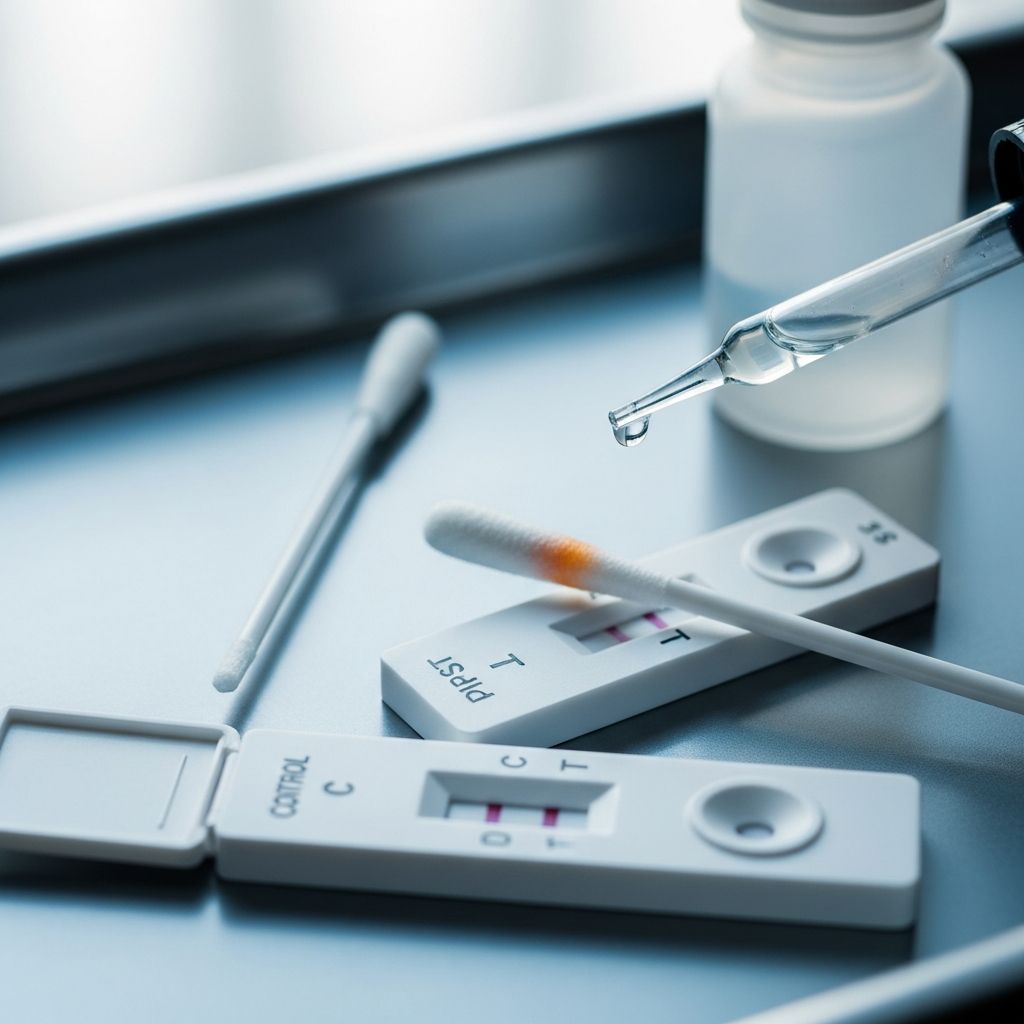
Flu tests are diagnostic tools used to detect influenza viruses in respiratory samples, helping healthcare providers confirm cases, guide treatment, and distinguish flu from other illnesses like COVID-19. These tests range from rapid point-of-care options to lab-based molecular assays, each with varying speed and accuracy.
What Is a Flu Test?
A
flu test
confirms the presence of influenza A or B viruses, which cause seasonal flu—a contagious respiratory illness affecting the nose, throat, and lungs. Testing is crucial during outbreaks to initiate antivirals like oseltamivir within 48 hours of symptoms for best results, especially in high-risk groups such as older adults, pregnant people, or those with chronic conditions.Symptoms like fever, cough, sore throat, fatigue, and body aches often prompt testing, but clinical diagnosis alone suffices for mild cases in flu season without needing a test.
Types of Flu Tests
There are several
types of flu tests
, categorized by method: antigen detection, molecular assays, immunofluorescence, viral culture, and serology. Each balances speed, accuracy, and cost differently.Rapid Influenza Diagnostic Tests (RIDTs or Rapid Antigen Tests)
**Rapid antigen tests** detect flu viral proteins in respiratory samples, providing results in 10-15 minutes without lab processing. They are point-of-care tests showing color changes or digital readouts.
Pros: Fast and convenient for clinics or pharmacies. Cons: Lower sensitivity (50-70%), prone to false negatives, especially early or late in infection.
Rapid Molecular Assays
These combine antigen speed with molecular precision, detecting viral RNA in 15-30 minutes. Examples include ID NOW or Cepheid GeneXpert systems.
They offer higher accuracy (90-95% sensitivity) than RIDTs, ideal for urgent care settings.
RT-PCR and Other Molecular Tests
**Reverse transcription-polymerase chain reaction (RT-PCR)** is the gold standard, amplifying viral genetic material for detection. Results take 1-8 hours or more if batched in labs.
RT-PCR subtypes viruses (e.g., H1N1, H3N2) and multiplexes for RSV or SARS-CoV-2. Sensitivity exceeds 95%, but it’s costlier and slower.
Immunofluorescence Tests
These use antibodies with fluorescent dyes on samples, analyzed under microscopes in 1-4 hours. Sensitivity varies (70-90%), used in hospitals.
Viral Culture
The definitive test grows live virus in labs over 3-10 days. Rarely used clinically due to delay, mainly for research or surveillance.
Serology Tests
Blood-based tests measure antibodies for past infections, not acute diagnosis. Useful for epidemiology.
Flu Test Accuracy Comparison
Accuracy varies significantly. Molecular tests outperform antigen tests, but all can miss low-viral-load cases.
| Test Type | Sensitivity | Specificity | Time to Results |
|---|---|---|---|
| Rapid Antigen (RIDT) | 50-70% | 90-95% | 10-15 min |
| Rapid Molecular | 90-95% | 95-99% | 15-30 min |
| RT-PCR | >95% | 99% | 1-8 hours |
| Immunofluorescence | 70-90% | 90-95% | 1-4 hours |
| At-Home RDT (e.g., Ellume) | 61% overall (60% A, 65% B) | 95% | 15 min |
Related Stories



Note: Sensitivity drops with symptom duration >4 days or mild cases. CDC recommends confirmatory testing for negatives in high-risk patients.
How Flu Tests Work
Flu tests target influenza’s surface proteins or genome in respiratory secretions.
Sample Collection
- Nasal swab: Mid-turbinate or anterior nares swab, least invasive.
- Nasopharyngeal (NP) swab: Deep nose sample, gold standard for accuracy.
- Throat swab: Less sensitive, used with nasal.
- Nasal wash/aspirate: For infants or severe cases.
Collection takes seconds; patients may feel discomfort.
Testing Process
For rapid tests: Sample mixed with reagents on a strip; reaction produces visible lines like pregnancy tests. Molecular tests extract RNA, reverse-transcribe to cDNA, amplify via PCR cycles, and detect fluorescence.
Where to Get a Flu Test
- Doctor’s office/Urgent care: Most common, offers rapid and molecular.
- Hospitals/ER: For severe cases, multiplex panels.
- Pharmacies (e.g., CVS, Walgreens): At-home kits or on-site rapid tests.
- Drive-thru sites: During peaks, combined with COVID testing.
At-Home Flu Tests
**At-home options** surged post-COVID. Two categories:
- Self-tests (RIDTs): Swab, test, read in 15 min (e.g., Ellume). Study showed 61% sensitivity vs. lab RT-PCR, better for influenza A.
- Self-collection: Swab mailed to lab for RT-PCR, results in days.
Pros: Convenient. Cons: Lower accuracy; confirm positives clinically.
Who Needs a Flu Test?
Testing is prioritized for:
- Severe symptoms or hospitalization.
- High-risk groups (age >65, <5, pregnant, immunocompromised).
- Antiviral candidates.
- Outbreaks in facilities.
- Differentiating from COVID/RSV.
Mild community cases often don’t require testing if flu is circulating.
Frequently Asked Questions (FAQs)
What is a rapid flu test?
A rapid flu test, or RIDT, detects viral antigens in 10-15 minutes but has 50-70% sensitivity.
How accurate are at-home flu tests?
A 2020 study found 61% sensitivity and 95% specificity for an at-home RDT vs. RT-PCR.
Can a flu test detect COVID-19?
Some multiplex panels do; standalone flu tests don’t.
How long after symptoms should I test?
Within 4 days for best detection; viral load peaks early.
Is a negative rapid test conclusive?
No—false negatives common; consider molecular test or clinical judgment.
When Are Flu Tests Not Necessary?
Skip testing for mild symptoms in flu season if antivirals aren’t planned. Empiric treatment based on epidemiology is standard.
References
- Flu Tests — Blanket Health. 2023. https://myblankethealth.com/flu-tests/
- Diagnostic Accuracy of an At-Home, Rapid Self-test for Influenza — PMC/NCBI. 2022-03-01. https://pmc.ncbi.nlm.nih.gov/articles/PMC8905479/
- Influenza Tests — Testing.com. 2024. https://www.testing.com/influenza-testing/
- How long does a flu test take? — Medical News Today. 2023-10-20. https://www.medicalnewstoday.com/articles/how-long-does-a-flu-test-take
- About Influenza (Flu) — CDC. 2024-09-11. https://www.cdc.gov/flu/about/index.html
Similar Articles








Read full bio of Sneha Tete