Flu Vaccines And Eczema: Safe Choices And Injection Tips
Discover if flu shots are safe for eczema patients, optimal administration methods, and strategies to minimize risks and flares effectively.
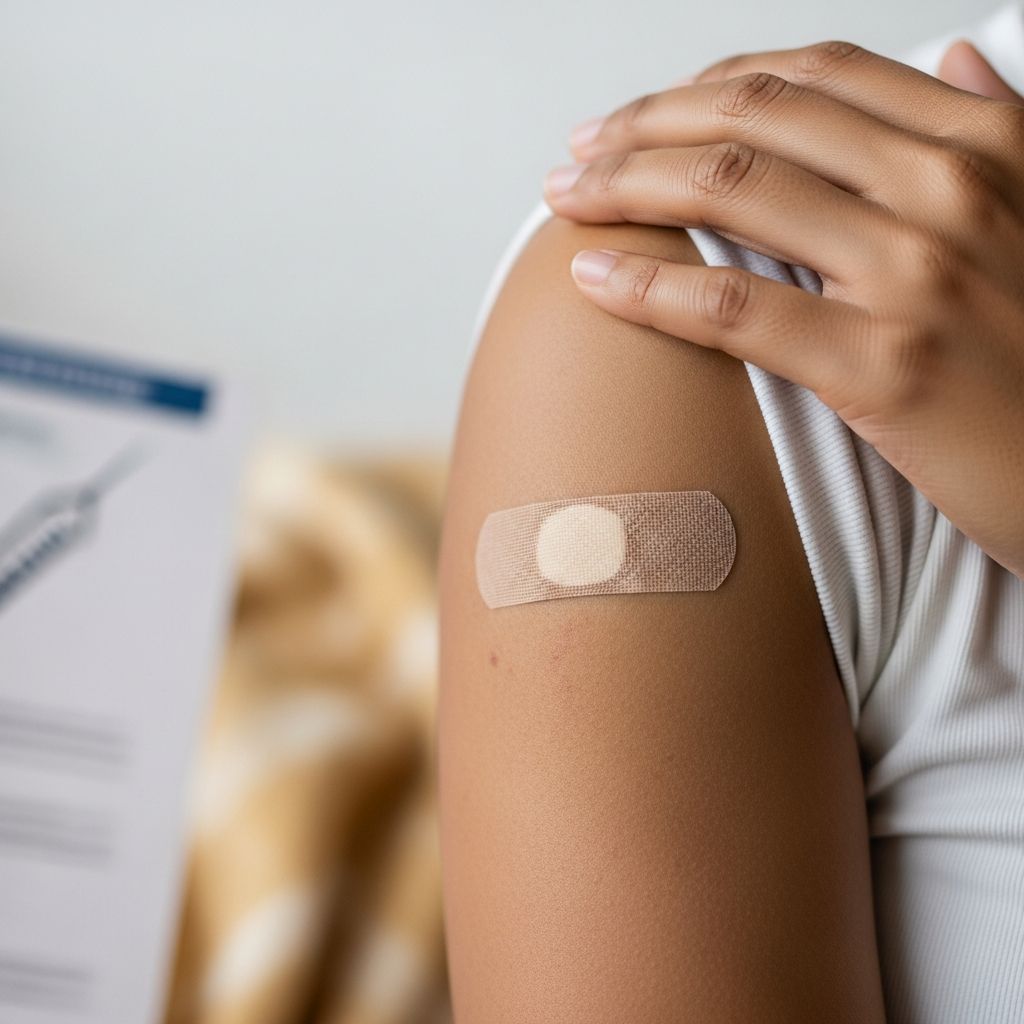
Individuals with eczema, clinically known as atopic dermatitis (AD), often face unique challenges when considering vaccinations like the annual flu shot. Their skin barrier is compromised, leading to heightened infection risks and altered immune responses, yet immunization remains crucial for preventing severe influenza complications. This comprehensive guide examines vaccine types, administration methods, research findings, and practical advice to help those with eczema make informed decisions.
Understanding Eczema’s Impact on Immunity
Eczema disrupts the skin’s protective barrier, allowing allergens and pathogens to penetrate more easily. This condition triggers an overactive inflammatory response from the immune system, which doctors often manage with immunosuppressive therapies. Such treatments can further dampen immunity, creating vulnerability to infections like influenza.
People with AD are particularly susceptible to bacterial skin infections, notably from Staphylococcus aureus (staph), which colonizes the skin in many cases. This colonization can interfere with immune function, complicating responses to vaccines. Despite these factors, health authorities emphasize that vaccination benefits outweigh risks for most eczema patients.
Vaccine Types: Inactivated vs. Live Options
Flu vaccines come in two main categories: inactivated (killed) and live attenuated. Inactivated vaccines contain non-viable virus particles, posing no replication risk, making them suitable for immunocompromised individuals, including those on eczema treatments.
Live vaccines, like the nasal spray version, use weakened live viruses and are contraindicated for people with weakened immunity. Household contacts should also avoid live vaccines to prevent transmission. The Centers for Disease Control and Prevention (CDC) prioritizes inactivated injectable flu shots for broader safety.
- Inactivated vaccines: Safe for eczema patients; administered via injection.
- Live attenuated vaccines: Avoid if immunocompromised; nasal spray form not recommended.
Injection Methods: Intramuscular vs. Intradermal
Injectable flu shots differ in delivery: intramuscular (into the muscle, typically the upper arm) and intradermal (into the skin’s dermis layer). Intradermal shots use smaller needles and less antigen (40% reduction), enabling dose-stretching during shortages.
Research published in The Journal of Allergy & Clinical Immunology (February 2017) compared responses in AD patients and healthy controls. Both groups showed equivalent antibody production to intradermal shots. However, when pitting intradermal against intramuscular in AD patients, no overall difference emerged—except in those with staph-colonized skin.
AD patients with staph showed reduced responses to two of three flu strains after intradermal vaccination. Since over 40% of eczema cases involve staph, experts like Donald Leung from National Jewish Health recommend intramuscular shots for better efficacy in this group.
| Method | Pros | Cons for Eczema | Recommended? |
|---|---|---|---|
| Intramuscular | Higher efficacy in staph-colonized skin; standard delivery | Slightly larger needle | Yes, preferred |
| Intradermal | Smaller needle; antigen-efficient | Potentially lower response with staph | Use cautiously |
Research Insights on Vaccine Efficacy in Eczema
A study involving 202 eczema patients and 136 controls tested both injection methods. Only 11% of the intradermal group achieved full protection against flu strains after one month, versus 47% in the intramuscular group. Staph presence correlated with poorer intradermal outcomes, as the bacteria may suppress local immune cells.
Related Stories



Other investigations confirm vaccines do not cause eczema but can occasionally trigger flares due to inflammation. Non-live vaccines like flu shots provide vital protection, especially for those on biologics or systemic steroids.
Managing Potential Side Effects and Flares
While safe, flu shots may provoke temporary eczema worsening in a minority. Symptoms like redness or itching at injection sites or elsewhere can arise from the immune activation. Dr. Joy Wan from Johns Hopkins notes flares are manageable and not a reason to skip vaccination.
Pre-vaccination strategies include optimizing skin care: moisturize thoroughly, treat active infections, and consult dermatologists if on immunosuppressants. Post-shot monitoring helps catch flares early.
- Apply thick emollients before and after vaccination.
- Treat staph infections promptly with prescribed antibiotics if needed.
- Schedule dermatologist follow-up for flare-prone individuals.
Special Considerations for Immunosuppressed Patients
Eczema treatments like dupilumab, cyclosporine, or oral steroids weaken immunity, heightening flu severity risks. Annual inactivated flu shots are strongly advised here. Avoid live vaccines entirely.
For children with eczema, routine vaccinations remain safe and effective. Studies show no link between vaccines and eczema onset or asthma development.
Emerging Innovations: Needle-Free Alternatives
Early research from the University of Rochester explores microneedle patches for flu vaccination. These dissolve without traditional needles, temporarily permeating skin barriers without lasting damage. In eczema models, barriers recovered within 24 hours, suggesting promise for sensitive skin, though human trials are pending.
FAQs on Flu Shots and Eczema
Can eczema patients get the flu shot?
Yes, inactivated flu shots are safe and recommended annually.
Should I choose skin or muscle injection?
Opt for intramuscular, especially if staph is present on skin.
Do flu shots worsen eczema?
Rarely; flares are mild and treatable in most cases.
Is the nasal flu vaccine okay for eczema?
No, it’s live and unsuitable for potentially immunocompromised individuals.
What if I’m on eczema biologics?
Consult your doctor; inactivated vaccines are generally fine and beneficial.
Broader Vaccination Advice for Eczema
Beyond flu, COVID-19 and RSV vaccines are safe as non-live options. They protect against respiratory illnesses that exacerbate eczema. Healthline and Medical News Today affirm vaccines’ net benefits, urging adherence to schedules.
In summary, eczema does not preclude flu vaccination; informed choices enhance protection. Discuss with healthcare providers for personalized plans.
References
- Flu Shots and Eczema — National Eczema Association. 2017. https://nationaleczema.org/blog/flu-shots-eczema/
- Needle-Free Flu Vaccine Patch Effective in Early Study — University of Rochester Medical Center (.edu). 2023. https://www.urmc.rochester.edu/news/story/needle-free-flu-vaccine-patch-effective-in-early-study
- Eczema and Vaccines: Answering Your FAQs — Centers for Disease Control and Prevention (via Healthline reference). 2023. https://www.healthline.com/health/asthma/eczema-and-vaccines-answering-your-faqs
- Eczema Could Compromise Flu Shots — Contagion Live (citing National Jewish Health research). 2017. https://www.contagionlive.com/view/eczema-could-compromise-flu-shots
- Flu, COVID, RSV Vaccines and Eczema — National Eczema Association. 2023. https://nationaleczema.org/blog/flu-covid-rsv-vaccines-and-eczema/
Similar Articles








Read full bio of medha deb