How Long Does the Flu Virus Live on Surfaces?
Discover how long influenza viruses survive on everyday surfaces and essential tips to prevent transmission during flu season.
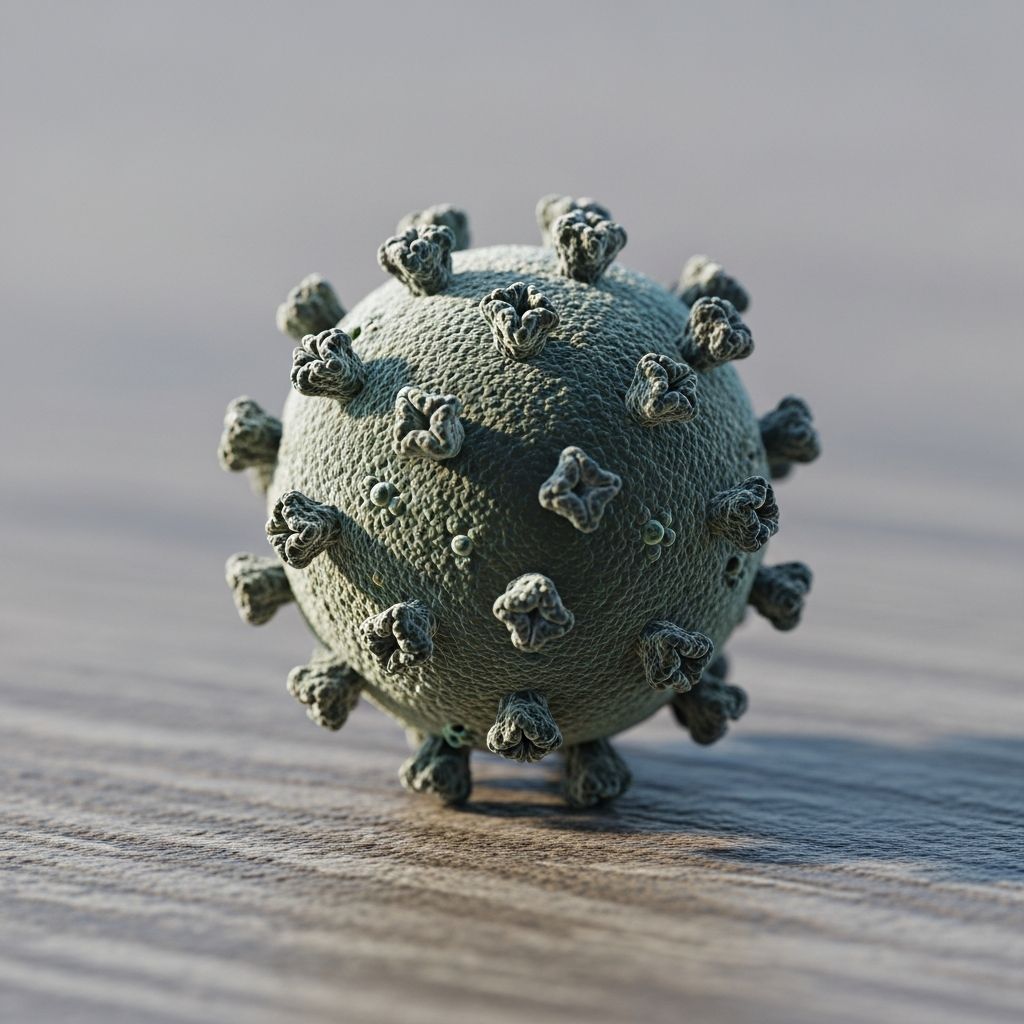
The influenza virus, commonly known as the flu, is highly contagious and can survive outside the body on various surfaces, posing a risk for indirect transmission. Research indicates that flu viruses can remain infectious for 24-48 hours on hard, nonporous surfaces like stainless steel, plastic, and glass, but much shorter periods on porous materials.
How Flu Spreads: Beyond Droplets to Surfaces
While the primary mode of flu transmission is through respiratory droplets from coughing, sneezing, or talking, surface contact—known as fomite transmission—plays a significant role. An infected person can deposit the virus on objects via droplets or direct touch. Subsequent contact by another person, followed by touching their face, allows the virus to enter through the eyes, nose, or mouth.
Studies confirm that measurable quantities of influenza A virus transfer from contaminated stainless steel to hands for up to 24 hours and from tissues for 15 minutes. On hands, the virus remains viable for about 5 minutes, ample time for self-inoculation given average face-touching frequency.
Survival Times on Different Surfaces
Flu virus longevity varies by surface type, with hard, nonporous materials supporting extended survival compared to soft, absorbent ones.
| Surface Type | Examples | Survival Time | Source |
|---|---|---|---|
| Hard, Nonporous | Doorknobs, smartphones, stainless steel, plastic, countertops, elevator buttons | 24-48 hours | |
| Soft, Porous | Fabric, cloth, paper, tissues | <8-12 hours (often minutes to hours) | |
| Hands/Skin | – | ~5 minutes |
These durations represent potential infectivity under lab conditions; real-world viability decreases over time due to drying and environmental exposure.
Factors Influencing Flu Virus Survival
Several environmental factors modulate how long influenza viruses remain infectious outside the host.
- Temperature: Lower temperatures extend survival, as warmth outside the body degrades the virus’s lipid envelope. High temperatures accelerate inactivation.
- Humidity: Low humidity aids aerosolization and surface stability, while high humidity disrupts viral structure.
- Airflow and Sunlight: Ventilation and UV exposure from sunlight rapidly inactivate the virus.
- Virus Load and Strain: Both influenza A and B exhibit similar survival patterns, though heavy contamination prolongs transmission risk.
Indoor winter conditions—cool, dry air—optimize flu persistence, explaining seasonal peaks.
Real-World Transmission Risks from Surfaces
Though droplets account for most cases, fomites contribute, especially in high-traffic areas. For instance, a sneeze-contaminated doorknob remains hazardous for up to two days. Transmission requires viable virus transfer to mucous membranes; risk diminishes post-deposition but persists hours.
Children and immunocompromised individuals shed virus longer (up to 7+ days), heightening surface contamination risks. Peak contagiousness occurs in the first 3 days of symptoms, with infectivity starting ~1 day pre-symptoms.
Prevention: Disrupting Surface Transmission
Effective strategies target both contamination and transfer.
Cleaning High-Touch Surfaces
- Disinfect daily with EPA-approved solutions (e.g., 70% alcohol, bleach wipes) effective against enveloped viruses like influenza.
- Focus on hotspots: doorknobs, light switches, remotes, phones, keyboards, faucets.
- Household bleach (diluted 1:10) or quaternary ammonium disinfectants inactivate flu within minutes.
Related Stories



Hand Hygiene Best Practices
- Wash with soap/water for 20+ seconds, scrubbing all surfaces.
- Use ≥60% alcohol sanitizer when unavailable.
- Avoid face-touching; habit trackers show average 23 touches/hour.
Behavioral Measures
- Stay home ≥24 hours post-fever without antipyretics.
- Cough/sneeze into elbow or tissue; dispose immediately.
- Vaccinate annually; antivirals like oseltamivir reduce shedding if started early.
Combining these reduces household transmission by 40-60%, per CDC guidelines.
Flu Season Context and Vulnerable Groups
Flu season spans October-May in temperate regions, peaking mid-winter when indoor crowding and dry air favor spread. High-risk groups—young children, elderly, pregnant, chronic conditions—face severe outcomes; prioritize vaccination and hygiene.
Frequently Asked Questions (FAQs)
Can you get the flu just from touching a surface?
Yes, if the surface is contaminated with viable virus and you touch your face before washing hands. However, direct droplet exposure is more common.
How long is someone with flu contagious via surfaces?
Contagious 1 day before symptoms to 5-7 days after; surfaces extend risk up to 48 hours post-deposition.
Does hand sanitizer kill flu on surfaces?
Yes, ≥60% alcohol inactivates influenza rapidly; ideal for non-porous items.
Are porous surfaces safe sooner?
Generally yes—flu survives <12 hours on cloth/paper vs. 48 on hard surfaces.
Can flu spread from money or mail?
Possible on paper (short-lived), less on handled currency; wash hands after.
Key Takeaways for Flu Protection
- Flu viruses thrive longest (24-48 hours) on hard surfaces like phones/doorknobs.
- Clean high-touch areas daily; wash hands rigorously.
- Vaccination + hygiene = best defense.
By understanding survival dynamics, you empower proactive prevention, curbing outbreaks effectively.
References
- How Long Can Flu Viruses Survive on Surfaces? — AFC Urgent Care. 2023. https://www.afcurgentcare.com/aurora-havana/blog/how-long-can-flu-viruses-survive-on-surfaces/
- Survival of influenza viruses on environmental surfaces — PubMed/Bean B et al. 1982-04. https://pubmed.ncbi.nlm.nih.gov/6282993/
- How Long Do Flu Germs Live on Surfaces? — Geisinger. 2024-11-27. https://www.geisinger.org/health-and-wellness/wellness-articles/2024/11/27/14/13/how-long-does-flu-live-on-surfaces
- How Does the Flu Spread? — GoodRx. 2024. https://www.goodrx.com/conditions/flu/is-the-flu-airborne
- Cold and flu viruses: How long can they live outside the body? — Mayo Clinic. 2024. https://www.mayoclinic.org/diseases-conditions/flu/expert-answers/infectious-disease/faq-20057907
Similar Articles








Read full bio of medha deb