Flucloxacillin: Clinical Applications and Safety Profile
Comprehensive guide to flucloxacillin antibiotic therapy and infection management

Flucloxacillin, also referred to as floxacillin, stands as a significant pharmaceutical agent in the management of bacterial infections caused by penicillinase-producing microorganisms. This antibiotic belongs to the penicillin family of beta-lactam compounds and has been utilized in clinical practice since its patent in 1961. Unlike many broader-spectrum antibiotics, flucloxacillin represents a narrower-spectrum approach to antimicrobial therapy, making it particularly valuable for targeting specific bacterial species while minimizing disruption to beneficial microorganisms.
What Is Flucloxacillin and How Does It Work?
Flucloxacillin functions as a bactericidal agent, meaning it actively kills bacteria rather than simply inhibiting their growth. The medication achieves this through a well-characterized mechanism of action involving the bacterial cell wall structure. Specifically, flucloxacillin binds to penicillin-binding proteins (PBPs) located within the bacterial cell wall and inhibits the final stages of cell wall synthesis. This disruption of the cross-linkage between peptidoglycan polymer chains—essential structural components of gram-positive bacteria cell walls—ultimately leads to cell lysis and bacterial death.
What distinguishes flucloxacillin from earlier penicillin formulations is its enhanced acid stability, permitting oral administration in addition to injectable routes. This characteristic makes it more practical for patient compliance and outpatient management compared to penicillins requiring parenteral delivery. Furthermore, flucloxacillin demonstrates stability against hydrolysis by numerous beta-lactamases, including penicillinases and extended-spectrum beta-lactamases, conferring resistance to enzymatic bacterial defense mechanisms.
Spectrum of Clinical Applications
Flucloxacillin addresses an extensive range of bacterial infections across multiple anatomical systems. Healthcare practitioners prescribe this antibiotic when targeting infections caused by susceptible gram-positive bacteria, particularly species producing penicillinase enzymes.
Dermatological and Soft Tissue Infections
The skin and subcutaneous tissues represent common sites of flucloxacillin use. This antibiotic effectively treats various dermatological conditions including impetigo, erysipelas, folliculitis, cellulitis, and carbuncles. Additionally, flucloxacillin serves as the preferred choice for lactational mastitis, an inflammatory breast condition frequently encountered in postpartum women. For diabetic patients, flucloxacillin manages foot infections with dosage adjustments calibrated to infection severity—classified as mild, moderate, or severe presentations.
External ear infections, often presenting with otitis externa, also respond favorably to flucloxacillin therapy. The antibiotic’s ability to penetrate affected tissues while maintaining adequate concentrations makes it suitable for these superficial yet troublesome infections.
Bone and Joint Infections
Osteomyelitis, an infection of bone tissue, represents another significant indication for flucloxacillin therapy. Although flucloxacillin exhibits lower-than-optimal drug penetration into bone tissue—achieving ratios of 10–20%—clinical evidence demonstrates its effectiveness in managing bone infections. Healthcare providers may also utilize flucloxacillin for treating joint infections, particularly while awaiting culture and susceptibility results that guide definitive antibiotic selection.
Systemic and Serious Infections
Beyond localized infections, flucloxacillin addresses serious systemic conditions. Respiratory tract infections, including pneumonia, often benefit from flucloxacillin therapy, particularly when combined with other antimicrobial agents. Meningitis, an acute inflammation of the protective membranes surrounding the brain and spinal cord, may be treated with flucloxacillin as part of combination antibiotic regimens. Endocarditis, an infection of the heart’s inner lining, sometimes requires flucloxacillin—potentially at elevated doses exceeding standard dosing protocols.
Related Stories



Flucloxacillin also addresses urinary tract infections, including infections of the bladder and urethra, as well as kidney infections. Furthermore, bacteremia and septicemia—conditions involving bacterial presence and proliferation in the bloodstream—fall within this antibiotic’s therapeutic scope.
Surgical Prophylaxis
An important preventive application involves using flucloxacillin prior to major surgical procedures, particularly cardiac, orthopedic, and pulmonary surgeries. This prophylactic use reduces the risk of perioperative infections caused by Staphylococcus species that may be introduced during surgical intervention.
Limitations and Bacterial Resistance Patterns
Despite its broad clinical utility, flucloxacillin carries important limitations regarding bacterial coverage. The antibiotic remains ineffective against methicillin-resistant Staphylococcus aureus (MRSA), a problematic pathogen that has developed resistance mechanisms bypassing beta-lactam antibiotics. This resistance pattern necessitates alternative antimicrobial selections when MRSA infection is confirmed or suspected.
Additionally, flucloxacillin’s potency against non-beta-lactamase-producing gram-positive bacteria is comparatively lower than benzylpenicillin, though this distinction rarely impacts clinical efficacy in appropriately selected cases.
Adverse Effects and Safety Considerations
Like all medications, flucloxacillin carries potential for adverse reactions ranging from minor gastrointestinal disturbances to serious hepatic complications.
Common Side Effects
The most frequently encountered adverse effects involve the gastrointestinal system. Nausea and vomiting occur in susceptible patients, often manageable through dietary modification—consuming simple meals while avoiding rich or spicy foods. Diarrhea represents another common side effect, requiring adequate fluid intake to prevent dehydration. Muscle or joint pains and mild abdominal discomfort may also occur but typically resolve without intervention.
Serious Adverse Reactions
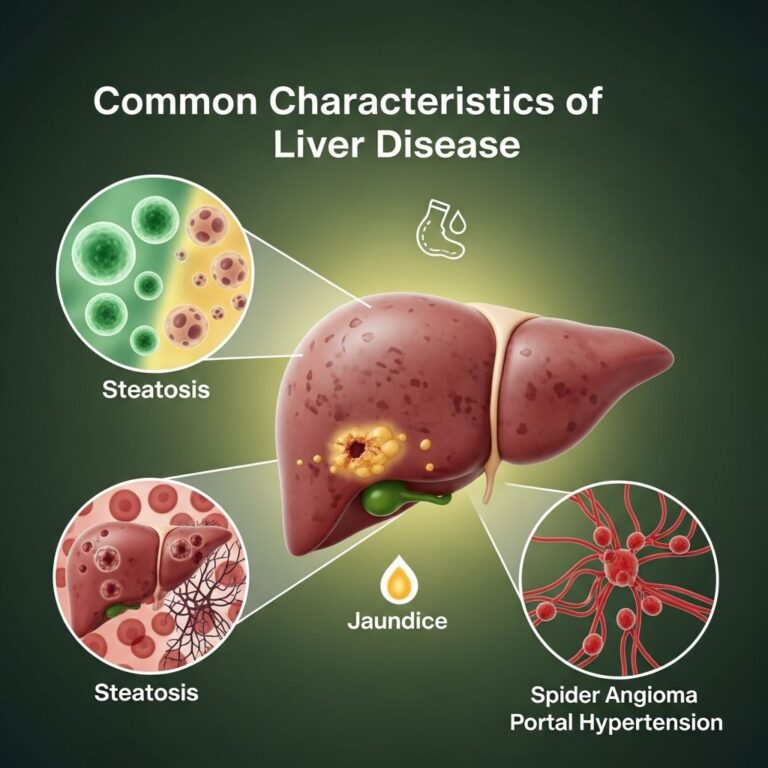
Hepatic complications represent the most clinically significant concern associated with flucloxacillin therapy. Cholestatic jaundice, also termed cholestatic hepatitis, occurs rarely—affecting fewer than 1 in 1,000 people, with an estimated incidence of one in 15,000 exposures. This condition manifests as pale stool accompanied by dark urine and yellowing of the skin and eyes. Notably, hepatic manifestations may appear weeks after completing treatment and require weeks for resolution. Risk factors for this serious reaction include age exceeding 55 years, female gender, and treatment duration exceeding two weeks.
Severe cutaneous reactions, including Stevens-Johnson syndrome with characteristic flushing, fever, blisters, and mucosal ulceration, represent rare but potentially life-threatening complications requiring immediate medical intervention.
Drug Interactions and Special Populations
A notable interaction has been documented between flucloxacillin and therapeutic-dose paracetamol, potentially resulting in serious hepatic toxicity. This interaction may be underreported and warrants careful monitoring when both medications are co-prescribed, particularly in elderly or glutathione-deficient patients.
Flucloxacillin appears safe during pregnancy and breastfeeding based on available evidence, though individual clinical assessment remains essential. However, the medication is absolutely contraindicated in patients with documented penicillin allergy, as cross-reactivity with penicillin-class antibiotics is well-established.
Administration Routes and Dosing Principles
Flucloxacillin offers flexibility in administration through multiple routes. Patients may take oral capsules or tablets for outpatient management of less severe infections. For more serious infections or hospitalized patients, intravenous or intramuscular injection provides rapid systemic delivery and higher drug concentrations.
Dosing protocols vary according to infection type, severity, and patient-specific factors including renal function and age. Healthcare providers establish individualized treatment duration based on clinical response and infection characteristics, though patients should continue treatment through the complete prescribed course even when symptomatic improvement occurs. Premature discontinuation risks incomplete bacterial eradication and infection recurrence.
Comparative Profile and Pharmacokinetic Characteristics
Flucloxacillin shares similar pharmacokinetics, antibacterial activity, and clinical indications with dicloxacillin, making these agents largely interchangeable in clinical practice. However, flucloxacillin demonstrates a higher, though still rare, incidence of severe hepatic adverse effects compared to dicloxacillin. Conversely, flucloxacillin exhibits a lower incidence of renal adverse effects.
Geographic availability differs significantly, with flucloxacillin unavailable in the United States market, limiting its use primarily to regions including Europe, Australia, New Zealand, and other Commonwealth nations.
Frequently Asked Questions
What types of infections does flucloxacillin treat?
Flucloxacillin treats bacterial infections across multiple body systems, including skin and soft tissue infections, bone infections, respiratory tract infections, ear infections, urinary tract infections, heart infections, meningitis, and blood infections. It proves particularly effective against penicillinase-producing gram-positive bacteria.
How does flucloxacillin kill bacteria?
Flucloxacillin kills bacteria by binding to penicillin-binding proteins and inhibiting bacterial cell wall synthesis. This disruption causes the bacterial cell wall to break down, leading to cell death.
Can flucloxacillin treat MRSA infections?
No, flucloxacillin is ineffective against methicillin-resistant Staphylococcus aureus (MRSA) due to resistance mechanisms. Alternative antibiotics must be selected for confirmed or suspected MRSA infections.
What should I do if I experience side effects?
Most common side effects resolve without medical intervention. However, if gastrointestinal symptoms persist or worsen, or if you develop jaundice, severe skin reactions, or breathing difficulties, contact your healthcare provider immediately.
Is flucloxacillin safe during pregnancy?
Flucloxacillin appears safe during pregnancy and breastfeeding based on available evidence, though individual medical assessment by your healthcare provider remains important.
Can I stop taking flucloxacillin once I feel better?
No, you should complete the full prescribed course of flucloxacillin treatment even if symptoms improve. Stopping early risks incomplete bacterial eradication and infection recurrence.
What is the relationship between flucloxacillin and paracetamol?
A documented but rare interaction exists between flucloxacillin and therapeutic-dose paracetamol that may cause serious hepatic toxicity. Inform your healthcare provider if you require both medications simultaneously, particularly if you’re elderly or have compromised nutritional status.
Key Takeaways for Patients and Caregivers
- Flucloxacillin is a penicillin-class antibiotic effective against numerous bacterial infections
- The medication works by disrupting bacterial cell wall synthesis, leading to bacterial death
- Common side effects include nausea, vomiting, and diarrhea, which typically resolve without intervention
- Rare but serious hepatic complications may occur weeks after treatment completion
- Complete the entire prescribed course even when symptoms improve to prevent infection recurrence
- Flucloxacillin is contraindicated in patients with penicillin allergy
- The medication remains ineffective against MRSA and requires alternative antibiotics for these infections
- Caution is warranted when combining flucloxacillin with therapeutic-dose paracetamol
Conclusion
Flucloxacillin represents a valuable pharmaceutical option in the management of infections caused by penicillinase-producing gram-positive bacteria. Its mechanism of action through bacterial cell wall disruption, combined with its oral bioavailability and broad clinical applicability across dermatological, orthopedic, respiratory, and systemic infections, positions it as an important antibiotic in contemporary clinical practice. Understanding its therapeutic applications, potential adverse effects, and limitations—particularly regarding MRSA resistance—enables healthcare providers and patients to utilize this medication safely and effectively. As with all antimicrobials, appropriate patient selection, dosing adherence, and complete course completion remain essential to optimize therapeutic outcomes while minimizing resistance development.
References
- Flucloxacillin: Uses, Side Effects and Medicines — Apollo Pharmacy. https://www.apollopharmacy.in/salt/Flucloxacillin
- Flucloxacillin — Wikipedia. https://en.wikipedia.org/wiki/Flucloxacillin
- Flucloxacillin: Uses, Interactions, Mechanism of Action — DrugBank. https://go.drugbank.com/drugs/DB00301
- Flucloxacillin 250 mg and 500 mg Capsules, hard — Medicines.org.uk (UK Medicines Information). https://www.medicines.org.uk/emc/files/pil.12636.pdf
- A rare adverse reaction between flucloxacillin and paracetamol — PubMed Central (PMC). 2019. https://pmc.ncbi.nlm.nih.gov/articles/PMC6454371/
- Side effects of flucloxacillin — NHS Medicines Information. https://www.nhs.uk/medicines/flucloxacillin/side-effects-of-flucloxacillin/
Similar Articles








Read full bio of medha deb