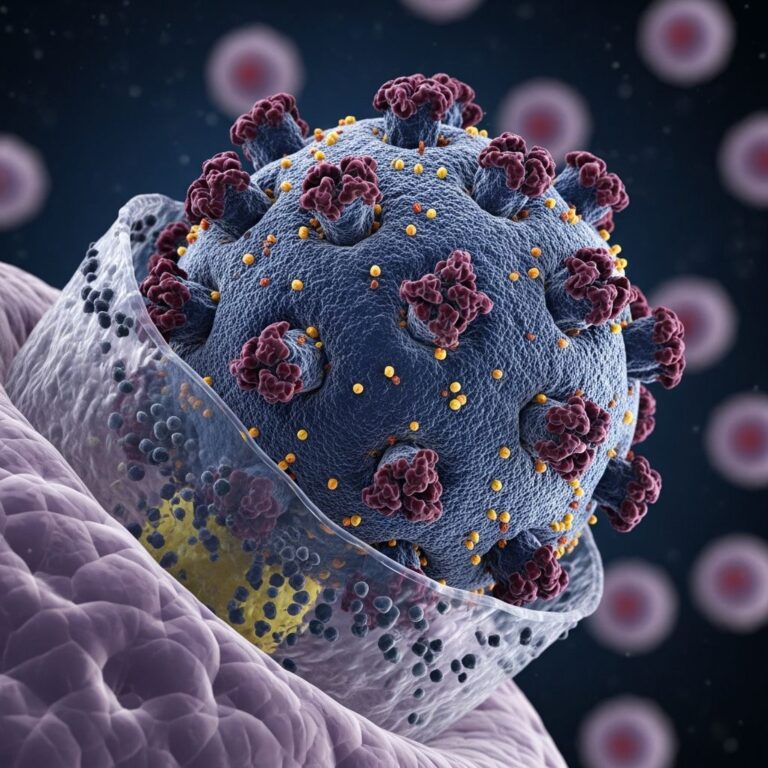
Fluconazole Tablets: Uses, Dosage & Side Effects
Complete guide to fluconazole tablets for treating fungal and yeast infections.
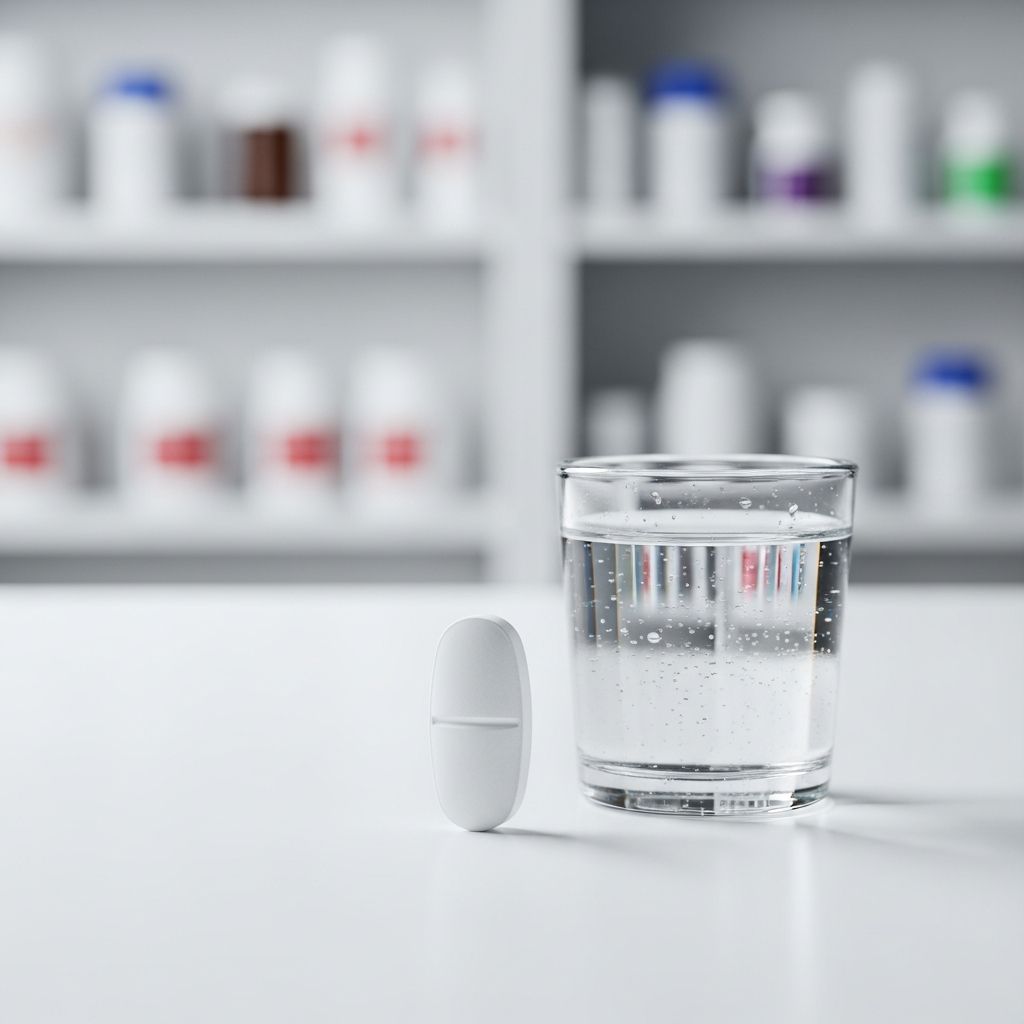
What is Fluconazole?
Fluconazole is an oral antifungal medication commonly known by its brand name Diflucan. This prescription medication belongs to a class of drugs called azoles, which work by preventing the growth of fungus or yeast in your body. Fluconazole tablets were initially approved by the FDA in 1990 and have since become one of the most widely prescribed antifungal medications due to their effectiveness and favorable safety profile. Unlike antibiotics that treat bacterial infections, fluconazole specifically targets fungal organisms and is ineffective against colds, flu, or bacterial infections.
How Fluconazole Works
Fluconazole functions as a selective inhibitor of fungal cytochrome P450 dependent enzymes. This mechanism of action is crucial to understanding why the medication is so effective. The drug works by interfering with the synthesis of the fungal cell wall, disrupting cell growth and adhesion. This targeted approach allows fluconazole to kill fungal cells or prevent them from multiplying while minimizing damage to healthy human cells. The medication accumulates particularly well in the stratum corneum of the skin, making it especially beneficial for treating superficial fungal infections. Additionally, fluconazole can cross the blood-brain barrier, with cerebrospinal fluid levels reaching approximately 80% of corresponding plasma levels, which is why it’s effective in treating fungal meningitis.
Medical Uses and Indications
Fluconazole tablets are prescribed to treat a wide variety of fungal and yeast infections affecting different parts of the body.
Primary Conditions Treated
– Vaginal candidiasis (yeast infections)- Oropharyngeal candidiasis (oral thrush)- Esophageal candidiasis (candida esophagitis)- Cryptococcal meningitis- Urinary tract infections caused by Candida- Peritonitis (inflammation of the abdominal lining)- Systemic Candida infections affecting various body parts- Prevention of candidiasis in patients undergoing bone marrow transplants
Fluconazole is particularly effective against several species of Candida, including Candida albicans, Candida glabrata, Candida parapsilosis, and Candida tropicalis, as well as Cryptococcus neoformans. The medication’s versatility in treating both superficial and systemic fungal infections makes it a first-line choice for many healthcare providers.
Dosage Information
Fluconazole dosage varies significantly depending on the type and severity of infection being treated, as well as the patient’s age and kidney function. Healthcare providers carefully determine appropriate doses based on individual circumstances.
Adult Dosing Guidelines
| Condition | Initial Dose | Maintenance Dose | Duration |
|---|---|---|---|
| Vaginal Candidiasis | 150 mg | Single dose only | One-time treatment |
| Oropharyngeal Candidiasis | 200 mg | 100 mg once daily | At least 2 weeks |
| Esophageal Candidiasis | 200 mg | 100 mg once daily | At least 3 weeks |
| Cryptococcal Meningitis | 400 mg | 200 mg once daily | 10-12 weeks minimum |
| Urinary Tract Infections | 50-200 mg daily | As determined by doctor | Per doctor’s direction |
| Bone Marrow Transplant Prevention | 400 mg | 400 mg once daily | As needed |
Pediatric Dosing
Children’s doses are carefully calculated based on body weight and age. For children 3 months and older, the typical initial dose is 25 milligrams per kilogram of body weight on the first day, followed by 12 mg per kilogram once daily. Infants from birth to 3 months of age receive the same weight-based dosing but may require different frequency adjustments. For children younger than 6 months, specific dosing must be determined by a healthcare provider.
Pharmacokinetics and Absorption
Understanding how fluconazole moves through your body helps explain its effectiveness. Peak plasma concentrations occur between 1-2 hours after taking the medication in fasting, healthy individuals. The medication reaches steady-state concentrations within 5-10 days of daily dosing at doses ranging from 50-400 mg. Taking a loading dose on the first day or doubling the usual daily dose helps achieve near steady-state concentrations by the second day. The terminal elimination half-life is approximately 30 hours, with a range of 20-50 hours, which supports once-daily dosing for most infections and even single-dose therapy for vaginal yeast infections.
Related Stories



Side Effects and Adverse Reactions
While fluconazole generally has a favorable safety profile compared to other antifungal medications, it can cause side effects in some patients. Most side effects are mild to moderate and resolve after treatment completion.
Common Side Effects
– Nausea and vomiting- Stomach pain or discomfort- Headache- Loss of appetite- Diarrhea- Abdominal pain- Unpleasant breath odor- Unusual tiredness or weakness
Serious Side Effects Requiring Immediate Attention
Contact your healthcare provider immediately if you experience any of these serious side effects:
– Severe liver problems including yellow eyes or skin (jaundice)- Clay-colored stools- Dark urine- Severe abdominal pain or tenderness- Seizures- Sudden loss of consciousness- Red skin lesions, often with a purple center- Severe allergic reactions including swelling of face, lips, or tongue- Unusual bleeding or bruising- Sores or ulcers in the mouth- Difficulty urinating or painful urination- Muscle spasms or jerking of arms and legs- Sore throat with fever
Important Precautions and Contraindications
Before taking fluconazole tablets, inform your healthcare provider about any medical conditions you have and medications you’re currently taking. This medication may interact with other drugs and can affect certain health conditions.
Key Considerations
– Report any history of liver disease or abnormal liver function- Disclose all current medications, especially those that affect heart rhythm- Inform your provider if you’re pregnant or breastfeeding- Let your doctor know about any previous allergic reactions to azole medications- Avoid grapefruit juice while taking fluconazole- Inform your provider if you have kidney disease, as dosage adjustment may be necessary
Patients with renal failure may require dosage adjustments, and the drug’s half-life can be significantly increased in these individuals. Close monitoring is essential for patients with compromised kidney function.
Drug Interactions
Fluconazole can interact with numerous medications by inhibiting cytochrome P450 enzymes in the liver. These interactions may increase levels of other medications in your blood, potentially causing toxicity. Important drug classes that may interact include blood thinners, certain statins, anti-seizure medications, and drugs that affect heart rhythm. Always provide your healthcare provider with a complete list of all supplements and medications you’re taking.
Effectiveness and Clinical Evidence
Clinical research demonstrates the high effectiveness of fluconazole across various fungal infections. Single-dose fluconazole 150 mg has been shown to be highly effective for treating oral thrush, with studies showing that approximately 96.5% of patients experienced more than 50% improvement in signs and symptoms. This single-dose therapy is particularly valuable because it reduces pill burden and improves patient compliance, especially in palliative care settings where patients have advanced cancer.
Storage and Handling
Fluconazole tablets should be stored at room temperature away from light and moisture. Keep the medication in its original container and out of reach of children. Do not use fluconazole after the expiration date listed on the package. If you have unused medication, ask your pharmacist about proper disposal methods rather than flushing it down the toilet or throwing it in the trash.
Frequently Asked Questions
Q: Can I take fluconazole without food?
A: Yes, fluconazole can be taken with or without food. Taking it with food may help if you experience stomach upset, but it’s not required for the medication to work properly.
Q: How quickly does fluconazole work?
A: Many patients notice symptom improvement within 2-3 days, though complete resolution may take 1-2 weeks depending on the infection type and severity. For vaginal yeast infections, many women feel better within 24 hours.
Q: Can fluconazole cause a yeast infection to worsen initially?
A: Some patients experience a temporary increase in symptoms as the fungus dies. This is sometimes called a “Herxheimer reaction” and typically resolves within days as treatment continues.
Q: Is it safe to take fluconazole while pregnant?
A: While single-dose fluconazole 150 mg for vaginal yeast infections is generally considered safe in pregnancy, high-dose fluconazole for systemic infections should be avoided during the first trimester. Always consult your healthcare provider before taking any medication during pregnancy.
Q: Can I drink alcohol while taking fluconazole?
A: Moderate alcohol consumption is generally considered safe with fluconazole. However, excessive alcohol may increase the risk of liver problems, and it’s best to limit alcohol intake during treatment.
Q: What should I do if I miss a dose?
A: Take the missed dose as soon as you remember, unless it’s almost time for your next dose. Never double up on doses. If you’re on a single-dose treatment regimen, missing a dose is less critical—just take it when you remember.
Q: Can fluconazole interact with birth control pills?
A: Most birth control pills are not significantly affected by fluconazole, though individual variations exist. Inform your healthcare provider about all medications you’re taking so they can assess potential interactions.
When to Contact Your Healthcare Provider
Reach out to your doctor if you experience persistent side effects, if your infection symptoms don’t improve after the expected timeframe, or if new symptoms develop during treatment. Additionally, contact your provider if you’re considering taking other medications or supplements while on fluconazole, as interactions are possible.
Conclusion
Fluconazole tablets represent an important treatment option for fungal and yeast infections, offering an effective oral alternative to intravenous antifungal therapy. Its broad spectrum of activity, favorable safety profile, and convenient dosing make it a preferred choice for healthcare providers treating various fungal infections. Whether treating a simple vaginal yeast infection with a single dose or managing more complex systemic infections, fluconazole has demonstrated its value in modern antifungal therapy. Always take this medication exactly as prescribed, report any concerning side effects to your healthcare provider, and complete the full course of treatment even if symptoms resolve early to prevent infection recurrence.
References
- Fluconazole (Oral Route): Description, Side Effects & Dosage — Mayo Clinic. 2024. https://www.mayoclinic.org/drugs-supplements/fluconazole-oral-route/description/drg-20071428
- Fluconazole: Uses, Interactions, Mechanism of Action — DrugBank. 2024. https://go.drugbank.com/drugs/DB00196
- Single-Dose Fluconazole Therapy for Oral Thrush in Hospice and Palliative Medicine Patients With Advanced Cancer — American Journal of Hospice & Palliative Medicine. 2016. https://pubmed.ncbi.nlm.nih.gov/27188880/
Similar Articles








Read full bio of medha deb