Fluffy Poop: Causes, Treatment, And When To See A Doctor
Discover what fluffy or foamy poop means for your health, from common causes like diet to serious conditions requiring medical attention.
Observing changes in stool consistency, such as
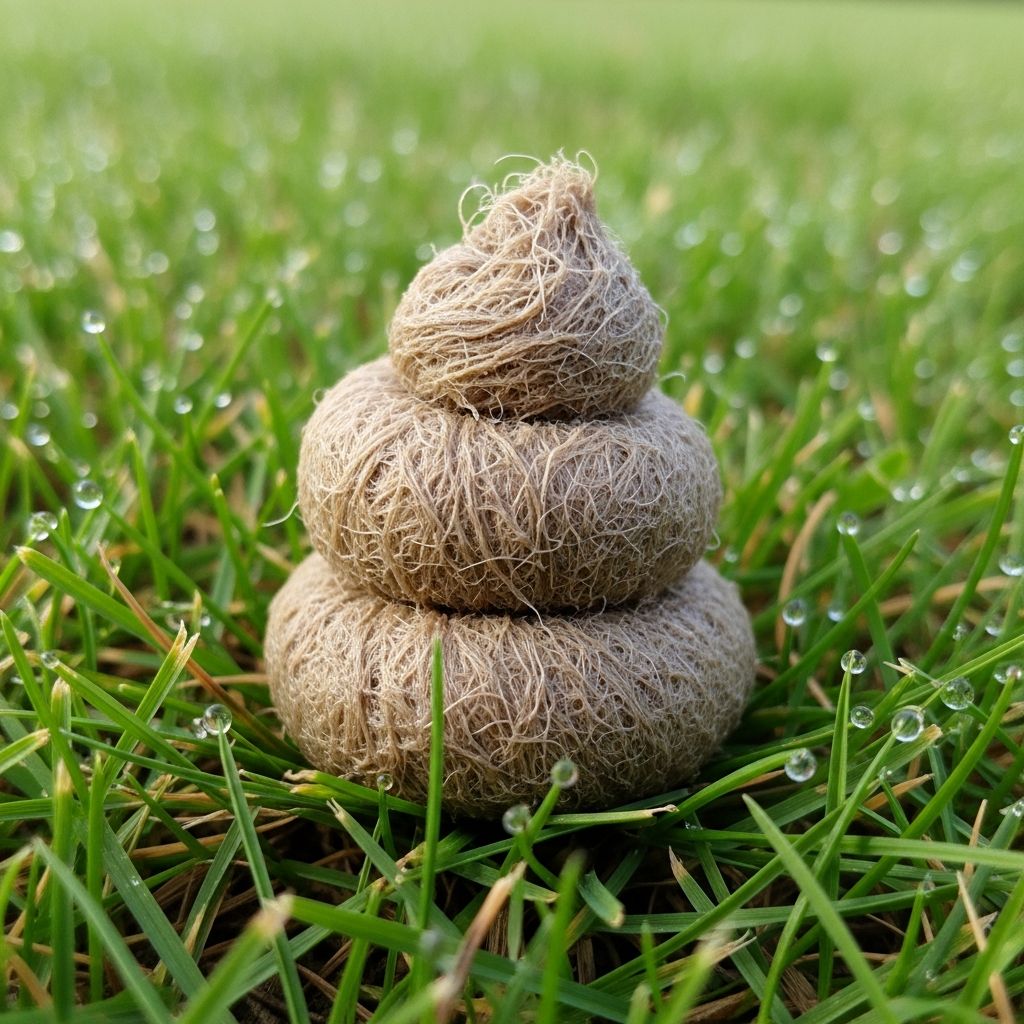
fluffy poop
, can provide valuable insights into your digestive health. Fluffy or foamy stools, classified as Type 6 on the Bristol Stool Scale, often indicate rapid transit through the intestines or malabsorption of fats, potentially signaling underlying issues from diet to serious conditions.What Is Fluffy Poop?
The
Bristol Stool Scale
, also known as the Meyers Scale, categorizes stool into seven types to assess digestive function.Fluffy poop
corresponds to Type 6: ‘fluffy pieces with ragged edges, a mushy stool,’ which may include bubbles, oil, or mucus, resembling early-stage diarrhea. This texture arises when stool passes quickly through the gut, preventing proper water absorption and often containing excess fat due tomalabsorption
—where nutrients fail to be absorbed effectively.Healthy stool (Type 4) is sausage-shaped, smooth, and soft like ice cream, passing every 1-3 days. In contrast, Type 6 mushy stool with fluffy pieces signals faster colonic transit, often triggered by stress, dietary shifts, or illness, making bowel movements harder to control.
What Causes Fluffy Poop?
A single episode of fluffy poop might stem from diet, but persistent cases warrant investigation for conditions like infections, autoimmune disorders, or pancreatic issues. Key causes include:
- Celiac Disease: An autoimmune reaction to gluten damages the small intestine, causing inflammation, malabsorption, and foamy diarrhea.
- Giardiasis: A parasitic infection leading to greasy, floating, foul-smelling stools with gas and cramps.
- Irritable Bowel Syndrome (IBS): Disrupts gut motility, resulting in mushy, frequent stools.
- Pancreatic Insufficiency or Pancreatitis: Reduced enzyme production impairs fat digestion, producing oily, fluffy stools.
- Small Intestinal Bacterial Overgrowth (SIBO): Excess bacteria ferment food, causing gas and loose stools.
Celiac Disease
Celiac disease affects about 1% of the population, triggered by gluten in wheat, barley, and rye. Upon ingestion, the immune system attacks the intestinal lining, flattening villi responsible for nutrient absorption. This leads to
fluffy, foamy poop
from undigested fats rushing through the gut.Symptoms extend beyond stool changes:
- Abdominal pain and bloating
- Chronic diarrhea or constipation
- Fatigue and weight loss
- Gas, nausea, and nutrient deficiencies (e.g., iron, vitamins)
- Secondary lactose intolerance
The only treatment is a strict
gluten-free diet
. Untreated, it risks malnutrition, osteoporosis, and intestinal cancers, per the National Institute of Diabetes and Digestive and Kidney Diseases. Diagnosis involves blood tests for antibodies and biopsy; supplements address deficiencies.Giardiasis
Caused by the Giardia parasite, often from contaminated water, this infection resides in the intestines. It produces fluffy, greasy stools that float due to fat malabsorption, accompanied by dehydration, stomach cramps, gas, nausea, and upset stomach.
Symptoms typically resolve in 2 weeks without treatment, but persistent cases require antibiotics like metronidazole. Prevention involves water purification during travel or outbreaks.
Irritable Bowel Syndrome (IBS)
IBS impacts gut-brain communication, causing motility issues. The diarrhea-predominant subtype (IBS-D) often features Type 6 fluffy stools, triggered by stress, certain foods, or hormones. Management includes dietary changes (low FODMAP), stress reduction, and medications like antispasmodics.
Pancreatic Issues
Related Stories



The pancreas produces lipase for fat digestion. In
chronic pancreatitis
or insufficiency, enzyme shortages lead to steatorrhea—pale, bulky, fluffy stools with oil droplets. Acute pancreatitis from gallstones or alcohol causes temporary fluffy poop amid severe pain.Treatment: Enzyme supplements (e.g., Creon), pain management, and addressing causes like alcohol cessation.
Small Intestinal Bacterial Overgrowth (SIBO)
SIBO involves excessive bacteria in the small intestine, fermenting carbs into gas and causing malabsorption with fluffy, foamy stools. Antibiotics (rifaximin), prokinetics, and diet correct it.
Other Stool Changes to Watch
Beyond fluffy poop, monitor color and consistency for health clues.
Stool Colors
| Color | Possible Causes | Action |
|---|---|---|
| Green | Rapid transit (bile unchanged), leafy greens, iron supplements, infections, celiac/Crohn’s | Monitor; see doctor if persistent |
| Yellow | Fat malabsorption (parasites, pancreatic issues) | Contact doctor if >2 days |
| Pale/White/Clay | Bile duct blockage, liver/gallstone issues | Urgent if >2 days |
| Red/Bloody | Hemorrhoids, IBD, polyps, infection; or red dyes | See doctor for blood |
Bristol Stool Scale Overview
Type 1: Hard lumps (constipation).
Type 2: Lumpy sausage (mild constipation).
Type 3-4: Ideal sausage-like (healthy).
Type 5: Soft blobs (normal for some).
Type 6: Fluffy mush (diarrhea onset).
Type 7: Watery (diarrhea).
Studies link loose stools (Types 5-7) at low frequency to higher mortality risks from all causes, cancer, and CVD, emphasizing balanced consistency.
When to See a Doctor About Fluffy Poop
One-off fluffy poop may resolve with diet tweaks, but consult a doctor if:
- Persistent > few days
- Accompanied by weight loss, pain, blood, fever
- Frequent or with dehydration
Experts recommend prompt evaluation for malabsorption signs to prevent complications. Tests may include stool analysis, bloodwork, endoscopy, or breath tests.
Treatment for Fluffy Poop
Treatment targets the cause:
- Dietary: Gluten-free for celiac; probiotics for IBS/SIBO.
- Medications: Antibiotics for infections; enzymes for pancreas.
- Lifestyle: Hydration, fiber balance, stress management.
Track symptoms with a food/symptom diary for better diagnosis.
Frequently Asked Questions (FAQs)
What does fluffy poop indicate on the Bristol Stool Scale?
Fluffy poop is Type 6: mushy with ragged edges, signaling quick transit or malabsorption.
Is fluffy poop always serious?
No, it can be dietary, but persistence with symptoms like pain or weight loss needs medical review.
Can diet cause foamy stools?
Yes, high-fat meals or rapid changes can produce temporary fluffy poop.
How is celiac disease diagnosed?
Via blood tests for antibodies, followed by intestinal biopsy.
Does giardiasis go away on its own?
Often yes, in 2 weeks, but antibiotics treat persistent cases.
What home remedies help mushy stools?
BRAT diet (bananas, rice, applesauce, toast), hydration, and probiotics; see doctor if ongoing.
References
- Fluffy Poop: Causes, Treatment, & Other Stools — HealthCentral. 2023. https://www.healthcentral.com/article/fluffy-cloud-like-stools
- What the Color and Consistency of Your Poop Says About Your Health — UnityPoint Health. 2023. https://www.unitypoint.org/news-and-articles/what-the-color-and-consistency-of-your-poop-says-about-you
- Association of Stool Frequency and Consistency with the Risk of Mortality — National Institutes of Health (PMC). 2023-01-15. https://pmc.ncbi.nlm.nih.gov/articles/PMC9818668/
Similar Articles








Read full bio of medha deb