Fluid-Filled Eye Growths: Causes, Symptoms, Treatments
Discover the causes, symptoms, and effective treatments for common fluid-filled bumps on the eye surface and eyelids.
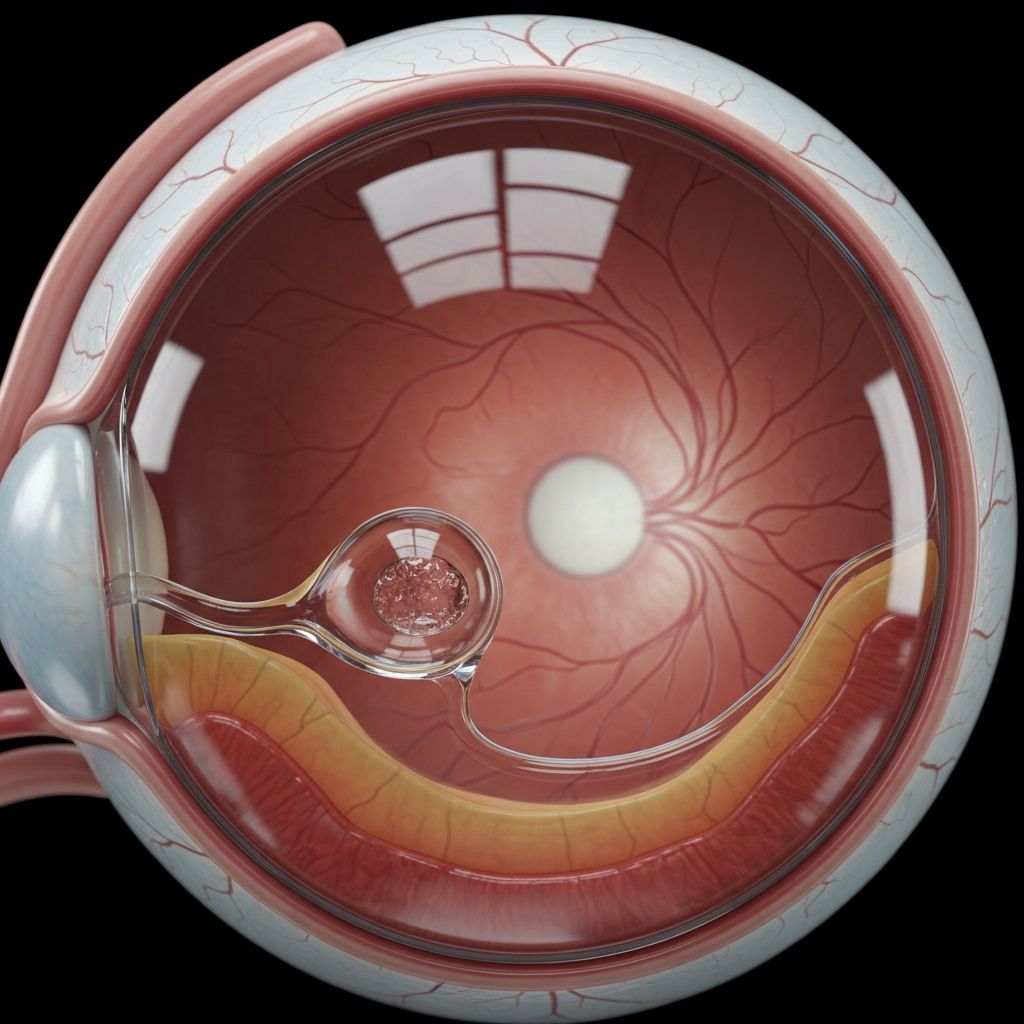
Fluid-filled growths on the eye or eyelid, often appearing as clear or translucent bumps, are typically benign but can cause discomfort or cosmetic concerns. These include conjunctival cysts on the eye’s surface and chalazia on the eyelids, both resulting from fluid accumulation due to blockages or irritation.
Common Types of Fluid-Filled Eye Bumps
The eye and its surrounding structures can develop several types of fluid-filled sacs, each with distinct locations and characteristics. Conjunctival cysts form on the thin membrane covering the white part of the eye, while chalazia arise from blocked oil glands in the eyelids. Distinguishing these helps in proper management.
- Conjunctival Cysts: These are sac-like structures filled with clear fluid on the conjunctiva, the transparent tissue over the sclera. They may vary in size and are often noticed as a dome-shaped elevation.
- Chalazia: Firm lumps on the eyelid from clogged meibomian glands, which produce oil to stabilize tears. Initially inflamed, they harden over time.
- Other Variants: Less common are retention cysts from gland blockages or post-trauma fluid pockets, sometimes linked to prior surgery.
Primary Causes Behind These Growths
Most fluid-filled eye growths stem from disruptions in normal tear film production or tissue integrity. Inflammation plays a central role, alongside mechanical blockages and external factors.
| Cause Category | Description | Examples |
|---|---|---|
| Blockages | Glands or ducts obstructed, leading to fluid retention. | Meibomian gland blockage causing chalazia; conjunctival duct occlusion. |
| Inflammation | Chronic irritation triggers sac formation. | Allergic conjunctivitis, blepharitis. |
| Trauma | Injury or surgery damages tissue, promoting cysts. | Post-surgical conjunctival cysts; accidental scratches. |
| Environmental | Irritants provoke ongoing inflammation. | Dust, smoke, UV exposure. |
Meibomian glands, located along the eyelid margins, secrete meibum—an oily substance essential for preventing tear evaporation. When blocked, oil accumulates, forming a chalazion that may leak into surrounding tissue, causing a granuloma-like lump.
Recognizing the Signs and Symptoms
Symptoms often start subtly but can progress, prompting medical attention. A key indicator is a visible, painless protrusion, though associated irritation varies.
- Visible translucent or yellowish bump on the conjunctiva or eyelid.
- Sensation of a foreign body, like something in the eye.
- Mild redness, swelling, or eyelid enlargement if pressure builds.
- Increased tearing as the eye responds to irritation.
- Blurred vision if large growths interfere with eyelid movement or corneal coverage.
Unlike infections like styes, these growths are usually non-painful and lack pus. However, secondary infection can occur if rubbed excessively.
Accurate Diagnosis Methods
Eye specialists use non-invasive techniques to confirm the nature of these growths. A comprehensive exam includes slit-lamp biomicroscopy to magnify the anterior eye segment.
- Visual Inspection: Assessing size, location, and translucency.
- Slit-Lamp Exam: Illuminates the conjunctiva and eyelids for detailed views of fluid content and gland status.
- Pressure Testing: Gentle palpation to check firmness and mobility.
- Imaging if Needed: Ultrasound or anterior segment OCT for deeper cysts, though rare for surface lesions.
Differential diagnosis rules out malignancies or infections, ensuring benign conditions like these are not mistaken for pterygia or tumors.
Related Stories



Conservative Treatment Approaches
Many fluid-filled growths resolve without intervention, but supportive measures accelerate healing and prevent recurrence.
- Warm Compresses: Applied 3-4 times daily for 10-15 minutes to soften blockages and promote drainage. Ideal for chalazia.
- Eyelid Hygiene: Gentle cleansing with baby shampoo or commercial lid scrubs to clear debris.
- Artificial Tears: Lubricate to reduce irritation and foreign body sensation.
- Observation: Small, asymptomatic cysts often regress naturally within months.
For inflammatory chalazia, short-term topical steroids or antibiotics may be prescribed if redness persists, but only under professional guidance.
Advanced Interventions for Persistent Cases
When conservative methods fail after 4-6 weeks, procedural options provide relief. These are outpatient and low-risk.
| Procedure | Application | Recovery Time |
|---|---|---|
| Incision and Curettage | Chalazia; small cut to drain contents. | 1-2 days |
| Needle Aspiration | Conjunctival cysts; fluid puncture. | Same day |
| Laser Therapy | Surface cysts; precise vaporization. | Minimal |
| Cryotherapy | Recurrent growths; freezing technique. | 3-5 days |
Surgical excision is reserved for large or recurrent lesions, with histopathology confirming benign nature. Post-procedure care mirrors conservative steps.
Prevention Strategies for Eye Health
Proactive habits minimize risk by addressing root causes like poor lid hygiene and environmental exposure.
- Maintain daily eyelid scrubs, especially for contact lens wearers.
- Use UV-protective sunglasses to shield against wind and sun.
- Avoid rubbing eyes to prevent trauma.
- Manage allergies with antihistamines or prescribed drops.
- Regular eye exams detect early gland dysfunction.
Those with blepharitis or dry eye syndrome benefit from omega-3 supplements, which support meibomian gland function.
When to Seek Immediate Care
Most growths are harmless, but prompt evaluation is crucial if symptoms escalate. Red flags include severe pain, vision changes, rapid growth, or pus discharge, signaling possible infection or other pathology.
Children or diabetics should be assessed sooner due to higher complication risks. Early intervention preserves comfort and prevents scarring.
Frequently Asked Questions (FAQs)
Are fluid-filled eye growths cancerous?
No, conjunctival cysts and chalazia are benign. Malignant lesions are typically pigmented or vascular, unlike these clear sacs.
How long do they take to go away?
Many resolve in 2-4 weeks with home care; persistent ones may need 1-2 months or procedures.
Can I pop a chalazion myself?
Never; this risks infection or scarring. Professional drainage is safe and effective.
Do they recur frequently?
Up to 50% in untreated blepharitis cases. Hygiene prevents most recurrences.
Is surgery painful?
Local anesthesia ensures comfort; recovery involves mild soreness managed by compresses.
Long-Term Outlook and Monitoring
Post-treatment, annual eye exams track for recurrences, especially in at-risk individuals. Maintaining lid health sustains clear vision and comfort.
These growths rarely impact vision permanently if addressed timely, underscoring the value of awareness and care.
References
- Understanding Conjunctival Cyst: Causes, Symptoms, and Treatments — Northwest Eye Clinic. 2023. https://nweyeclinic.com/understanding-conjunctival-cyst-causes-symptoms-and-treatments/
- Chalazion (Eyelid Cyst): Causes, Symptoms, and Treatment — Patient.info. 2024-01-15. https://patient.info/eye-care/swollen-eyelid/chalazion
- Chalazion: Symptoms, Causes, Prevention & Treatments — Cleveland Clinic. 2024-05-20. https://my.clevelandclinic.org/health/diseases/17657-chalazion
- Benign Eyelid and Eye Growths — Yale Medicine. 2023. https://www.yalemedicine.org/conditions/benign-eyelid-and-eye-growths
- Macular Edema — National Eye Institute (NIH). 2024. https://www.nei.nih.gov/eye-health-information/eye-conditions-and-diseases/macular-edema
- Understanding Conjunctival Cyst: Causes, Symptoms, and Treatments — Northwest Eye Clinic (recurring authoritative source on cysts). 2023. https://nweyeclinic.com/understanding-conjunctival-cyst-causes-symptoms-and-treatments/
Similar Articles








Read full bio of Sneha Tete