Fluid Overload in Heart Failure: Causes, Symptoms, and Treatment
Understanding fluid overload in heart failure: recognize symptoms and explore effective treatment options.
What is Fluid Overload?
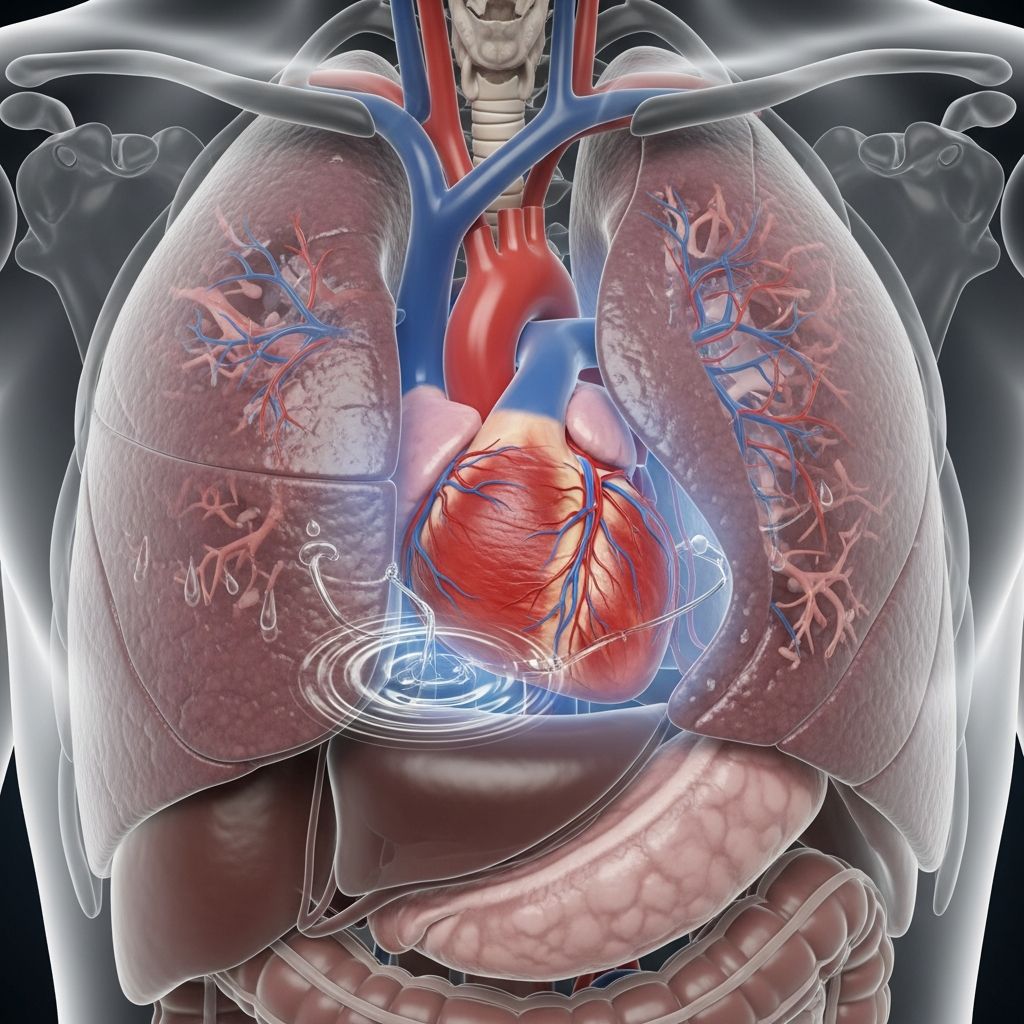
Fluid overload, also known as edema or congestion, refers to an excessive accumulation of fluid in the body. When the heart cannot pump blood effectively, the body retains water and salt, causing fluid to build up in tissues and the circulatory system. This increased fluid volume circulates through the body and can significantly burden an already weakened heart, often leading to worsening heart failure symptoms.
The condition occurs when there is too much fluid flowing around the circulatory system, which can overwork the heart and further compromise its ability to function properly. Unlike acute situations where fluid accumulates rapidly, fluid overload in heart failure often develops gradually over weeks or months, sometimes with patients gaining over 20 kilograms of excess weight.
Fluid Overload Symptoms
Recognizing the symptoms of fluid overload is crucial for early intervention and management. The manifestations can vary depending on the speed of fluid accumulation and the location where fluid collects in the body.
Common Symptoms Include:
- Breathlessness: The excess fluid circulating in the body can cause waterlogging of the lungs, leading to difficulty breathing. This condition is medically termed acute pulmonary oedema. The sensation of breathlessness is particularly pronounced when patients develop pulmonary oedema and pleural effusions.
- Swelling in the legs and feet: When fluid overload develops over a longer period, it causes swelling in the lower legs and feet. This type of swelling is called pitting oedema, which means that when the swelling is pressed with a finger, it leaves a temporary indentation or ‘pit’.
- Fatigue and tiredness: Heart failure with fluid overload commonly causes extreme fatigue and weakness as the heart struggles to pump effectively.
- Weight gain: Very rapid weight gain from fluid buildup is a significant warning sign, often occurring over days or weeks.
- High blood pressure: Fluid overload can contribute to elevated blood pressure readings.
- Wheezing and persistent cough: Fluid in the lungs may cause wheezing, a cough that doesn’t go away, or a cough that brings up white or pink mucus with spots of blood.
- Swelling of the belly area: Ascites, or fluid accumulation in the abdominal cavity, can occur and may precipitate hospitalization due to discomfort.
- Nausea and loss of appetite: These symptoms often accompany fluid overload and can affect nutritional intake.
- Difficulty concentrating: Reduced blood flow to the brain can cause difficulty concentrating or decreased alertness.
Can Fluid Overload Cause Death?
The severity and potential consequences of fluid overload depend on its underlying cause, how serious it is, and whether it can be effectively treated. While not all fluid overload directly causes death, the consequences can be life-threatening if left untreated.
Even if fluid overload is not initially caused by a heart condition, if it remains untreated, the extra pressure on the heart eventually leads to heart failure. This progressive condition causes tiredness, shortness of breath, and swelling of the legs and feet. Heart failure is a complex condition that can result in lower life expectancy for some patients.
Additionally, congestion itself is a powerful marker of adverse prognosis in heart failure patients. The most common cause for hospitalization in patients with chronic heart failure is fluid retention and congestion. Hospitalization associated with fluid overload carries an adverse prognosis, and repeated hospitalizations are associated with increasingly poor survival rates.
What Causes Fluid Overload?
Mechanisms in Heart Failure:
When the heart starts to fail and cannot pump blood efficiently, renal perfusion decreases. The kidneys respond to this reduced blood flow by increasing the production of renin, which leads to more aldosterone production. This is subsequently followed by sodium and water retention. Additionally, arginine vasopressin (AVP) is released, further enhancing fluid retention and stimulating thirst.
Related Stories



The activation of the renin-angiotensin-aldosterone system and AVP systems maintain cardiac preload (more fluids) and afterload (vasoconstriction), thereby maintaining cardiovascular homeostasis but at the cost of increased systemic venous pressure. As the failing left ventricle tends to dilate, along with the left atrium (particularly if mitral regurgitation develops), the heart itself worsens over time.
The elevated venous pressure can further reduce renal blood flow as the gradient between mean renal arterial pressure and venous pressure declines. Glomerular filtration rate falls, enhancing and perpetuating a vicious cycle of fluid retention.
Other Contributing Factors:
- Excessive sodium intake: Sometimes the problem is not just extra fluid but too much sodium. When too much sodium is consumed, the body retains water to try to correct the electrolyte balance. Limiting sodium intake can help prevent fluid overload symptoms.
- Medications: Certain medications, such as NSAIDs like ibuprofen and naproxen, can cause the body to retain sodium and worsen heart failure.
- Kidney disease: People whose kidneys suddenly stop working properly (acute kidney injury) or have chronic kidney disease can develop fluid overload similarly to those with heart failure.
How is Fluid Overload Diagnosed?
Diagnosing fluid overload requires a comprehensive clinical assessment, as several conditions produce signs and symptoms that resemble fluid overload and need to be excluded.
Conditions to Rule Out:
- Lung problems, such as blood clots, infections, or asthma
- Heart problems, such as inflammation of the covering of the heart (pericarditis)
- Problems with the venous circulation or lymphatic circulation
- Metabolic disorders causing a low protein level in the blood (hypoproteinaemia)
- Liver disease
- Thyroid disease
- Kidney disease
Clinical Assessment Methods:
The most reliable clinical sign indicating volume overload is a raised jugular venous pressure (JVP), which also provides powerful prognostic information. However, clinical assessment of the JVP is often challenging and subjective. Assessment by ultrasound might be useful, as in the vast majority of cases, assessing the jugular vein by ultrasound is possible and allows identification of patients with more advanced congestion and higher natriuretic peptides, who are at higher risk of adverse outcomes.
The accumulation of fluids is a gradual process based on the gradient between intravascular and extravascular hydrostatic pressure. In normal circulation, there is continuous filtration of fluid from the intravascular space into the tissues. Overt cardiogenic peripheral oedema develops because fluid retention results in an increase in intravascular hydrostatic pressure, leading to an increased filtration rate that eventually exceeds the capacity of the lymphatics to drain fluid away.
Will I Need Any Tests?
To confirm a diagnosis of fluid overload and assess the underlying cause, several tests may be necessary. These typically include blood tests to check kidney function, electrolyte levels, and natriuretic peptides. Imaging studies such as chest X-rays or echocardiograms may be performed to evaluate heart function and detect fluid in the lungs or other body cavities. Additional diagnostic procedures depend on the suspected underlying cause and the patient’s clinical presentation.
How to Treat Fluid Overload
Medication Management:
Diuretics are the primary medication used to treat fluid overload in heart failure. Loop diuretics are commonly prescribed to help the kidneys remove excess fluid through increased urine production. Medication can usually ease symptoms and can often improve the outlook for patients with fluid overload.
Fluid overload can cause episodes of worsening heart failure. Sometimes this can be reversed with a higher dose of oral diuretics. However, often patients cannot be managed with oral medications alone and need to be admitted for intravenous (IV) treatment. When patients are admitted to the hospital, they often have more than two gallons of extra fluid that needs to be removed.
It is important to note that acute injection of loop diuretics in patients who are not congested can provoke transient adverse hemodynamic effects, with an increase in left ventricular filling pressures and a fall in stroke volume index. Therefore, diuretic therapy must be carefully monitored and adjusted based on the patient’s clinical status.
Dietary Management:
Dietary modifications play a crucial role in managing fluid overload. Sodium restriction is essential, as limiting how much salt (sodium) is consumed can help prevent fluid retention symptoms such as swelling, weight gain, and shortness of breath. Patients should be aware that inadvertently taking in too much sodium can cause heart failure to worsen.
Other Treatment Considerations:
Treatment strategies must be individualized based on the underlying cause of fluid overload and the patient’s overall clinical condition. Working closely with healthcare providers to monitor symptoms, adjust medications as needed, and make lifestyle modifications is essential for managing this serious condition effectively.
What is the Outlook for Fluid Overload?
The outlook for fluid overload depends significantly on the underlying cause and how effectively it can be treated. Congestion is an important cause of symptoms in patients with heart failure, and addressing fluid overload is critical for improving quality of life and prognosis.
Congestion reduces hepatic function, and the congested liver can itself be a source of discomfort. Additionally, congestion causes renal dysfunction by reducing the transrenal pressure gradient. Anaemia, which is highly prevalent among heart failure patients, can be made worse by congestion through dilution and can further exacerbate symptoms and cardiac dysfunction.
The good news is that medication can often improve the outlook for patients with fluid overload. However, since the commonest cause for hospitalization in patients with chronic heart failure is fluid retention and congestion, and hospitalization itself is associated with adverse prognosis, prevention and early management of fluid overload are crucial for better long-term outcomes.
Congestion itself, not just reduced cardiac function, appears to be associated with poor prognosis. Therefore, effective management of fluid overload and congestion is potentially an important therapeutic target for improving survival and quality of life in heart failure patients.
Frequently Asked Questions
Q: What is the difference between acute and chronic fluid overload in heart failure?
A: Acute fluid overload develops rapidly due to sudden increases in left ventricular filling pressures, often caused by acute myocardial ischaemia or uncontrolled hypertension. In this case, pulmonary oedema develops quickly with predominantly pulmonary involvement. Chronic fluid accumulation develops over weeks or months, leading to peripheral congestion with swelling in the legs and feet, and identifies patients with worse prognosis than those with acute fluid overload.
Q: How much weight gain should alert me to fluid overload?
A: Very rapid weight gain from fluid buildup is a significant warning sign. Patients with chronic fluid accumulation may present having gained over 20 litres of excess fluid and more than 20 kg of excess weight. Any unexplained weight gain of several pounds in a few days should be reported to your healthcare provider.
Q: Can I manage fluid overload with diet alone?
A: While dietary sodium restriction is an important component of managing fluid overload, medication is usually necessary. Loop diuretics are the primary treatment for removing excess fluid. Medication can often improve the outlook, though some cases require hospitalization and intravenous treatment.
Q: What should I do if I experience sudden breathlessness?
A: Sudden breathlessness may indicate acute pulmonary oedema, a serious condition where fluid has accumulated in the lungs. This requires immediate medical attention. You should contact your healthcare provider or go to the emergency department right away if you experience sudden shortness of breath.
Q: Are there any medications I should avoid if I have fluid overload?
A: Yes, certain medications can worsen fluid overload. NSAIDs such as ibuprofen and naproxen can cause your body to retain sodium and worsen heart failure. Always inform your healthcare provider of any medications or supplements you are taking, and discuss which are safe for you.
Q: How often will I need to be monitored if I have fluid overload?
A: Monitoring frequency depends on the severity of your condition and how well it is controlled. Regular follow-up appointments with your healthcare provider are essential to assess symptom control, check for signs of worsening congestion, and adjust medications as needed. Some patients may require more frequent monitoring than others.
Q: What is pitting oedema and why does it matter?
A: Pitting oedema is a type of swelling that occurs when pressing the swollen area with a finger leaves a temporary indentation or ‘pit’. It indicates fluid accumulation in the tissues and is an important clinical sign of fluid overload in heart failure patients.
References
- Fluid Management in Patients with Chronic Heart Failure — National Institutes of Health, National Center for Biotechnology Information. 2017-08-15. https://pmc.ncbi.nlm.nih.gov/articles/PMC5490880/
- Fluid Overload: Causes, Symptoms, and Treatment — Patient.info. 2024. https://patient.info/heart-health/heart-failure-leaflet/fluid-overload
- Heart Failure and Fluid Retention: What You Should Know — SQ Innovation, Inc. 2024. https://sqinnovation.com/heart-failure/
- Heart Failure – Fluids and Diuretics — U.S. National Library of Medicine, MedlinePlus Medical Encyclopedia. 2024. https://medlineplus.gov/ency/patientinstructions/000112.htm
- Heart Failure – Symptoms and Causes — Mayo Clinic. 2024-11-01. https://www.mayoclinic.org/diseases-conditions/heart-failure/symptoms-causes/syc-20373142
Similar Articles








Read full bio of Sneha Tete