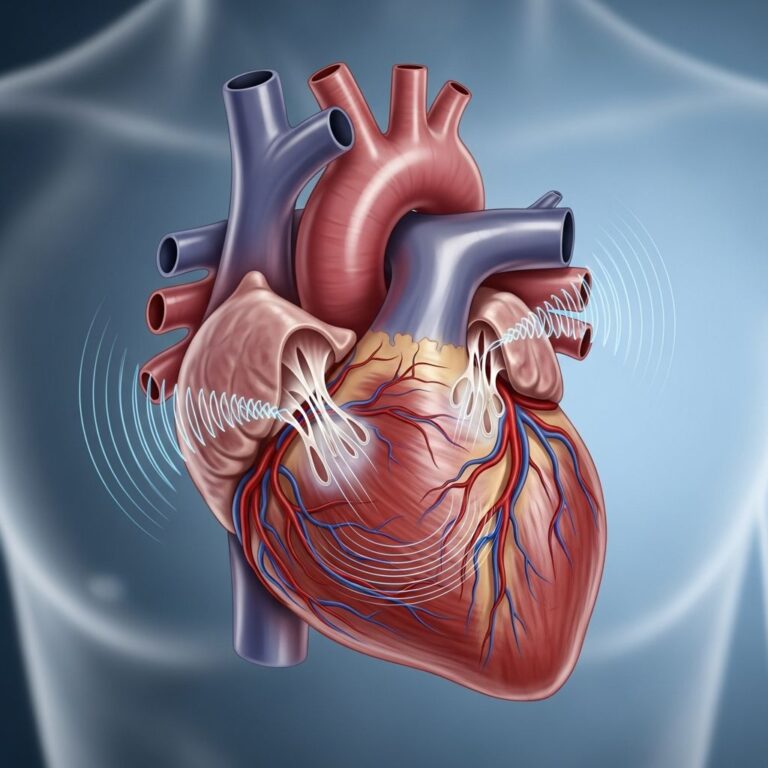
Fluid Retention and Heart Health: Understanding the Connection
Learn how fluid retention affects your heart and what you can do to manage it effectively.
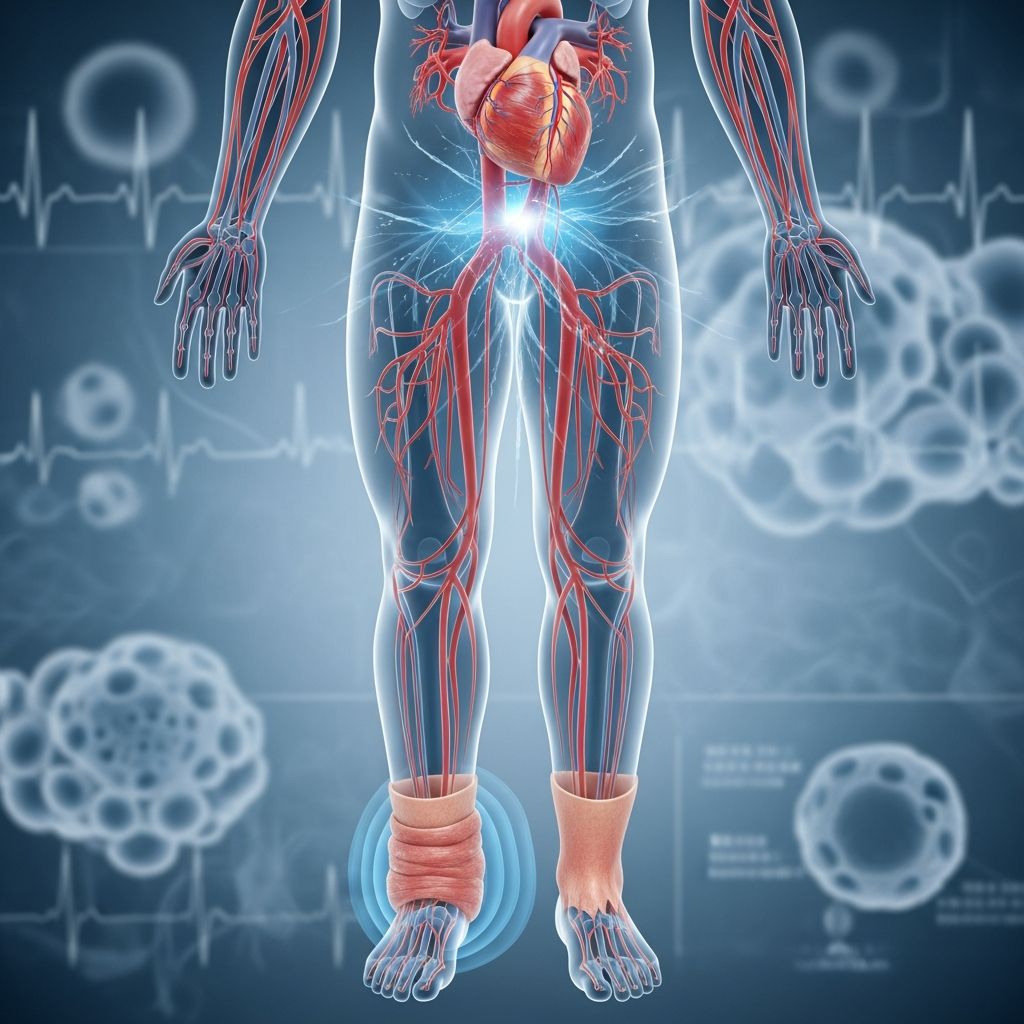
Fluid Retention: What It Can Mean for Your Heart
Fluid retention, medically known as edema or hypervolemia, occurs when excess fluid accumulates in the body’s tissues and blood vessels. While it might seem like a minor inconvenience characterized by swollen ankles or puffy fingers, fluid retention can actually signal serious underlying health conditions, particularly those affecting your heart. Understanding the connection between fluid retention and heart health is crucial for recognizing warning signs early and preventing potentially life-threatening complications.
Your heart is responsible for pumping blood throughout your body, delivering oxygen and nutrients to every cell. When your cardiovascular system isn’t functioning optimally, the consequences ripple through your entire body, including how your body manages fluids. This interconnection between heart function and fluid balance makes it essential to understand what fluid retention means and when it warrants medical attention.
Understanding Fluid Retention and Its Causes
Fluid retention develops when the body holds onto water and salt rather than eliminating them through normal processes. This can happen for various reasons, ranging from dietary habits to serious medical conditions. The underlying cause determines both the severity of fluid retention and the appropriate treatment approach.
How Your Body Regulates Fluids
Your kidneys play a central role in regulating fluid balance. These organs filter waste from your blood and determine how much water and salt to retain or eliminate. When your heart isn’t pumping efficiently, your kidneys receive less blood flow and interpret this as a sign that your body needs more fluids. In response, they activate hormones that cause your body to retain sodium and water, attempting to increase blood volume and restore circulation. However, this well-intentioned mechanism can backfire when the heart remains weak, leading to dangerous fluid accumulation.
Common Causes of Fluid Retention
Several conditions and lifestyle factors can trigger fluid retention:
– Heart Failure: When your heart muscle becomes weak, damaged, or too stiff, it cannot pump blood efficiently. This is perhaps the most significant cardiac cause of fluid retention, as the weakened heart triggers kidney responses that worsen the problem.- Kidney Disease: Damaged kidneys cannot filter fluids and salt effectively, leading to accumulation in your tissues and blood vessels.- Liver Disease: Cirrhosis causes scar tissue buildup on the liver, impairing its function and causing fluid to accumulate in the abdomen.- High Sodium Intake: Consuming too much salt causes your body to hold onto water, as sodium naturally attracts and retains fluid.- Diabetes: High blood sugar can damage your kidneys over time, affecting their ability to regulate fluids.- Certain Medications: Blood pressure medications, pain relievers, and other drugs can cause fluid retention as a side effect.- Hormonal Changes: Fluctuations in hormone levels during menstruation and pregnancy cause the body to retain excess water.- Excessive IV Fluids: Receiving too much fluid through intravenous lines in a short period can result in fluid overload.
Recognizing the Symptoms of Fluid Retention
Early detection of fluid retention allows for prompt intervention before serious complications develop. Several warning signs can indicate that excess fluid is accumulating in your body.
Physical Signs to Watch For
The most obvious symptoms of fluid retention involve visible swelling, but the signs extend beyond puffy ankles. Pay attention to these indicators:
– Swelling in the legs, ankles, feet, or hands- Weight gain without dietary changes- Bloating and abdominal discomfort- A feeling of fullness despite eating small amounts- Tight-fitting clothes or rings that suddenly feel snug- Pitting edema (when pressing on swollen skin leaves an indentation)
Related Stories



Respiratory and Cardiac Symptoms
When fluid accumulates in your lungs or affects your heart’s function, more serious symptoms emerge. These require immediate medical attention:
– Shortness of breath, especially during physical activity or when lying down- Persistent coughing or wheezing- Crackling sounds when breathing- Chest pain or discomfort- Rapid or irregular heartbeat- Extreme fatigue and weakness- Dizziness or fainting
Gastrointestinal and Other Symptoms
Fluid retention can affect multiple body systems, causing:
– Nausea and loss of appetite- Loose stools or constipation- Difficulty concentrating- Headaches
The Connection Between Fluid Retention and Heart Disease
How Fluid Overload Affects Your Heart
When excess fluid circulates in your bloodstream, your heart must work harder to pump this larger volume. This increased workload raises your blood pressure, forcing your heart to expend more energy with each beat. Over time, this extra strain can weaken your heart muscle, creating a vicious cycle where a struggling heart triggers further fluid retention, which then places even more stress on the heart.
Fluid Redistribution and Pulmonary Edema
A particularly dangerous phenomenon occurs when your body shifts fluid from hidden storage areas, such as abdominal veins, directly into your lungs. This fluid redistribution can cause sudden, severe shortness of breath and may require emergency hospitalization. When fluid fills your lungs, a condition called pulmonary edema develops, making it extremely difficult to breathe and preventing adequate oxygen from reaching your bloodstream.
The Heart Failure-Fluid Retention Cycle
Fluid overload represents a major concern for patients with chronic heart failure. When your heart weakens and cannot pump blood efficiently, it triggers a cascade of events: The kidneys sense poor circulation and activate compensatory mechanisms that cause your body to retain sodium and water. Your body interprets this fluid accumulation as a solution to poor circulation, but instead, the excess fluid builds up in blood vessels and between cells and tissues, worsening your condition. This cycle can rapidly progress from manageable symptoms to life-threatening complications.
Potential Complications of Untreated Fluid Retention
Ignoring fluid retention or failing to address its underlying causes can lead to serious, potentially fatal complications:
– Pulmonary Edema: Fluid in the lungs severely impairs oxygen exchange, causing breathing difficulties and potentially respiratory failure.- Acute Heart Failure: Excessive fluid can precipitate sudden heart failure requiring emergency care.- Kidney Damage: Prolonged fluid overload stresses the kidneys, potentially causing or worsening kidney disease.- Liver Damage: Fluid accumulation in the abdomen can further compromise liver function.- Delayed Wound Healing: Tissue breakdown and impaired circulation slow recovery from injuries.- Infection Risk: Swollen tissues with poor circulation are more susceptible to infections.
Diagnosis and Medical Assessment
How Doctors Evaluate Fluid Retention
There is no single best indicator of fluid overload; instead, doctors rely on a combination of assessment methods. Your healthcare provider may use:
– Physical Examination: Checking for swelling, listening to your lungs, and assessing overall fluid status through clinical signs.- Blood Pressure Monitoring: Tracking changes in blood pressure over time, as excess fluid typically raises readings.- Chest X-rays: Revealing fluid buildup in the lungs and heart chamber enlargement.- Point-of-Care Ultrasound: A quick bedside scan to detect fluid in the heart and lungs.- Blood Tests: Measuring kidney function, electrolytes, and other markers of fluid status.- Bioimpedance Analysis: A non-invasive test estimating body fluid levels by sending small electrical currents through the body.- Echocardiogram: Ultrasound imaging of your heart to assess its pumping function.
Management and Treatment Strategies
Medication-Based Approaches
Diuretics, commonly called “water pills,” are among the most frequently prescribed medications for fluid overload. These drugs help your body eliminate excess fluid through increased urination. Your doctor may prescribe different types of diuretics depending on your specific condition and kidney function. For individuals on dialysis, ultrafiltration offers another option—a process that removes excess fluid directly from the blood.
Sodium Reduction
The American Heart Association recommends a maximum of 2,300 milligrams of sodium per day for most adults, with an ideal limit of 1,500 mg daily. Reducing sodium intake is particularly important because salt causes your body to retain water. Focus on:
– Cooking meals at home rather than eating restaurant or processed foods- Reading nutrition labels carefully, especially on canned, frozen, and packaged products- Avoiding salty snacks and processed meats- Using herbs and spices instead of salt for flavoring- Choosing fresh fruits and vegetables over processed alternatives
Fluid Intake Management
Depending on your heart failure severity, you may need to limit fluid intake. For moderate to severe heart failure, restriction to 6 to 9 cups (1.5 to 2 liters) per day may be necessary. Remember to account for water in foods like fruits, vegetables, soups, and ice cream. Your doctor can help establish appropriate limits for your specific situation, as requirements vary based on individual factors, location, and climate.
Monitoring and Self-Management
Daily weight monitoring is one of the most effective tools for tracking fluid status. Weigh yourself each morning before eating, and alert your doctor if you gain more than 2 to 3 pounds in a day or 5 pounds in a week—these may indicate water retention requiring intervention. Keeping a log of your fluid intake, symptoms, and weight helps you and your healthcare team identify patterns and adjust treatment as needed.
Lifestyle Modifications for Better Fluid Balance
Physical Activity
Regular, moderate exercise improves heart function and helps your body regulate fluids more effectively. Consult your doctor about appropriate activity levels for your condition, as some forms of exercise may need modification depending on your heart health.
Sleep Position
Elevating your legs while resting helps prevent fluid from accumulating in your lower extremities. Using additional pillows or a leg raise when sleeping can improve circulation and reduce swelling.
Compression Garments
Specially designed compression socks or sleeves can help prevent fluid from pooling in your limbs, reducing swelling and discomfort.
Support System and Medication Adherence
Managing fluid retention effectively requires consistent effort. Involving family members in monitoring your intake and symptoms, and ensuring you take prescribed medications exactly as directed, significantly improves outcomes. Your support network can help you remember medication schedules, track symptoms, and recognize warning signs that require immediate medical attention.
When to Seek Emergency Care
Contact emergency services or go to the nearest emergency room immediately if you experience:
– Severe shortness of breath at rest- Chest pain or pressure- Rapid heartbeat that doesn’t slow down- Confusion or difficulty concentrating- Fainting or severe dizziness- Sudden weight gain of more than 5 pounds in one day
Prevention Strategies
For those at risk of developing fluid retention or heart problems, prevention is always preferable to treatment. Maintain a heart-healthy lifestyle by:
– Eating a balanced diet low in sodium and saturated fat- Exercising regularly as recommended by your healthcare provider- Maintaining a healthy weight- Managing stress through relaxation techniques- Limiting alcohol consumption- Not smoking- Controlling blood pressure and blood sugar if you have hypertension or diabetes- Attending regular health checkups- Taking prescribed medications consistently
Frequently Asked Questions
Q: Can fluid retention go away on its own?
A: Mild fluid retention from dietary sodium or hormonal changes may resolve independently, but fluid retention related to heart disease, kidney problems, or liver disease requires medical intervention. Ignoring persistent swelling can allow serious conditions to progress.
Q: How quickly can heart failure develop from fluid retention?
A: The progression varies greatly depending on the underlying cause. Some people develop symptoms gradually over months, while others experience rapid deterioration. This is why monitoring symptoms and seeking timely medical care is essential.
Q: Can dialysis remove fluid from my lungs?
A: Yes, by removing excess fluid from the blood, dialysis can help reduce fluid content in the lungs. This is particularly beneficial for patients with kidney disease experiencing pulmonary edema.
Q: Is it safe to exercise with fluid retention?
A: Moderate exercise is generally beneficial, but consult your cardiologist about appropriate activities for your specific condition. Some individuals with severe fluid retention or acute heart failure may need to restrict activity temporarily.
Q: How long does it take for diuretics to work?
A: Most diuretics begin working within 30 minutes to 2 hours. Your doctor will monitor your response and adjust dosages as needed to achieve optimal fluid balance.
Q: Can certain foods besides salt increase fluid retention?
A: Yes, foods high in sodium (including canned soups, processed meats, and bread) contribute to fluid retention. Additionally, consuming large amounts of sugar or simple carbohydrates can affect fluid balance.
References
- Fluid Overload: What Causes It, How It’s Treated, and More — WebMD. 2024. https://www.webmd.com/a-to-z-guides/what-is-fluid-overload
- How to Fight Fluid Buildup in Heart Failure — HealthCentral. 2024. https://www.healthcentral.com/slideshow/how-to-fight-fluid-buildup-heart-failure
- Heart Failure: Symptoms, Causes, and Treatment — National Heart, Lung, and Blood Institute (NHLBI). 2024. https://www.nhlbi.nih.gov/health/heart-failure
- Sodium and Your Health — Centers for Disease Control and Prevention (CDC). 2024. https://www.cdc.gov/salt/sodium-health.html
- Managing Heart Failure: Diet and Lifestyle Modifications — American Heart Association (AHA). 2024. https://www.heart.org/en/health-topics/consumer-heart-health-navigation
Similar Articles








Read full bio of medha deb