Fluocinolone for Inflammatory Skin Conditions
A comprehensive guide to fluocinolone topical steroids for treating inflammatory skin conditions effectively.
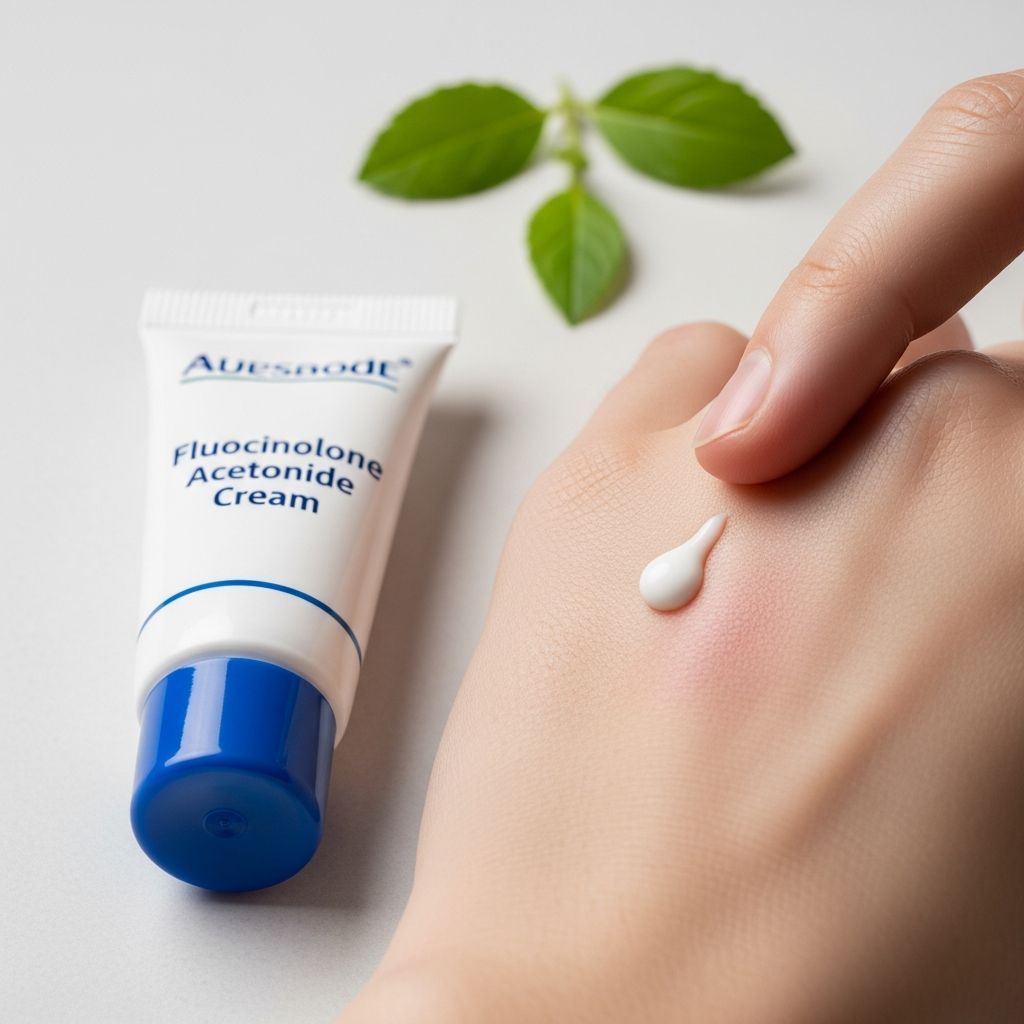
Fluocinolone for Inflammatory Skin Conditions: A Patient’s Guide
Fluocinolone is a topical corticosteroid medication commonly prescribed under brand names such as Synalar to treat various inflammatory skin conditions. This guide provides comprehensive information about how this medication works, its appropriate uses, potential side effects, and important safety considerations for patients and caregivers.
What is Fluocinolone?
Fluocinolone acetonide is a potent topical steroid used to reduce inflammation, redness, itching, swelling, and other discomforts caused by numerous skin conditions. As a corticosteroid, it works by suppressing the immune response and reducing inflammatory mediators in affected skin areas. The medication is available in various formulations, including creams, solutions, and oils, allowing for flexible application depending on the affected area and skin type.
This medication is applied directly to the skin surface, making it a localized treatment that minimizes systemic exposure compared to oral corticosteroids. However, the body can absorb significant amounts through the skin under certain conditions, which is why proper application and dosage are essential.
Uses and Indications
Fluocinolone topical is prescribed for a range of inflammatory and allergic skin conditions. Common uses include:
- Eczema (atopic dermatitis)
- Psoriasis
- Contact dermatitis
- Seborrheic dermatitis
- Lichen planus
- Neurodermatitis
- Anogenital pruritus
- Allergic skin reactions
- Inflammatory dermatoses
Your healthcare provider will determine the appropriate use based on your specific skin condition, severity, affected area, and medical history. The medication is designed to provide relief from symptoms while the underlying condition is managed or resolves.
How to Use Fluocinolone
Proper application technique is crucial for maximizing effectiveness and minimizing risks. Follow these general guidelines:
- Apply thin layer: Use only a small amount, rubbing it gently into the affected skin
- Frequency: Typically apply two to four times daily, or as directed by your physician
- Duration: Use for the shortest duration necessary; avoid prolonged use without medical supervision
- Avoid occlusion: Do not cover treated areas with bandages, wraps, or tight clothing unless specifically instructed
- Clean hands: Wash hands after application unless treating the hands themselves
- Avoid contact: Keep away from eyes, mouth, and mucous membranes
The specific dosage and frequency should be determined by your healthcare provider based on the severity of your condition and the formulation prescribed. Never exceed the recommended dose or duration of use without consulting your doctor.
Common Side Effects
Many patients tolerate fluocinolone well, but some may experience mild side effects that typically resolve as the body adjusts to the medication. Common side effects include:
- Burning, itching, or irritation at the application site
- Dryness or peeling of the skin
- Lightening of skin color in treated areas
- Acne or pimples
- Change in skin texture or appearance
- Redness or flushing
- Bruising or shiny skin appearance
- Tiny red bumps or rash around the mouth (perioral dermatitis)
Related Stories



These side effects are typically localized to the area of application and are usually mild. If any of these effects persist or become bothersome, contact your healthcare provider. Do not discontinue use without medical guidance, as your provider may adjust the dosage or recommend an alternative treatment.
Serious Side Effects and When to Seek Medical Attention
While serious side effects are uncommon, they can occur, particularly with prolonged use, application over large skin areas, or use under occlusive dressings. Seek immediate medical attention if you experience:
- Severe allergic reactions: difficulty breathing, swallowing, hives, or severe rash
- Signs of skin infection: increased redness, swelling, warmth, or pus in the treated area
- Cushing’s syndrome symptoms: excessive weight gain (especially in face and upper back), purple stretch marks, mood changes, or unusual tiredness
- Adrenal gland suppression: severe weakness, dizziness, fainting, rapid or irregular heartbeat, or unusual thirst/urination
- Vision problems: blurred vision, cloudy vision, eye pain, or changes in color perception
- Growth problems in children: slowed growth or delayed weight gain
- Severe skin reactions: blistering, crusting, oozing, or severe scaling
These reactions require prompt evaluation and may necessitate discontinuation of the medication or additional treatment.
Risk of Systemic Absorption
One important consideration with topical corticosteroids is the potential for systemic absorption, where the medication enters the bloodstream through the skin. The risk of systemic absorption increases with:
- Application over large body surface areas
- Prolonged duration of use (weeks to months)
- Use of occlusive dressings or wrappings
- Application to thin-skinned areas (face, neck, intertriginous areas)
- Use on damaged or compromised skin
- Concurrent use of multiple corticosteroid products
When absorbed systemically in significant amounts, fluocinolone can suppress the hypothalamic-pituitary-adrenal (HPA) axis, which regulates stress hormone production. This may lead to reversible adrenal suppression, Cushing’s syndrome, hyperglycemia, or glucosuria. Recovery of HPA axis function is generally prompt and complete upon discontinuation of the drug.
Special Precautions and Drug Interactions
Pediatric Use: Children absorb proportionally larger amounts of topical corticosteroids and are more susceptible to systemic toxicity. Use in children should be limited to the least amount compatible with effective treatment. Growth retardation, delayed weight gain, and suppressed cortisol levels have been reported in children receiving topical corticosteroids. Parents should discuss risks and benefits with their child’s healthcare provider.
Pregnancy and Breastfeeding: Consult your healthcare provider before using fluocinolone if you are pregnant or breastfeeding. While topical application minimizes systemic exposure, it is best to discuss risk-benefit considerations with your provider.
Contraindications: Fluocinolone should not be used by patients with a history of hypersensitivity to any components of the medication. Discontinue use immediately if signs of allergic reaction develop.
Concurrent Infections: If you develop signs of bacterial or fungal infection at the application site, inform your healthcare provider. Appropriate antimicrobial treatment may be necessary, and the corticosteroid should be discontinued until the infection is adequately controlled.
Long-Term Use Considerations
Prolonged use of topical corticosteroids can lead to skin atrophy (thinning and wasting of skin and subcutaneous tissues), which may persist even after discontinuation. This risk is particularly elevated when the medication is applied to intertriginous areas (skin folds), flexor surfaces, or the face, where skin is naturally thinner.
To minimize risks associated with long-term use, healthcare providers typically recommend:
- Using the lowest effective dose for the shortest necessary duration
- Periodic breaks or “drug holidays” to allow skin recovery
- Regular monitoring by a healthcare provider
- Gradual tapering rather than abrupt discontinuation to avoid rebound inflammation
- Exploring alternative or adjunctive treatments for chronic conditions
If you require extended treatment beyond two weeks, consult your healthcare provider to reassess the necessity and explore other management options.
Overdose and Toxicity
Topical overdose is unlikely with normal use, but excessive application or systemic absorption can produce corticosteroid toxicity. Symptoms of overdose include manifestations of Cushing’s syndrome, HPA axis suppression, hyperglycemia, and elevated cortisol levels. If you suspect overdose, discontinue use and contact your healthcare provider or poison control immediately.
Storage and Handling
Store fluocinolone at room temperature, away from heat, moisture, and direct sunlight. Keep the medication in its original container with the label intact. Avoid storing in bathrooms or areas with high humidity. Keep out of reach of children and pets. Do not use after the expiration date listed on the package.
Frequently Asked Questions
Q: Can I use fluocinolone on my face?
A: Fluocinolone can be used on facial skin, but only as directed by your healthcare provider and for short durations. Facial skin is thin and highly absorptive, increasing the risk of side effects like skin atrophy. Never use more potent corticosteroids on the face without specific medical guidance.
Q: How long can I safely use fluocinolone?
A: Most healthcare providers recommend limiting topical corticosteroid use to two weeks without medical reassessment. Prolonged use increases risks of skin atrophy and systemic absorption. Your doctor may recommend longer use for certain conditions, but this requires regular monitoring.
Q: Can I use fluocinolone under bandages or wrappings?
A: No. Occlusive dressings significantly increase systemic absorption and the risk of side effects. Use only as directed, and do not cover treated areas with bandages, plastic wrap, or tight clothing unless your healthcare provider specifically instructs you to do so.
Q: Is fluocinolone safe for children?
A: Fluocinolone can be used in children, but with caution. Children absorb more topical steroid relative to body size and face greater risks of systemic toxicity and growth suppression. Use should be limited to the minimum effective amount and duration, with regular monitoring by a healthcare provider.
Q: What should I do if I miss a dose?
A: Apply the missed dose as soon as you remember. However, if it is nearly time for your next scheduled application, skip the missed dose and resume your regular schedule. Do not apply double amounts to compensate for a missed dose.
Q: Can I combine fluocinolone with other topical medications?
A: Consult your healthcare provider before combining fluocinolone with other topical products. Using multiple corticosteroid products concurrently increases the risk of systemic absorption and adverse effects. Your provider can recommend safe combinations if necessary.
Q: Are there alternatives to fluocinolone?
A: Yes. Alternatives depend on your specific condition and may include other topical corticosteroids of different potencies, calcineurin inhibitors, phosphodiesterase-4 inhibitors, or non-pharmacological approaches like moisturizing and avoiding triggers. Discuss options with your healthcare provider.
Q: What if my skin doesn’t improve after two weeks of treatment?
A: Contact your healthcare provider. Lack of improvement may indicate the need for a different medication, a change in potency, or reassessment of the underlying condition. Your provider may also recommend additional diagnostic testing.
References
- Fluocinolone (topical application route) – Side effects & dosage — Mayo Clinic. Last updated December 2025. https://www.mayoclinic.org/drugs-supplements/fluocinolone-topical-application-route/description/drg-20073886
- Synalar (Fluocinolone Acetonide): Side Effects, Uses, and Precautions — RxList. https://www.rxlist.com/synalar-drug.htm
- Fluocinolone topical – Uses, Side Effects, and More — WebMD. https://www.webmd.com/drugs/2/drug-1447-9021/fluocinolone-topical/fluocinolone-eczema-oil-topical/details
- Fluocinolone Topical: MedlinePlus Drug Information — National Library of Medicine. Last updated January 2026. https://medlineplus.gov/druginfo/meds/a682271.html
- Synalar 0.01 % topical solution — Kaiser Permanente Health Encyclopedia. https://healthy.kaiserpermanente.org/health-wellness/drug-encyclopedia/drug.synalar-0-01-topical-solution.248181
Similar Articles








Read full bio of Sneha Tete