Fluorouracil for Sun-Damaged Skin: Treatment Guide
Comprehensive guide to fluorouracil treatment for actinic keratosis and sun damage.
Fluorouracil for Sun-Damaged Skin: A Complete Treatment Guide
Fluorouracil cream (commonly known by trade names Efudix, Actikerall, and Carac) is a topical medication used to treat sun-damaged skin conditions, particularly actinic keratosis (also called solar keratosis). This comprehensive guide explains what fluorouracil is, how it works, how to use it, and what results you can expect from treatment.
What is Actinic Keratosis?
Actinic keratosis, or solar keratosis, represents areas of skin damage caused by prolonged exposure to ultraviolet (UV) radiation from the sun over many years. These lesions appear as rough, scaly, or crusted patches, typically developing on sun-exposed areas of the body including the face, scalp, ears, nose, forearms, and hands.
While actinic keratosis can be unsightly and cause discomfort, the more significant concern is that these lesions are precancerous, meaning they have the potential to develop into skin cancer, most commonly squamous cell carcinoma (SCC). This is why dermatologists recommend treating these lesions promptly rather than leaving them untreated.
Sun-damaged skin is particularly common in individuals who have spent significant time outdoors without adequate sun protection throughout their lives, including those who work in outdoor occupations, live in sunny climates, or regularly engage in outdoor activities.
How Does Fluorouracil Work?
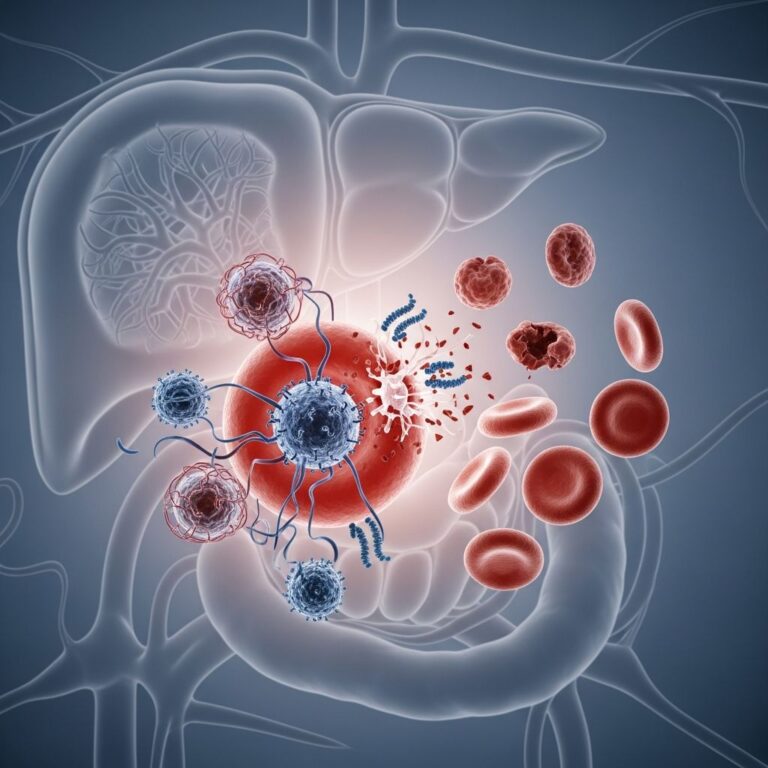
Fluorouracil is a topical chemotherapy medication that belongs to a class of drugs called antimetabolites. The cream works by targeting and destroying the abnormal, fast-growing cells that comprise actinic keratosis lesions while leaving healthy skin cells largely unaffected.
The medication penetrates the skin and causes the abnormal cells to die off. As these damaged cells are eliminated, the body’s natural healing process replaces them with new, healthy skin tissue. This selective destruction of damaged cells while preserving healthy tissue is one of the key advantages of fluorouracil treatment.
The healing response triggered by fluorouracil typically manifests as inflammation and redness in the treated area, which is actually a positive sign indicating that the medication is working effectively. This inflammatory reaction is a normal and expected part of the treatment process.
Medical Uses and Indications
Fluorouracil cream has several approved uses in dermatology:
- Actinic keratosis (solar keratosis) — the primary indication for fluorouracil treatment, effectively eliminating precancerous lesions caused by sun damage
- Superficial basal cell carcinoma — a type of non-melanoma skin cancer that can be treated with fluorouracil when conventional treatments are not suitable
- Field cancerization — large areas of diffuse sun damage that may contain multiple lesions or areas at risk of malignant transformation
Fluorouracil was first approved for use in treating solar keratosis in 1991 in Australia and has been used clinically since the 1960s, making it an established and well-studied treatment option.
Related Stories



How to Apply Fluorouracil Cream
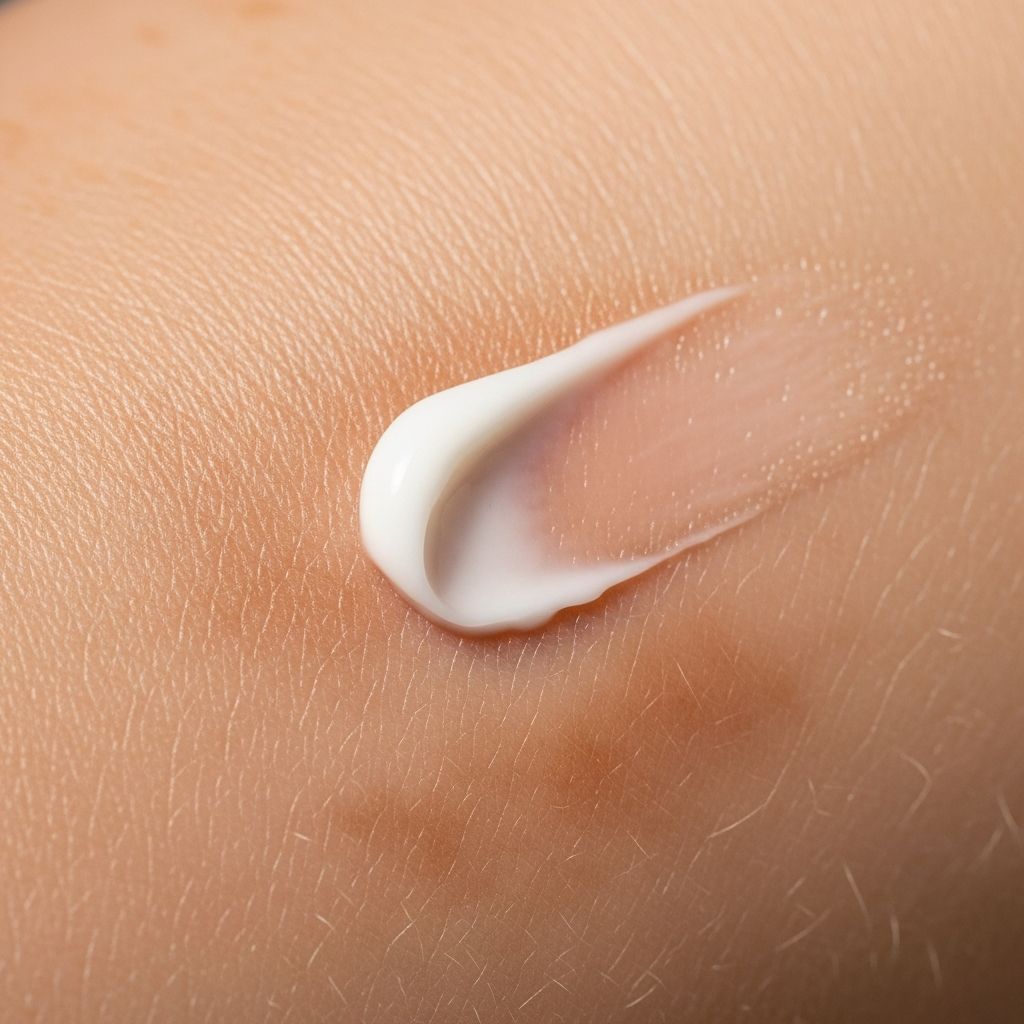
Standard Application Instructions
Fluorouracil is prescribed as a course of treatment rather than an ongoing, long-term therapy. The typical treatment regimen involves:
- Frequency: Application once or twice daily
- Duration: Approximately 3-4 weeks (typically 28 days)
- Coverage area: The entire affected body part or up to 500 cm² of skin surface
Application Guidelines
When applying fluorouracil cream, follow these important guidelines:
- Apply the cream only to affected areas as directed by your healthcare provider
- Avoid sensitive areas: Do not apply near the eyes, nostrils, or lips
- Avoid broken skin: Do not apply to open wounds or areas with broken skin integrity
- Wash your hands thoroughly after application, unless treating your hands
- Do not use any other skin products during treatment unless specifically instructed by your doctor
- Do not cover treated areas with dressings unless advised by your healthcare provider
Sun Protection During Treatment
Sun protection is critically important during fluorouracil treatment. Excessive sun exposure can significantly worsen treatment side effects, including increased skin sensitivity and heightened risk of severe sunburn. During your treatment course:
- Avoid prolonged sun exposure and UV sources such as sunbeds
- Apply broad-spectrum sunscreen with a high SPF (minimum SPF 30, preferably SPF 50+) generously before going outdoors
- Reapply sunscreen every two hours and after swimming or sweating
- Wear protective clothing such as long sleeves, wide-brimmed hats, and sunglasses when possible
- Seek shade during peak sun hours (10 AM to 4 PM)
What to Expect During Treatment
Timeline of Changes
As you progress through your fluorouracil treatment course, your skin will undergo a predictable sequence of changes:
- Week 1: Redness and mild irritation typically develop as the medication begins attacking damaged cells
- Week 2-3: The inflammatory reaction intensifies, with increased redness, soreness, and possibly crusting or scaling
- Week 4 and beyond: The reaction gradually resolves as healing progresses; improvement is usually noticeable by 1-2 weeks after treatment completion
Expected Symptoms
During treatment, you may experience various symptoms as your skin responds to the medication:
- Redness and inflammation of the treated area
- Burning sensation or stinging pain
- Itching and discomfort
- Crusting or peeling of the skin
- Swelling or puffiness in treated areas
- Weeping or oozing from lesions
It is important to understand that these reactions are signs that the treatment is working, not indications of a problem. The abnormal cells are being destroyed, which triggers the inflammatory response. However, if the reaction becomes unbearably uncomfortable or severe, contact your healthcare provider for guidance.
Managing Discomfort
Several strategies can help manage treatment-related discomfort:
- Apply moisturizing creams or after-sun gels to soothe irritated skin
- Use cool compresses to reduce redness and inflammation
- Take over-the-counter pain relievers if needed
- Wear loose, soft clothing to minimize friction on treated areas
- Avoid hot water; use lukewarm water for cleansing
After Treatment Completion
Post-Treatment Care
After completing your fluorouracil course, your healthcare provider may recommend:
- 1% hydrocortisone cream applied once daily to help reduce residual skin inflammation
- Fucidin H cream as an alternative anti-inflammatory option if recommended
- Continued sun protection and use of broad-spectrum sunscreen
- Gentle skincare with fragrance-free moisturizers
Expected Results
Treatment with fluorouracil produces excellent results in clearing actinic keratosis lesions. Clinical studies have demonstrated clearance rates ranging from 59-94%, depending on factors such as:
- Skin type and sensitivity
- Size and number of lesions
- Treatment area location
- Individual healing response
After treatment, you can expect clearer, smoother skin with significant reduction in visible sun-damaged lesions. The treated area will appear healthier with improved skin texture and tone. Most patients notice improvement beginning 1-2 weeks after completing treatment, with complete resolution of the inflammatory reaction typically occurring within 2-4 weeks.
Effectiveness and Clinical Outcomes
Fluorouracil cream is one of the most effective topical treatments available for actinic keratosis. The medication has been extensively studied and has demonstrated consistent efficacy in destroying sun-damaged cells and reducing the risk of progression to skin cancer.
Research indicates that fluorouracil treatment provides benefits extending beyond the immediate treatment period. Studies tracking patients for at least 3 years post-treatment have shown reduced rates of squamous cell carcinoma development in treated areas compared to untreated sun-damaged skin, demonstrating long-term protective benefits against cancer development.
Important Precautions and Contraindications
Before beginning fluorouracil treatment, inform your healthcare provider about:
- Pregnancy or plans to become pregnant — fluorouracil may harm a developing fetus
- Breastfeeding — the medication may pass into breast milk
- Allergies to fluorouracil or other ingredients in the cream
- Other medical conditions or medications you are taking
- Previous adverse reactions to similar medications
Do not use fluorouracil if you have a known hypersensitivity to the medication or any of its components.
Frequently Asked Questions
How long does fluorouracil treatment take?
Standard fluorouracil treatment typically lasts 3-4 weeks with once or twice daily applications. The duration may vary based on your skin type, the severity of damage, and your individual response to treatment.
Is fluorouracil treatment painful?
Some patients experience discomfort including burning, stinging, and itching during treatment. These sensations are normal and usually manageable with moisturizers and cool compresses. If pain becomes severe, contact your healthcare provider.
Can I continue my regular skincare routine during treatment?
No. You should avoid using other skin products during fluorouracil treatment unless specifically instructed by your doctor. After treatment completion, you can gradually resume your normal skincare routine.
What is the success rate of fluorouracil treatment?
Clinical studies show clearance rates of 59-94% for actinic keratosis, with most patients experiencing significant improvement or complete resolution of visible lesions.
Can actinic keratosis return after treatment?
While fluorouracil effectively clears existing lesions, new actinic keratosis can develop in sun-damaged areas if adequate sun protection is not maintained. This is why ongoing sun protection is crucial for long-term skin health.
Is fluorouracil treatment covered by insurance?
Coverage varies by insurance plan and whether treatment is deemed medically necessary. Contact your insurance provider for specific information about coverage for fluorouracil therapy.
Can fluorouracil be used on the face and body?
Yes, fluorouracil can be applied to various body areas affected by sun damage, including the face, scalp, ears, neck, forearms, and hands. Application techniques may vary slightly depending on location.
Prevention and Long-Term Skin Health
Following fluorouracil treatment, maintaining healthy skin requires consistent sun protection and prevention strategies:
- Daily sunscreen: Apply SPF 30 or higher sunscreen daily, even on cloudy days
- Protective clothing: Wear long sleeves, hats, and sunglasses during outdoor activities
- Limit sun exposure: Avoid prolonged sun exposure during peak UV hours
- Avoid tanning: Avoid sunbeds and other artificial UV sources
- Regular skin checks: Have periodic skin examinations by a dermatologist to monitor for new lesions
Proper prevention is essential for reducing the risk of developing new actinic keratosis and other sun-related skin damage in the future.
References
- Fluorouracil Topical: MedlinePlus Drug Information — National Library of Medicine. Accessed 2026. https://medlineplus.gov/druginfo/meds/a605010.html
- Fluorouracil (topical route) – Side effects & dosage — Mayo Clinic. Accessed 2026. https://www.mayoclinic.org/drugs-supplements/fluorouracil-topical-route/description/drg-20063877
- 5-Fluorouracil “Chemowraps” in the Treatment of Multiple Actinic Keratoses — PubMed Central. 2015. https://pmc.ncbi.nlm.nih.gov/articles/PMC4580657/
- Solar keratoses and treatment with fluorouracil cream — Cambridge University Hospitals NHS Foundation Trust. Accessed 2026. https://www.cuh.nhs.uk/patient-information/solar-keratoses-and-treatment-with-fluorouracil-cream/
- Fluorouracil (5-FU): How to Apply & Side Effects — Cleveland Clinic. Accessed 2026. https://my.clevelandclinic.org/health/drugs/19329-fluorouracil-5-fu-skin-cream-or-solution
- 5-Fluorouracil Treatment for Actinic Keratoses — Mid-County Dermatology. Accessed 2026. https://www.midcountyderm.com/post/5-fluorouracil-treatment
- Fluorouracil (cream) — Healthify. Accessed 2026. https://healthify.nz/medicines-a-z/f/fluorouracil-cream
Similar Articles








Read full bio of medha deb