Flurandrenolide for Inflammatory Skin Conditions (Cordran)
Comprehensive guide to using flurandrenolide (Cordran) for eczema, psoriasis, and other inflammatory skin conditions effectively and safely.
Authored by Dr. Smith, Reviewed 2025
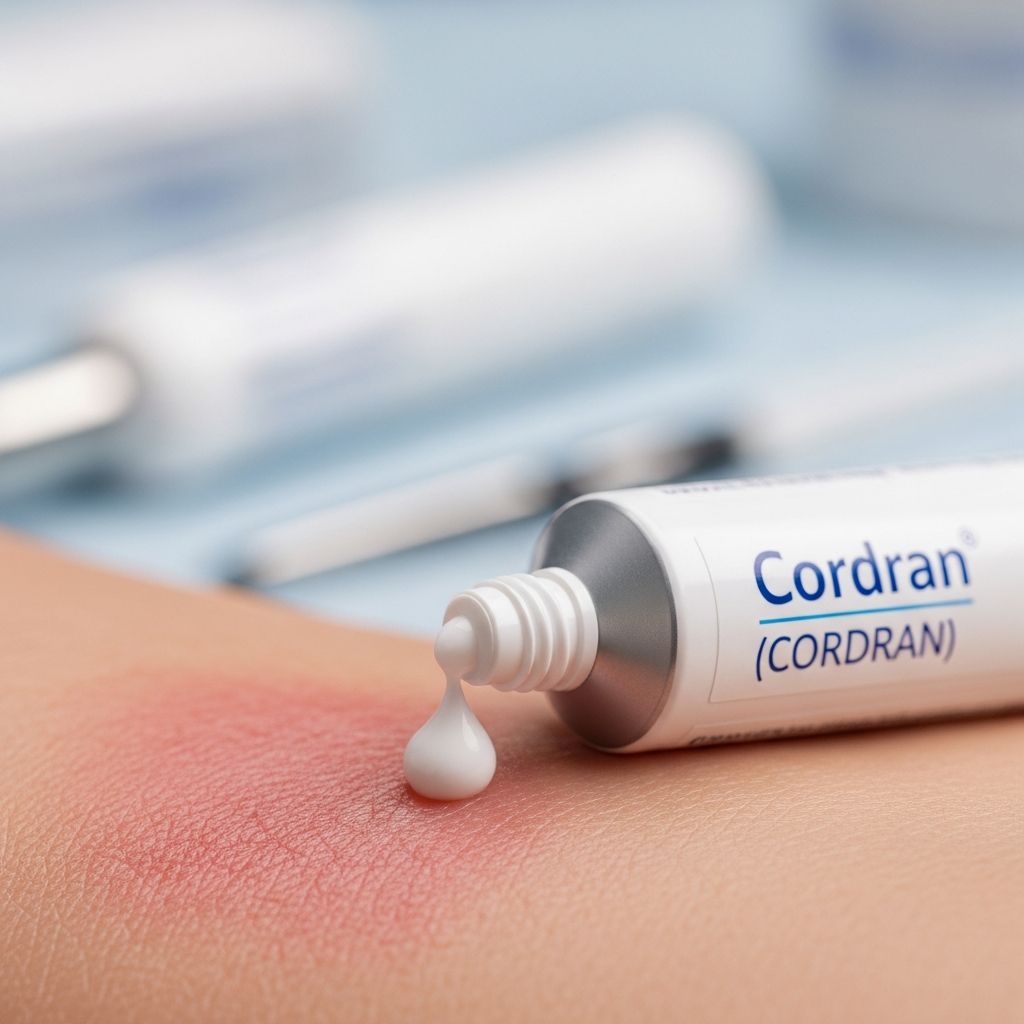
Flurandrenolide, commonly known by the brand name
Cordran
, is a potent topical corticosteroid medication designed to alleviate the symptoms of various inflammatory skin conditions. It effectively reducesitching
,redness
,swelling
,dryness
,crusting
,scaling
, and discomfort associated with dermatoses such as eczema, psoriasis, and dermatitis. As a synthetic glucocorticoid, flurandrenolide works by suppressing the body’s inflammatory response, making it a cornerstone treatment for corticosteroid-responsive skin disorders.About flurandrenolide
Flurandrenolide belongs to the class of
corticosteroids
, which mimic the effects of natural hormones produced by the adrenal glands. Its primary mechanism involves anti-inflammatory, antipruritic (itch-relieving), and vasoconstrictive actions. It activates natural substances in the skin that diminish swelling and redness while inhibiting the release of inflammatory mediators like cytokines and lysosomal enzymes from immune cells such as neutrophils, macrophages, and mast cells.Available in multiple forms—**ointment**,
cream
,lotion
, andtape
—flurandrenolide caters to different skin types and lesion characteristics. The tape form, branded as Cordran Tape, is particularly suited for dry, scaling lesions, providing occlusion to enhance penetration. Potency varies: tape is ultra-high potency, while creams and lotions are medium strength, allowing tailored therapy based on condition severity.Unlike oral steroids, topical flurandrenolide minimizes systemic absorption when used correctly, reducing the risk of widespread side effects. However, prolonged or improper use can lead to local skin changes or, rarely, systemic effects like adrenal suppression.
Key facts
- Corticosteroid class: Medium to ultra-high potency topical steroid (depending on form).
- Forms available: Cream (0.05%), ointment (0.05%), lotion (0.05%), tape (4 mcg/cm²).
- Prescription-only: Requires a doctor’s prescription; not for over-the-counter use.
- Onset of action: Improvement typically seen within 1-2 weeks; full effects may take longer.
- Not for infections: Do not use on infected skin without concurrent antibacterial/antifungal treatment.
- Children: Use with caution; dose determined by physician due to higher absorption risk.
About inflammatory skin conditions
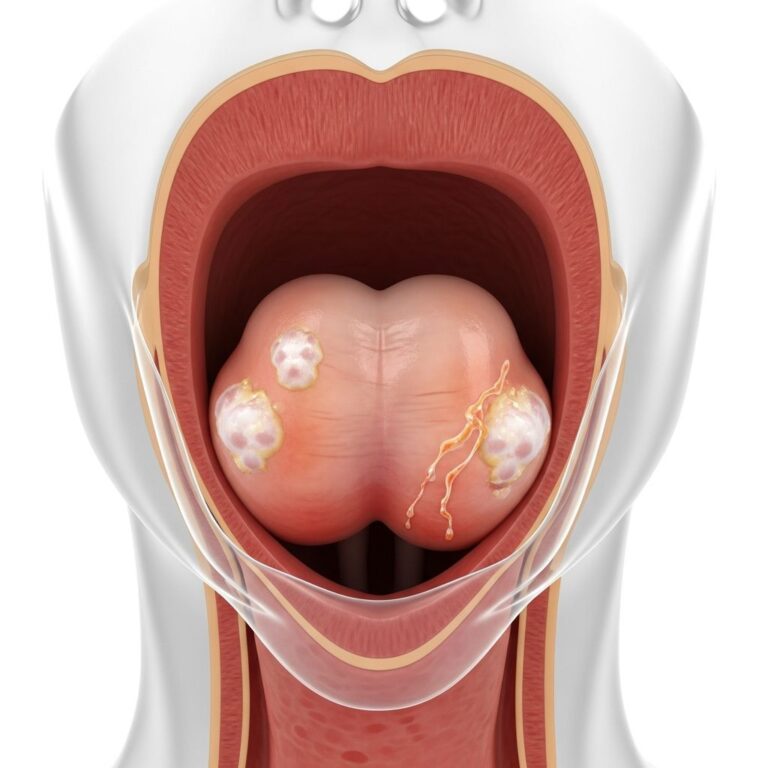
Inflammatory skin conditions encompass a range of disorders characterized by immune-mediated inflammation.
Eczema
(atopic dermatitis) presents as dry, itchy, red patches that may ooze or crust.Psoriasis
features thick, scaly plaques due to rapid skin cell turnover. Other responsive conditions include contact dermatitis, allergic reactions, and seborrheic dermatitis.These conditions disrupt the skin barrier, leading to discomfort and increased infection risk. Topical corticosteroids like flurandrenolide target the underlying inflammation, restoring skin integrity. Early intervention prevents chronicity and complications like secondary infections or scarring.
Types of flurandrenolide
| Form | Strength | Best For | Application Frequency |
|---|---|---|---|
| Cream | 0.05% | Moist or weeping lesions | 2-3 times daily |
| Ointment | 0.05% | Dry, thick lesions | 2-3 times daily |
| Lotion | 0.05% | Hairy areas, large surfaces | 2-3 times daily |
| Tape | 4 mcg/cm² | Dry, scaling lesions (e.g., psoriasis) | Every 12 hours |
Select the form based on lesion type: ointments for occlusion on dry skin, creams for flexibility, lotions for ease on hair-bearing areas, and tape for localized scaling.
Related Stories



How to use flurandrenolide
Always follow your doctor’s instructions precisely. Wash hands before and after application. Apply a thin layer to the affected area, gently rubbing in until absorbed. Avoid eyes, mouth, nose, or open wounds.
- Standard dosage: Cream/lotion/ointment: 2-3 times daily. Tape: Every 12 hours; cut to size, apply smooth side to skin, leave 12 hours then remove 12 hours.
- Duration: Short-term (up to 2 weeks initially); taper if long-term use needed.
- Tape tips: Ensure skin is clean/dry; do not use on moist lesions, face, or flexures. Alternate application sites.
- Children: Lower doses, smaller areas; monitor closely.
Improvement should occur within 2 weeks. If not, consult your doctor—do not extend use arbitrarily.
Dosage
Adults: Apply sparingly 2-3 times daily to affected areas. Tape: Every 12 hours.Children: Physician-determined; avoid large areas or prolonged use due to absorption risks.
How to use tape
Cordran Tape is unique: Cut to cover lesion plus 0.5-inch margin. Round corners, apply adhesive side out? No—smooth (medicated) side to skin. Press firmly, leave 12 hours, remove 12 hours. Do not reuse tape. Ideal for localized dry lesions; contraindicated in moist areas or infections.
Cautions
Do not use if allergic to flurandrenolide or ingredients. Caution in diabetes, Cushing’s, infections, or broken skin—may worsen conditions.
- Avoid face, groin, axillae (high absorption).
- Do not cover/occlude unless directed (increases absorption).
- Pregnancy/breastfeeding: Use only if benefits outweigh risks.
Side effects
Common: Burning, itching, irritation, dryness—often resolve.
Serious (seek immediate care): Signs of infection (pus, swelling), severe rash, skin thinning, stretch marks, acne-like bumps, hypopigmentation.
- Local: Thinning, striae, telangiectasia (especially prolonged use).
- Systemic (rare): Adrenal suppression with extensive use.
Interactions
Minimal topical interactions, but inform doctor of other topicals or systemic meds. Avoid combining with other steroids.
Alternatives
| Alternative | Use Case | Potency |
|---|---|---|
| Hydrocortisone | Mild conditions | Low |
| Clobetasol | Severe psoriasis | Ultra-high |
| Tacrolimus | Face/steroid-sparing | Non-steroidal |
Common questions
Can I use flurandrenolide long-term?
Not recommended; limit to 2-4 weeks. Prolonged use risks skin atrophy. Taper under guidance.
Is Cordran Tape safe for children?
Only under pediatrician supervision; higher risks in young skin.
What if no improvement in 2 weeks?
Contact doctor; may indicate infection or resistance.
Can it cause skin lightening?
Yes, hypopigmentation possible, especially in dark skin.
Is it safe during pregnancy?
Category C; use sparingly if essential.
References
- Flurandrenolide Topical — Middle Tennessee Specialists. 2023. https://www.middletnentspecialists.com/health-library/hw-view.php?DOCHWID=a601055
- Flurandrenolide (topical application route) — Mayo Clinic. 2025-01-10. https://www.mayoclinic.org/drugs-supplements/flurandrenolide-topical-application-route/description/drg-20073618
- Flurandrenolide: Uses, Interactions, Mechanism of Action — DrugBank Online. 2024. https://go.drugbank.com/drugs/DB00846
- Flurandrenolide (Cordran): Uses, Side Effects — WebMD. 2025. https://www.webmd.com/drugs/2/drug-2245/cordran-topical/details
- flurandrenolide topical — MyActiveHealth. 2023. https://www.myactivehealth.com/hwcontent/content/multum/d01295a1.html
- Flurandrenolide (Cordran) — GoodRx. 2025-01-05. https://www.goodrx.com/flurandrenolide/what-is
Similar Articles








Read full bio of Sneha Tete