Flushing: Causes, Triggers, and Treatment Options
Understanding facial flushing: From vasodilation to medical conditions and effective management strategies.
What is Flushing?
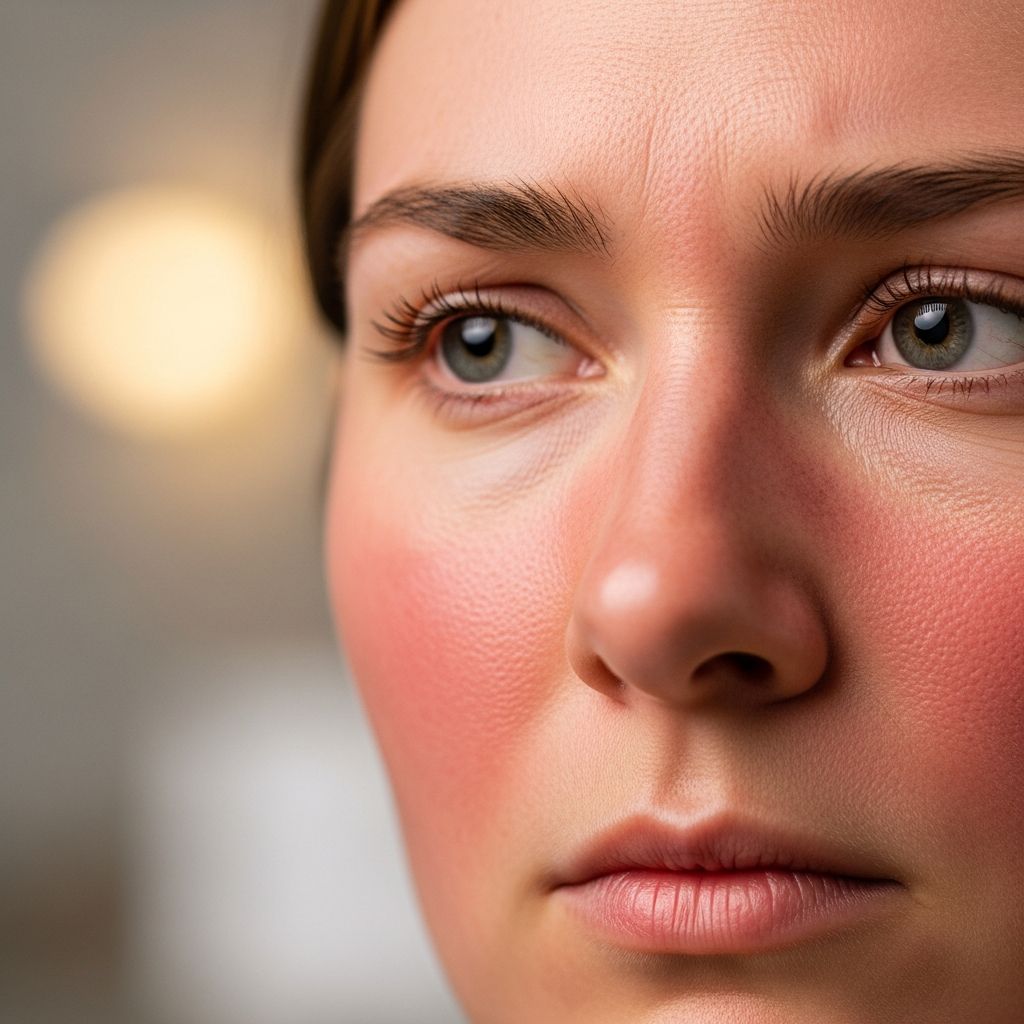
Flushing occurs because the blood vessels in the skin dilate, causing visible redness primarily on the face, neck, and occasionally the upper chest. This vascular response is a normal physiological reaction that can be triggered by various factors ranging from environmental conditions to underlying medical conditions. Understanding the mechanism behind flushing is essential for identifying its cause and determining appropriate management strategies.
The physiological process of flushing involves the widening of blood vessels close to the skin’s surface, which increases blood flow and causes the characteristic redness. When flushing is produced by the activity of the nerves to the blood vessels, it is accompanied by sweating. In contrast, agents which act directly on the blood vessels cause dry flushing without perspiration. This distinction is important for diagnosing the underlying cause of flushing episodes.
Types of Flushing
Neurological Flushing
Neurological flushing occurs when the nervous system triggers blood vessel dilation and is typically accompanied by sweating. This type of flushing is commonly associated with emotional responses and stress-related situations. Blushing is a classic example of neurological flushing, representing a sudden reddening of the face, neck, and occasionally the upper chest. Blushing typically occurs in response to high levels of anxiety, such as during presentations, meetings, or social situations where individuals fear judgment, criticism, or evaluation by others.
Dry Flushing
Dry flushing occurs when agents act directly on blood vessels without triggering the nervous system’s sweating response. This type of flushing is commonly associated with certain medications, food additives, and specific medical conditions. The absence of sweating can help clinicians differentiate between neurological and direct vascular causes of flushing.
Causes of Flushing
Causes of flushing may be considered under several broad categories, each with distinct characteristics and management approaches:
Alcohol-Related Flushing
Alcohol is a well-known trigger for flushing, and certain medications intensify this response when combined with alcohol consumption. Several drugs cause pronounced flushing when patients drink alcohol, including specific cardiovascular and antibiotic medications. Alcohol can also cause flushing while mushrooms are being consumed, and in patients with rare conditions such as carcinoid tumors. The intensity and frequency of alcohol-related flushing vary among individuals based on genetic factors and medication interactions.
Food-Related Flushing
Flushing associated with eating is very common and can be triggered by various food components and additives. While flushing related to food additives is uncommon overall, certain foods and beverages are well-established triggers:
- Hot beverages and spicy foods
- Histamine-rich foods such as fermented products
- Food additives including certain E numbers
- Kava consumption
- Improperly stored or canned fish products
Scombroid fish poisoning represents a specific food-related cause of flushing, resulting from bacteria acting on improperly refrigerated mackerel, tuna, and bonito fish. Histamine forms in the flesh of these fish, and combined with a toxin known as saurine, it can produce facial flushing and other systemic symptoms when ingested. Notably, cooking does not destroy this toxin, and even canned tuna may produce facial flushing in susceptible individuals.
Related Stories



Medication-Induced Flushing
In susceptible individuals, numerous medications may cause flushing as a side effect. These include vasodilators, certain blood pressure medications, antibiotics, and hormonal agents. Patients should discuss any new or persistent flushing with their healthcare providers, as medication adjustments may be necessary. The mechanism varies depending on the medication class, with some directly affecting blood vessel function while others work through systemic pathways.
Neurological and Psychological Causes
Neurologic flushing occurs in association with several conditions:
- Anxiety and stress responses
- Social embarrassment or fear of judgment
- Panic attacks
- Emotional distress
- Hyperhidrosis (excessive sweating)
These psychological and neurological triggers activate the autonomic nervous system, resulting in sympathetic activation that causes both flushing and sweating. The response is involuntary and can be particularly distressing for individuals who experience frequent episodes.
Systemic Medical Conditions
Several serious medical conditions present with flushing as a prominent symptom:
- Carcinoid tumour with liver metastases: Flushing results from circulating serotonin, which is released by carcinoid tumor cells. Episodes are often accompanied by diarrhea and other gastrointestinal symptoms.
- Phaeochromocytoma: This adrenal gland tumor releases excess catecholamines (epinephrine and norepinephrine), causing sudden episodes of facial flushing, severe headaches, profuse sweating, and elevated blood pressure.
- Systemic mastocytosis: Flushing occurs due to circulating histamine release and is associated with low blood pressure (fainting) and breathing difficulties (bronchospasm). This rare condition requires specialized management.
Flushing Associated with Skin Conditions
Rosacea
Rosacea is the most common skin condition associated with a tendency to flush easily. When blood vessels close to the skin widen (vasodilate), it causes redness (flushing), which is particularly evident in people with pale skin. Rosacea involves chronic inflammation of facial blood vessels, leading to persistent or intermittent redness, visible blood vessels, and sometimes acne-like lesions. The condition often follows a pattern of temporary redness triggered by specific factors, followed by periods of relative stability.
Common triggers for rosacea-related flushing include temperature extremes, spicy foods, alcoholic beverages, emotional stress, and certain skincare products. Understanding individual triggers is crucial for managing rosacea effectively, as avoidance can significantly reduce symptom frequency and severity. A symptom diary can help patients identify their specific triggers and monitor treatment response.
Other Dermatological Causes
Beyond rosacea, several other skin conditions and syndromes present with flushing:
- Keratosis pilaris rubra: A variant of keratosis pilaris characterized by redness on the cheeks, often more pronounced with psychological stress
- Auriculotemporal syndrome: Characterized by sweating, flushing, and warming over the preauricular area (in front of the ear) and temporal areas
- Sensitive skin: Associated with flushing and blushing, persistent redness, and broken capillaries (telangiectasia)
Comparison of Flushing Characteristics
| Flushing Type | Associated Symptoms | Common Triggers | Distinguishing Features |
|---|---|---|---|
| Neurological Flushing | Redness + Sweating | Emotion, anxiety, embarrassment | Accompanied by perspiration |
| Dry Flushing | Redness without sweating | Medications, alcohol, food additives | No perspiration present |
| Rosacea-Related | Persistent redness, visible vessels | Temperature, spicy food, alcohol, stress | Chronic condition with episodic triggers |
| Systemic Condition-Related | Flushing + systemic symptoms | Varies by condition (carcinoid, pheo, mastocytosis) | Accompanied by other organ system signs |
Diagnosis of Flushing
Accurate diagnosis of flushing requires a comprehensive clinical evaluation. Healthcare providers will obtain a detailed history including:
- Frequency and duration of flushing episodes
- Associated symptoms (sweating, palpitations, headaches)
- Identified triggers and circumstances
- Medications currently being taken
- Recent dietary changes or food consumption patterns
- Impact on quality of life and psychological well-being
Physical examination focuses on the distribution and characteristics of redness, presence or absence of other skin findings, and general systemic health assessment. Additional diagnostic tests may include laboratory studies, imaging, or dermatological evaluation depending on the suspected underlying cause.
Treatment Approaches for Flushing
The treatment for flushing depends on the underlying cause. A comprehensive management strategy should address both the root cause and symptom relief:
Trigger Avoidance
For most types of flushing, identifying and avoiding specific triggers is the first-line approach. This may include:
- Limiting alcohol consumption or avoiding specific alcoholic beverages
- Avoiding spicy foods and hot beverages
- Managing stress through relaxation techniques and psychological support
- Protecting skin from temperature extremes
- Discontinuing medications that trigger flushing when medically appropriate
Topical Treatments
For rosacea and sensitive skin-related flushing, various topical therapies may help reduce redness and inflammation. These include specially formulated skincare products designed for sensitive or reactive skin, and prescription topical medications that reduce blood vessel reactivity.
Systemic Medications
For more severe or persistent flushing, systemic medications may be prescribed. These can include beta-blockers, alpha-adrenergic agents, or medications targeting the underlying condition causing the flushing. Treatment selection depends on the specific diagnosis and individual patient factors.
Procedural Interventions
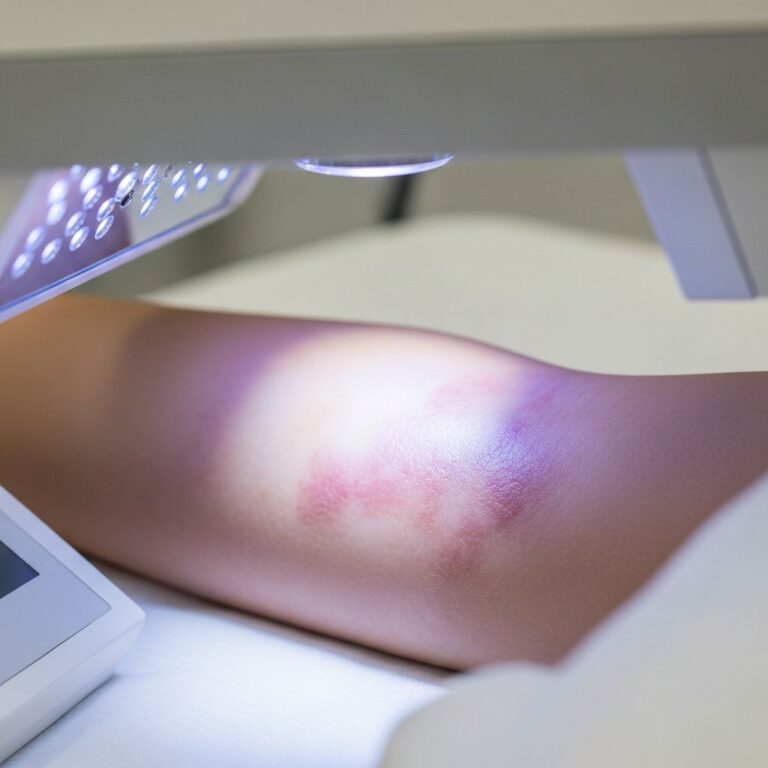
For rosacea-related redness and visible blood vessels, laser and light-based therapies such as pulsed dye laser treatment can effectively reduce erythema and improve appearance. These procedures work by selectively targeting dilated blood vessels while preserving surrounding tissue.
Lifestyle Modifications
Comprehensive management includes lifestyle modifications such as stress management, adequate sleep, regular exercise, and maintaining skin hydration. For neurological flushing, cognitive-behavioral therapy and desensitization techniques may help reduce the psychological component of blushing episodes.
When to Seek Medical Attention
While most flushing is benign and related to environmental triggers or rosacea, certain presentations warrant urgent medical evaluation:
- Sudden onset of severe, unexplained flushing
- Flushing accompanied by other systemic symptoms (palpitations, tremor, severe headache)
- Flushing associated with fainting or breathing difficulties
- Progressive worsening of symptoms despite trigger avoidance
- Flushing that significantly impacts quality of life or psychological well-being
Frequently Asked Questions
Q: Is flushing always accompanied by sweating?
A: No. Flushing accompanied by sweating occurs with neurological causes, while dry flushing (without sweating) occurs when agents act directly on blood vessels. The presence or absence of sweating can help identify the underlying cause.
Q: Can rosacea-related flushing be prevented?
A: While rosacea cannot be cured, flushing episodes can be significantly reduced through trigger identification and avoidance. Keeping a symptom diary and working with a dermatologist to identify personal triggers is highly effective for managing the condition.
Q: When should I be concerned about flushing from food?
A: Most food-related flushing is harmless. However, seek medical attention if flushing is accompanied by other symptoms such as hives, difficulty breathing, swelling, or gastrointestinal distress, as these may indicate a serious allergic reaction.
Q: Can stress management help reduce blushing?
A: Yes. Since blushing is a neurological response to anxiety and emotional stress, stress management techniques, cognitive-behavioral therapy, and gradual exposure to triggering social situations can help reduce both the frequency and intensity of blushing episodes.
Q: What should I do if flushing is caused by a medication?
A: Contact your healthcare provider before making any changes. They may adjust your dose, switch to an alternative medication, or provide additional strategies to manage the flushing while continuing necessary treatment.
Q: Is flushing associated with rosacea permanent?
A: Rosacea-related redness can be intermittent or persistent depending on the severity and individual factors. While the condition is chronic, modern treatments including laser therapy, topical medications, and trigger avoidance can significantly improve appearance and reduce symptom frequency.
References
- Flushing — DermNet NZ, Dr Amanda Oakley, Dermatologist. 1997. https://dermnetnz.org/topics/flushing
- Blushing — DermNet NZ, Vanessa Ngan, Staff Writer. 2005. https://dermnetnz.org/topics/blushing
- What’s triggering my rosacea? And why? — DermNet NZ, Dr Libby Whittaker, Medical Writer; Dr Ian Coulson, Reviewing Dermatologist. May 2024. https://dermnetnz.org/topics/rosacea/whats-triggering-my-rosacea
- Auriculotemporal syndrome — DermNet NZ, Matthew James Verheyden, Claudia Hadlow, Dr Tevi Wain. November 2019. https://dermnetnz.org/topics/auriculotemporal-syndrome
- Sensitive skin — DermNet NZ, Dr Delwyn Dyall-Smith, Dermatologist. 2009. https://dermnetnz.org/topics/sensitive-skin
- Recent advances in understanding and managing rosacea — F1000Research, Buddenkotte J, Steinhoff M. 2018. doi: 10.12688/f1000research.16537.1 https://doi.org/10.12688/f1000research.16537.1
Similar Articles








Read full bio of medha deb