Fluticasone for Severe Inflammatory Skin Conditions
Comprehensive guide to using fluticasone cream and ointment for treating severe eczema, dermatitis, and other inflammatory skin issues effectively.
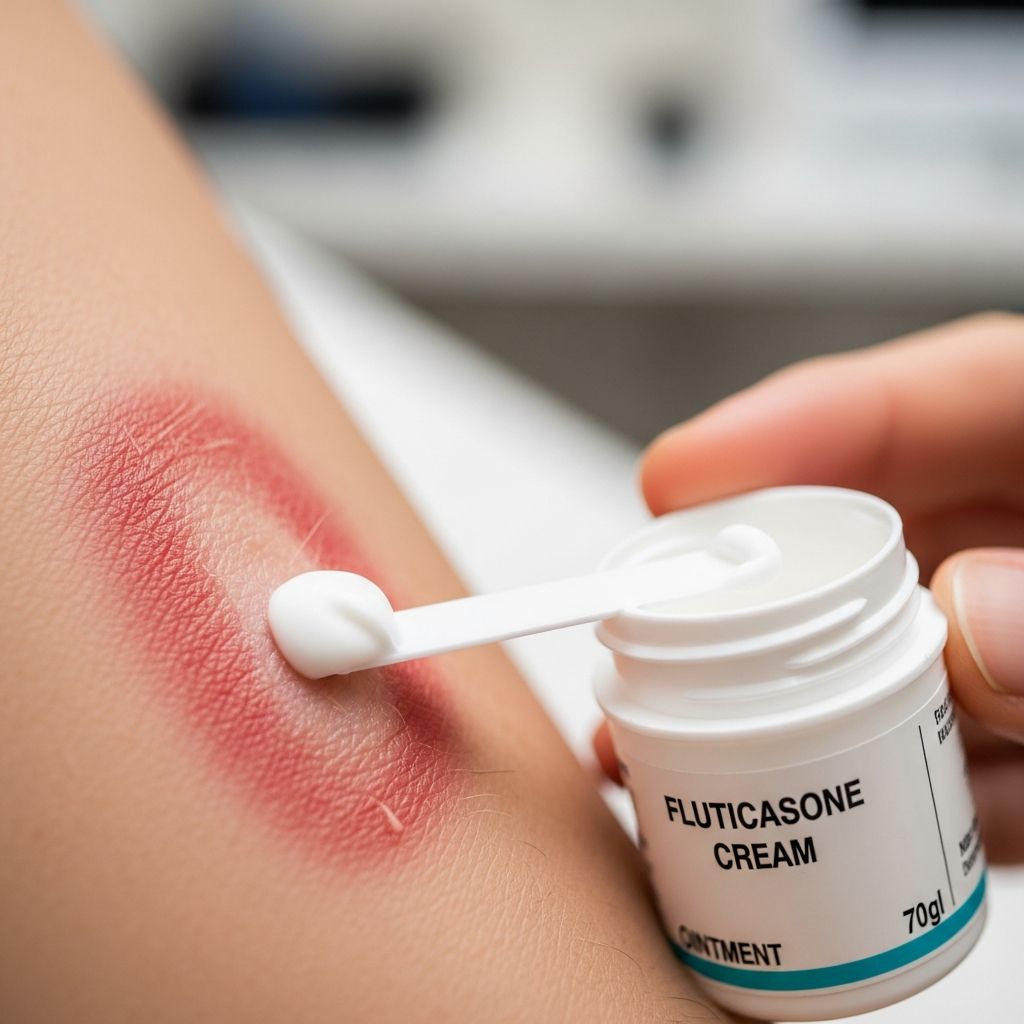
Fluticasone is a
potent topical corticosteroid
widely used to manage severe inflammatory skin conditions such as eczema and dermatitis. Available as a cream or ointment under the brand name Cutivate®, it effectively reduces inflammation, itching, and redness during flare-ups. This medication works by calming the skin’s immune response but is not a cure; it must be combined with daily moisturizers (emollients) for optimal results.| Type of medicine | Potent topical corticosteroid |
|---|---|
| Used for | Inflammatory skin conditions such as severe eczema and dermatitis |
| Also called | Cutivate® |
| Available as | Cream and ointment |
About topical fluticasone
Fluticasone belongs to the class of
potent topical corticosteroids
, also known as topical steroids. These medications are essential for controlling flare-ups of inflammatory skin conditions like eczema (atopic dermatitis) and dermatitis. When moisturizers alone are insufficient, fluticasone is applied to inflamed patches to alleviate symptoms rapidly.The active ingredient, fluticasone propionate, penetrates the skin to suppress inflammatory chemicals released by immune cells. This action constricts blood vessels, reduces swelling, and stops white blood cells from exacerbating irritation. As a result, redness, itching, and pain subside, allowing the skin to heal.
Fluticasone comes in two main formulations:
- Cream: Ideal for moist or weeping skin areas, as its water-based formula absorbs quickly without greasiness.
- Ointment: Better suited for dry, thickened, or scaly skin, providing an occlusive barrier that enhances moisture retention and penetration.
Unlike milder steroids, fluticasone’s potency makes it suitable for severe cases, but it requires careful use to avoid side effects. It is prescription-only and not routinely recommended for children unless prescribed by a dermatologist. Studies and clinical guidelines emphasize short-term use to minimize risks like skin thinning.
In practice, patients often start with once-daily application during flare-ups. Continuing emollients daily post-treatment prevents recurrence. According to NHS guidelines, fluticasone works within the skin cells to block chemical release that causes inflammation, making it highly effective for symptom relief.
Before using fluticasone
Consult your doctor before starting fluticasone to ensure it’s appropriate. Key considerations include:
- Infected skin areas: Do not apply, as steroids can worsen infections.
- Rosacea or acne: Contraindicated, as it may aggravate these conditions.
- Pregnancy or breastfeeding: Discuss risks; use only if benefits outweigh potential harm to the baby.
- Allergies: Inform if you’ve reacted to other skin preparations or corticosteroids.
Additionally, reveal any history of tuberculosis, diabetes, glaucoma, or weakened immune system, as topical steroids can influence these systemically if overused. Mayo Clinic advises checking for proper diagnosis, as fluticasone is for corticosteroid-responsive dermatoses. Pregnant individuals should weigh options carefully, as absorption could affect fetal development.
For children under 3 months, dosing must be doctor-determined; generally, avoid unless specialist-recommended. Always read the patient leaflet for full warnings.
Related Stories



How to use fluticasone
Follow your doctor’s or pharmacist’s instructions precisely. The manufacturer’s leaflet provides detailed guidance on topical steroids and side effects.
Application steps:
- Apply a
small amount
thinly to inflamed areas only. - Massage gently until absorbed completely.
- Avoid broken, infected, or open skin.
- Wash hands afterward (unless hands are treated).
Dosage: Once or twice daily maximum; once daily often suffices. For psoriasis, adhere strictly to avoid rebound flares. Do not exceed 2 weeks without reassessment; if no improvement, consult your doctor.
Special precautions:
- Face use: Only if prescribed; avoid eyes and limit duration.
- Bandages: Avoid unless directed, as they increase absorption and risks.
- Multiple steroids: Clarify usage schedule with pharmacist.
- Post-treatment: Switch to emollients only to maintain skin barrier.
| Form | Condition | Adults/Children ≥3 months | Children <3 months |
|---|---|---|---|
| Cream | Atopic dermatitis | 1-2 times/day | Doctor-determined |
| Cream | Other dermatoses | 2 times/day | Doctor-determined |
| Lotion | Atopic dermatitis | Once/day | Doctor-determined |
| Ointment | Dermatoses | 2 times/day (adults) | Not recommended |
StatPearls recommends once-daily or every 12 hours for atopic dermatitis; reassess after 2 weeks. Cleveland Clinic stresses reducing swelling and rashes effectively when used as directed.
Side-effects of fluticasone
Most users experience only mild local irritation. Serious effects are rare with proper short-term use.
| Symptom | Action |
|---|---|
| Mild burning, stinging, itching, dryness | Usually resolves; continue if mild |
| Skin thinning, stretch marks (striae), bruising, discoloration, spider veins | Contact doctor immediately |
| Acne, folliculitis, perioral dermatitis, secondary infection | Stop and seek medical advice |
| Blistering, severe redness, swelling (allergic reaction) | Seek urgent care |
Long-term or excessive use risks
skin atrophy
(thinning), telangiectasia (visible vessels), and HPA axis suppression. WebMD notes increased blood levels if bandaged. Mayo Clinic warns of reddish-purple lines, easy bruising from prolonged use. Report any unusual symptoms promptly.How to cope with fluticasone side-effects
- Irritation: Apply less frequently or switch formulations.
- Dryness: Layer with emollient after absorption.
- Thinning signs: Stop and consult dermatologist; may need milder steroid.
- Worsening eczema: Taper gradually over 1-2 weeks to prevent rebound.
NHS advises speaking to a doctor if symptoms persist after 1 week.
Common questions about fluticasone skin creams
Why use fluticasone with emollients?
Emollients maintain skin hydration; fluticasone treats acute inflammation. Use together for best control.
Can children use it?
Not generally; specialist may prescribe short courses for severe cases in older children.
Does it cure eczema?
No, it manages flare-ups. Daily emollients prevent them.
What if no improvement?
Reconsult after 7-14 days; may need alternative treatment.
Can I use on face/genitals?
Only if prescribed; short-term, sparingly.
Pregnancy safety?
Use minimally; consult doctor.
This guide expands on patient.info with insights from authoritative sources, ensuring comprehensive, evidence-based advice for safe fluticasone use. Always prioritize professional medical consultation.
References
- Fluticasone for severe inflammatory skin conditions (Cutivate®) — Patient.info. 2023. https://patient.info/medicine/fluticasone-for-severe-inflammatory-skin-conditions-cutivate
- Fluticasone topical – Uses, Side Effects, and More — WebMD. 2024-10-15. https://www.webmd.com/drugs/2/drug-8786/fluticasone-propionate-topical/details
- Common questions about fluticasone skin creams — NHS.uk. 2024. https://www.nhs.uk/medicines/fluticasone-skin-creams/common-questions-about-fluticasone-skin-creams/
- Fluticasone (topical application route) — Mayo Clinic. 2025-01-10. https://www.mayoclinic.org/drugs-supplements/fluticasone-topical-application-route/description/drg-20137791
- Fluticasone — NCBI StatPearls. 2024-05-01. https://www.ncbi.nlm.nih.gov/books/NBK542161/
Similar Articles








Read full bio of medha deb