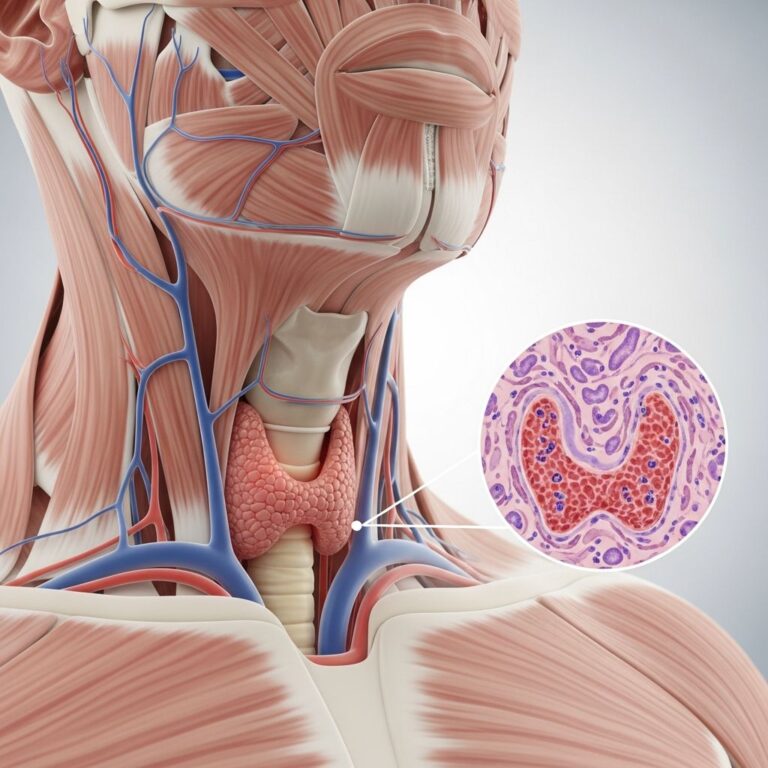
Fluticasone Inhaler (Flixotide): How To Use And What To Expect
Comprehensive guide to using Fluticasone inhaler (Flixotide) for effective asthma prevention and management.
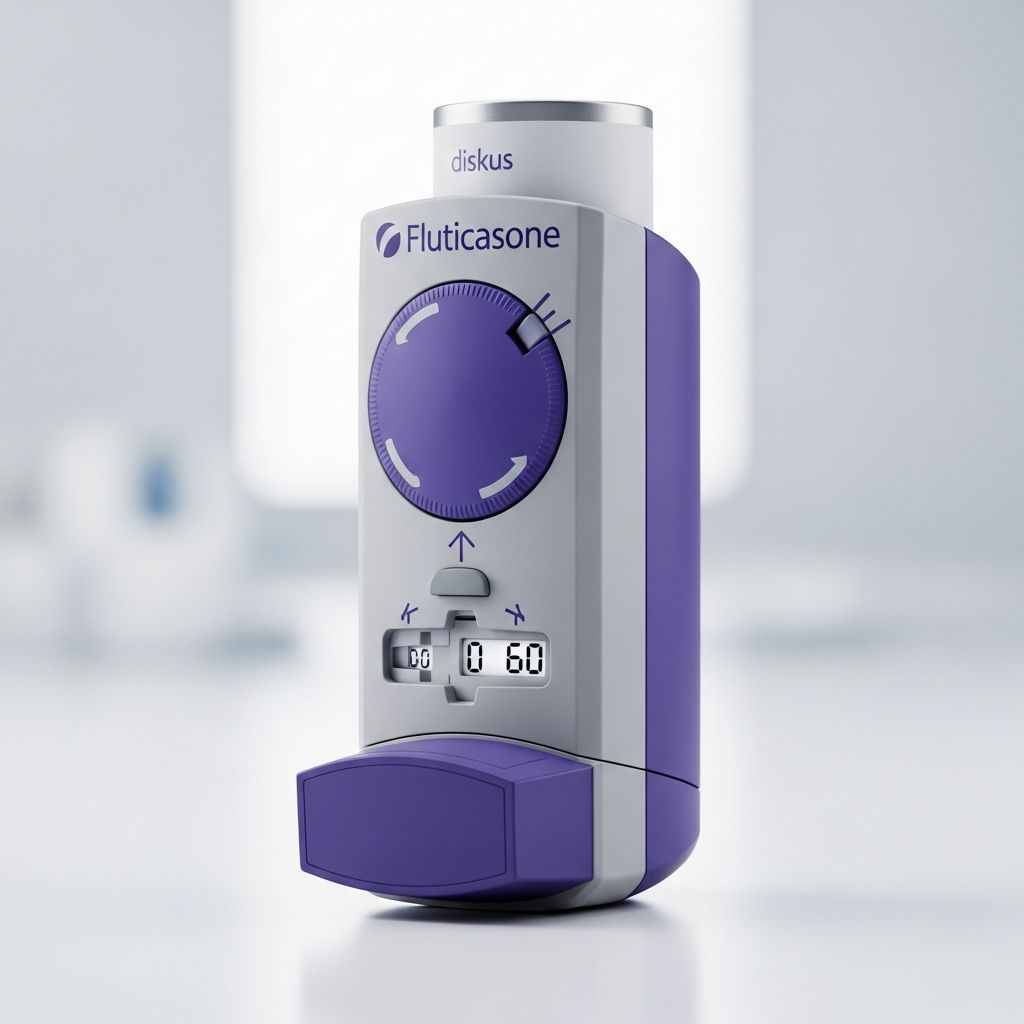
Fluticasone inhaler, commonly branded as Flixotide, is a corticosteroid preventer inhaler designed to manage asthma by reducing inflammation in the airways. Used regularly every day, it helps prevent symptoms such as wheezing, shortness of breath, and asthma attacks, but it does not provide immediate relief during an acute episode.
About fluticasone inhalers
Fluticasone belongs to a group of medicines called corticosteroids, which work by decreasing swelling and irritation in the small air passages of the lungs. This anti-inflammatory action makes airways less likely to narrow, thereby reducing asthma symptoms and exacerbations. Unlike reliever inhalers, fluticasone must be used consistently to build up its protective effects, typically taking a few days to reach full efficacy.
Available in forms such as metered dose inhalers (MDI or puffer) and dry powder devices like Accuhaler or Evohaler, fluticasone targets the lungs directly with minimal systemic absorption. It is indicated for patients with mild, moderate, or severe asthma, including those previously on bronchodilators or other prophylactics. Severe cases require regular medical review.
Fluticasone is also formulated in combinations with long-acting beta-agonists like salmeterol, formoterol, or vilanterol for enhanced symptom control in persistent asthma.
Before using a fluticasone inhaler
Consult your doctor before starting fluticasone if you have specific health conditions or circumstances. Key considerations include:
- Infections: Active or recent infections in the eyes, mouth, or chest, including fungal infections like thrush.
- Tuberculosis (TB): History of active or quiescent pulmonary TB requires caution and medical assessment.
- Liver or kidney issues: No dose adjustment needed for hepatic or renal impairment, but inform your doctor.
- Pregnancy or breastfeeding: Ensure asthma is well-controlled if pregnant; discuss risks and benefits with your doctor.
- Drug interactions: Avoid or monitor with strong CYP3A4 inhibitors like ritonavir, which can cause systemic corticosteroid effects such as Cushing’s syndrome or adrenal suppression.
- Allergies: Hypersensitivity to fluticasone propionate or any excipients is a contraindication.
Inform your doctor of all medications, including over-the-counter, herbal, or complementary therapies, to avoid interactions.
How to use a fluticasone inhaler
Always follow the manufacturer’s instructions and your doctor’s prescription. Read the patient information leaflet (PIL) provided with your inhaler for device-specific guidance.
For Metered Dose Inhaler (MDI/Evohaler)
- Shake the inhaler well.
- Exhale fully away from the device.
- Place mouthpiece in mouth, seal lips, and inhale slowly and deeply while actuating the canister.
- Hold breath for 10 seconds, then exhale slowly.
- Wait 30-60 seconds between puffs if multiple doses required.
- Rinse mouth with water after use to prevent oral thrush.
For Accuhaler (Dry Powder Inhaler)
Related Stories



- Open the device by sliding the thumb grip away until it clicks.
- Slide lever to expose mouthpiece.
- Exhale away from device, then inhale deeply and forcefully through mouthpiece.
- Hold breath for 10 seconds.
- Close by sliding thumb grip back; repeat for second puff if needed.
A spacer device is recommended, especially for children or those with coordination issues, to improve drug delivery. Practice technique with a healthcare provider; improper use reduces effectiveness.
Dosage
Dosage varies by asthma severity, age, and device strength (50 mcg, 125 mcg, 250 mcg per actuation). Use twice daily unless specified otherwise.
| Asthma Severity | Adults/Elderly (PEF % predicted) | Children (4-16 years) |
|---|---|---|
| Mild | 50-200 mcg twice daily | 50-100 mcg twice daily |
| Moderate | 200-500 mcg twice daily | 50-200 mcg twice daily |
| Severe | 500-1000 mcg twice daily | 100-200 mcg twice daily |
Note: Start low and titrate based on response. Review after 3-6 months; highest licensed dose for children is 200 mcg twice daily. For adults, only 250 mcg device for doses over 200 mcg per actuation. Pharmacy label specifies exact dose. Do not exceed prescribed amount.
Getting the most from your treatment
- Use daily at consistent times for optimal effect; it may take 3-7 days to notice improvement.
- Do not stop abruptly even if feeling better; asthma requires ongoing prevention.
- Not for acute attacks—use reliever inhaler (e.g., salbutamol) instead.
- If symptoms worsen or no improvement after 7 days, contact doctor immediately.
- Rinse mouth post-use to minimize side effects like thrush.
- Track inhaler color and brand for emergencies.
- Regular check-ups to assess control and adjust dose.
- Combine with asthma action plan including reliever use.
If you forget to use your inhaler
Take the missed dose as soon as remembered unless near next dose time—then skip and resume schedule. Never double up.
If you use more than you should
Overuse rarely causes acute issues due to topical action, but seek medical advice if concerned. Acute overdose unlikely to require intervention; chronic high doses need monitoring for systemic effects.
Side-effects
Most side effects are mild and local. Common ones (>1/100):
- Hoarseness, throat irritation, sore throat/tongue (thrush—prevent by rinsing mouth).
- Cough, wheezing immediately post-inhalation (rare; may need device switch).
Rare (<1/1000):
- Paradoxical bronchospasm, allergic reactions (rash, swelling).
- Systemic: Adrenal suppression, growth delay in children (monitor growth), bone density loss, cataracts, glaucoma (with prolonged high doses).
- Behavioral: Anxiety, irritability (esp. children).
Report persistent or severe effects to your doctor. Benefits outweigh risks for most.
How to store fluticasone inhalers
Store below 30°C, away from direct heat/light. Do not puncture, burn, or freeze. Keep out of children’s reach. Discard after labeled actuations or expiry. Expiry after opening: check PIL.
Frequently Asked Questions (FAQs)
Can I use Fluticasone during pregnancy?
Yes, if asthma needs control; discuss with doctor as well-controlled asthma benefits mother and baby.
Does Fluticasone cause weight gain?
Uncommon with inhaled use due to low systemic levels; monitor if high doses prolonged.
How long until Fluticasone works?
Full effect in 3-7 days with daily use.
Can children use it?
Yes, from age 4; monitor growth.
What if I get thrush?
Rinse mouth after use; treat with antifungal if occurs.
References
- FLIXOTIDE Evohaler Product Information — GSK Georgia. 2023. https://assets.gskstatic.com/pharma/PM-PI_portal/Georgia/flixotide_evohaler_aerozol_ge.pdf
- Flixotide CFC-Free Inhaler CMI — Medsafe New Zealand. 2024-05-15. https://www.medsafe.govt.nz/consumers/cmi/f/flixotideinhaler.pdf
- Fluticasone inhaler — Patient.info. 2025. https://patient.info/medicine/fluticasone-inhaler-flixotide
- Fluticasone (inhaler and accuhaler) – Flixotide — Healthify NZ. 2024. https://healthify.nz/medicines-a-z/f/fluticasone-inhaler-and-accuhaler
- Fluticasone (inhalation route) — Mayo Clinic. 2025-01-10. https://www.mayoclinic.org/drugs-supplements/fluticasone-inhalation-route/description/drg-20067663
- Fluticasone Oral Inhalation — MedlinePlus (U.S. National Library of Medicine). 2024. https://medlineplus.gov/druginfo/meds/a601056.html
Similar Articles








Read full bio of medha deb