Fluticasone Inhalers: Essential Guide For Asthma Care
Comprehensive guide to using fluticasone inhalers for asthma prevention, including devices, dosing, and safety tips for better lung health.
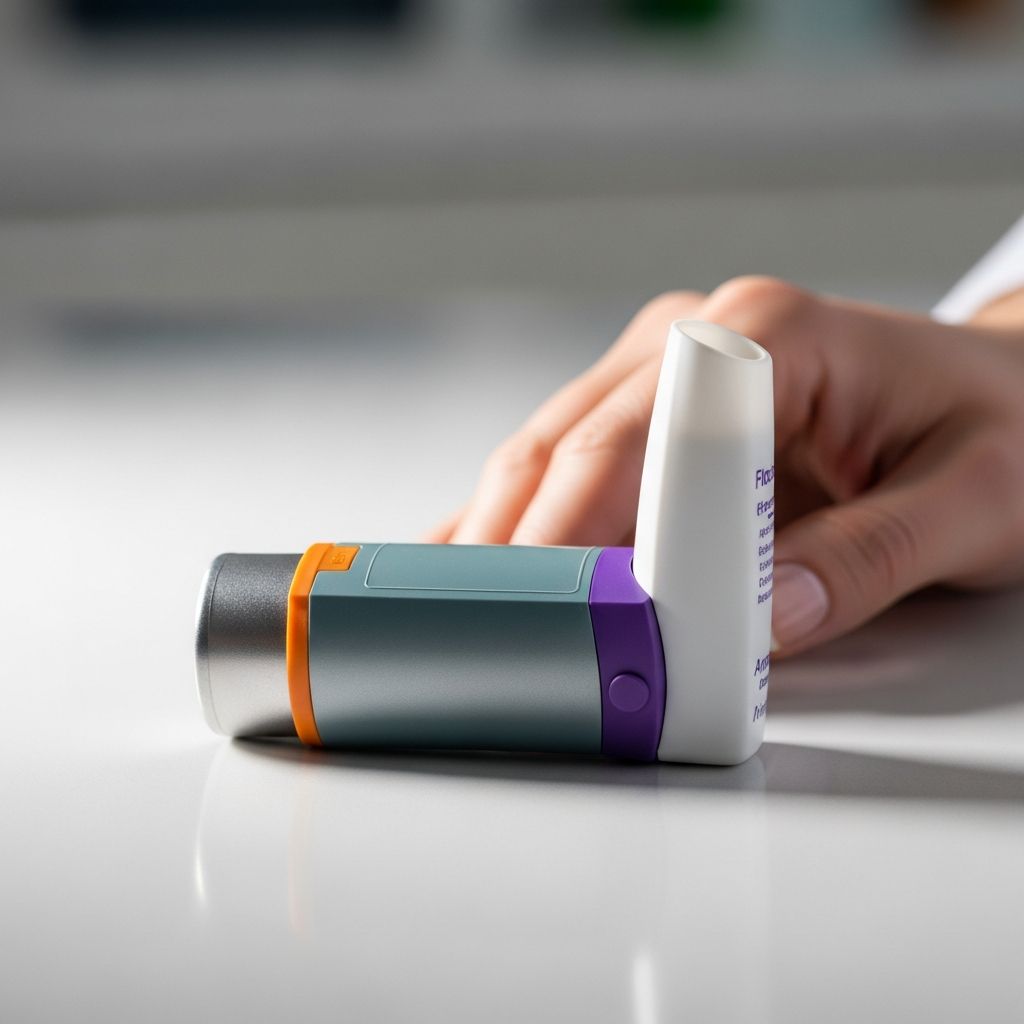
Fluticasone inhalers serve as a cornerstone in long-term asthma management by reducing airway inflammation and preventing symptom flare-ups. These devices deliver a corticosteroid directly to the lungs, minimizing systemic side effects while targeting respiratory issues effectively.
Understanding the Role of Fluticasone in Respiratory Care
Fluticasone, a synthetic corticosteroid, mimics the body’s natural anti-inflammatory hormones to calm irritated lung tissues. Primarily prescribed for asthma, it helps maintain open airways and reduces the frequency of attacks when used consistently. Unlike rescue inhalers, it does not provide instant relief but builds protection over time through daily application.
In conditions like chronic obstructive pulmonary disease (COPD), fluticasone can alleviate symptoms and slightly enhance lung function, though it does not halt disease progression. Available under brand names such as Flixotide, Flovent, or ArmonAir, it comes in various strengths tailored to individual needs.
Available Delivery Devices and Their Mechanisms
Fluticasone is delivered via two main inhaler types: metered dose inhalers (MDIs) and dry powder inhalers like the Accuhaler or Diskus. MDIs use a propellant to release a fine mist, ideal for those who can coordinate inhalation with activation.
Dry powder devices, such as the Accuhaler, require a deep, forceful breath to disperse the medication without propellants, suiting users preferring simplicity. Both methods ensure targeted lung delivery, bypassing much of the digestive system.
| Device Type | How It Works | Best For |
|---|---|---|
| Metered Dose Inhaler (MDI) | Propellant sprays aerosol mist | Coordinated breathing users; use with spacer for better deposition |
| Accuhaler/Diskus (Dry Powder) | Breath-activated powder dispersion | Those avoiding coordination; quick activation |
Choosing between them depends on personal comfort, age, and coordination ability. Spacers enhance MDI efficacy by holding the mist for slower, deeper breaths.
Step-by-Step Instructions for Optimal Use
Proper technique maximizes drug absorption and minimizes waste. Always shake MDIs before use and prime if new or unused for days.
- For MDI: Exhale fully, seal lips around mouthpiece, press canister while inhaling steadily for 3-5 seconds, hold breath 10 seconds, then exhale slowly.
- With Spacer: Attach to MDI, spray one puff into chamber, inhale slowly from spacer end, hold breath.
- For Accuhaler: Open cover, slide lever to load dose, exhale away from device, inhale forcefully and deeply through mouthpiece, hold breath 10 seconds.
Rinse mouth after each use to prevent oral thrush. Practice under healthcare guidance for mastery.
Dosage Recommendations Across Age Groups
Dosing varies by age, severity, and device strength. Adults and children over 12 typically start at 100-250 mcg twice daily, adjustable up to 1000 mcg based on response.
For children 4-11 years, lower doses like 50-100 mcg twice daily suffice. Maintenance therapy aims for the minimal effective dose to control symptoms.
| Age Group | Starting Dose (mcg, twice daily) | Max Dose (mcg, twice daily) |
|---|---|---|
| Adults >12 years | 100-250 | 500-1000 |
| Children 4-11 years | 50-100 | 200 |
Administer every 12 hours. Do not exceed prescribed amounts or alter without medical advice.
Expected Benefits and Long-Term Management
Regular use decreases asthma exacerbations, improves peak flow, and enhances quality of life. It stabilizes lung linings, reducing hypersensitivity to triggers like allergens or exercise.
Related Stories



Studies show histologic improvements in nasal and bronchial tissues after weeks of therapy, with fewer inflammatory cells. In COPD, it eases breathing but pairs best with bronchodilators. Long-term adherence prevents symptom rebound; gradual tapering may be needed if discontinuing.
Potential Side Effects and Mitigation Strategies
Common issues include hoarseness, cough, and oral candidiasis, often from throat deposition. Gargling post-use prevents these.
Rare systemic effects like growth delay in children or bone density loss occur at high doses; monitoring is key. Report persistent issues like vision changes or adrenal suppression promptly.
- Local Effects: Thrush (rinse mouth), throat irritation (spacer use).
- Rare Serious: Pneumonia risk in COPD, cataracts (eye exams recommended).
Precautions, Interactions, and Special Populations
Avoid abrupt cessation to prevent withdrawal. Use caution in infections, as it may mask symptoms. Ketoconazole or ritonavir can amplify effects via CYP3A4 inhibition.
Pregnant or breastfeeding individuals should consult providers; benefits often outweigh risks. Children require growth tracking.
Integrating into Daily Asthma Action Plans
Pair with reliever inhalers for acute needs. Track symptoms via peak flow meters. Annual reviews adjust therapy. Lifestyle aids like avoiding smoke amplify benefits.
Frequently Asked Questions
What if I miss a dose?
Take as soon as remembered unless near next dose; skip if so. Never double up.
Can I use fluticasone during pregnancy?
Generally safe; discuss with doctor for risk-benefit assessment.
How soon does it start working?
Days to weeks for full effect; continue reliever as needed initially.
Is a spacer necessary?
Highly recommended for MDIs, especially in kids or coordination issues.
Does it treat COPD?
Yes, for symptom control in combination therapy.
Monitoring Progress and When to Seek Help
Signs of poor control: increased reliever use, nighttime symptoms, or reduced activity. Adjust via provider; worsening warrants emergency care.
References
- Fluticasone (inhaler and accuhaler) – Flixotide – Healthify — Healthify.nz. 2023. https://healthify.nz/medicines-a-z/f/fluticasone-inhaler-and-accuhaler
- Fluticasone – StatPearls — NCBI Bookshelf, NIH. 2024-05-01. https://www.ncbi.nlm.nih.gov/books/NBK542161/
- Flovent (fluticasone): Uses, Side Effects, Dosage & Reviews — GoodRx. 2024. https://www.goodrx.com/flovent/what-is
- How and when to use inhaled fluticasone — NHS. 2023. https://www.nhs.uk/medicines/fluticasone-inhalers/how-and-when-to-use-inhaled-fluticasone/
- Fluticasone (inhalation route) — Mayo Clinic. 2024. https://www.mayoclinic.org/drugs-supplements/fluticasone-inhalation-route/description/drg-20067663
Similar Articles








Read full bio of Sneha Tete