Fluticasone Nasal Preparations: Uses, Dosage & Side Effects
Complete guide to fluticasone nasal sprays: treatment options, proper use, and safety information.
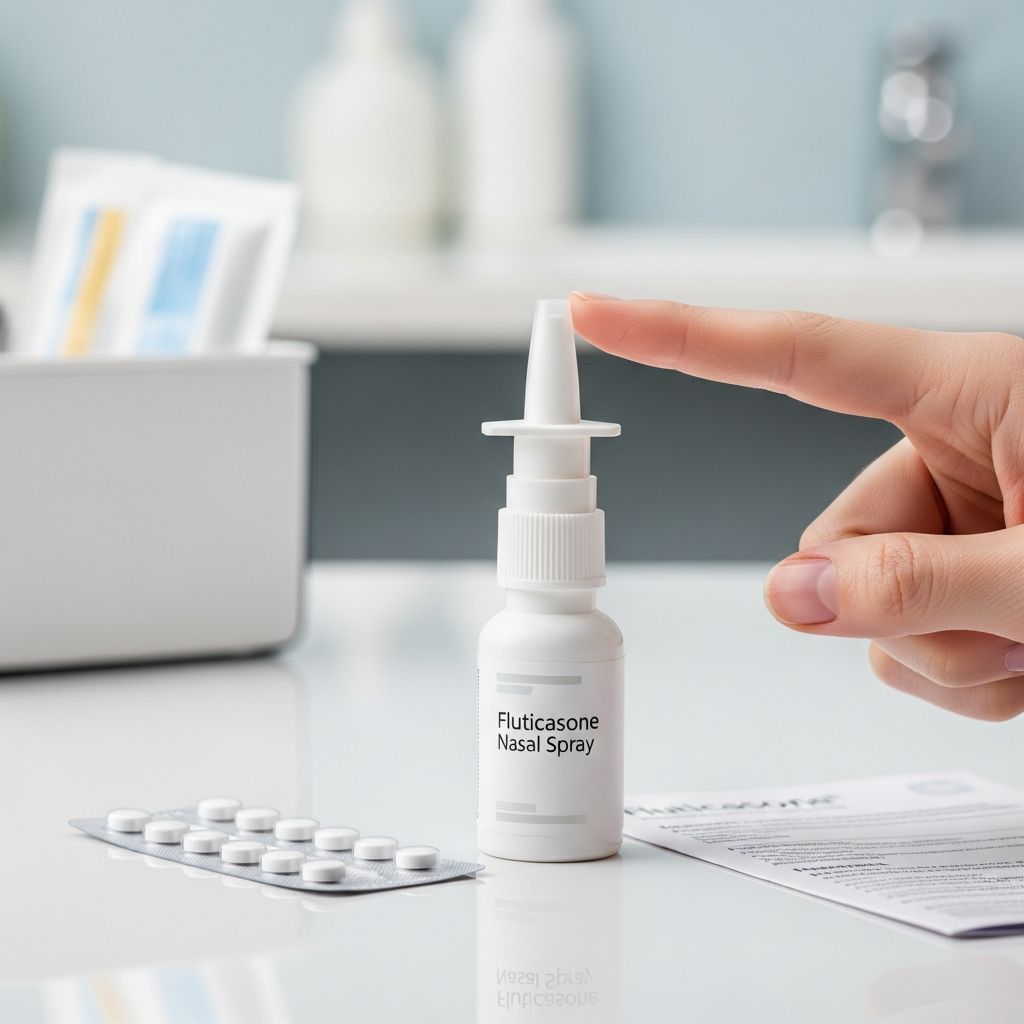
About Fluticasone Nasal Preparations
Fluticasone nasal spray is a corticosteroid medication used to treat various nasal and respiratory conditions. This nasal preparation belongs to a class of medicines known as corticosteroids (cortisone-like medicines) and works by preventing certain cells from releasing substances that cause allergic reactions and inflammation. The medication is available both as an over-the-counter (OTC) product and as a prescription medication, depending on the specific formulation and indication.
Fluticasone is considered a potent corticosteroid that serves as a pivotal therapeutic option in managing various respiratory conditions. Healthcare providers often recommend this medication as a first-line treatment for nasal symptoms, particularly when patients experience persistent inflammation of the nasal passages.
What Fluticasone Nasal Spray Is Used For
Fluticasone nasal preparations have several approved uses in treating nasal and sinus conditions:
- Allergic Rhinitis and Hay Fever: Over-the-counter fluticasone nasal spray is commonly used to relieve symptoms of rhinitis caused by hay fever or other allergies, such as sneezing, runny nose, stuffy nose, itchy nose, and itchy or watery eyes. These symptoms may be triggered by allergies to pollen, mold, dust, or pet dander.
- Nonallergic Rhinitis: Prescription fluticasone nasal spray is used to treat nonallergic rhinitis, which causes sneezing and nasal congestion not triggered by allergies.
- Chronic Rhinosinusitis: Prescription fluticasone preparations, particularly Xhance, are used to treat chronic rhinosinusitis with or without nasal polyps (CRSwNP). This condition involves ongoing inflammation of the sinuses, potentially accompanied by reduced sense of smell or facial pain and pressure.
It is important to note that fluticasone nasal spray should not be used to treat symptoms caused by the common cold. The medication is designed for chronic or allergic conditions rather than acute viral infections.
How Fluticasone Nasal Preparations Work
Fluticasone operates through a specific mechanism that addresses the underlying causes of nasal symptoms. The medication works by blocking the release of natural substances that cause allergic reactions and inflammation. When allergens or irritants trigger nasal cells, they release inflammatory mediators that cause swelling, mucus production, and itching. Fluticasone prevents this cascade of reactions.
The medication has demonstrated effectiveness in both early and late-phase allergic rhinitis, with studies showing that cellular influx after allergen exposure decreases significantly after approximately four weeks of treatment. This dual-phase effectiveness makes it particularly valuable for patients experiencing prolonged allergic symptoms.
Types of Fluticasone Nasal Preparations
Several formulations of fluticasone nasal spray are available, each with specific characteristics:
| Formulation | Strength Per Spray | Primary Use | Availability |
|---|---|---|---|
| Fluticasone Propionate | 50 mcg or 93 mcg | Allergic rhinitis, nonallergic rhinitis, CRSwNP | OTC and Prescription |
| Fluticasone Furoate | 27.5 mcg | Allergic rhinitis and seasonal allergies | OTC and Prescription |
| Xhance (with Exhalation Delivery System) | 93 mcg | Chronic rhinosinusitis (with/without polyps) | Prescription Only |
In 2024, the FDA expanded approval of fluticasone propionate nasal spray to include chronic rhinosinusitis without nasal polyps. The novel Xhance formulation uses an exhalation delivery system (EDS) that facilitates targeted delivery of fluticasone to the sinonasal regions above the inferior turbinate, with emphasis on reaching sinus drainage pathways typically inaccessible to standard delivery nasal sprays.
Related Stories



How to Use Fluticasone Nasal Spray
Proper administration technique is crucial for maximizing the effectiveness of fluticasone nasal preparations. Different delivery systems require specific usage instructions:
Standard Spray Administration
- Blow your nose to clear nasal passages
- Gently tilt your head back slightly
- Close one nostril with your finger
- Insert the tip of the nose piece into the other nostril
- Release one spray while breathing in gently through the nostril
- Hold your breath for a few seconds, then breathe out slowly through your mouth
- Repeat the process in the other nostril
Exhalation Delivery System (Xhance) Administration
The Xhance delivery system requires a different technique:
- Insert the tip of the cone-shaped nosepiece deeply into one nostril to create a seal
- Place the flexible mouthpiece inside your mouth, ensuring a tight seal
- While blowing into the mouthpiece, push the bottle up to actuate the spray pump
- Continue blowing through your mouth while the medicine is released; do not inhale or exhale through the nose
- Repeat in the other nostril for a complete dose
General Usage Guidelines
- Shake the bottle gently before each use
- Keep the bottle upright during administration
- If the nasal spray has not been used for 7 days or longer, prime the bottle by shaking and releasing 2 sprays in the air, away from the face
- You may need to use the medicine for a few days before experiencing full benefits
Dosage Information
Fluticasone dosage varies depending on the specific condition being treated and the formulation used:
For Hay Fever and Allergic Rhinitis
Fluticasone Propionate: Adults typically begin with 2 sprays in each nostril once daily. Some patients may need 1 spray in each nostril twice daily (morning and evening). Your doctor may adjust your dose based on response.
Fluticasone Furoate: Standard dosing follows similar patterns with once-daily administration for many patients.
For Chronic Rhinosinusitis (Xhance)
Adults typically use 1 or 2 sprays in each nostril twice daily. Each spray contains 93 micrograms of fluticasone. Your doctor may adjust your dose as needed based on symptom control.
For Children
Pediatric dosing must be determined by a healthcare provider and varies by age, weight, and condition being treated.
Important Timing and Expectations
Fluticasone nasal spray controls the symptoms of hay fever, allergies, nonallergic rhinitis, or chronic rhinosinusitis, but does not cure these conditions. Your symptoms may begin to improve within 1 to 2 days after first using fluticasone, but it may take longer before you feel the full benefit of the medication. Consistent daily use is recommended for optimal results.
Precautions and Contraindications
Before using fluticasone nasal spray, inform your healthcare provider if you have any of the following conditions:
- Any type of infection (viral, bacterial, or fungal), as the medicine can reduce the body’s ability to fight off infections
- Active tuberculosis or a history of tuberculosis
- Recent injury to the nose
- Recent nose surgery
- Sores in the nose, as the medicine may prevent proper healing
- Hypersensitivity or allergic reaction to any ingredients in the medication
The medication should not be used immediately after nasal surgery or injury, as it may interfere with proper healing of these conditions.
Side Effects and Adverse Reactions
Like all medications, fluticasone nasal spray may cause side effects. Patients should be aware of both common and serious adverse reactions:
Common Side Effects
- Headache
- Nasal irritation or mild discomfort
- Sneezing
- Throat irritation
Serious Side Effects Requiring Medical Attention
Seek immediate medical attention if you experience any of the following:
- Severe face pain
- Thick nasal discharge
- Fever, sore throat, chills, cough, and other signs of infection
- Whistling sound from the nose
- Hives, rash, or itching
- Swelling of the face, throat, tongue, lips, eyes, hands, feet, ankles, or lower legs
Drug Interactions and Special Considerations
Healthcare practitioners should ensure that patients understand the proper use of fluticasone nasal preparations and work collaboratively across disciplines to ensure compliance and optimal therapeutic outcomes while minimizing adverse effects and patient risk. When fluticasone is available as an over-the-counter medication, patients should be informed about its appropriate use and potential interactions with other medications.
When to Contact Your Healthcare Provider
Contact your doctor if you experience:
- No improvement in symptoms after regular use for several weeks
- Worsening symptoms despite consistent use
- Signs of infection or unusual discharge
- Any of the serious side effects listed above
- Uncertainty about proper usage technique
Missed Doses
If you forget to take a dose of fluticasone nasal spray, take it as soon as you remember, then take your next dose at the usual time. Do not take two doses to make up for a missed dose.
Storage and Handling
Store fluticasone nasal spray according to the instructions on your prescription or product label. Keep the bottle upright and away from extreme temperatures. Do not freeze the medication.
Frequently Asked Questions
Q: How long does it take for fluticasone nasal spray to work?
A: While symptoms may begin to improve within 1 to 2 days of starting fluticasone, it may take several days to weeks of consistent use to experience the full benefit of the medication. For optimal results, continue using the medication regularly as directed by your healthcare provider.
Q: Can fluticasone nasal spray be used for the common cold?
A: No, fluticasone nasal spray should not be used to treat symptoms caused by the common cold. The medication is designed for chronic allergic conditions and persistent nasal inflammation, not acute viral infections.
Q: Is fluticasone nasal spray safe for children?
A: Fluticasone nasal preparations can be used in children, but dosing must be determined by a healthcare provider based on the child’s age, weight, and condition. Always follow your doctor’s specific instructions for pediatric patients.
Q: Can I use fluticasone nasal spray if I’m pregnant?
A: Consult your healthcare provider before using fluticasone nasal spray during pregnancy. Your doctor can assess the benefits and risks for your specific situation and recommend the safest option for you and your baby.
Q: What should I do if I accidentally sniff the spray into my lungs?
A: With standard nasal spray administration, you should breathe in gently through the nose, not forcefully sniff. If you have concerns about proper technique, ask your healthcare provider or pharmacist to demonstrate the correct administration method.
Q: Is fluticasone nasal spray addictive?
A: No, fluticasone nasal spray is not addictive. It is a corticosteroid medication that works to reduce inflammation and does not create physical or psychological dependence.
Q: Can fluticasone nasal spray cause systemic side effects?
A: When used as directed via nasal spray, fluticasone delivers medication directly to the nasal passages, minimizing systemic absorption. However, using more than the prescribed dose could potentially lead to systemic effects. Always use exactly as directed.
References
- Fluticasone (nasal route) – Side effects & dosage — Mayo Clinic. 2024. https://www.mayoclinic.org/drugs-supplements/fluticasone-nasal-route/description/drg-20070965
- Fluticasone – StatPearls — National Center for Biotechnology Information (NCBI). 2024. https://www.ncbi.nlm.nih.gov/books/NBK542161/
- Fluticasone Nasal Spray: MedlinePlus Drug Information — U.S. National Library of Medicine. 2024. https://medlineplus.gov/druginfo/meds/a695002.html
- Fluticasone Nasal Spray — HealthHub Singapore. 2024. https://www.healthhub.sg/medication-devices-and-treatment/medications/fluticasone_nasal_spray
Similar Articles








Read full bio of Sneha Tete