Fluvoxamine Tablets (Faverin): Key Facts, Dosage & Side Effects
Comprehensive guide to Faverin (fluvoxamine) for treating depression and OCD: uses, dosage, side effects, and precautions.
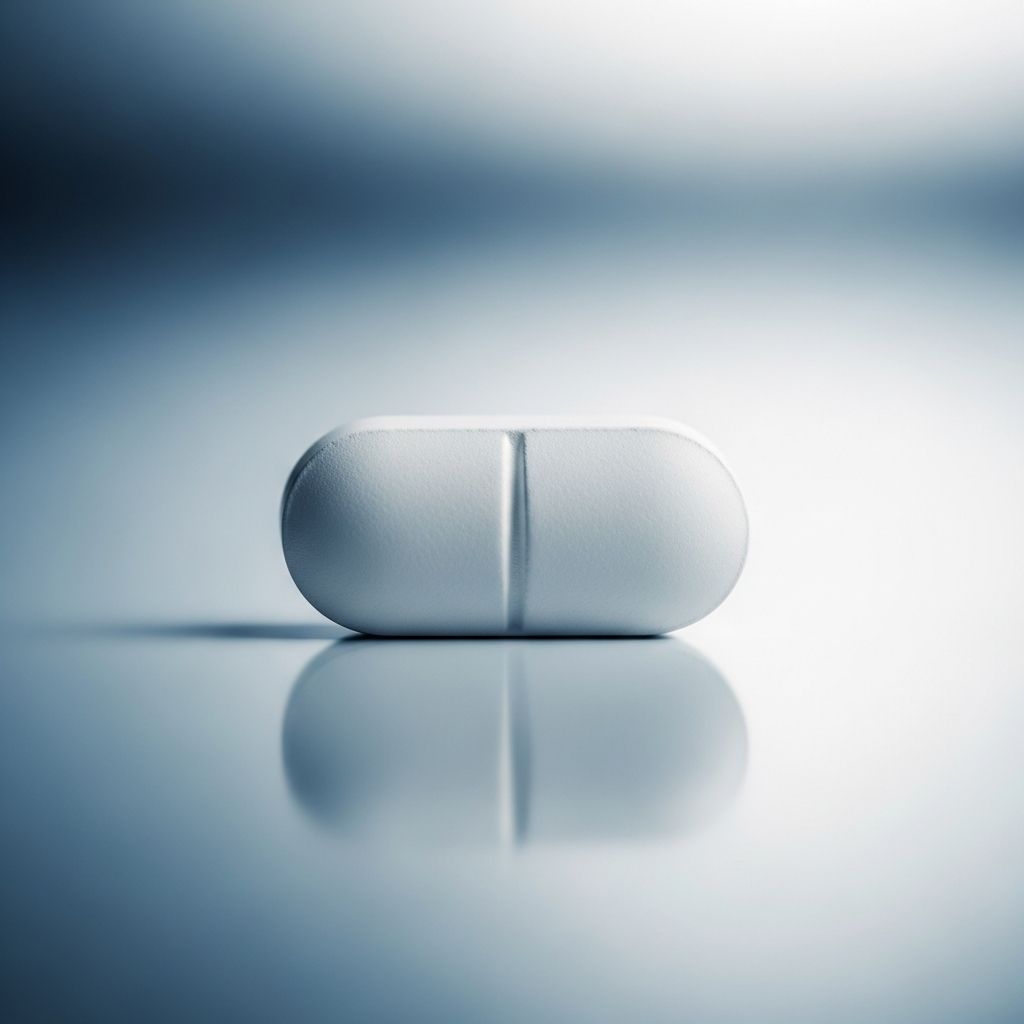
Fluvoxamine, marketed as Faverin, is a selective serotonin reuptake inhibitor (SSRI) antidepressant primarily used to treat obsessive-compulsive disorder (OCD) and major depressive episodes. It works by increasing serotonin levels in the brain, helping to alleviate symptoms of these conditions.
About fluvoxamine tablets
Fluvoxamine tablets, commonly known by the brand name
Faverin
, belong to the class of medications called selective serotonin reuptake inhibitors (SSRIs). These drugs are designed to balance serotonin, a key neurotransmitter in the brain linked to mood regulation. Faverin is particularly effective for managingobsessive-compulsive disorder (OCD)
, where individuals experience intrusive thoughts (obsessions) and repetitive behaviors (compulsions). It is also indicated for treatingdepression
, specifically major depressive episodes.Unlike some other SSRIs, fluvoxamine was developed with a strong focus on OCD treatment and has been in clinical use since the 1980s, with millions of patients treated worldwide. It is available in 50 mg and 100 mg film-coated tablets. The medication helps reduce the frequency and intensity of OCD symptoms and lifts depressive moods over time, typically showing benefits after 2-4 weeks of consistent use.
Key facts
- Fluvoxamine is an
SSRI antidepressant
that primarily treats OCD in adults and children over 8 years old, and depression. - Common brand names include
Faverin
(UK/Australia) andLuvox
(US). - Tablets are usually taken once or twice daily, with or without food.
- It may take
2-4 weeks
to feel full benefits; do not stop suddenly. - Not recommended during pregnancy unless benefits outweigh risks; consult a doctor.
About obsessive-compulsive disorder (OCD)
**Obsessive-compulsive disorder (OCD)** is a mental health condition characterized by persistent, uncontrollable thoughts (obsessions) that lead to repetitive behaviors or mental acts (compulsions) aimed at reducing anxiety. Examples include excessive cleaning, checking locks repeatedly, or intrusive fears of harm. OCD affects about 1-2% of the population and can significantly impair daily life.
Fluvoxamine is FDA-approved for OCD in adults and children aged 8 and older. It helps by modulating serotonin pathways, reducing the urge to perform compulsions. Studies show it retains efficacy for at least one year with continued use.
About depression
**Depression**, or major depressive disorder, involves persistent sadness, loss of interest, fatigue, and changes in sleep or appetite. Fluvoxamine treats major depressive episodes by enhancing serotonin activity, which improves mood and energy levels. Treatment is typically continued for at least 6 months after symptom relief to prevent relapse.
In many countries like the UK, Australia, and Japan, it is commonly prescribed for depression alongside OCD.
Fluvoxamine tablets: the basics
Faverin comes in film-coated tablets of 50 mg and 100 mg strengths. Swallow whole with water, with or without food. For OCD, initial doses start low to minimize side effects, then titrate up.
How does it work?
Fluvoxamine selectively inhibits the reuptake of serotonin at neuronal membranes, increasing its availability in the synaptic cleft. This enhances serotonin’s mood-stabilizing effects. It may also influence norepinephrine receptors with chronic use.
Dosage
Dosage varies by condition, age, and response. Always follow your doctor’s prescription.
| Condition | Adults | Children/Adolescents (8-17 years, OCD only) |
|---|---|---|
| OCD | Initial: 50 mg once daily at bedtime; max 300 mg/day | Initial: 25 mg once daily at bedtime; max 200-300 mg/day |
| Depression | Initial: 50-100 mg/day; max 300 mg/day | Not typically approved |
Related Stories



Divide doses over 100 mg. Extended-release capsules (Luvox CR) start at 100 mg at bedtime.
How and when to take fluvoxamine tablets
- Take exactly as prescribed; do not exceed dose.
- Tablets can be taken morning or evening; bedtime dosing reduces daytime drowsiness.
- If twice daily, space 12 hours apart.
- Missed dose: Take as soon as remembered unless near next dose; do not double.
- Store below 25°C, away from moisture.
Side effects of fluvoxamine tablets
Like all medicines, fluvoxamine can cause side effects, though not everyone experiences them. Most are mild and improve over time.
Common side effects
- Nausea (most frequent, take with food).
- Insomnia, somnolence, headache.
- Dry mouth, constipation, sweating.
- Sexual dysfunction (e.g., decreased libido).
- Weight changes, dizziness.
Serious side effects (seek immediate medical help)
- Serotonin syndrome: Agitation, hallucinations, fever, fast heartbeat, muscle stiffness.
- Suicidal thoughts (especially in young adults under 24).
- Severe skin reactions: Rash, blisters (Stevens-Johnson syndrome, toxic epidermal necrolysis).
- SIADH: Low sodium (confusion, weakness).
- Seizures, glaucoma worsening, bleeding risks.
In children with OCD: Possible hypomania, agitation, insomnia.
Pregnancy, breastfeeding and fertility while taking fluvoxamine tablets
Pregnancy: Category C; use only if benefits outweigh risks. May cause neonatal withdrawal or serotonin effects. Discuss with doctor.
Breastfeeding: Passes into milk; monitor infant for drowsiness, poor feeding.
Fertility: No major impact known, but SSRIs may affect sperm quality.
Taking fluvoxamine tablets with other medicines and herbal supplements
Fluvoxamine interacts with many drugs due to CYP1A2/2D6 inhibition. Avoid:
- MAOIs (wait 2 weeks; reversible shorter).
- Other antidepressants, antipsychotics, opioids (serotonin syndrome risk).
- Warfarin, theophylline, clozapine (levels increased).
- Alcohol (worsens sedation).
Inform your doctor of all medications.
Common questions about fluvoxamine tablets
Is fluvoxamine a strong antidepressant?
Fluvoxamine is effective for OCD and depression but is milder compared to some SNRIs for severe depression. Its strength lies in OCD management.
Does fluvoxamine cause weight gain?
Weight changes can occur; some gain, others lose. Monitor diet and exercise.
How long should you take fluvoxamine?
OCD: Often long-term (years). Depression: At least 6 months post-recovery. Taper gradually.
Can you drink alcohol on fluvoxamine?
Avoid; increases sedation and side effects.
Does fluvoxamine make you tired?
Yes, drowsiness is common initially; take at night.
How to cope with side effects of fluvoxamine tablets
- Nausea: Take with food, ginger tea.
- Insomnia: Bedtime dosing, avoid caffeine.
- Sexual issues: Discuss alternatives with doctor.
- Anxiety initially: Normal; persists >2 weeks, consult GP.
Never stop abruptly; risk of withdrawal (dizziness, irritability).
Frequently Asked Questions (FAQs)
Why am I using Faverin?
Faverin (fluvoxamine) treats depression and OCD by increasing brain serotonin levels.
What if I forget a dose?
Take as soon as possible; skip if near next dose. Do not double up.
Can children take fluvoxamine?
Yes, for OCD from age 8; adult supervision required.
What are withdrawal symptoms?
Flu-like symptoms, electric shocks in head; taper slowly.
Is fluvoxamine addictive?
No, but stopping suddenly causes discontinuation syndrome.
This article provides general information; consult a healthcare professional for personalized advice. Last reviewed based on current data as of 2026.
References
- Faverin 50 mg and 100 mg film-coated tablets (fluvoxamine maleate) – Patient Information Leaflet — Medicines.org.uk. 2023. https://www.medicines.org.uk/emc/files/pil.1169.pdf
- Faverin Tablets – Consumer Medicine Information — NPS MedicineWise. 2024. https://www.nps.org.au/medicine-finder/faverin-tablets
- Fluvoxamine – LiverTox — NCBI Bookshelf, NIH. 2023-07-31. https://www.ncbi.nlm.nih.gov/books/NBK548905/
- Fluvoxamine Tablets – Mayo Clinic — Mayo Clinic. 2024. https://www.mayoclinic.org/drugs-supplements/fluvoxamine-oral-route/description/drg-20066874
- Fluvoxamine: Uses, Interactions, Mechanism of Action — DrugBank Online. 2024. https://go.drugbank.com/drugs/DB00176
- Fluvoxamine (Luvox CR): Uses, Side Effects — WebMD. 2024. https://www.webmd.com/drugs/2/drug-1049-7095/fluvoxamine-oral/fluvoxamine-oral/details
Similar Articles








Read full bio of medha deb