Flying with Eye Conditions: Safety Guide
Learn when it's safe to fly with common eye conditions and recovery.
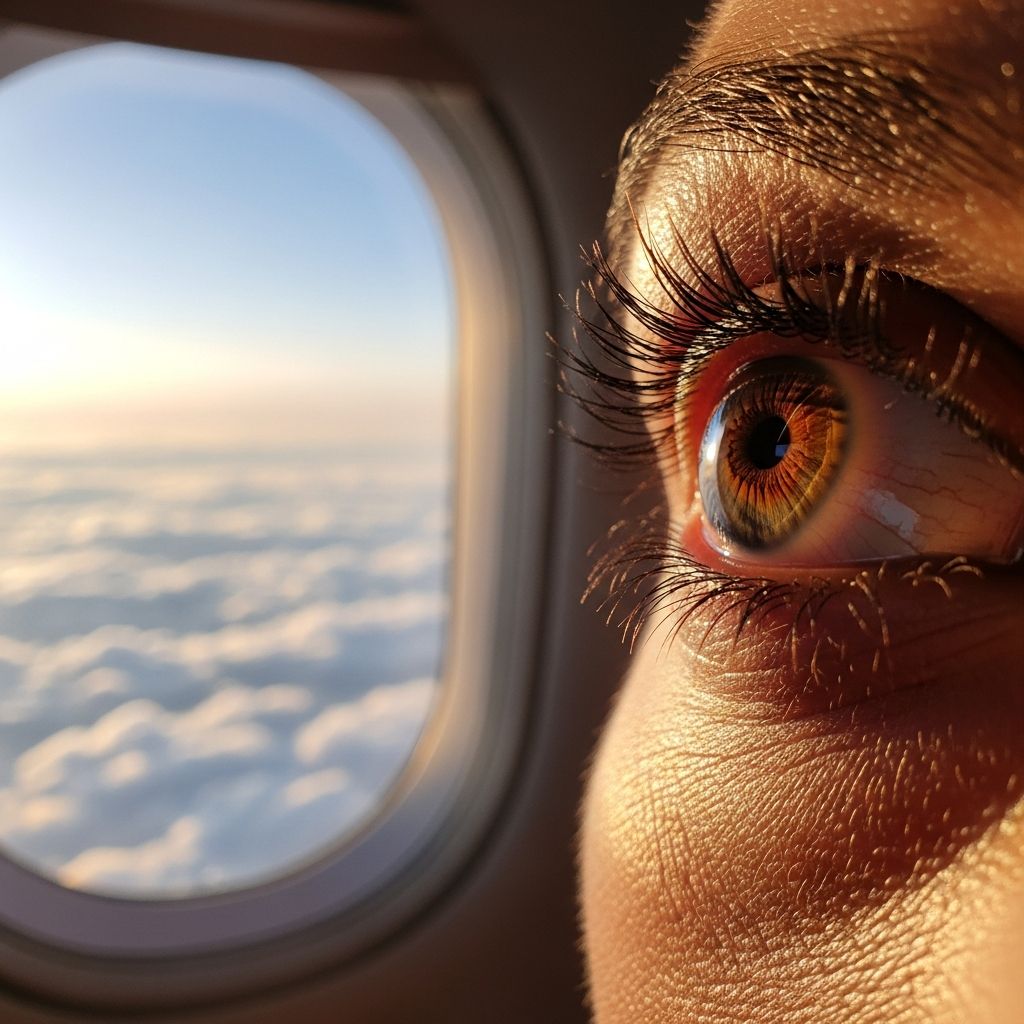
Air travel presents unique challenges for individuals with eye conditions or those recovering from ocular surgery. Understanding how altitude, cabin pressure changes, and reduced humidity affect your eyes is essential for safe and comfortable flying. This guide addresses the critical questions travelers with eye concerns should consider before boarding an aircraft.
Understanding How Air Travel Affects Your Eyes
The aircraft cabin environment differs significantly from ground level conditions. The reduced cabin pressure at cruising altitude creates lower oxygen levels, which can lead to mild swelling of eye tissues, including the cornea and retina. Additionally, low humidity inside airplane cabins typically ranges between 10-15%, compared to the normal 30-65% found in most indoor environments.
This moisture-depleted environment causes the ocular surface to experience dryness and discomfort. Travelers may experience itching, eye watering, severe pain, or difficulty wearing contact lenses during and after flights. For individuals with pre-existing eye conditions, these environmental factors can exacerbate existing problems and potentially create temporary vision fluctuations.
Post-Operative Eye Surgery and Flight Restrictions
Retinal Surgery and Gas Bubble Considerations
One of the most critical safety concerns involves flying after retinal surgery. During certain retinal repair procedures, ophthalmologists inject a gas bubble into the eye to hold the retina in place during healing. This gas bubble expands as external pressure decreases, which occurs at the lower atmospheric pressures found at flight altitudes.
The expansion of intraocular gas can pose serious risks to your eye health and vision. For this reason, patients who have undergone retinal surgery with gas instillation should not fly until their surgeon explicitly approves it. The timing varies depending on the surgery type and individual healing progress, but generally ranges from several weeks to months.
General Post-Surgical Clearance Guidelines
For other types of eye surgery—such as LASIK, cataract removal, corneal procedures, or general refractive surgeries—flying is generally safe once the eye has healed sufficiently. Your surgeon will provide specific clearance based on your individual healing timeline and post-operative care requirements.
Before traveling, ensure you:
- Obtain explicit approval from your surgeon regarding flight safety
- Understand any post-operative care instructions that apply during travel
- Arrange access to prescribed eye drops or medications while away
- Plan to avoid strenuous activities that might increase eye pressure
- Schedule a pre-travel examination if significant time has passed since surgery
Flying with Chronic Eye Conditions
Glaucoma and Intraocular Pressure
Individuals with glaucoma face specific considerations when flying. While the controlled atmospheric pressure in airplane cabins generally compensates for altitude-related pressure changes, other factors require attention. The dim cabin lighting can cause pupil dilation (mydriasis), which increases the risk of pupillary block and potentially acute angle-closure glaucoma—an ocular emergency.
Related Stories



Additionally, some individuals with glaucoma may experience increased intraocular pressure (IOP) due to cabin pressure changes. If you have glaucoma:
- Consult your eye care provider before flying, especially for long flights
- Bring all prescribed eye pressure medications in their original containers
- Maintain consistent medication schedules across time zones
- Avoid activities that increase intraocular pressure
- Consider wearing sunglasses in bright cabin areas to prevent excessive pupil dilation
Age-Related Macular Degeneration (AMD)
The good news for AMD patients is that air travel itself does not pose specific flying-related risks. However, general eye health maintenance remains important. Travelers with AMD should:
- Continue following standard eye health guidelines during travel
- Stay well-hydrated throughout the flight
- Wear UV-protective sunglasses when near window seats
- Take regular breaks from activities requiring prolonged near vision
- Use lubricating eye drops to counteract cabin dryness
Dry Eye Disease
Individuals with pre-existing dry eye conditions face heightened challenges during air travel due to the cabin’s extremely low humidity levels. The combination of reduced moisture and contact lens wear creates significant discomfort risk. Those with chronic dry eye should:
- Schedule a comprehensive dry eye evaluation before traveling
- Consult with their eye care provider about specialty eye drops for travel
- Consider switching to glasses for flights exceeding three hours
- Use preservative-free artificial tears frequently during flight
- Direct cabin air vents away from your face
Contact Lens Considerations During Air Travel
While wearing contact lenses while flying is generally safe, the cabin environment increases risks of dryness, irritation, and infection. The low humidity causes lenses to dry out, potentially adhering to the eye and causing discomfort or corneal abrasion.
For air travel comfort and safety:
- Remove contact lenses during flights longer than three hours and wear glasses instead
- Bring a lens case and cleaning solution if you need to clean or store lenses mid-flight
- Pack backup glasses in case contact lens discomfort becomes unbearable
- Use rewetting drops specifically formulated for contact lenses
- Limit digital screen use while wearing contacts to reduce additional eye strain
- Maintain proper hand hygiene before handling lenses to prevent infection
Practical Eye Care Strategies During Air Travel
Hydration and Lubrication
One of the simplest yet most effective strategies involves maintaining adequate hydration. Drinking plenty of water throughout your flight helps maintain overall eye health and may reduce the occurrence of floaters and flashes.
Beyond internal hydration, external eye lubrication is critical. Use artificial tears regularly during the flight, and opt for preservative-free formulations to avoid irritation from repeated applications. Applying lubricating drops every one to two hours during extended flights significantly improves comfort.
Pressure Equalization Techniques
Cabin pressure changes during takeoff and landing can create discomfort around the eyes and sinuses. To alleviate this sensation of fullness or pressure that affects vision, try these techniques:
- Chew gum during ascent and descent
- Yawn intentionally to equalize ear and sinus pressure
- Use saline nasal sprays to keep nasal passages moist
- Perform gentle ear-clearing maneuvers every few minutes during altitude changes
Managing Screen Time and Eye Strain
Extended use of digital devices during flights adds another layer of eye strain. The 20-20-20 rule helps reduce fatigue: every 20 minutes, look at something 20 feet away for at least 20 seconds. Additionally:
- Consider wearing blue light glasses if using digital devices for extended periods
- Close your eyes briefly every hour and use an eye mask
- Position your screen at arm’s length away from your face
- Reduce screen brightness to match your surroundings
UV Protection and Sun Exposure
Passengers seated near windows face increased ultraviolet (UV) radiation exposure, which intensifies at high altitudes. UV exposure can cause long-term damage to your eyes and surrounding tissues. When seated near a window:
- Wear sunglasses with certified UV protection
- Keep the window shade drawn when not looking outside
- Choose sunglasses that block 99-100% of UVA and UVB rays
Pre-Flight Preparation Checklist
Proper preparation before your flight significantly improves your in-flight eye comfort and safety. Schedule a pre-flight eye examination, especially if you have existing eye conditions or have experienced recent vision changes. An eye exam can detect early signs of dry eye disease, refractive errors, or other issues that may worsen during flights.
For those with chronic conditions like glaucoma or diabetes, a pre-flight eye checkup is even more important. Create a comprehensive travel eye care kit including:
- All prescribed eye medications in original containers
- Artificial tears (preservative-free preferred)
- Backup glasses or contacts with current prescription
- Contact lens solution and case
- Any specialty eye drops prescribed by your doctor
- Anti-allergy eye drops if prone to allergies
- UV-protective sunglasses
- Clean eye mask or sleep shade
- Your eye care provider’s contact information
Pre-Travel Eye Examination Importance
A pre-flight eye exam serves multiple purposes. It ensures your eyeglass or contact lens prescription is current and accurate, helping reduce visual discomfort during the flight. For frequent flyers with chronic health conditions, the examination can identify potential issues before they become problematic at altitude.
Individuals managing dry eye conditions benefit from a comprehensive evaluation that identifies the severity and type of dry eye disease. This information allows your eye care provider to recommend specific strategies or products tailored to your situation.
Special Considerations for Allergic Conditions
Airplane cabins recirculate air approximately 15-20 times per hour, but this recycling process doesn’t eliminate all allergens. Individuals prone to eye allergies should bring anti-allergy eye drops or oral antihistamines to minimize irritation caused by cabin allergens.
To reduce allergen exposure:
- Avoid touching your eyes, as hands frequently contact contaminated surfaces
- Wash hands regularly and thoroughly, especially after touching common areas
- Use a clean eye mask during rest periods to block allergens and light
- Direct cabin air vents away from your face
Addressing Specific Concerns About Flying
Floaters and Flashes During Flight
Some travelers notice increased floaters or flashes during air travel. While these typically occur due to eye strain and dehydration, maintaining proper eye lubrication with preservative-free drops and adequate hydration helps manage these symptoms. If you experience sudden onset of new floaters or flashes, consult an eye care professional immediately, as these can sometimes indicate more serious conditions.
Temporary Vision Changes
Temporary vision fluctuations may occur during flights due to mild swelling of eye tissues caused by reduced oxygen levels. These changes typically resolve within a few hours of landing and are not harmful in most cases. However, individuals with specific eye conditions should discuss these potential changes with their eye care provider before traveling.
Makeup and Eye Hygiene
Traveling with makeup around your eyes increases infection risk. Always remove makeup thoroughly before flying to prevent bacterial or irritant introduction. Clean your contact lenses and eyeglasses before boarding to ensure optimal vision and hygiene, minimizing irritation risk.
Recovery Timeline Expectations
Understanding typical recovery timelines helps you plan realistic travel schedules after eye procedures. Most LASIK and PRK patients can fly within 24-48 hours post-surgery, though some surgeons recommend waiting one week. Cataract surgery patients typically receive clearance to fly within one to two weeks.
Retinal surgeries, particularly those involving gas bubbles, require significantly longer waiting periods—often 6-12 weeks or longer, depending on the specific procedure and your individual healing progress.
Frequently Asked Questions About Flying with Eye Conditions
Is it safe to fly immediately after eye surgery?
No. Always wait for your surgeon’s explicit clearance. Recovery timelines vary significantly depending on the procedure type. For procedures involving gas bubble insertion, waiting periods can extend 6-12 weeks or longer.
Can cabin pressure changes worsen my glaucoma?
The controlled atmospheric pressure in airplane cabins generally compensates for altitude-related pressure changes. However, dim cabin lighting can increase pupil dilation risk, potentially triggering acute angle-closure glaucoma. Consult your eye care provider before flying.
Should I wear glasses or contacts during long flights?
For flights exceeding three hours, glasses are preferable to contact lenses. Contact lenses can exacerbate dryness caused by cabin environment, while glasses maintain consistent vision without increased irritation.
What eye drops should I pack for air travel?
Pack preservative-free artificial tears as your primary lubricant. If you have specific eye conditions, bring prescribed medications. Include anti-allergy drops if prone to allergies, and specialty drops recommended by your eye care provider.
Can I fly with AMD or dry eye disease?
Yes, but with precautions. AMD patients face no specific flying-related risks but should follow general eye health guidelines. Dry eye patients should prepare carefully with appropriate drops and may benefit from switching to glasses for longer flights.
Conclusion: Planning Safe Air Travel with Eye Conditions
Successfully flying with eye conditions requires advance planning, proper preparation, and clear communication with your eye care provider. Schedule a pre-flight examination, understand your specific condition’s requirements, obtain medical clearance when necessary, and pack appropriate eye care supplies. By implementing these strategies and following medical guidance, you can travel safely and comfortably while protecting your vision.
References
- Eye Care Tips for Flying: Your Guide to Healthy Air Travel — MTHK. https://mthk.com/blogs/news/complete-eye-care-guide-for-healthy-flying
- Protect Your Eyes During Frequent Flights — Kleinwood Vision. https://kleinwoodvision.com/blog-eye-health-tips-for-frequent-flyers
- Eye Conditions and Their Effect on Air Travel — Nova Eye Docs. https://novaeyedocs.com/eye-conditions-and-their-effect-on-air-travel/
- Eye disease and international travel: a critical literature review — National Center for Biotechnology Information (NCBI). https://pmc.ncbi.nlm.nih.gov/articles/PMC10289526/
- How To Protect Your Eyes While Traveling — Frequency. https://flei.com/how-to-protect-your-eyes-while-traveling/
Similar Articles








Read full bio of medha deb