Foam Roller Benefits: Your Complete Massage Tool Guide
Discover how foam rolling can enhance recovery, flexibility, and overall fitness performance.
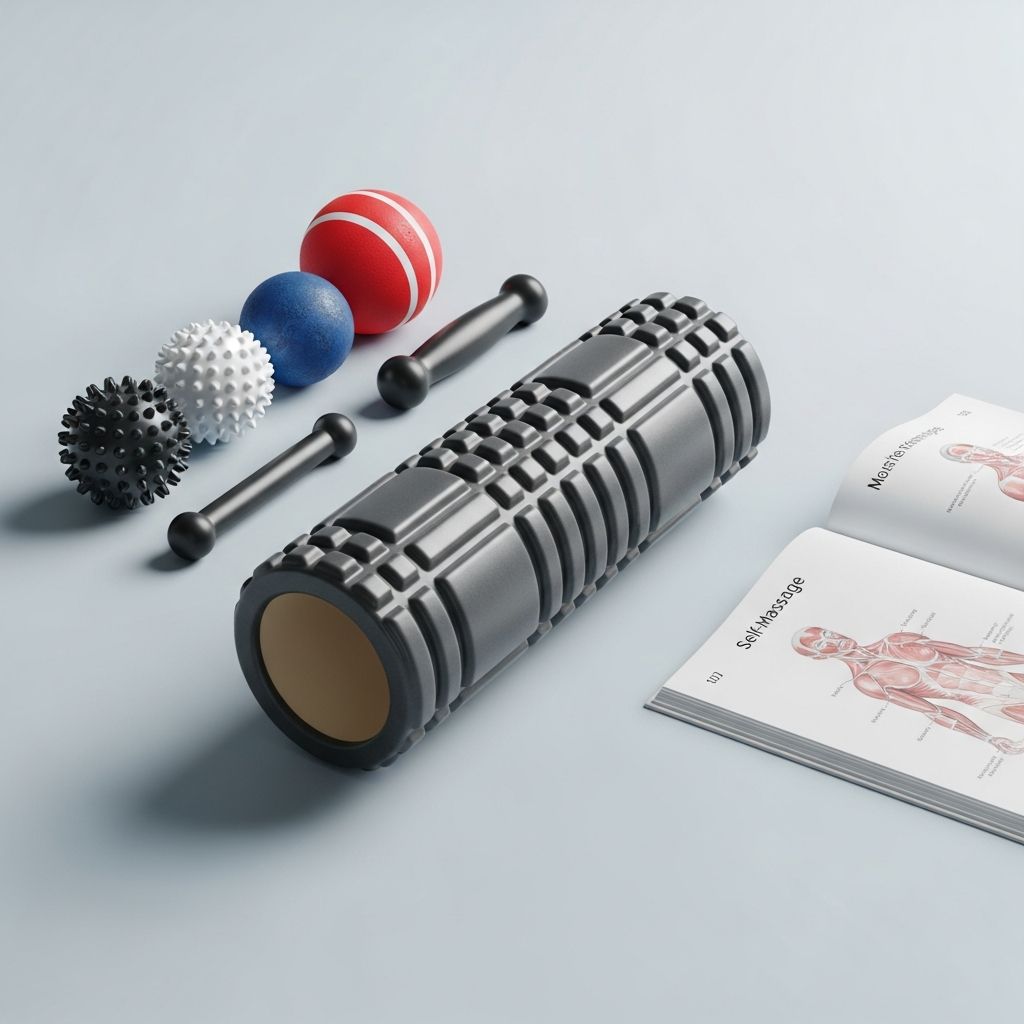
You’ve probably noticed people at the gym rolling their calves, glutes, and other body parts over cylindrical foam devices. Foam rolling has become increasingly popular among athletes, fitness enthusiasts, and rehabilitation specialists alike. But what exactly is a foam roller, and more importantly, could this self-massage tool actually benefit you? Understanding the science behind foam rolling and its various applications can help you determine whether incorporating this technique into your fitness routine makes sense for your goals.
What is Foam Rolling?
Foam rolling, also known as self-myofascial release, is a self-massage technique that uses a cylindrical piece of foam to apply pressure to specific areas of your body. The concept is straightforward: by applying targeted pressure to muscles and the connective tissue surrounding them (called fascia), you can help break up muscle knots and adhesions that develop over time. These knots form in the area where muscle meets fascia, and they can contribute to stiffness, pain, and reduced mobility.
The technique works by using your body weight to roll slowly over the foam roller, targeting specific muscle groups. While the sensation can be uncomfortable—hence the phrase “hurts so good”—the benefits often become apparent immediately after use. The knots get broken up and smoothed out, and your body begins to feel noticeably better.
Primary Benefits of Foam Rolling
Enhancing Flexibility and Range of Motion
One of the most well-documented benefits of foam rolling is its ability to improve flexibility and range of motion in your joints. When you use a foam roller on tight connective tissues, you’re essentially loosening up the structures that can restrict movement. As these tissues become more pliable under the gentle pressure of foam rolling, your muscles and joints can move more freely without constraint.
Research has consistently shown that foam rolling can increase range of motion in various areas of the body. For example, a study published in the Journal of Bodywork and Movement Therapies found that foam rolling the quadriceps for just two minutes improved range of motion in the hip flexors. Many people report noticing significant improvements in their ability to bend at their knees and hips after regular foam rolling sessions. This increased mobility is particularly valuable for anyone looking to maintain fitness and performance as they age.
Reducing Muscle Tension and Soreness
Muscle soreness, particularly delayed onset muscle soreness (DOMS) that typically appears 24 to 48 hours after intense exercise, is a common complaint among active individuals. Research published in the Journal of Athletic Training demonstrates that foam rolling is an effective strategy for reducing this type of soreness and the muscle tension that accompanies it.
When muscle fibers experience intense use, they can develop microscopic tears that lead to inflammation and soreness. Additionally, adhesions—those knots formed between muscle and fascia—can amplify discomfort and restrict movement. Foam rolling breaks up these adhesions, helping your body recover more efficiently. The technique outperforms many other recovery methods, making it a cost-effective alternative to professional massage therapy.
Improving Cardiovascular Health
One of the more surprising benefits of foam rolling is its positive impact on heart and cardiovascular health. Research conducted by sports science and exercise physiology experts has shown that regular, proper use of a foam roller can improve two significant markers associated with cardiovascular disease risk: arterial stiffness and vascular endothelial function.
Related Stories



Arterial stiffness is an important health measure that indicates risk for future cardiac events. Vascular endothelial function refers to how well the cells lining your heart and blood vessels perform their critical job of controlling contraction and relaxation of the heart muscle and vessel walls. Studies have found that foam rolling improves both of these measures in ways similar to the benefits seen in regular yoga practitioners.
The mechanism behind these cardiovascular improvements relates to foam rolling’s ability to enhance overall blood flow and circulation. Research published in the Journal of Strength and Conditioning Research confirmed a positive correlation between foam rolling and improved blood flow to muscles. Even while breaking up muscle knots, foam rolling simultaneously directs blood flow to affected areas, helping to detoxify and heal localized muscle injuries.
Accelerating Injury Recovery
Beyond preventing injuries from occurring in the first place, foam rolling can actively speed up the healing process when injuries do happen. This occurs through multiple mechanisms. First, foam rolling helps break up adhesions that often form between muscles and surrounding fascia tissue. Over time, neglected adhesions can become larger and contribute to more serious injuries ranging from strains and sprains to tears and chronic disability.
Second, foam rolling signals your cardiovascular system to direct oxygenated, nourishing blood to affected areas. This increased blood flow helps carry away toxins and promotes faster healing. Additionally, by improving range of motion and flexibility, foam rolling helps your body rebound more effectively after an injury and reduces the risk of re-injury.
Alleviating Localized Pain
Foam rolling can help reduce localized pain by alleviating tension in specific muscle groups. For instance, sciatica pain may be partially caused by tight tissues and muscles in the quadriceps and glutes that compress the sciatic nerve. A gentle foam rolling session targeting these areas can help loosen tight tissues and prevent this compression.
The Cleveland Clinic recognizes foam rolling as a simple, effective, and economical way to achieve daily relief from chronic pain symptoms. By targeting certain muscle groups with foam rolling, you may also help increase your pain pressure threshold—the measurement of the minimum force applied that induces pain—making you more resilient to discomfort during and after physical activity.
How Foam Rolling Improves Circulation
When connective tissue becomes too tight, it can restrict blood flow, limiting the supply of oxygen and nutrients to the affected area. Some people even experience a loss of feeling in certain tight spots, particularly around the glutes and quadriceps. The iliotibial band (IT band), a thick band of connective tissue running along the outer leg from the hip to the knee, frequently becomes particularly tight in active individuals, sometimes causing numbness due to restricted blood flow.
Foam rolling releases these tense connective tissues and allows more space for blood vessels to expand. Research published in the Archives of Physical Medicine and Rehabilitation examined whether myofascial release techniques increased blood flow around trigger points. The findings demonstrated that myofascial release techniques, including foam rolling, can sustainably increase blood flow in the treatment area during and after the session.
Improved circulation offers benefits beyond just muscle recovery. Because better blood flow is vital for mental clarity and cognitive function, regular foam rolling may have positive effects on brain health as well.
Injury Prevention and Performance Enhancement
Injury prevention is important for anyone at any age, but it becomes especially critical for physically active individuals and aging adults who want to maintain mobility and functional fitness. Therapeutic techniques like foam rolling serve as good preventive solutions for joint injuries and muscle strains.
By foam rolling, you can alleviate pressure on joints and muscles, thereby promoting their ability to perform and function better. Research in the Journal of Bodywork and Movement Therapies concluded that foam rolling is most effective when used in combination with dynamic stretching and active warmups before working out. This integrated approach helps prepare your body for exercise while reducing injury risk.
Mental Health and Stress Reduction
Self-massage with foam rollers offers psychological and emotional benefits beyond physical recovery. Taking time to gently soften and release tight and sore muscles can help put you in a state of relaxation and reduce overall stress levels. A study published in Evidence-Based Complementary and Alternative Medicine found that myofascial-release techniques improved sleep quality, reduced anxiety, and increased overall quality of life in patients with fibromyalgia.
When done after physical activity, foam rolling serves as an effective post-workout therapy for reducing stress. The gentle and relaxing self-massage can help bring down cortisol levels—your body’s primary stress hormone—creating a calming effect on both body and mind.
Cost-Effectiveness and Accessibility
One of the most practical advantages of foam rolling is its affordability compared to professional massage therapy. A quality foam roller typically costs less than a single professional sports massage session. Once you’ve made the initial investment in a foam roller, you have unlimited access to self-myofascial release whenever you need it—whether that’s in the morning when you’re stiff, at night before bed, at midday during your lunch break, or before and after your workouts.
This accessibility means you don’t have to wait for appointments or navigate scheduling constraints. You can simply use your foam roller to find relief for areas that remain stubbornly stiff whenever it’s convenient for you.
Best Practices for Foam Rolling
To maximize the benefits of foam rolling and minimize any potential risks, follow these best practices:
- Start slowly: If you’re new to foam rolling, begin with lighter pressure and shorter sessions until your body adapts
- Focus on major muscle groups: Target areas like calves, glutes, quadriceps, hamstrings, and IT bands that commonly develop adhesions
- Roll smoothly: Move slowly and deliberately over the foam roller, pausing on tender spots for a few seconds
- Combine with stretching: Use foam rolling alongside dynamic stretching and warmups for maximum effectiveness
- Stay hydrated: Drink plenty of water before and after foam rolling to support the body’s natural detoxification processes
- Consult professionals: If you have specific pain conditions or injuries, consult with a healthcare provider before beginning a foam rolling routine
Who Should Use Foam Rollers?
Foam rolling can benefit a wide range of people across different fitness levels and ages. Athletes and active individuals can use foam rolling to enhance performance, prevent injuries, and accelerate recovery between workouts. Older adults can use foam rolling to maintain mobility and flexibility, reducing fall risk and supporting functional independence.
People experiencing chronic pain, muscle stiffness, or tension from sedentary work can find relief through regular foam rolling sessions. Those recovering from injuries can use foam rolling as part of their rehabilitation protocol to restore normal movement patterns and prevent re-injury. Even individuals focused primarily on relaxation and stress reduction can benefit from the meditative, calming aspects of self-myofascial release.
Frequently Asked Questions
How often should I foam roll?
For most people, foam rolling 2-3 times per week is sufficient for seeing benefits. However, athletes and very active individuals may benefit from daily foam rolling, particularly before and after workouts. Listen to your body and adjust frequency based on how you feel.
Can foam rolling replace professional massage therapy?
While foam rolling is an excellent self-care tool that can reduce the need for professional massage, it doesn’t completely replace the benefits of hands-on therapeutic massage. However, regular foam rolling can reduce how frequently you need professional massage services, making it a cost-effective complement to professional care.
Is foam rolling safe for everyone?
Foam rolling is generally safe for most people, but individuals with certain conditions should consult their healthcare provider first. People with acute injuries, fractures, severe inflammation, or certain medical conditions should get professional guidance before foam rolling.
What size foam roller should I buy?
Standard foam rollers are typically 36 inches long and 5-6 inches in diameter, making them suitable for most people and most muscle groups. Smaller rollers are available for targeting specific areas like the feet or arms, while longer rollers can be beneficial for larger individuals.
Can foam rolling help with sciatica pain?
Gentle foam rolling targeting the quadriceps and glutes may help alleviate sciatica pain caused by muscle tightness. However, because sciatica can indicate underlying spinal conditions, always consult your doctor before treating it at home with foam rolling.
References
- Top 5 Reasons to Foam Roll — Bayswater Neuromuscular Massage. 2023. https://bayswater.ca/wp-content/uploads/2023/03/Top-5-Reasons-to-Foam-Roll.pdf
- Benefits of Foam Rolling — Relax The Back. 2024. https://relaxtheback.com/blogs/news/benefits-of-foam-rolling
- Foam Rolling for Performance and Recovery — Harvard School of Public Health. 2016. https://content.sph.harvard.edu/wwwhsph/sites/143/2016/10/8_2016-Mobility-Rollers.pdf
Similar Articles








Read full bio of medha deb