Foamy Urine: Bubbles, Causes, Diagnosis & What’s Normal
Understanding foamy urine: Learn when it's harmless and when it signals kidney disease.
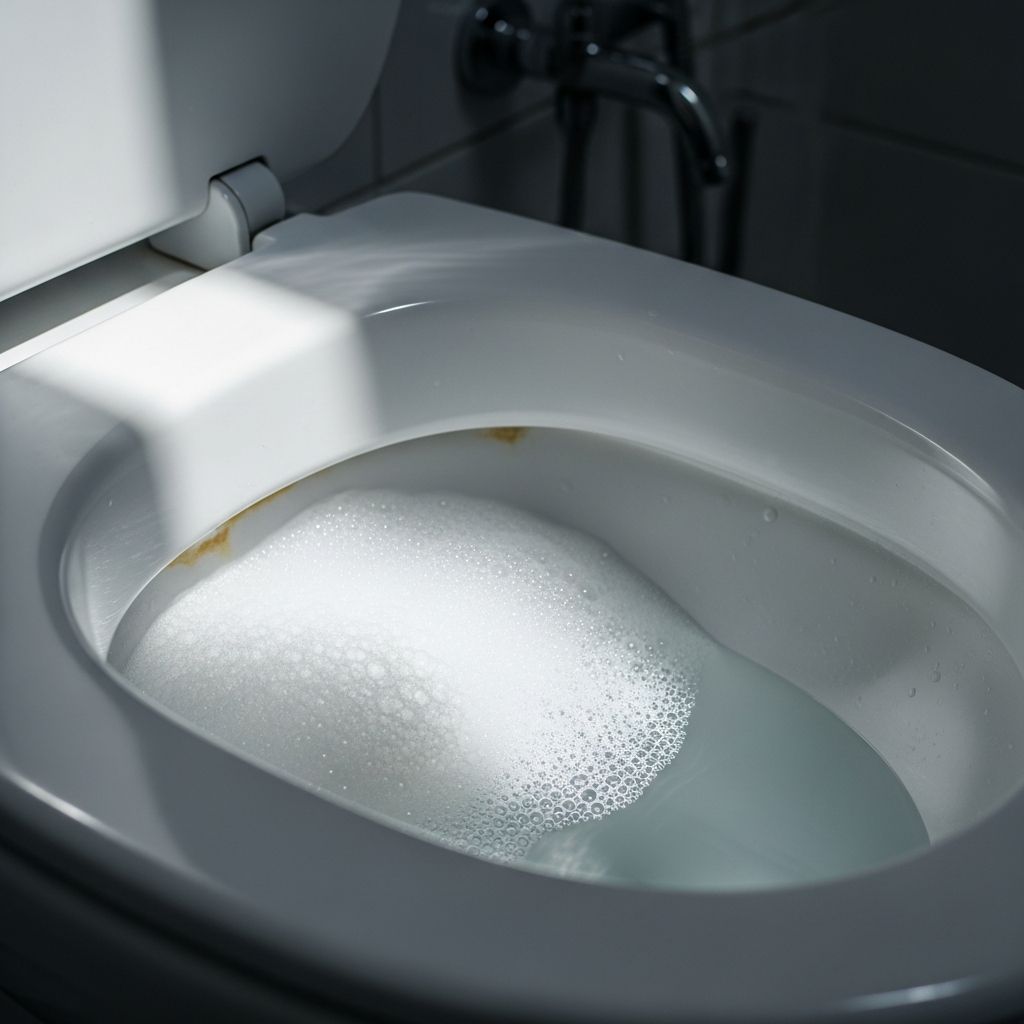
Noticing foam or bubbles in your urine can be unsettling, but in many cases, it’s completely harmless. Foamy urine occurs when your urine forms a noticeable layer of bubbles or froth in the toilet bowl, and while occasional bubbles are normal—particularly if you urinate forcefully or into standing water—persistent foam may indicate a more serious underlying condition. Understanding what causes foamy urine and recognizing warning signs can help you determine whether you need medical attention.
What Is Foamy Urine?
Foamy urine refers to the presence of persistent foam, froth, or bubbles in your urine when it enters the toilet bowl. The key distinction lies in understanding whether the foam is temporary or persistent. A single instance of bubbles that disappears after flushing is generally not concerning, especially if accompanied by no other symptoms. However, when foam appears regularly, remains after flushing, or develops into a thick layer resembling the head on a root beer float, it warrants medical evaluation.
The appearance of foam occurs because certain substances in urine—particularly proteins—act like surfactants, similar to soap in water. These proteins trap air bubbles, creating the foamy appearance. Understanding this mechanism is crucial because it highlights why persistent foamy urine often signals underlying kidney issues rather than benign causes.
Common Causes of Foamy Urine
Foamy urine can result from various causes, ranging from harmless and temporary to serious conditions requiring medical intervention. Identifying which category your situation falls into is essential for appropriate management.
Benign Causes
Rapid urine stream or full bladder: When you have a full bladder, urine may exit forcefully, creating turbulence similar to water rushing from a faucet. This physical action stirs up bubbles in the toilet water, producing the appearance of foam without any underlying health concern. Once your bladder emptying normalizes, the foaminess typically disappears.
Dehydration and concentrated urine: When your fluid intake is insufficient, your urine becomes more concentrated because it contains the same waste products in a smaller volume of liquid. Concentrated urine is more likely to produce visible bubbles when it hits the toilet water. This is often accompanied by darker yellow or amber-colored urine. Increasing your water intake usually resolves this issue, and your urine should return to a pale yellow color—the optimal appearance for healthy hydration.
Toilet bowl residues: Sometimes foam results from chemical residues in the toilet bowl, such as cleaning products or disinfectants. These substances can react with urine to create bubbles. Cleaning the toilet or flushing multiple times typically eliminates this type of foam.
Medical Causes Requiring Attention
Protein in urine (proteinuria): Proteinuria is one of the most significant causes of persistent foamy urine. Normally, your kidneys filter waste products while preventing large molecules like proteins from entering your urine. When kidney function becomes compromised, the filters develop gaps or become damaged, allowing proteins—particularly albumin—to leak into the urine. Since proteins act as surfactants, their presence creates the characteristic foam. Proteinuria can indicate acute conditions or chronic kidney damage.
Related Stories



Kidney disease: Chronic kidney disease (CKD), glomerulonephritis, and other kidney disorders commonly present with foamy urine as an early warning sign. These conditions damage the kidney’s filtering units (nephrons), allowing protein to escape into the urine. Early detection and management of kidney disease can slow progression and prevent severe complications.
Diabetes and high blood pressure: Both diabetes and hypertension are leading causes of kidney damage worldwide. High blood sugar levels in diabetes can damage the tiny blood vessels in your kidneys, reducing their filtering capacity. Similarly, elevated blood pressure puts excessive strain on kidney blood vessels. Both conditions frequently cause proteinuria and foamy urine, making these symptoms particularly important to address if you have diabetes or hypertension.
Urinary tract infections (UTIs): When bacteria infect your urinary tract, they damage cells lining the urethra and bladder. This cellular damage releases phospholipids—fat molecules that comprise cell membranes—into the urine. Because phospholipids are amphiphilic (having both water-loving and water-repelling properties), they readily create bubbles in urine. UTI-related foam typically resolves once the infection is treated with antibiotics.
Retrograde ejaculation: This condition, which primarily affects men, occurs when semen flows backward into the bladder during ejaculation rather than exiting through the urethra. Since semen contains proteins and other substances, its presence in urine can create a foamy or cloudy appearance. This benign condition typically causes no long-term health consequences.
Rare conditions: Unusual causes include amyloidosis (abnormal protein accumulation), nephrotic syndrome (massive protein loss), lupus nephritis, and multiple myeloma. These conditions cause severe proteinuria and require specialized treatment.
When to Be Concerned: Warning Signs and Symptoms
While occasional foam is usually harmless, certain patterns and accompanying symptoms indicate you should seek medical evaluation. Pay attention to both the characteristics of the foam itself and any other symptoms you’re experiencing.
Red Flag Symptoms
- Persistent frothy urine: Foam that appears consistently with each urination or remains visible after flushing represents a significant change that warrants investigation.
- Swelling (edema): Puffiness in your feet, ankles, legs, face, or around your eyes suggests your kidneys aren’t adequately filtering fluid, causing retention in body tissues.
- Changes in urine output: Suddenly urinating significantly less or more than usual can indicate kidney dysfunction.
- Urine color changes: Dark cola-colored urine or blood in urine represents a serious warning sign requiring urgent evaluation.
- Systemic symptoms: Fatigue, loss of appetite, nausea, and general malaise often accompany kidney disease.
- Urinary discomfort: Pain or burning during urination suggests infection or inflammatory conditions.
When to Seek Immediate Medical Attention
Contact a healthcare provider urgently if you experience:
- Persistent foamy urine occurring daily over multiple days
- Foam combined with leg, face, or body swelling
- Shortness of breath or difficulty breathing
- Severe nausea or vomiting
- Blood in urine or cola-colored urine
- Sudden significant changes in urination frequency or volume
- Pain during urination
- Known diagnosis of kidney disease or diabetes with new foamy urine onset
Diagnosis of Foamy Urine
If you develop persistent foamy urine, your healthcare provider will conduct a systematic evaluation to identify the underlying cause.
Initial Assessment
Urine dipstick test: This simple screening test detects protein, blood, glucose, and other abnormalities in your urine. The presence of protein strongly suggests proteinuria as the cause of your foamy urine.
Urinalysis: A microscopic examination of urine samples can identify bacteria (suggesting UTI), blood cells, casts, and crystal formations that provide clues about kidney function.
Advanced Testing
If initial tests suggest kidney disease, your doctor may order:
- 24-hour urine protein test: This definitive test quantifies exactly how much protein you’re losing in urine over a full day, helping assess kidney damage severity.
- Blood tests: Serum creatinine and blood urea nitrogen (BUN) levels reveal how well your kidneys filter waste from blood. Glomerular filtration rate (GFR) calculation determines your kidney function percentage.
- Blood pressure monitoring: Both office and home blood pressure readings help assess your cardiovascular risk and hypertension’s role in kidney disease.
- Imaging studies: Ultrasound or CT scans visualize kidney structure and size, identifying obstruction, scarring, or abnormalities.
- Kidney biopsy: In selected cases, a tissue sample from your kidney provides a definitive diagnosis of glomerular disease or other kidney pathology.
Treatment and Management Strategies
Treatment approaches depend entirely on the underlying cause of your foamy urine.
For Benign Causes
Dehydration: Increase water intake to achieve pale yellow urine color. Most people should aim for 8-10 glasses daily, though individual needs vary based on activity level, climate, and health status.
Rapid urine stream: No treatment needed; this typically resolves naturally.
For Medical Causes
Proteinuria management: Treatment focuses on controlling underlying conditions causing protein loss. Medications such as ACE inhibitors or angiotensin receptor blockers reduce protein in urine while protecting kidney function, especially beneficial for diabetic and hypertensive patients.
Infection treatment: UTIs require antibiotic therapy targeted to the specific bacteria causing the infection. Completing the full antibiotic course prevents recurrent infections and kidney damage.
Diabetes control: Maintaining target blood sugar levels through medication, diet, and exercise minimizes ongoing kidney damage.
Blood pressure management: Keeping blood pressure below 130/80 mm Hg using medications and lifestyle changes protects kidney function.
Kidney disease treatment: Advanced kidney disease may require medications to manage electrolytes, blood pressure, anemia, and bone health, with progressive cases potentially requiring dialysis or transplantation.
Lifestyle Modifications for Kidney Health
- Maintain adequate hydration: Drink sufficient water daily to keep urine pale yellow, supporting kidney function without overloading your system.
- Follow a kidney-healthy diet: Limit sodium, manage protein intake based on your kidney function, and control phosphorus and potassium if directed by your healthcare provider.
- Monitor blood pressure and blood sugar: Regular self-monitoring helps track progress and catch problems early.
- Exercise regularly: Moderate physical activity supports overall health and helps maintain healthy body weight.
- Avoid nephrotoxic substances: Limit NSAIDs, certain antibiotics, and excessive alcohol consumption that can damage kidneys.
- Quit smoking: Smoking accelerates kidney disease progression and increases cardiovascular risk.
Frequently Asked Questions
Q: Is occasional foamy urine normal?
A: Yes, occasional foamy urine is normal, especially if you urinate forcefully or have a full bladder. However, persistent foam that appears regularly warrants medical evaluation to rule out proteinuria or kidney disease.
Q: Can dehydration cause foamy urine?
A: Yes, dehydration concentrates your urine, making foam more visible. Drinking more water typically resolves dehydration-related foam. If dark urine accompanies the foam, increase fluid intake promptly.
Q: What tests confirm foamy urine cause?
A: Your doctor typically starts with a urine dipstick to detect protein or blood. If protein is present, a 24-hour urine collection test measures protein loss, followed by blood tests measuring kidney function (creatinine and GFR) and possibly imaging studies.
Q: Does foamy urine always mean kidney disease?
A: No. Foamy urine has many causes, including benign ones like rapid urination or dehydration. However, persistent foam—especially with other symptoms—often indicates proteinuria from kidney issues, diabetes, hypertension, or UTIs that require evaluation.
Q: How is proteinuria treated?
A: Treatment depends on the cause. ACE inhibitors or ARBs help manage proteinuria in diabetes and hypertension. UTIs require antibiotics. Kidney disease treatment is individualized based on underlying etiology and disease stage, potentially including medications for blood pressure and electrolyte management.
Q: Can I prevent foamy urine?
A: You can reduce risk by maintaining healthy hydration, controlling blood sugar and blood pressure, exercising regularly, following a kidney-healthy diet, avoiding NSAIDs unless necessary, and not smoking. Regular health screenings help catch kidney disease early.
References
- Foamy Urine: Bubbles, Causes, Diagnosis & What’s Normal — Cleveland Clinic. 2024. https://my.clevelandclinic.org/health/symptoms/foamy-urine
- Protein In Urine (Proteinuria): Causes, Symptoms & Treatment — Cleveland Clinic. 2024. https://my.clevelandclinic.org/health/symptoms/16428-proteinuria
- Foamy Urine: Causes, Symptoms and When to Worry — Glen Eagles Hospitals. 2024. https://www.gleneagleshospitals.co.in/blogs/urology-urogynaecology/foamy-urine-causes-symptoms-and-when-to-worry
- What Foamy Urine Tells You About Your Health — Rupa Health. 2024. https://www.rupahealth.com/post/what-foamy-urine-tells-you-about-your-health
- You Really Can Have Foamy Pee. Here’s Why — Men’s Health. 2024. https://www.menshealth.com/health/a44684534/foamy-urine/
- Why Is My Urine Foamy and Should I Worry? — Eureka Health. 2024. https://www.eurekahealth.com/resources/why-is-my-urine-foamy-en
- Changes in Urine Color: What Causes It and What Could It Mean? — Manchester Urology. 2024. https://www.manchesterurology.com/patient-education/changes-in-urine-color-what-causes-it-and-what-could-it-mean/
Similar Articles








Read full bio of medha deb