Foamy Urine: Causes, Diagnosis, And When To See A Doctor
Discover why your urine is foamy, from harmless causes like dehydration to serious signs of kidney disease and when to see a doctor.
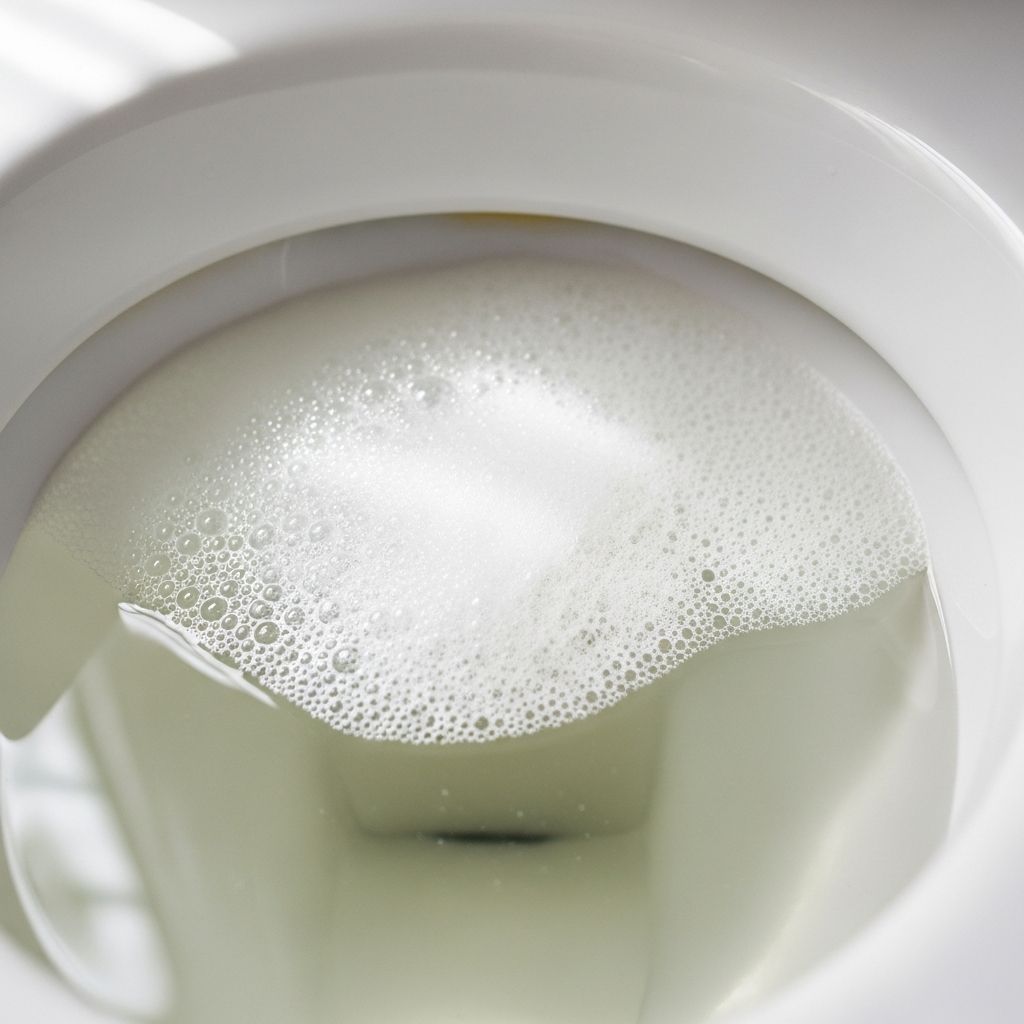
Foamy urine, characterized by persistent bubbles or froth in the toilet bowl after urination, is a common concern that can range from benign to indicative of underlying health issues. While occasional bubbles are normal, persistent foam often signals
proteinuria
—excess protein in the urine—which may point to kidney dysfunction. Healthy kidneys filter waste while retaining essential proteins like albumin in the blood; when damaged, these proteins leak into urine, creating foam due to their surfactant properties.According to experts, normal urine produces a single layer of large bubbles that dissipate quickly, but foamy urine features multiple layers of tiny to medium bubbles lasting minutes or more. This article explores causes, symptoms, diagnosis, treatment, prevention, and FAQs, drawing from credible medical sources.
What Causes Foamy Urine?
Several factors contribute to foamy urine. Benign causes are most common, but persistent cases warrant investigation for proteinuria or kidney disease.
Harmless or Temporary Causes
- Forceful urination: A strong urine stream hitting the toilet water traps air, creating temporary bubbles that vanish quickly. This is normal and not a health concern.
- Dehydration: Insufficient fluid intake concentrates urine, increasing protein and solute density, which promotes foaming. Urine appears darker and more viscous. Increasing hydration often resolves this.
- Cleaning products: Residual toilet bowl cleaners or soaps react with urine, producing foam unrelated to health.
- Surfactants in urine: Normal urine contains metabolites like bile salts and fatty acid esters with surfactant properties that stabilize bubbles. Elevated levels from liver issues or gut overgrowth can cause foam without proteinuria.
Medical Causes
- Proteinuria and kidney disease: The primary medical culprit. Damaged kidney filters (glomeruli) allow proteins to pass into urine. Chronic kidney disease (CKD) often presents asymptomatically early on, with foamy urine as a key clue. Only about one-third of those reporting foamy urine have significant proteinuria.
- Diabetes (diabetic nephropathy): High blood sugar damages kidney blood vessels, leading to protein leakage. Common in uncontrolled diabetes.
- High blood pressure (hypertension): Strains kidney filters over time, causing proteinuria.
- Urinary tract infections (UTIs): Inflammation releases phospholipids from damaged cells, creating foam. Accompanied by burning or frequent urination.
- Chronic infections: Hepatitis, HIV, or others inflame kidneys, increasing protein.
- Retrograde ejaculation: Semen enters the bladder, making urine cloudy or foamy post-orgasm.
- Preeclampsia (in pregnancy): Elevated protein signals this dangerous condition.
Symptoms of Kidney Disease Related to Foamy Urine
Foamy urine alone may not indicate disease, but persistence with other signs suggests kidney issues. Common symptoms include:
- Swelling (edema) in legs, ankles, face from fluid retention.
- Fatigue, nausea, loss of appetite.
- Shortness of breath, headaches, muscle cramps.
- Itchy skin, sleep issues, difficulty concentrating.
- Blood in urine (hematuria), foamy or decreased urine output.
- For diabetes: Blurry vision, thirst, frequent urination, unexplained weight loss.
Early CKD is often silent; regular check-ups are vital for at-risk groups like diabetics or hypertensives.
Is Foamy Urine a Sign of Kidney Failure?
Not necessarily failure, but potentially early damage. Persistent foamy urine historically flags kidney disease risk. Proteinuria precedes overt failure, allowing intervention. Advanced stages may require dialysis if kidneys function below 15%. Mayo Clinic advises seeing a doctor if foam worsens over time, as it signals proteinuria needing evaluation.
Related Stories



When to See a Doctor for Foamy Urine
Consult a healthcare provider if:
- Foam persists >few days despite hydration.
- Accompanied by swelling, fatigue, blood in urine, pain, fever, weight loss, or pregnancy.
- You have diabetes, hypertension, or family kidney history.
Urgent care for preeclampsia symptoms in pregnancy.
How Is Foamy Urine Diagnosed?
Diagnosis starts with history and physical exam, followed by:
- Urinalysis (dipstick test): Detects protein levels quickly.
- 24-hour urine collection: Measures total protein excretion.
- Urine albumin-to-creatinine ratio (ACR): Screens for microalbuminuria.
- Blood tests: Checks creatinine, eGFR for kidney function; glucose for diabetes.
- Imaging: Ultrasound or CT for structural issues.
- Kidney biopsy: Rarely, for precise damage assessment.
Distinguishes benign foam from pathology.
How to Treat Foamy Urine
Treatment targets the cause:
| Cause | Treatment |
|---|---|
| Dehydration | Increase fluids; monitor resolution. |
| Proteinuria/Kidney Disease | ACE inhibitors/ARBs to reduce pressure; blood pressure control; low-protein diet. |
| Diabetes | Blood sugar management; statins if needed. |
| UTIs | Antibiotics. |
| Chronic Infections | Antivirals (e.g., HIV, hepatitis); specialist referral. |
| Advanced CKD | Dialysis or transplant. |
Lifestyle changes like diet and exercise aid management.
Prevention Tips
- Stay hydrated: 8-10 glasses water daily.
- Manage blood pressure/sugar: Regular screenings.
- Healthy diet: Low salt/protein, high fruits/veggies.
- Avoid NSAIDs excess; treat UTIs promptly.
- Annual check-ups for at-risk individuals.
Frequently Asked Questions (FAQs)
What does foamy urine mean?
Foamy urine often means protein in urine (proteinuria), possibly from kidney issues, but can be dehydration or forceful stream.
Is foamy urine normal?
Occasional bubbles yes; persistent foam no—see a doctor.
Does foamy urine mean kidney failure?
Not always, but it can signal early damage needing prompt check.
How long should urine foam last?
Normal bubbles dissipate in seconds; foam lasting minutes is concerning.
Can dehydration cause foamy urine?
Yes, concentrated urine foams more.
Does foamy urine go away?
If benign, yes with hydration; persistent requires medical evaluation.
References
- Foamy Urine: 8 Causes, Symptoms & When To Worry — Women’s Health Magazine. 2019-06-12. https://www.womenshealthmag.com/health/a25308193/foamy-urine-causes/
- Foamy Urine: Is This a Sign of Kidney Disease? — PMC – NIH. 2019-10-15. https://pmc.ncbi.nlm.nih.gov/articles/PMC6832055/
- Foamy urine: Causes and treatment — Medical News Today. 2023-08-15. https://www.medicalnewstoday.com/articles/322171
- What Foamy Urine Tells You About Your Health — Rupa Health. 2023-05-10. https://www.rupahealth.com/post/what-foamy-urine-tells-you-about-your-health
- Foamy Urine: What It Means and When to See a Doctor — Center for Advanced Urology. 2024-02-20. https://www.centerforadvancedurology.com/patient-education/foamy-urine-what-it-means-and-when-to-see-a-doctor/
- Foamy urine: What does it mean? — Mayo Clinic. 2023-11-08. https://www.mayoclinic.org/healthy-lifestyle/adult-health/expert-answers/foamy-urine/faq-20057871
Similar Articles








Read full bio of Sneha Tete