Focal Dermal Hypoplasia: Causes, Symptoms, Diagnosis, Treatment
Comprehensive guide to Goltz syndrome: symptoms, causes, diagnosis, and management of this rare genetic skin disorder.
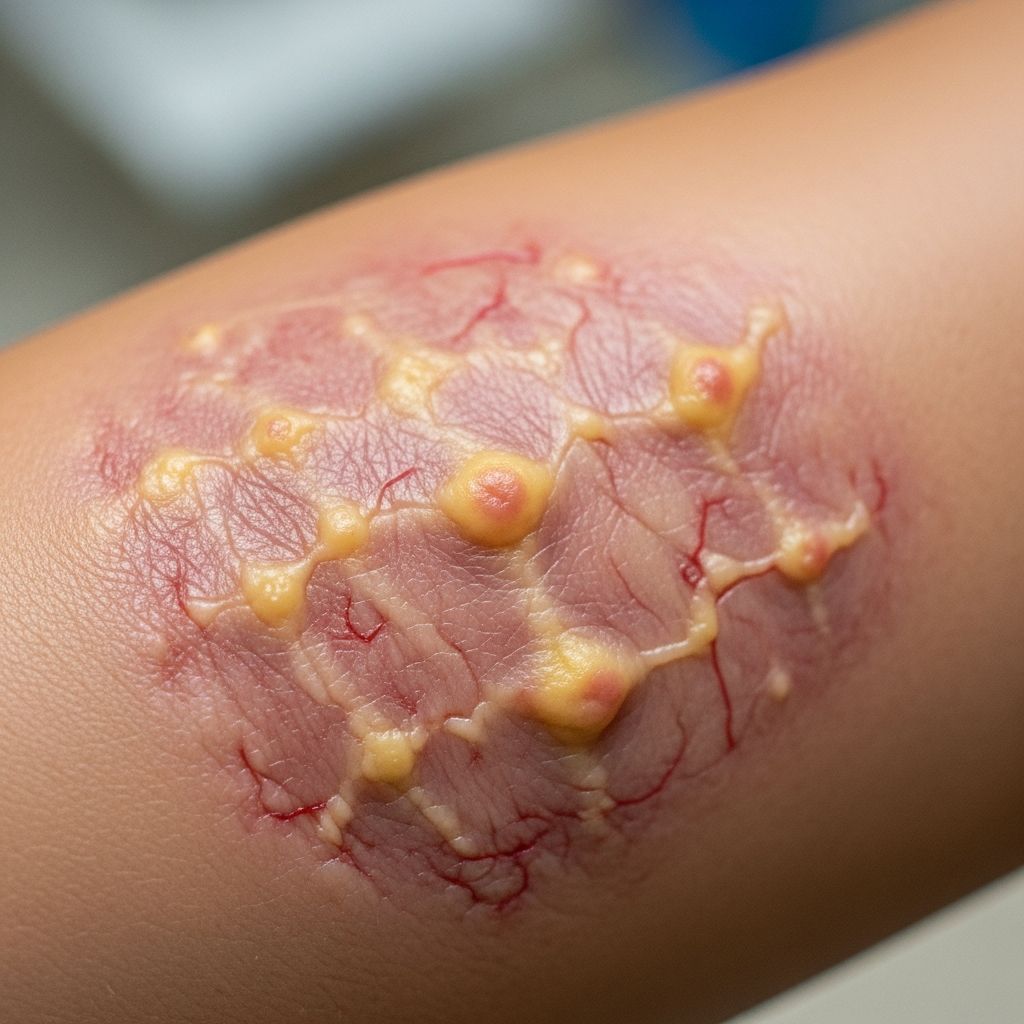
What is focal dermal hypoplasia?
Focal dermal hypoplasia (FDH), also known as Goltz syndrome or Goltz-Gorlin syndrome, is a rare genetic multisystem disorder characterised by patchy, hypoplastic areas of skin (dermal hypoplasia), skeletal abnormalities, eye anomalies, and facial features. It belongs to the group of ectodermal dysplasias, disorders affecting ectoderm-derived tissues such as skin, hair, nails, teeth, and glands. FDH primarily affects females, with about 90% of cases occurring in girls due to its X-linked dominant inheritance pattern linked to mutations in the PORCN gene on the X chromosome. Males are rarely affected and often do not survive to birth, though mosaic forms have been reported.
The condition exhibits extreme clinical variability, even within families, with skin lesions following Blaschko’s lines—patterns of embryonic cell migration visible in X-linked skin disorders. Prevalence is estimated at less than 1 in 1,000,000, making it exceptionally rare. Symptoms are present at birth or early infancy, progressing with age, including papilloma development.
Who gets focal dermal hypoplasia (epidemiology)?
FDH predominantly affects females, with over 95% of diagnosed cases being female due to the lethal nature of PORCN mutations in hemizygous males. Approximately 500 cases have been reported worldwide, though underdiagnosis likely occurs due to variability. It arises mostly from de novo mutations (95% of cases), with familial inheritance in about 5%, typically from affected mothers with milder phenotypes.
No ethnic or geographic predilection is noted, but early recognition is crucial for multidisciplinary management.
What causes focal dermal hypoplasia?
FDH results from mutations in the PORCN gene (Xp11.23), which encodes porcupine O-acyltransferase, an enzyme essential for lipid modification of Wnt signaling proteins critical for embryonic development of skin, skeleton, eyes, and other tissues. Over 90% of affected individuals have identifiable PORCN variants, including nonsense, missense, frameshift, splice-site mutations, or partial/complete gene deletions.
Inheritance is X-linked dominant with male lethality; heterozygous females show mosaicism due to X-chromosome inactivation, explaining variability—skewed inactivation correlates with severity. In rare male cases, postzygotic mutations lead to mosaicism. Wnt pathway disruption impairs tissue patterning, causing focal ectodermal and mesodermal defects.
What are the clinical features of focal dermal hypoplasia?
FDH manifests across multiple systems, with skin involvement universal.
Skin features
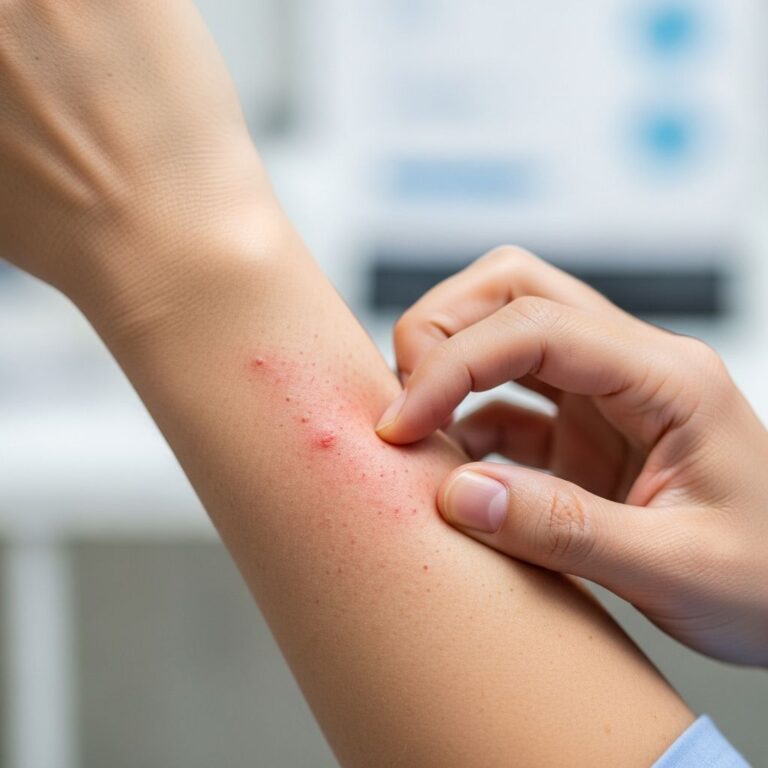
- Atrophic/hypoplastic skin: Linear or reticulated areas of thinned, fragile skin along Blaschko’s lines, often erythematous at birth, progressing to atrophy, telangiectasias, hypo/hyperpigmentation, and fat herniation (soft yellow nodules).
- Cutis aplasia: Congenital absence of skin, especially scalp, presenting as eroded patches healing with scarring.
- Papillomas: Verrucous, wart-like growths emerging in childhood/adolescence around orifices (lips, vulva, anus, gums, eyelids); may cause obstruction.
- Nails: Dystrophic, ridged, hypoplastic, or absent.
- Hair: Sparse, brittle, or patchy alopecia.
- Other: Brittle enamel, dental anomalies.
Skeletal abnormalities
- Oligodactyly/syndactyly/ectrodactyly (missing/fused/split digits).
- Clavicular hypoplasia, osteopathia striata (linear bone striations), scoliosis.
- Facial asymmetry, micrognathia, pointed chin.
Related Stories



Ocular features
- Microphthalmia, anophthalmia, colobomas, microcornea, scleral dermoids, strabismus.
Other systems
- Oral: Cleft lip/palate, enamel defects.
- Neurological: Intellectual disability (20-30%), seizures, microcephaly.
- GI: Duodenal atresia, malrotation, papillomas causing dysphagia.
- Cardiac: Septal defects (rare).
- Other: Hearing loss, short stature, hernias.
Pathology of focal dermal hypoplasia
Skin biopsy reveals focal absence of dermis with adipose tissue herniation into epidermis; adnexal structures are reduced. Bone radiographs show striations; genetic testing confirms PORCN mutations.
How is focal dermal hypoplasia diagnosed?
Diagnosis combines clinical findings and molecular confirmation.
- Clinical criteria: Characteristic skin lesions (e.g., Blaschko-linear atrophy) plus limb/ocular anomalies.
- Genetic testing: PORCN sequencing/deletion analysis (diagnostic yield >90%).
- Imaging: Skeletal survey, eye exam, abdominal ultrasound, echocardiography.
Prenatal diagnosis via amniocentesis/CVS if familial.
Differential diagnosis of focal dermal hypoplasia
| Condition | Key Distinguishing Features |
|---|---|
| Incontinentia pigmenti | Vesicular stage, dental anomalies, no fat herniation; IKBKG gene. |
| Microphthalmia with linear skin defects (MLS) | MLS syndrome; HCCS gene, no papillomas. |
| Rothmund-Thomson syndrome | Poikiloderma, photosensitivity, cataracts; RECQL4 . |
| Proteus syndrome | Asymmetric overgrowth, lipomas; AKT1 mosaic. |
What is the treatment for focal dermal hypoplasia?
No cure exists; management is symptomatic and multidisciplinary.
- Skin: Emollients, wound care, infection prevention; pulsed dye laser for telangiectasias/erythema.
- Papillomas: Surgical excision, laser, cryotherapy; monitor for recurrence.
- Skeletal: Orthotics, surgery for limb deformities/scoliosis.
- Ocular/Dental: Specialist care, prosthetics.
- Supportive: Physiotherapy, hearing aids, genetic counseling.
What is the outcome for focal dermal hypoplasia?
Prognosis varies with severity; mild cases achieve independence, severe ones require lifelong support. Complications include infections, papilloma obstruction, vision/hearing loss, scoliosis. Life expectancy is near-normal without major visceral involvement.
Prevention of focal dermal hypoplasia
Genetic counseling for families; preimplantation diagnosis possible.
Guidelines on focal dermal hypoplasia
- NORD guidelines emphasise multidisciplinary care.
- Orphanet recommends genetic confirmation.
Patient support groups for focal dermal hypoplasia
- National Foundation for Ectodermal Dysplasias (NFED): Support and resources.
- NORD Rare Disease Database.
Frequently asked questions (FAQs) on focal dermal hypoplasia
Q: Is focal dermal hypoplasia fatal?
A: Generally not; most live normal lifespans with management, though severe cases have higher morbidity.
Q: Can males have Goltz syndrome?
A: Rare mosaic cases reported; typically lethal in utero.
Q: Are papillomas in FDH cancerous?
A: Benign but may require removal if symptomatic.
Q: How is FDH inherited?
A: X-linked dominant; 95% de novo.
Q: Can FDH be detected prenatally?
A: Yes, via genetic testing on amniotic fluid.
References
- Focal Dermal Hypoplasia – Symptoms, Causes, Treatment | NORD — National Organization for Rare Disorders. 2023. https://rarediseases.org/rare-diseases/focal-dermal-hypoplasia/
- Focal Dermal Hypoplasia: Case Series – PMC – NIH — National Library of Medicine. 2023-04-28. https://pmc.ncbi.nlm.nih.gov/articles/PMC10162763/
- Focal dermal hypoplasia – Orphanet — Orphanet. 2024. https://www.orpha.net/en/disease/detail/2092
- Focal dermal hypoplasia – Genetics – MedlinePlus — U.S. National Library of Medicine. 2023. https://medlineplus.gov/genetics/condition/focal-dermal-hypoplasia/
- Focal dermal hypoplasia – DFTB Skin Deep — Don’t Forget the Bubbles. 2023. https://dftbskindeep.com/all-diagnoses/focal-dermal-hypoplasia/
- Focal Dermal Hypoplasia – Hereditary Ocular Diseases — University of Arizona. 2023. https://disorders.eyes.arizona.edu/disorders/focal-dermal-hypoplasia
Similar Articles








Read full bio of Sneha Tete