Focal Epithelial Hyperplasia: Comprehensive Guide
Understanding Heck's disease: A benign HPV-related oral condition with papular lesions, diagnosis, and management options.
Author: Dr. Purva Oza, Dermatologist, XYZ Dermatology Clinic. Revised: January 2026.
What is focal epithelial hyperplasia?
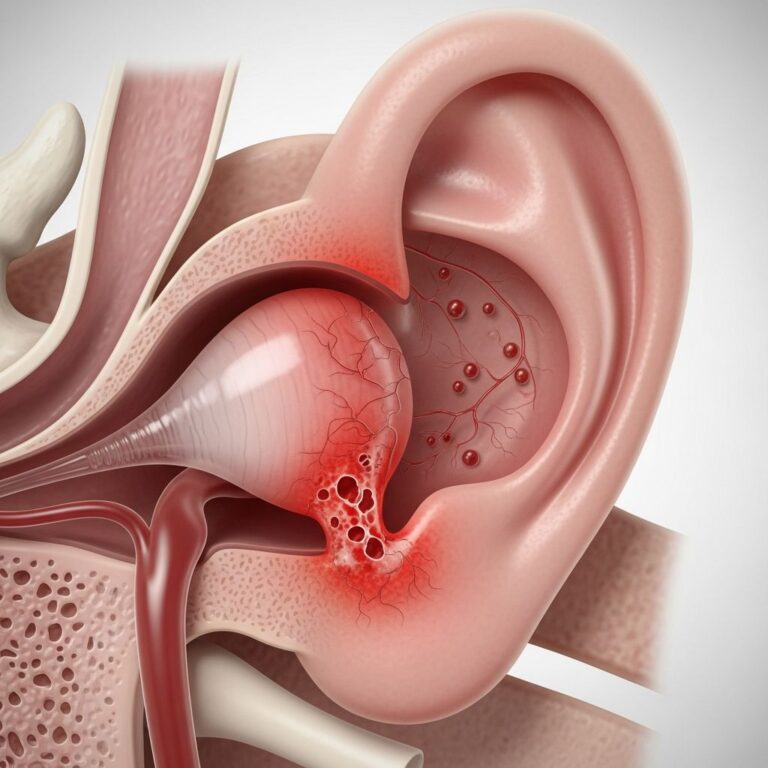
Focal epithelial hyperplasia (FEH), also known as Heck’s disease or multifocal epithelial hyperplasia, is a rare benign condition affecting the oral mucosa. It manifests as multiple small, soft, elevated papules or nodules primarily in the mouth, caused by infection with specific human papillomavirus (HPV) subtypes, most commonly HPV-13 and HPV-32.
This condition is characterized by asymptomatic lesions that may appear whiteish to mucosal-coloured, measuring 0.2–3 cm in diameter. The papules often flatten or disappear when the mucosa is stretched, a key clinical feature. FEH is generally harmless, with no reported progression to oral cancer, though it can persist for weeks to over 30 years if untreated.
Discovered initially in Indigenous populations of North and South America, FEH has a higher prevalence in certain ethnic groups, including Native Americans, Inuit, and South African communities, suggesting genetic or environmental predispositions. It predominantly affects children and young adults, with females more commonly impacted, though cases in immunocompromised adults, such as those with HIV, are documented.
Who gets focal epithelial hyperplasia?
FEH occurs worldwide but shows elevated incidence in specific demographics:
- High-risk populations: Indigenous groups like North American Aboriginals (up to 40% prevalence in some communities), Inuit, and certain South American tribes.
- Age: Primarily children aged 2–14 years, though adult cases, especially in HIV-positive individuals, are reported.
- Gender: Slight female predominance (ratio approximately 2:1).
- Risk factors: Poor oral hygiene, malnutrition, genetic predisposition, immunosuppression (e.g., HIV, lymphopenia, post-transplant), and possibly smoking.
In low-prevalence areas like Europe and Asia, cases are sporadic, often linked to travel or immigration from endemic regions. Immunodeficiency heightens susceptibility, as HPV thrives in suppressed immune environments.
What causes focal epithelial hyperplasia?
FEH results from HPV infection, specifically genotypes 13 and 32, which induce epithelial cell proliferation in the oral mucosa. These low-risk HPV types are detected in the majority of lesions via PCR or in situ hybridization, though not always tested clinically.
Transmission likely occurs through direct oral contact, autoinoculation, or fomites, favoured by close community living and poor hygiene in endemic areas. Contributing factors include:
- Poverty and deficient hygienic lifestyles.
- Genetic/ethnic susceptibility.
- Immunosuppression, e.g., HIV, allowing opportunistic HPV persistence.
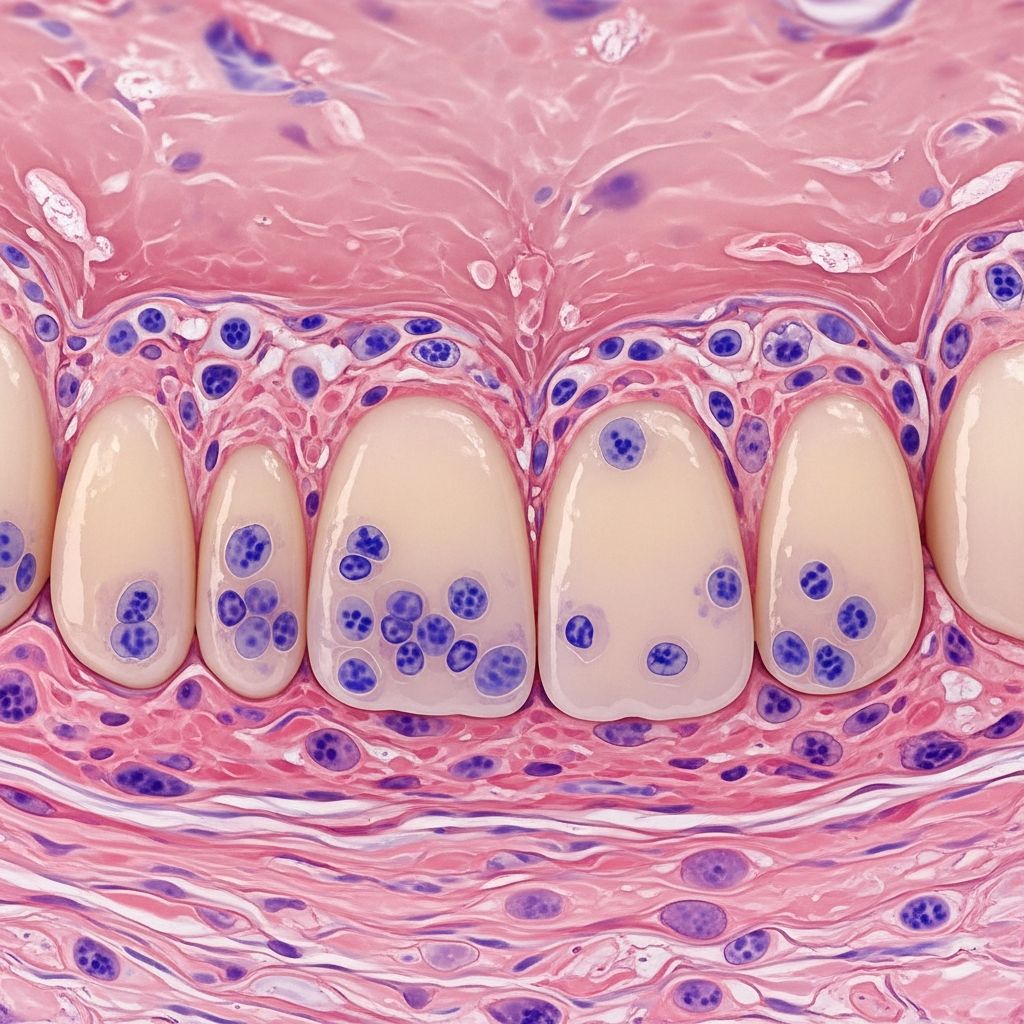
Histologically, viral integration leads to koilocyte formation (cells with perinuclear halos) and mitosoid bodies (mitotic figures resembling astral rays), driving hyperplasia.
What are the clinical features of focal epithelial hyperplasia?
Lesions are typically asymptomatic, discovered incidentally or due to aesthetic concerns or accidental biting. Key features include:
- Appearance: Multiple (10–100+) discrete, soft, sessile papules or nodules (1–10 mm diameter), pale pink, white, or same colour as mucosa; flat-topped, smooth or slightly rough.
- Sites: Buccal mucosa (most common), lower labial mucosa, tongue, gingiva, lips, commissures; rarely palate, floor of mouth, retromolar area.
- Characteristics: Lesions flatten on stretching mucosa; may coalesce into plaques; no pain, bleeding, or ulceration unless traumatized.
- Progression: Slow growth; spontaneous regression possible, especially in children; chronic in adults.
Related Stories



In severe cases, extensive involvement causes a ‘cobblestone’ oral appearance, interfering with speech or mastication.
Diagnosis
Diagnosis is primarily clinical in high-risk groups, supported by histopathology. Differential diagnoses include:
| Condition | Key Distinguishing Features |
|---|---|
| Multiple oral warts | More keratotic, HPV-6/11; less numerous. |
| Condyloma acuminatum | Cauliflower-like, sexually transmitted HPV-6/11. |
| White sponge naevus | Diffuse, familial, spongiotic histology. |
| Discoid lupus erythematosus | Ulcerative, skin involvement. |
| Squamous cell carcinoma | Indurated, dysplastic histology. |
Histopathology: Acanthosis, parakeratosis, elongated anastomosing rete ridges (‘bronze age battle-axe’ pattern), koilocytes, mitosoid bodies, ballooning degeneration; mild chronic inflammation.
HPV typing via PCR confirms etiology but is not routine.
Treatment of focal epithelial hyperplasia
Observation suffices for asymptomatic cases, as spontaneous resolution occurs in many, particularly children. Intervention is for cosmetic issues, trauma, or functional impairment.
Options:
- Topical: Imiquimod 5% cream (immune modulator); applied 3x/week, effective in cases with recurrence.
- Cryotherapy: Liquid nitrogen for small lesions.
- Surgical: Scalpel excision, electrocautery, diathermy.
- Laser: CO2, KTP (532 nm), or diode; precise, haemostatic, excellent healing (e.g., 1.4W KTP excision in HIV case, no recurrence at 1 year).
- Chemical: 80% trichloroacetic acid.
- Other: Interferon beta (topical).
Laser therapy is preferred for multiple lesions due to minimal bleeding, no sutures, and histological sampling. Recurrence is rare post-excision; monitor immunocompromised patients.
Frequently asked questions
What is focal epithelial hyperplasia?
A benign oral HPV infection (types 13/32) causing multiple papules on mucosa.
Is focal epithelial hyperplasia contagious?
Yes, via oral contact; common in close-knit high-risk communities.
Does focal epithelial hyperplasia cause cancer?
No, it is benign with no malignant potential reported.
Can focal epithelial hyperplasia go away on its own?
Yes, especially in children; may regress spontaneously.
How is focal epithelial hyperplasia treated?
Observation or excision/laser for symptomatic cases; imiquimod for topical therapy.
Is focal epithelial hyperplasia linked to HIV?
Associated in immunocompromised; HPV exploits immune suppression.
This comprehensive overview expands on FEH’s epidemiology, drawing from global cases. Early recognition prevents unnecessary biopsies in endemic areas. For persistent lesions, consult oral medicine specialists. Patient education on hygiene reduces transmission.
References
- Focal epithelial hyperplasia in a human immuno-deficiency virus patient treated with a 532 nm potassium titanyl phosphate laser — World Journal of Clinical Cases / PMC. 2014-07-16. https://pmc.ncbi.nlm.nih.gov/articles/PMC4097158/
- Focal Epithelial Hyperplasia — Diagnostics (Basel) / PMC. 2021-08-30. https://pmc.ncbi.nlm.nih.gov/articles/PMC8402694/
- Focal epithelial hyperplasia — DermNet NZ. 2023. https://dermnetnz.org/topics/focal-epithelial-hyperplasia
- Focal Epithelial Hyperplasia — MalaCards. Accessed 2026. https://www.malacards.org/card/focal_epithelial_hyperplasia
- Multifocal epithelial hyperplasia: an understudied infectious disease — Frontiers in Cellular and Infection Microbiology. 2024. https://www.frontiersin.org/journals/cellular-and-infection-microbiology/articles/10.3389/fcimb.2024.1420298/full
Similar Articles








Read full bio of medha deb