Low-FODMAP Diet: 3 Phases To Identify Your Triggers
Complete guide to understanding the low-FODMAP diet for managing IBS and digestive health.
What Is the FODMAP Diet?
The FODMAP diet is an evidence-based eating approach developed by researchers at Monash University in Australia to help manage digestive symptoms, particularly for individuals with irritable bowel syndrome (IBS) and small intestinal bacterial overgrowth (SIBO). FODMAP stands for Fermentable Oligosaccharides, Disaccharides, Monosaccharides, and Polyols—a scientific way of describing certain types of short-chain carbohydrates that are difficult for many people to digest properly.
Unlike many restrictive diets, the low-FODMAP diet is not intended to be a permanent lifestyle change. Instead, it functions as a systematic elimination experiment designed to identify which specific foods trigger your digestive discomfort. The primary goal is to reduce uncomfortable symptoms like bloating, gas, abdominal pain, diarrhea, and constipation, ultimately improving your quality of life and allowing your digestive system to function more comfortably.
Understanding FODMAPs and Your Digestive System
To understand why the low-FODMAP diet works, it’s essential to know how FODMAPs affect your digestive system. FODMAPs are fermentable short-chain carbohydrates that your small intestine cannot easily break down or absorb. When you consume foods high in FODMAPs, these molecules travel intact to your colon, where the bacteria living there begin fermenting them.
During this fermentation process, bacteria produce gas and other byproducts that can cause significant digestive distress. Additionally, FODMAPs draw extra water into your intestines through osmosis, which can lead to changes in bowel movements. For people with sensitive digestive systems—particularly those with IBS—this combination of gas production and increased intestinal fluid can trigger bloating, cramping, abdominal pain, and irregular bowel patterns.
It’s important to understand that FODMAPs themselves are not inherently unhealthy. Many FODMAP-containing foods are nutritious and beneficial for most people. However, for individuals with functional gastrointestinal disorders, these carbohydrates can exacerbate symptoms and significantly impact daily comfort and wellbeing.
Who Should Consider the Low-FODMAP Diet?
The low-FODMAP diet is most commonly prescribed for individuals diagnosed with IBS, a functional gastrointestinal disorder affecting millions worldwide. Clinical research shows that a majority of people living with IBS experience symptom improvement when following this dietary approach. The diet is also beneficial for those with SIBO and can serve as a short-term elimination diet for anyone experiencing unexplained digestive problems.
However, this diet is not appropriate for everyone. If you’re considering adopting a low-FODMAP eating plan, it’s crucial to consult with a healthcare provider or registered dietitian first. These professionals can determine whether the diet is suitable for your specific situation, help you navigate the phases correctly, and ensure you maintain balanced nutrition throughout the process.
The Three Phases of the Low-FODMAP Diet
Phase 1: Elimination (2-6 Weeks)
The elimination phase is the most restrictive part of the low-FODMAP diet and typically lasts between two to six weeks. During this phase, you’ll avoid all high-FODMAP foods and consume only those identified as low in FODMAPs. This complete removal of trigger foods from your diet allows your digestive system to reset and gives symptoms time to improve significantly.
Related Stories



The goal of this phase is straightforward: provide your gut with a break from foods that may be causing distress. Many people report substantial symptom relief within the first few weeks of strict elimination. However, it’s essential to follow the elimination phase as closely as possible for the most accurate results. Even small portions of high-FODMAP foods can trigger symptoms in sensitive individuals, potentially compromising the experiment’s effectiveness.
Phase 2: Reintroduction (6-8 Weeks)
Once your symptoms have improved during the elimination phase, you’ll move into the reintroduction phase, which typically lasts six to eight weeks. During this phase, you’ll systematically reintroduce high-FODMAP foods one at a time, adding back one food or FODMAP group every three days while closely monitoring your body’s response.
This methodical approach is crucial because it allows you to identify which specific FODMAP groups trigger your symptoms. Many people discover that they’re sensitive to only one or two FODMAP categories rather than all of them, meaning their long-term diet can be significantly less restrictive than the elimination phase. Keeping a detailed food and symptom diary during this phase helps you track which foods cause problems and which ones you can tolerate.
Phase 3: Personalization (Ongoing)
The final phase involves creating a personalized, long-term eating plan based on what you’ve learned about your individual trigger foods. This phase is ongoing and represents the true goal of the low-FODMAP diet: maximizing your dietary variety while minimizing problematic foods.
Rather than permanently restricting all FODMAPs, you’ll maintain a diet that includes the FODMAP-containing foods you can tolerate while avoiding those that trigger symptoms. This approach maintains nutritional variety and prevents the diet from becoming unnecessarily restrictive long-term. The personalization phase emphasizes balance, ensuring adequate intake of protein, healthy fats, carbohydrates, fiber, vitamins, and minerals.
High-FODMAP Foods to Avoid During Elimination
During the elimination phase, you’ll need to avoid various foods high in FODMAPs. Understanding which foods fall into this category helps you navigate grocery shopping and meal planning more effectively.
Fruits High in FODMAPs
Certain fruits are particularly high in FODMAPs and should be eliminated during phase one, including apples, pears, peaches, stone fruits, watermelon, and dried fruits like raisins and dates. The high sugar content in these fruits, combined with their fermentable properties, makes them problematic for sensitive digestive systems.
Vegetables High in FODMAPs
Vegetables to avoid include onions, garlic, asparagus, mushrooms, cauliflower, and artichokes. Many of these vegetables contain oligosaccharides, a type of FODMAP that ferments readily in the colon. Garlic and onions are particularly problematic, as they’re commonly used in cooking and appear in many prepared foods.
Dairy Products
Lactose is a disaccharide FODMAP, making high-lactose dairy products like milk, yogurt, and ice cream problematic. However, hard cheeses and lactose-free dairy options are typically low in FODMAPs and can be included in your diet.
Grains and Cereals
Wheat-based products, barley, and rye contain fructans, a type of oligosaccharide FODMAP. This means bread, pasta, cereals, and baked goods made from wheat should be avoided. However, rice, oats (in moderate amounts), and gluten-free alternatives are generally low in FODMAPs.
Legumes and Proteins
Beans and lentils are high in oligosaccharides, making them problematic during elimination. However, eggs, tofu, and most meat and fish are low in FODMAPs and can be consumed freely.
Low-FODMAP Foods to Enjoy
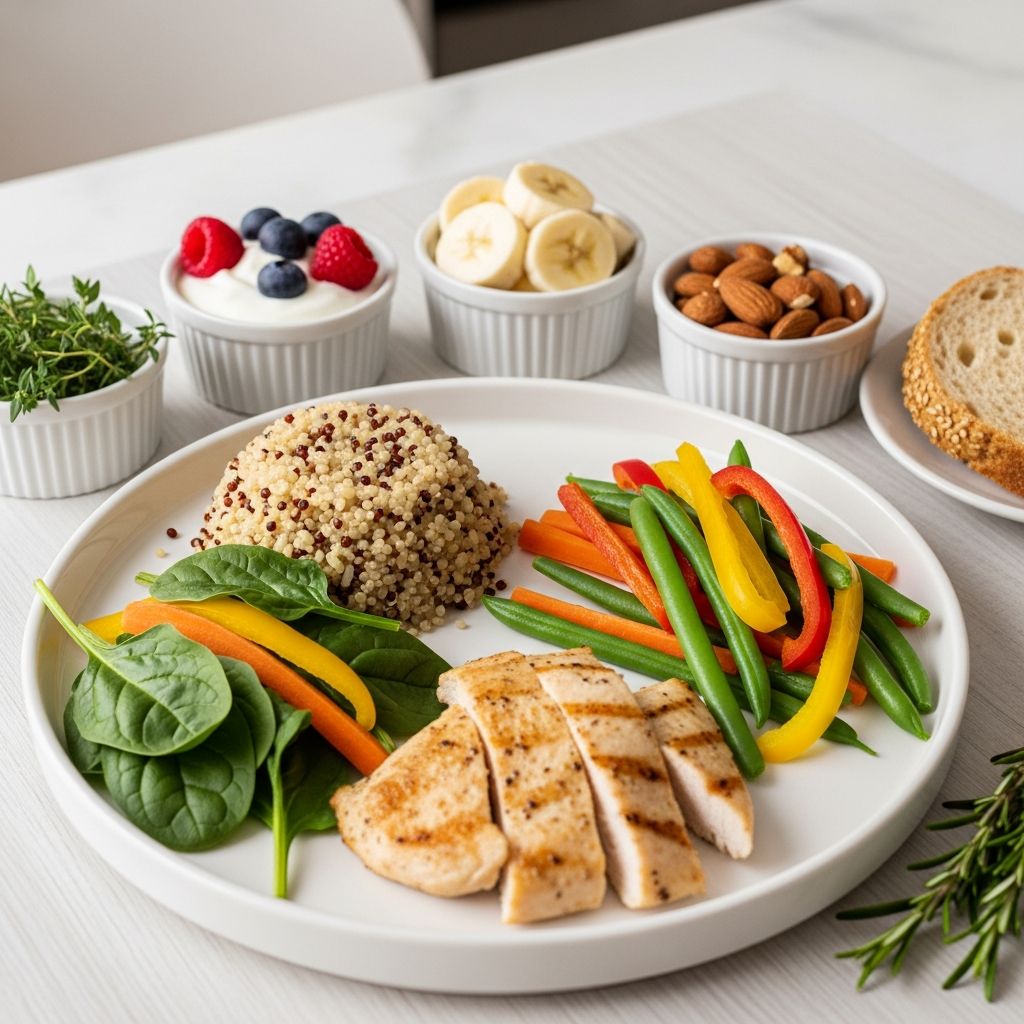
The low-FODMAP diet includes many delicious and nutritious foods that you can enjoy throughout all phases. Understanding which foods are permitted helps ensure you maintain adequate nutrition and don’t feel overly restricted.
Fruits Low in FODMAPs
Low-FODMAP fruits include bananas, blueberries, strawberries, oranges, grapes, and cantaloupe. These fruits provide essential vitamins, minerals, and fiber while keeping FODMAP content minimal. Portion sizes matter for some fruits, so working with a dietitian helps ensure you’re consuming appropriate amounts.
Vegetables Low in FODMAPs
Vegetables you can enjoy include carrots, cucumbers, spinach, lettuce, green beans, bell peppers, and zucchini. These vegetables provide abundant nutrients and fiber while remaining gentle on sensitive digestive systems.
Grains and Starches
Rice, rice bran, oats (limited portions), and gluten-free bread are suitable grain options. Potatoes and sweet potatoes provide additional starch options that are low in FODMAPs.
Proteins and Dairy
All forms of meat, fish, poultry, and eggs are low in FODMAPs. For dairy, include lactose-free milk, hard cheeses, and butter. Plant-based proteins like firm tofu can also be incorporated.
Fats and Oils
All oils, nuts (except pistachios and cashews), and seeds are low in FODMAPs and provide essential healthy fats.
Benefits of Following a Low-FODMAP Diet
Research consistently demonstrates that following a low-FODMAP diet provides substantial benefits for eligible individuals. The most significant advantage is symptom reduction—studies show that this dietary approach reduces abdominal pain, bloating, gas, diarrhea, and constipation in the majority of people with IBS. Beyond physical symptoms, many people report improved quality of life, increased energy, better sleep, and enhanced overall wellbeing.
For individuals with SIBO, the low-FODMAP diet can help reduce abnormally high levels of intestinal bacteria, alleviating the cascade of symptoms this condition causes. Additionally, by identifying specific food triggers through the reintroduction phase, you gain valuable knowledge about your body’s needs, enabling you to make informed dietary choices long-term.
Important Considerations and Potential Challenges
While the low-FODMAP diet can be highly effective, it’s important to recognize potential challenges. The elimination phase is quite restrictive, which can feel overwhelming for some people. Additionally, because the diet limits certain food groups, there’s a risk of nutritional imbalances if not followed under professional guidance.
Some individuals may not experience symptom improvement during the elimination phase, in which case continuing to subsequent phases offers no benefit. About thirty percent of people with IBS don’t respond to the low-FODMAP diet, suggesting alternative approaches might be more suitable for them.
To maximize success and minimize risks, work closely with a healthcare provider or registered dietitian experienced in managing the low-FODMAP diet. These professionals ensure you’re consuming adequate nutrients, properly implementing each phase, and accurately interpreting your body’s responses to reintroduced foods.
Frequently Asked Questions
Q: Is the low-FODMAP diet suitable for children?
A: Yes, children with IBS or SIBO can follow a low-FODMAP diet under professional supervision. However, it’s especially important to work with a pediatric dietitian to ensure children receive adequate nutrition for growth and development.
Q: Can I follow the low-FODMAP diet if I have celiac disease?
A: Yes, the diet can be modified for people with celiac disease by selecting gluten-free, low-FODMAP options like rice, potatoes, and gluten-free breads.
Q: How long does symptom improvement typically take?
A: Many people experience significant symptom improvement within 2-4 weeks of the elimination phase, though some may take up to 6 weeks.
Q: Will I need to follow this diet permanently?
A: No, the goal is to identify trigger foods through reintroduction, then maintain a personalized diet that includes as many foods as possible while avoiding only those that trigger symptoms.
Q: Can the low-FODMAP diet help with conditions other than IBS?
A: While primarily designed for IBS and SIBO, some people with functional dyspepsia, bloating disorders, and other gastrointestinal conditions may benefit. Consult your healthcare provider to determine appropriateness.
Q: What should I do if I don’t see symptom improvement?
A: If you don’t improve after 4-6 weeks of strict elimination, discuss with your doctor whether continuing is beneficial or if alternative approaches might be more suitable.
References
- Low-FODMAP Diet — American College of Gastroenterology. 2024. https://gi.org/topics/low-fodmap-diet/
- Low Fodmap Diet: What it Is, Uses & How to Follow — Cleveland Clinic. 2024. https://my.clevelandclinic.org/health/treatments/22466-low-fodmap-diet
- Low-FODMAP Diet and Instructions 2023 — University of Virginia School of Medicine, Division of Gastroenterology. 2023. https://med.virginia.edu/ginutrition/
- FODMAP Diet: What You Need to Know, Foods to Eat & Avoid — Flavorish. 2024. https://www.flavorish.ai/blog/fodmap-diet-what-you-need-to-know-foods-to-eat-and-avoid
- Low-FODMAP Diet: Meal Plan and Recipes — WebMD. 2024. https://www.webmd.com/ibs/guide/what-is-fodmap
- The Low FODMAP Diet: What is it and how should you use it? — Avance Care. 2024. https://www.avancecare.com/the-low-fodmap-diet-what-is-it-and-how-should-you-use-it/
Similar Articles








Read full bio of Sneha Tete