Fogo Selvagem: Causes, Symptoms, And Treatment
Endemic pemphigus foliaceus in Brazil: clinical features, causes, diagnosis, and management of this autoimmune blistering disease.
Fogo selvagem, also known as endemic pemphigus foliaceus (PF), is a rare autoimmune blistering disease predominantly affecting rural populations in certain regions of Brazil. The name ‘fogo selvagem,’ Portuguese for ‘wild fire,’ reflects the burning sensation of the skin lesions and their resemblance to burn injuries, with crusted, erythematous erosions spreading rapidly. Unlike sporadic PF, fogo selvagem is endemic, linked to environmental triggers along inland riverbeds in states like São Paulo, Minas Gerais, and Goiás.
What is fogo selvagem?
Fogo selvagem represents the endemic form of pemphigus foliaceus, an autoimmune disorder where the immune system produces IgG autoantibodies targeting desmoglein 1 (Dsg1), a desmosomal protein in the superficial epidermis. This leads to acantholysis—loss of keratinocyte adhesion—in the subcorneal layer, resulting in fragile blisters that rupture easily to form erosions and crusts. The disease is characterized by superficial cutaneous involvement without mucosal lesions, distinguishing it from pemphigus vulgaris.
Patients are typically otherwise healthy, often young individuals from rural areas exposed to blackfly bites (Simulium nigrimanum) near rivers, suggesting an environmental trigger initiating autoimmunity. Incidence peaks in children and young adults, with familial clustering indicating genetic predisposition, such as HLA-DRB1 alleles.
Who gets fogo selvagem?
Fogo selvagem primarily affects rural Brazilians in endemic zones, with higher prevalence among those living near rivers infested with Simulium blackflies. Children as young as 3–10 years and young adults (20–40 years) are most commonly affected, unlike sporadic PF which occurs in older adults. Women are slightly more impacted, and cases cluster in families, supporting genetic factors like specific HLA class II associations.
Endemic areas include inland river valleys in southern and southeastern Brazil. Exposure to environmental antigens, possibly from insect saliva or plant ectoenzymes, is hypothesized to break immune tolerance.
What causes fogo selvagem?
The pathogenesis involves autoantibodies against Dsg1, predominantly in the superficial epidermis, causing subcorneal acantholysis. Circulating IgG4 and IgG1 anti-Dsg1 antibodies are pathogenic, demonstrated by direct immunofluorescence showing intercellular epidermal deposition. Unlike pemphigus vulgaris targeting Dsg3, fogo selvagem spares deeper layers and mucosa.
Environmental triggers in endemic areas likely initiate the autoimmune response. Simulium blackfly bites correlate strongly with disease onset, as saliva contains enzymes mimicking Dsg1 epitopes. Genetic susceptibility, including HLA-DRB1*0404 and *1402, facilitates this molecular mimicry. UV radiation exacerbates lesions, contributing to the ‘wild fire’ spread.
What are the clinical features of fogo selvagem?
Primary lesions are small, flaccid vesicles or blisters in seborrheic areas (scalp, face, upper trunk), filled with clear or yellowish fluid, rupturing to form erythematous erosions with thick crusts resembling impetigo. The positive Nikolsky sign—epidermal detachment upon rubbing—is hallmark, with direct (type I) on perilesional skin and indirect (Asboe-Hansen) expanding blisters.
Lesions spread centrifugally to extremities, causing pruritus, burning, and pain. No mucosal involvement occurs, even in disseminated cases.
Localized fogo selvagem
Initial presentation features small vesicles bursting into crusty erosions on face (butterfly-wing pattern), scalp, or upper trunk. Plaques may appear keratotic or brownish.
Related Stories



Disseminated fogo selvagem
- Vesiculobullous/exfoliative: Rapid flaccid blisters, erosions, sometimes pustular or annular like tinea imbricata.
- Erythrodermic: Generalized erythema, desquamation, and exudative crusts covering the body.
Neonatal fogo selvagem
Rare transient form in neonates of affected mothers, with erythematous erosive lesions from transplacental anti-Dsg1 antibodies resolving postnatally.
Diagnosis of fogo selvagem
Diagnosis combines clinical features, histopathology, and immunofluorescence.
Histopathology
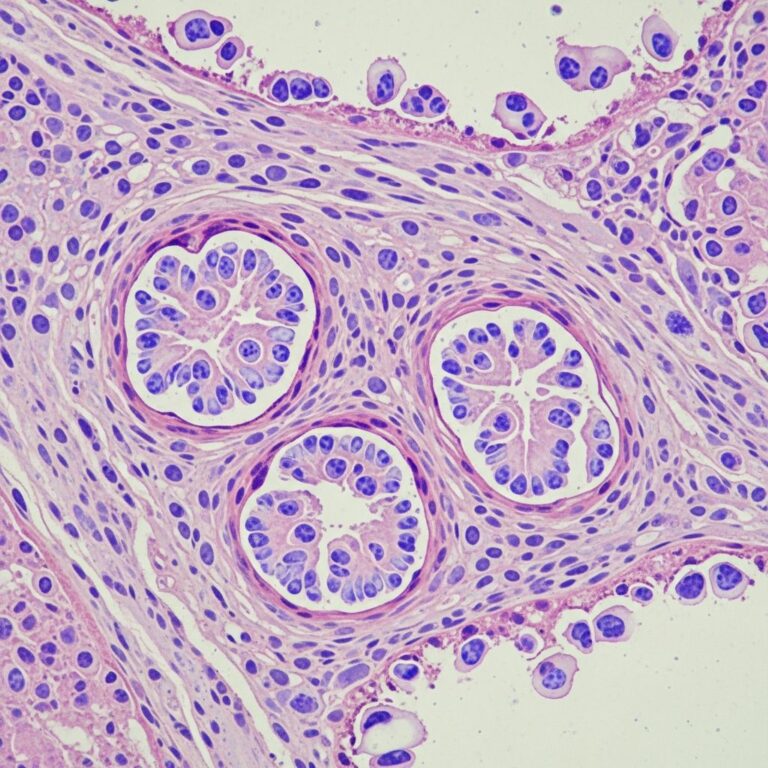
Biopsy shows subcorneal acantholysis, sparse inflammatory infiltrate, and occasional eosinophils. No full-thickness acantholysis as in pemphigus vulgaris.
Immunofluorescence
Direct immunofluorescence (DIF): Intercellular IgG and C3 in epidermis. Indirect (IIF): Circulating anti-Dsg1 antibodies (ELISA confirms).
Other investigations
Serum anti-Dsg1 ELISA titers correlate with disease activity. Rule out infections or malignancies.
Differential diagnosis
| Condition | Key Distinguishing Features |
|---|---|
| Seborrhoeic dermatitis | Greasy scales without blisters or Nikolsky sign. |
| Impetigo | Bacterial culture positive; responds to antibiotics. |
| Subcorneal pustular dermatosis | Pustules, IgA on DIF. |
| Lupus erythematosus | Interface dermatitis, ANA positive. |
| IgA pemphigus | Intraepidermal neutrophils, IgA on DIF. |
What is the treatment of fogo selvagem?
Treatment aims to suppress autoantibody production and inflammation. Corticosteroids are first-line, with immunosuppressants for maintenance.
Localized disease
Topical superpotent corticosteroids (e.g., clobetasol) or intralesional steroids suffice.
Moderate to severe disease
- Prednisone: 0.5–1 mg/kg/day, tapered slowly.
- Adjuncts: Azathioprine (2–3 mg/kg/day), mycophenolate mofetil, or methotrexate for steroid-sparing.
Refractory disease
Rituximab (anti-CD20 monoclonal antibody) induces long-term remission by depleting B cells. IVIG or plasmapheresis for fulminant cases.
Monitoring includes anti-Dsg1 titers and clinical scores. Remission is achievable, but relapses occur.
Complications
Secondary bacterial infections from erosions, electrolyte imbalance in erythroderma, steroid side effects (osteoporosis, diabetes). Rare fetal risks in disseminated maternal disease.
Prevention
Avoid blackfly exposure in endemic areas via repellents and protective clothing. No vaccine yet, but genetic screening research ongoing.
Timeline and prognosis
Disease progresses over weeks to months; early treatment prevents dissemination. Spontaneous remission rare; most require lifelong management, but rituximab improves outcomes.
Frequently Asked Questions
What is fogo selvagem?
A rare endemic autoimmune blistering skin disease in Brazil caused by anti-Dsg1 antibodies, leading to superficial erosions without mucosal involvement.
Is fogo selvagem contagious?
No, it is autoimmune, not infectious.
Can fogo selvagem be cured?
Not curative, but controllable with immunosuppressants; rituximab offers prolonged remission.
Does fogo selvagem affect children?
Yes, often starts in childhood in endemic areas.
What does fogo selvagem look like?
Crusty, scaly erosions on face, scalp, trunk; positive Nikolsky sign.
References
- Fogo selvagem: endemic pemphigus foliaceus — PMC / NCBI. 2018-08-22. https://pmc.ncbi.nlm.nih.gov/articles/PMC6106655/
- Pemphigus foliaceus: Symptoms, diagnosis, and treatment — Medical News Today. 2023-10-10. https://www.medicalnewstoday.com/articles/319195
- Pemphigus foliaceus — Wikipedia (informed by primary sources). 2024-01-15. https://en.wikipedia.org/wiki/Pemphigus_foliaceus
- Pemphigus Foliaceus: Symptoms, Causes & Treatment — Cleveland Clinic. 2023-05-18. https://my.clevelandclinic.org/health/diseases/23029-pemphigus-foliaceus
- Pemphigus Foliaceus: Causes, Symptoms and Images — DermNet NZ. 2024-02-01. https://dermnetnz.org/topics/pemphigus-foliaceus
Similar Articles








Read full bio of medha deb