Folate-Deficiency Anemia: Causes, Symptoms & Treatment
Understanding folate-deficiency anemia: comprehensive guide to causes, symptoms, diagnosis, and effective treatment options.
Understanding Folate-Deficiency Anemia
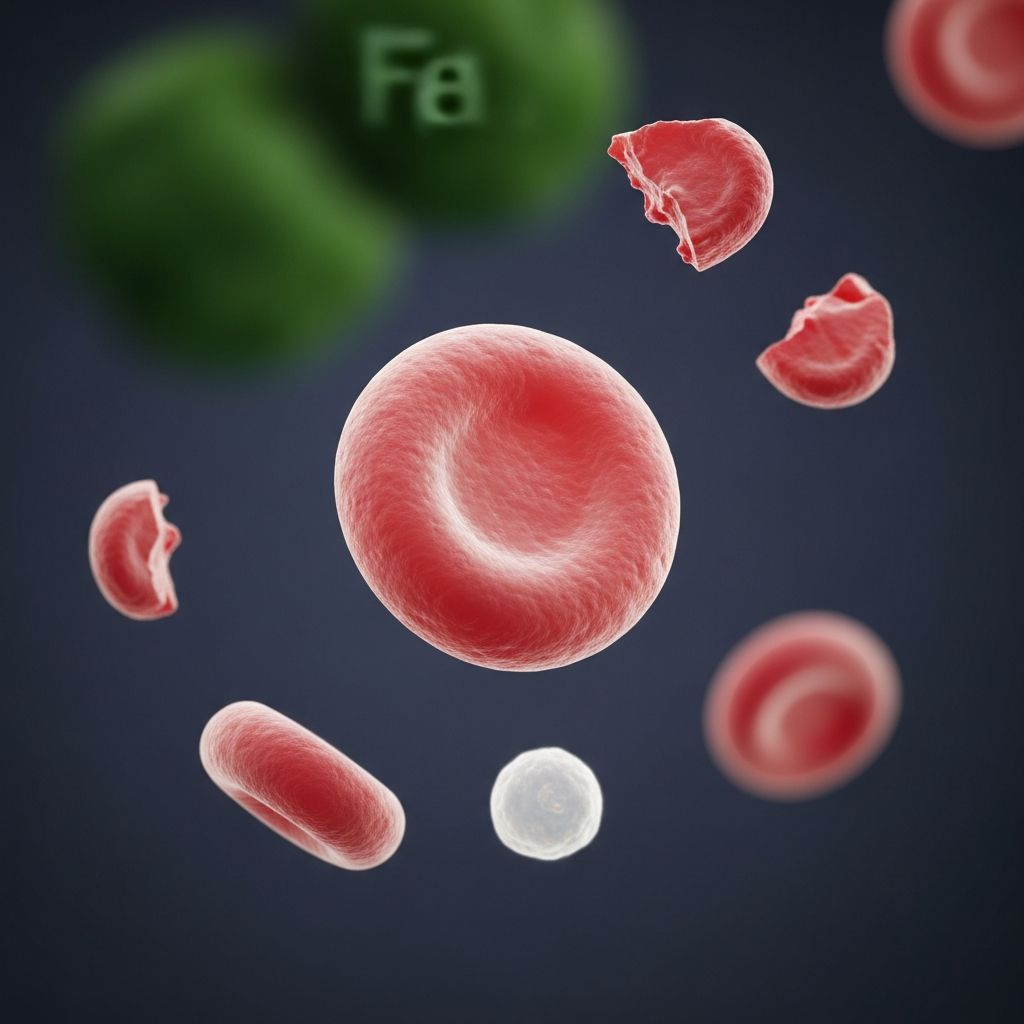
Folate-deficiency anemia is a condition characterized by an inadequate level of folic acid (vitamin B9) in the blood, resulting in the body’s inability to produce a sufficient number of healthy red blood cells. This medical condition develops when the body lacks enough folic acid to function properly, leading to the production of fewer and larger red blood cells than normal. These abnormal red blood cells, known as megaloblasts, are unable to carry oxygen effectively throughout the body, causing various symptoms and complications if left untreated.
Folic acid, also known as vitamin B9, is an essential B vitamin that plays a crucial role in cell division and DNA synthesis. Without adequate folic acid, the body cannot produce the necessary number of healthy red blood cells to maintain proper oxygen transport throughout the body. Understanding this condition is vital for recognizing symptoms early and seeking appropriate medical intervention to prevent serious complications.
What Causes Folate-Deficiency Anemia?
Dietary Insufficiency
The most common cause of folate-deficiency anemia is insufficient dietary intake of folic acid. Many individuals fail to consume adequate amounts of foods rich in folate, leading to gradual depletion of the body’s folic acid stores. People who follow restrictive diets, whether for weight loss or medical reasons, are at particular risk for developing this deficiency.
Malabsorption Issues
Certain gastrointestinal conditions can significantly impair the body’s ability to absorb folate from food sources. Conditions such as celiac disease, tropical sprue, and inflammatory bowel diseases can damage the intestinal lining, preventing proper nutrient absorption. Additionally, surgical removal or bypass of a large portion of the intestines reduces the body’s capacity to absorb folic acid effectively.
Increased Folate Demands
Certain life stages and medical conditions increase the body’s folate requirements substantially. Pregnancy and lactation significantly elevate folate needs, and inadequate supplementation during these periods can lead to deficiency. Conditions such as hemolytic anemia and exfoliative skin disorders also increase folate demand, making individuals with these conditions more susceptible to developing folate deficiency.
Alcohol Consumption
Excessive alcohol consumption is a significant risk factor for folate-deficiency anemia. Alcohol impairs folate absorption in the intestines and reduces the liver’s ability to store folic acid, making heavy drinkers particularly vulnerable to developing this condition.
Medications
Certain prescription medications, particularly antiseizure drugs, can interfere with folate absorption and metabolism. Individuals taking these medications should discuss folate supplementation with their healthcare provider to prevent deficiency.
Recognizing the Symptoms
Folate-deficiency anemia can develop relatively quickly, with symptoms potentially appearing within weeks of the onset of deficiency. Recognizing these symptoms early is crucial for prompt diagnosis and treatment.
General Anemia Symptoms
The most common symptoms associated with folate-deficiency anemia include:
– Extreme tiredness and persistent fatigue- Shortness of breath, even with minimal exertion- Dizziness or lightheadedness- Pale or yellowish skin tone- Irregular or rapid heartbeat- Unexplained weight loss- Muscle weakness and decreased strength
Oral and Gastrointestinal Manifestations
Folate deficiency often presents with distinctive oral symptoms. Glossitis, characterized by a smooth, red, and painful tongue (sometimes described as “beefy” in appearance), frequently accompanies this condition. Patients may also experience mouth ulcers and angular stomatitis. Gastrointestinal symptoms can include nausea, vomiting, abdominal pain, and diarrhea.
Related Stories



Neuropsychiatric Symptoms
While overt neurological deficits are uncommon in isolated folate deficiency, some individuals may experience neuropsychiatric symptoms including irritability, forgetfulness, mood changes, depression, insomnia, and difficulty concentrating. These symptoms are typically more pronounced in older adults.
Diagnosis and Testing
Accurate diagnosis of folate-deficiency anemia requires blood tests and clinical evaluation. Healthcare providers use specific laboratory findings to confirm the diagnosis and rule out other potential causes of anemia.
Laboratory Findings
Key diagnostic markers for folate-deficiency anemia include:
– Macrocytic anemia with mean corpuscular volume (MCV) greater than 100 fL- Hypersegmented neutrophils visible on blood smear- Low serum folate levels below 2 ng/mL (borderline levels range from 2 to 4 ng/mL)- Elevated homocysteine with normal methylmalonic acid (MMA)- Red cell folate levels reflecting long-term folate status
Distinguishing from Vitamin B12 Deficiency
Because both folate deficiency and vitamin B12 deficiency present with megaloblastic anemia, healthcare providers must carefully distinguish between them. A key difference is that vitamin B12 deficiency typically causes neurological symptoms such as paresthesias, ataxia, and loss of proprioception, which are generally absent in isolated folate deficiency. Additionally, B12 deficiency produces elevated methylmalonic acid levels, while folate deficiency does not.
Risk Factors and Vulnerable Populations
Certain groups face higher risks of developing folate-deficiency anemia and warrant special attention:
– Pregnant and lactating women require significantly increased folate intake to support fetal development and milk production- Individuals with chronic gastrointestinal conditions affecting nutrient absorption- People following restrictive diets due to weight loss or medical conditions- Individuals with alcohol dependence disorder- Adults over 65 years of age- People taking medications that interfere with folate metabolism- Those with hemolytic anemia or other conditions increasing folate demand
Treatment Options
Folic Acid Supplementation
The primary treatment for folate-deficiency anemia involves folic acid supplementation. Healthcare providers may prescribe folic acid in various forms, including oral tablets or injections (intramuscular or intravenous in rare cases). Oral supplementation is the most common approach, though injectable forms may be necessary for patients with severe malabsorption or those unable to take oral medications.
Dietary Modifications
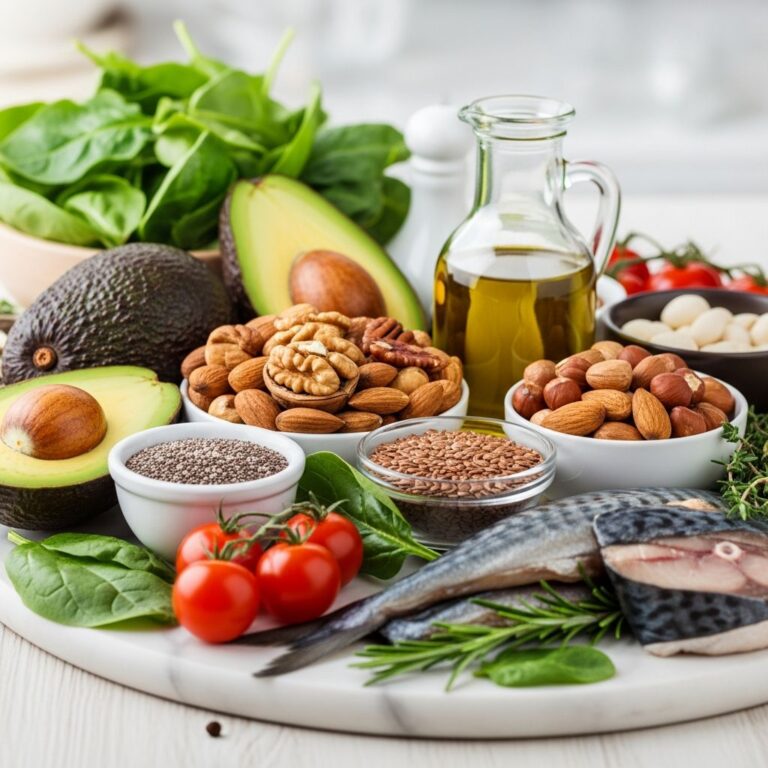
Dietary changes play an essential role in treating and preventing folate-deficiency anemia. Natural sources of folic acid include leafy green vegetables (spinach, kale, collard greens), citrus fruits (oranges, lemons, grapefruits), legumes (beans, lentils), and whole grains. Incorporating these foods into the daily diet helps maintain adequate folate levels and supports the effects of supplementation.
Limiting Alcohol Consumption
Individuals diagnosed with folate-deficiency anemia should significantly reduce or eliminate alcohol consumption, as alcohol impairs folate absorption and utilization in the body.
Treating Underlying Conditions
If folate-deficiency anemia results from an underlying digestive tract problem or other medical condition, healthcare providers must address the root cause. For example, patients with celiac disease may require a gluten-free diet, while those with bowel surgery may need lifelong supplementation to compensate for reduced absorption capacity.
Expected Outcomes and Timeline
The prognosis for folate-deficiency anemia is generally favorable with appropriate treatment. Most clinical and biochemical abnormalities are reversible when properly managed. The timeline for improvement typically follows this pattern:
– Reticulocytosis (increase in young red blood cells) typically occurs within 3 to 4 days of starting treatment- Serum folate levels increase within approximately 17 days- Hypersegmented neutrophils usually disappear by days 10 to 14- Anemia begins to improve within 1 to 2 weeks- Complete resolution usually occurs within 4 to 8 weeks- Leukopenia and thrombocytopenia resolve within 2 to 4 weeks- Elevated homocysteine levels normalize with treatment
Overall, folate-deficiency anemia most often responds well to treatment within 3 to 6 months, with improvement occurring as the underlying cause is addressed.
Potential Complications if Left Untreated
Untreated folate-deficiency anemia can lead to serious complications affecting multiple body systems:
– Megaloblastic anemia with associated pancytopenia- Leukopenia and thrombocytopenia- Persistent glossitis and oral ulcers- Neuropsychiatric complications including depression, cognitive decline, and in severe cases, psychosis- Folate-responsive neuropathy that may improve with high-dose folate therapy- In pregnant women, neural tube defects or spinal cord abnormalities (such as spina bifida) in the developing fetus- Increased vascular risk from elevated homocysteine levels- Worsening of existing heart conditions or heart failure- Infertility issues- Abnormal skin pigmentation and curly graying hair
Special Considerations in Pregnancy
Folate deficiency during pregnancy poses particularly serious risks for fetal development. Inadequate folic acid intake during pregnancy may cause neural tube defects, where the brain, skull, or spinal cord doesn’t develop normally. These defects can result in conditions such as spina bifida or anencephaly, emphasizing the critical importance of adequate folate supplementation throughout pregnancy and the periconception period. Many healthcare providers recommend folic acid supplementation beginning at least one month before conception and continuing throughout pregnancy.
Prevention Strategies
Preventing folate-deficiency anemia requires maintaining adequate folate intake through diet and, when appropriate, supplementation. Individuals should consume foods rich in folate regularly, including dark leafy greens, legumes, and whole grains. Those at higher risk due to medical conditions, pregnancy, or medications should discuss preventive supplementation with their healthcare provider. Limiting alcohol consumption and maintaining digestive health also contribute to preventing folate deficiency.
Frequently Asked Questions
What is the difference between folate deficiency and B12 deficiency anemia?
Both conditions cause megaloblastic anemia, but they differ in their neurological manifestations. B12 deficiency typically causes neurological symptoms such as numbness, tingling, and loss of coordination, which are generally absent in isolated folate deficiency. Additionally, B12 deficiency produces elevated methylmalonic acid levels, while folate deficiency does not. A healthcare provider can perform specific blood tests to distinguish between these two conditions.
How long does it take to recover from folate-deficiency anemia?
Most patients show improvement within 1 to 2 weeks of starting treatment, with complete resolution typically occurring within 4 to 8 weeks. However, overall recovery may take 3 to 6 months depending on the severity of the deficiency and the underlying cause. Individual timelines vary based on the patient’s specific circumstances and adherence to treatment.
Can folate deficiency be prevented through diet alone?
For most people, a well-balanced diet containing adequate folate-rich foods can prevent deficiency. However, individuals with malabsorption disorders, those taking certain medications, pregnant women, and those with increased folate demands may require supplementation in addition to dietary sources to prevent deficiency.
Is folate-deficiency anemia life-threatening?
While folate-deficiency anemia itself is generally not immediately life-threatening, untreated severe deficiency can lead to serious complications, including severe anemia, neuropsychiatric problems, and in pregnant women, fetal neural tube defects. Prompt diagnosis and treatment are essential to prevent these complications.
What foods should I eat to increase my folate intake?
Excellent sources of folate include spinach, kale, collard greens, asparagus, broccoli, oranges, lemons, black-eyed peas, lentils, chickpeas, and whole grain breads and cereals. Including these foods regularly in your diet helps maintain adequate folate levels.
References
- Folate-Deficiency Anemia — University of Rochester Medical Center. Accessed December 2024. https://www.urmc.rochester.edu/encyclopedia/content?ContentTypeID=85&ContentID=P00089
- Folic Acid Deficiency — StatPearls, National Center for Biotechnology Information (NCBI), National Library of Medicine. 2024. https://www.ncbi.nlm.nih.gov/books/NBK535377/
- Folate-deficiency anemia — MedlinePlus Medical Encyclopedia, National Library of Medicine. Accessed December 2024. https://medlineplus.gov/ency/article/000551.htm
- Vitamin deficiency anemia — Symptoms & causes — Mayo Clinic. Accessed December 2024. https://www.mayoclinic.org/diseases-conditions/vitamin-deficiency-anemia/symptoms-causes/syc-20355025
- Vitamin B12 or folate deficiency anaemia — National Health Service (NHS). Accessed December 2024. https://www.nhs.uk/conditions/vitamin-b12-or-folate-deficiency-anaemia/
Similar Articles








Read full bio of Sneha Tete