Folate Deficiency: Symptoms, Causes & Prevention
Understanding folate deficiency: causes, symptoms, diagnosis, and effective treatment strategies.
Understanding Folate Deficiency
Folate deficiency occurs when your body doesn’t get enough folate, a vital B vitamin essential for numerous bodily functions. Folate, also known as vitamin B9, plays a crucial role in cell division, DNA synthesis, and the production of red blood cells. When folate levels drop below normal ranges, your body struggles to maintain these critical functions, leading to a range of health complications. This condition is particularly important to address early, as prolonged deficiency can result in serious health issues affecting your energy levels, cognitive function, and overall well-being.
What Is Folate and Why Does Your Body Need It?
Folate is a naturally occurring form of vitamin B9 found in various foods, while folic acid is the synthetic form typically used in supplements and fortified foods. Both forms serve the same essential functions in your body. Folate is necessary for producing red blood cells, which carry oxygen throughout your body. It also supports DNA synthesis and cell division, making it especially important during periods of rapid growth such as pregnancy, childhood, and adolescence. Additionally, folate helps regulate homocysteine levels, an amino acid that, when elevated, increases the risk of cardiovascular disease.
Causes of Folate Deficiency
Folate deficiency develops through several distinct pathways. Understanding these causes helps healthcare providers identify the root problem and recommend appropriate treatment strategies.
Reduced Dietary Intake
The most common cause of folate deficiency is simply not consuming enough foods rich in this vitamin. This is rare in countries with vitamin fortification programs but remains a concern in populations with limited access to diverse foods or those following restrictive diets. Alcoholism represents a significant risk factor, as alcohol interferes with folate absorption and metabolism. Individuals with diets heavily reliant on processed foods often lack sufficient folate, as this vitamin is most abundant in fresh vegetables, legumes, and whole grains.
Decreased Absorption
Even with adequate dietary intake, certain medical conditions can prevent your body from properly absorbing folate. Digestive disorders such as celiac disease, inflammatory bowel disease (Crohn’s disease and ulcerative colitis), and tropical sprue damage the intestinal lining where folate absorption occurs. Gluten intolerance and other malabsorption syndromes can similarly interfere with nutrient uptake. Liver disease also impairs folate metabolism, while certain medications used to treat seizures can reduce folate absorption and increase its excretion.
Increased Demand
During certain life stages and health conditions, your body requires more folate than usual. Pregnancy dramatically increases folate demand to support fetal development and placental function. Hemolytic anemia, where red blood cells are destroyed faster than normal, increases the body’s need for folate to replace lost cells. Puberty, eczematous conditions, and chronic hemolytic disorders all place additional demands on folate stores. Cancer treatment, particularly chemotherapy, can increase folate requirements as cells rapidly divide and die.
Other Contributing Factors
Hyperthyroidism, or an overactive thyroid, increases metabolic demand for folate. Certain genetic diseases that affect folate metabolism can predispose individuals to deficiency. Additionally, some medications beyond anticonvulsants—including certain antibiotics and methotrexate—interfere with folate absorption or function.
Symptoms of Folate Deficiency
Folate deficiency can cause a variety of symptoms that develop gradually as the deficiency worsens. Early recognition of these signs enables prompt intervention and prevents complications.
Common symptoms include fatigue and weakness, which result from inadequate red blood cell production and reduced oxygen delivery to tissues. Many individuals experience difficulty concentrating, memory problems, and neurological issues as the brain’s function is compromised. Mouth sores and a sore or swollen tongue are characteristic oral manifestations. Digestive symptoms such as diarrhea and loss of appetite frequently occur. Some patients report headaches, shortness of breath, and rapid or irregular heartbeat, particularly as the deficiency affects oxygen transport. In severe cases, folate deficiency can lead to megaloblastic anemia, causing macrocytic anemia with abnormally large red blood cells that function less effectively.
Related Stories



Diagnosis of Folate Deficiency
Healthcare providers diagnose folate deficiency through a combination of clinical assessment and laboratory testing. Your provider will begin by taking a detailed medical history, asking about your symptoms, dietary habits, alcohol consumption, and any underlying medical conditions. They will inquire about medications you take and any family history of blood disorders.
Blood Tests
The definitive diagnostic tool is a blood test measuring serum folate levels. This test quantifies the amount of folate circulating in your blood. A low folate level indicates deficiency, though the exact threshold may vary slightly between laboratories. Healthcare providers typically also order a vitamin B12 blood test, since B12 and folate deficiencies often occur together and require different treatment approaches. The relationship between these vitamins is complex—B12 deficiency can actually trap folate in a specific form, leading to falsely elevated serum folate levels despite functional deficiency.
Red Blood Cell Analysis
In cases of folate deficiency anemia, additional tests may include a complete blood count (CBC) to evaluate red blood cell characteristics. The CBC reveals whether red blood cells are larger than normal (macrocytic), indicating megaloblastic anemia. A reticulocyte count measures young red blood cells, helping assess bone marrow’s response to treatment.
Risk Groups for Folate Deficiency
Certain populations face higher risk for developing folate deficiency. Pregnant women require significantly more folate to support fetal development and are at particular risk if dietary intake is inadequate. Elderly individuals often have reduced folate intake and may experience impaired absorption due to digestive changes or medications. People with chronic alcoholism have dramatically increased risk due to both reduced intake and impaired metabolism. Those with digestive disorders like celiac disease or inflammatory bowel disease struggle to absorb dietary folate. Cancer patients undergoing chemotherapy face increased demand and sometimes reduced intake during treatment. Individuals taking certain medications, particularly anticonvulsants and methotrexate, have accelerated folate depletion.
Treatment Options
Treatment for folate deficiency primarily involves vitamin B9 supplementation. Most adults need 400 micrograms of folic acid daily to meet their recommended dietary allowance. However, treatment dosages are typically higher to ensure adequate repletion even in cases of malabsorption.
Oral Supplementation
Oral folic acid supplementation represents the standard treatment approach. Typical treatment doses range from 1 to 5 milligrams daily, significantly exceeding the recommended dietary allowance. This higher dosage ensures adequate absorption even when malabsorption issues are present. Oral supplements are effective for most people because folate deficiency usually results from dietary insufficiency rather than severe malabsorption problems. Treatment continues for at least several months or until hematologic recovery is complete.
Injectable and Intravenous Options
For patients unable to swallow pills or those with severe malabsorption, vitamin B9 is available through intramuscular injections or intravenous administration. These routes bypass the digestive system entirely, ensuring adequate folate delivery. Injectable forms prove particularly valuable for patients with Crohn’s disease, celiac disease, or those who have undergone gastrointestinal surgery.
Forms of Supplementation
Folate supplements are available in two forms: folic acid (the synthetic form, also called pteroylglutamic acid) and folinic acid (the naturally occurring form). Most commonly, healthcare providers prescribe folic acid due to its availability and lower cost. In patients with certain conditions affecting folate metabolism, folinic acid may be preferable as it requires less metabolic conversion.
Duration of Treatment
For patients whose deficiency results from dietary causes or malabsorption that can be corrected, treatment continues until the underlying cause is addressed and blood counts normalize. In patients with ongoing malabsorption issues, supplementation typically continues indefinitely to prevent recurrence.
Prevention Strategies
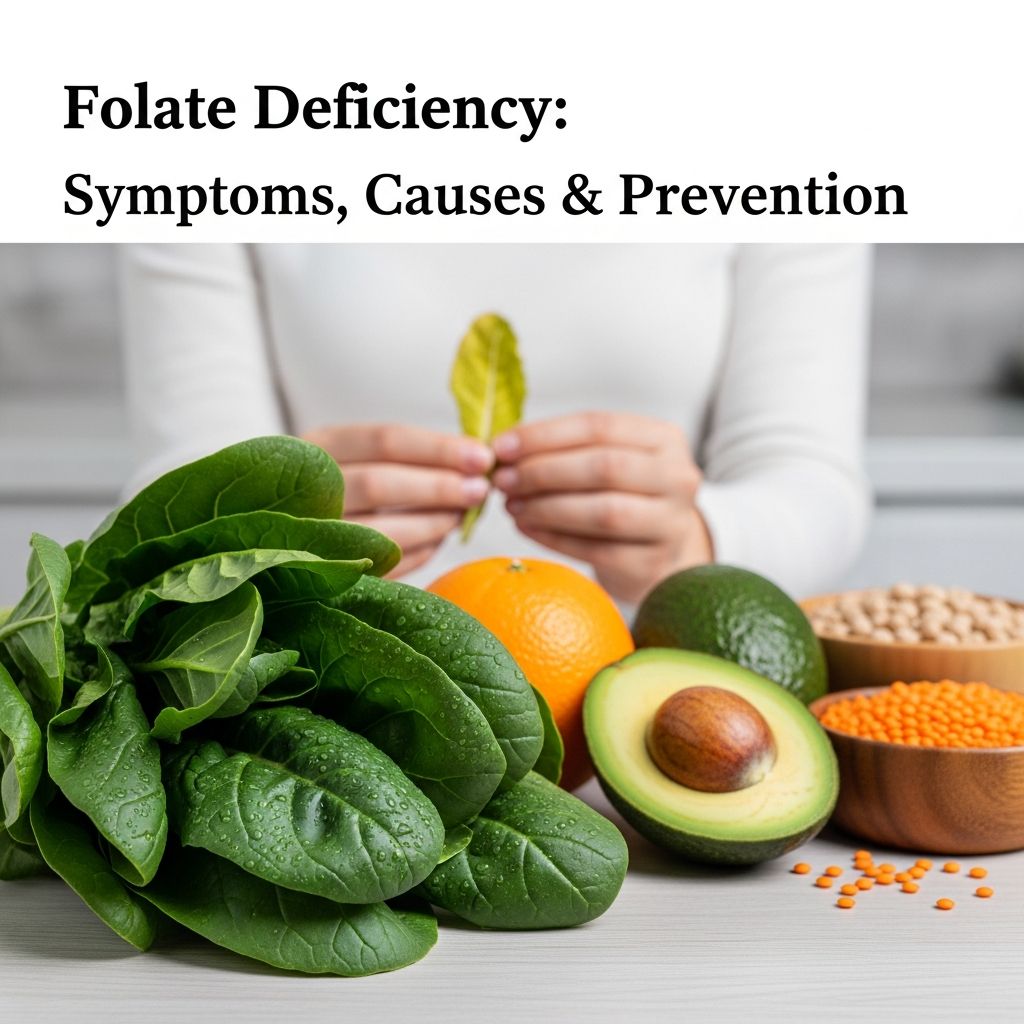
Preventing folate deficiency is far easier than treating it. Consuming a diet rich in folate-containing foods provides natural protection against deficiency. Leafy green vegetables including spinach, kale, and romaine lettuce are excellent folate sources. Legumes such as lentils, chickpeas, and black beans offer substantial amounts. Asparagus, broccoli, Brussels sprouts, and other cruciferous vegetables provide significant folate. Fruits including oranges and strawberries contribute to daily intake. Whole grains and fortified cereals also provide substantial folate in modern diets.
Limiting alcohol consumption prevents the malabsorption and metabolic interference associated with excessive drinking. Managing underlying digestive conditions through appropriate medical care helps ensure proper nutrient absorption. Women planning pregnancy should ensure adequate folate intake or take prenatal vitamins containing folic acid to prevent neural tube defects in developing fetuses. Taking medications as prescribed and discussing potential nutrient interactions with healthcare providers helps minimize medication-related folate depletion.
When to See a Healthcare Provider
Contact your healthcare provider if you experience persistent fatigue, weakness, difficulty concentrating, or mouth sores, particularly if these symptoms develop gradually over weeks or months. If you have a diagnosed digestive condition or take medications known to affect folate metabolism, discuss appropriate screening and supplementation with your provider. Pregnant women or those planning pregnancy should consult their healthcare provider about optimal folate intake. Anyone with symptoms of anemia or unexplained neurological changes warrants medical evaluation.
Long-Term Outlook
With appropriate treatment and regular follow-up care, the symptoms of folate deficiency typically resolve. Most people recover well once supplementation begins and underlying causes are addressed. Blood counts normalize within weeks to months of starting treatment. Energy levels improve, cognitive function returns, and oral symptoms resolve as folate levels normalize. The key to successful management involves early recognition, accurate diagnosis, and consistent treatment adherence. By addressing folate deficiency promptly and implementing preventive strategies, you can maintain optimal health and avoid the serious complications associated with prolonged deficiency.
Frequently Asked Questions
Q: What is the difference between folate and folic acid?
A: Folate is the naturally occurring form of vitamin B9 found in foods, while folic acid is the synthetic form used in supplements and food fortification. Both forms serve the same functions in your body, though some individuals metabolize one form more efficiently than the other.
Q: How long does it take to recover from folate deficiency?
A: Recovery timelines vary depending on deficiency severity and underlying causes. Most people begin feeling better within weeks of starting supplementation, with blood counts normalizing within weeks to months. Complete recovery may take several months of consistent treatment.
Q: Can folate deficiency cause permanent damage?
A: If left untreated for extended periods, folate deficiency can cause neurological damage and other serious complications. However, with prompt treatment, most damage is reversible. Early intervention prevents permanent harm.
Q: Is it possible to get too much folate?
A: Excess folate from food sources is generally not toxic as excess amounts are excreted. However, very high supplemental doses may cause side effects. Follow your healthcare provider’s recommendations regarding supplementation amounts.
Q: Do I need folate supplementation if I eat a balanced diet?
A: Most people consuming a varied diet with adequate vegetables, fruits, legumes, and fortified grains obtain sufficient folate. However, certain populations including pregnant women and those with specific medical conditions may benefit from supplementation.
Q: Can folate deficiency affect my cardiovascular health?
A: Yes, low folate levels are associated with increased homocysteine concentrations, which increase cardiovascular disease risk. Adequate folate helps maintain healthy homocysteine levels and reduce arterial disease risk.
References
- Severe Megaloblastic Anemia: Vitamin Deficiency and Other Causes — Cleveland Clinic Journal of Medicine. 2018-03-15. https://www.ccjm.org/content/87/3/153
- Low Circulating Folate and Vitamin B6 Concentrations — American Heart Association Journal. 1998-03-03. https://www.ahajournals.org/doi/10.1161/01.cir.97.5.437
- Folate Deficiency Anemia: Symptoms, Causes & Treatment — Cleveland Clinic. 2024-11-20. https://my.clevelandclinic.org/health/diseases/24196-folate-deficiency-anemia
- Folate Deficiency — LEVY Health. 2024-10-15. https://levy.health/resource-center/lexicon/folate-deficiency/
- Folate Deficiency: Symptoms, Causes & Prevention — Cleveland Clinic. 2024-11-15. https://my.clevelandclinic.org/health/diseases/22198-folate-deficiency
- Benefits of Folate and 13 Folate-Rich Foods to Try — Cleveland Clinic Health. 2024-09-20. https://health.clevelandclinic.org/benefits-of-folate
- Top Benefits of Vitamin B9 (Folate) and Folic Acid — Cleveland Clinic Health. 2024-08-10. https://health.clevelandclinic.org/vitamin-b9
Similar Articles








Read full bio of medha deb