Folate Vs. Folic Acid: 5 Key Differences You Should Know
Understand the key differences between folate and folic acid, their health benefits, food sources, and supplementation guidelines for optimal wellness.
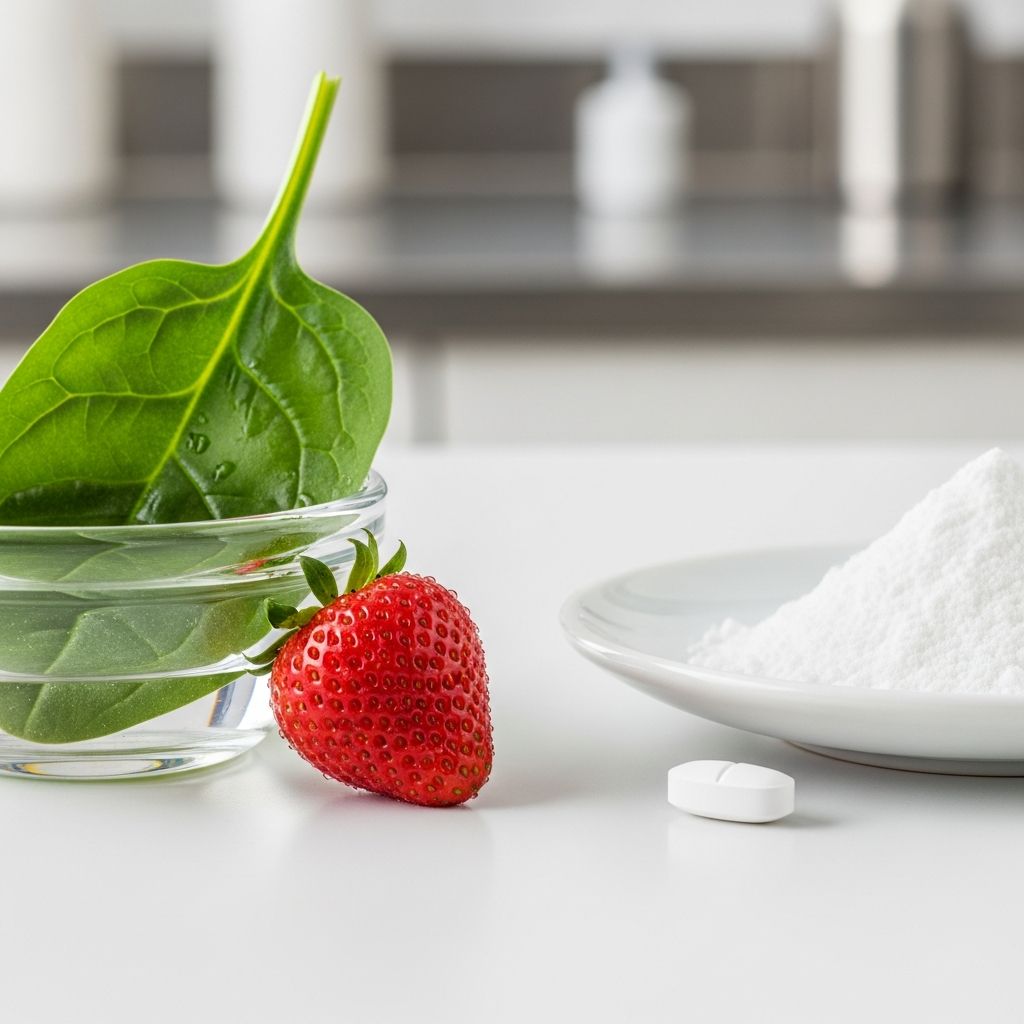
Folate and folic acid are both forms of vitamin B9, crucial for DNA synthesis, red blood cell production, and preventing neural tube defects in pregnancy. Folate occurs naturally in foods, while folic acid is the synthetic version used in supplements and fortified products.
What Is Folate?
Folate is the umbrella term for naturally occurring vitamin B9 found in a variety of foods. It exists in multiple forms, including tetrahydrofolate (THF), dihydrofolate (DHF), and 5-methyltetrahydrofolate (5-MTHF), the active form used by the body. This water-soluble B vitamin supports rapid cell division and growth, making it vital during pregnancy, infancy, and periods of high metabolic demand.
The body absorbs about 50% of folate from food sources due to its sensitivity to heat, light, and processing, which can degrade it. Folate plays a key role in the one-carbon metabolism cycle, aiding in DNA methylation and homocysteine regulation.
What Is Folic Acid?
Folic acid is the synthetic counterpart to folate, chemically stable and added to fortified foods like cereals, bread, and pasta. It must be converted by the liver enzyme dihydrofolate reductase (DHFR) to DHF and then to active THF and 5-MTHF. This form boasts higher bioavailability—at least 85% when consumed with food—making it effective for supplementation.
Manufacturers prefer folic acid for fortification because it withstands cooking and baking, unlike fragile natural folate. However, genetic variations like MTHFR polymorphisms can impair conversion in up to 40% of people, reducing efficacy.
Folate vs. Folic Acid: Key Differences
While both contribute to vitamin B9 needs, their origins, stability, absorption, and uses differ significantly.
| Aspect | Folate | Folic Acid |
|---|---|---|
| Source | Natural, in foods like leafy greens, legumes | Synthetic, in supplements and fortified foods |
| Stability | Sensitive to heat/light | Heat-stable |
| Bioavailability | ~50% | ~85-100% |
| Conversion | Directly usable forms | Requires enzymatic conversion |
| Primary Use | Dietary intake | Fortification, pregnancy supplements |
Health Benefits of Folate and Folic Acid
Preventing Neural Tube Defects (NTDs)
The most critical benefit is NTD prevention, such as spina bifida and anencephaly. The CDC recommends 400 mcg daily folic acid for women of childbearing age, as it reduces NTD risk by up to 70% when taken periconceptionally. Food folate contributes but is less reliable due to variable absorption.
Studies confirm folic acid’s superiority for NTD prevention; other forms like 5-MTHF lack equivalent evidence. Even with MTHFR variants, 400 mcg folic acid raises blood folate levels effectively.
Heart Health and Homocysteine Reduction
Both forms lower homocysteine, an amino acid linked to cardiovascular disease when elevated. A meta-analysis of 30 trials showed folic acid supplementation reduced stroke risk by 10% and CVD by 4%, especially in low-folate populations. Benefits are pronounced with B6/B12 combos and in those with high baseline homocysteine.
Red Blood Cell Production and Anemia Prevention
Vitamin B9 is essential for erythropoiesis. Deficiency causes megaloblastic anemia, with oversized, immature red blood cells. Daily 400 mcg DFE (dietary folate equivalents) prevents this; pregnancy needs rise to 600 mcg.
Cancer Prevention: Mixed Evidence
Adequate folate may suppress early colorectal cancer via DNA stability. NIH-AARP study linked high intakes (>900 mcg/day) to 30% lower risk. However, post-lesion high-dose folic acid might promote progression; trials are inconsistent.
Mental Health and Cognitive Function
Folate supports neurotransmitter synthesis. Low levels correlate with depression; supplementation aids response in some cases. Prenatal folate reduces autism risk in offspring per observational data.
Related Stories



Food Sources of Folate and Folic Acid
- Natural Folate-Rich Foods: Leafy greens (spinach: 194 mcg/cup cooked), lentils (358 mcg/cup), avocados (81 mcg/medium), broccoli (104 mcg/cup), citrus fruits.
- Folic Acid-Fortified Foods: Breakfast cereals (100-400 mcg/serving), enriched bread/pasta/rice, corn masa flour.
A varied diet provides baseline needs, but fortification ensures population-wide adequacy.
Recommended Daily Intake
Adults: 400 mcg DFE. Pregnant: 600 mcg DFE. Lactating: 500 mcg DFE. Upper limit: 1,000 mcg folic acid to avoid masking B12 deficiency. DFEs account for bioavailability: 1 mcg food folate = 1 DFE; 0.6 mcg folic acid (with food) = 1 DFE.
Deficiency: Risks and Symptoms
Folate deficiency affects 10-20% globally, higher in alcoholics, malabsorption (celiac, IBD), or elderly. Symptoms: fatigue, weakness, pale skin, glossitis, anemia, elevated homocysteine.
Pregnancy risks: NTDs, low birth weight, preeclampsia. Diagnosis via serum folate (<3 ng/mL) or RBC folate.
Who Is at Risk for Folate Deficiency?
- Pregnant/lactating women
- Alcoholics
- Malabsorption disorders (celiac, Crohn’s)
- Those on anticonvulsants or methotrexate
- Vegans/poor diets
- MTHFR variant carriers (impaired utilization)
Supplementation: When and How Much?
Pregnancy planning: 400-800 mcg folic acid daily, starting 1 month preconception. Multivitamins suffice for most; check labels for folic acid, not just ‘folate’.
5-MTHF (L-methylfolate) offers advantages for MTHFR variants: direct bioavailability, lower preeclampsia risk. However, CDC affirms folic acid for NTD prevention.
Potential Risks and Side Effects
Excess natural folate is excreted harmlessly. Folic acid upper limit: 1,000 mcg/day; higher masks B12 deficiency, risking neuropathy. Rare side effects: nausea, bloating. Unmetabolized folic acid accumulates in blood at high doses, potential long-term concerns.
Folate, Folic Acid, and Pregnancy
Critical for fetal neural tube closure (days 21-28 post-conception). U.S. fortification since 1998 cut NTDs by 28%. Combine diet, supplements for 600 mcg DFE. Emerging: 5-MTHF may better support methylation, reducing gestational hypertension.
Frequently Asked Questions (FAQs)
Is folate the same as folic acid?
No. Folate is natural vitamin B9 in foods; folic acid is synthetic for supplements/fortification.
Which is better for pregnancy: folate or folic acid?
Folic acid is proven for NTD prevention at 400 mcg/day; food folate supports overall needs.
Can you get too much folic acid?
Yes, over 1,000 mcg/day risks masking B12 deficiency. Natural folate excess is safe.
Do I need a supplement if I eat fortified foods?
Pregnant women or at-risk groups should supplement regardless, per CDC guidelines.
What’s the role of MTHFR in folate metabolism?
MTHFR variants impair folic acid conversion; 5-MTHF bypasses this.
Bottom Line
Prioritize folic acid supplementation for high-risk periods like pregnancy, complemented by folate-rich foods. Consult healthcare providers for personalized needs, especially with genetic factors.
References
- Folate vs. folic acid: Differences, benefits, and sources — Medical News Today. 2023-09-11. https://www.medicalnewstoday.com/articles/327290
- Folate (Folic Acid) – Vitamin B9 — Harvard T.H. Chan School of Public Health. 2024. https://nutritionsource.hsph.harvard.edu/folic-acid/
- The Critical Role of Folate in Prenatal Health and a Proposed Shift from Folic Acid to 5-Methyltetrahydrofolate Supplementation — Global Medical Research. 2024. https://gmr.scholasticahq.com/article/124570
- Folate – Health Professional Fact Sheet — NIH Office of Dietary Supplements. 2024-10-15. https://ods.od.nih.gov/factsheets/Folate-HealthProfessional/
- Folic Acid: Facts for Clinicians — CDC. 2024. https://www.cdc.gov/folic-acid/hcp/clinical-overview/index.html
- Folate (folic acid) — Mayo Clinic. 2024-08-15. https://www.mayoclinic.org/drugs-supplements-folate/art-20364625
Similar Articles








Read full bio of medha deb