Foley Catheter: Purpose, Insertion & Care Guide
Complete guide to Foley catheters: Learn about insertion, proper care, and management for continuous bladder drainage.

Understanding Foley Catheters: A Complete Guide
A Foley catheter is a medical device designed to help drain urine from your bladder when you’re unable to urinate naturally. This thin, flexible tube made of rubber or plastic is inserted through your urethra into your bladder, allowing continuous drainage into a collection bag. Understanding how this device works, how it’s inserted, and how to care for it properly is essential for anyone who needs to use one, whether temporarily or long-term.
What Is a Foley Catheter?
A Foley catheter is a specialized medical device that provides continuous bladder drainage for patients who cannot empty their bladder naturally. The catheter consists of a thin, flexible tube with two separate pathways running the entire length. The first pathway serves as a drainage port, allowing urine to flow from your bladder into a collection bag. The second pathway connects to a small balloon located at the tip of the catheter inside your bladder. Healthcare providers use this channel to fill the balloon with sterile water, which anchors the catheter securely in place.
Foley catheters are available in different sizes to accommodate people of any age or body size. The device is considered safe when properly inserted and maintained according to medical guidelines. The catheter is typically secured to your leg using adjustable straps that allow for appropriate slack in the tubing to prevent discomfort or pulling.
How the Foley Catheter Works
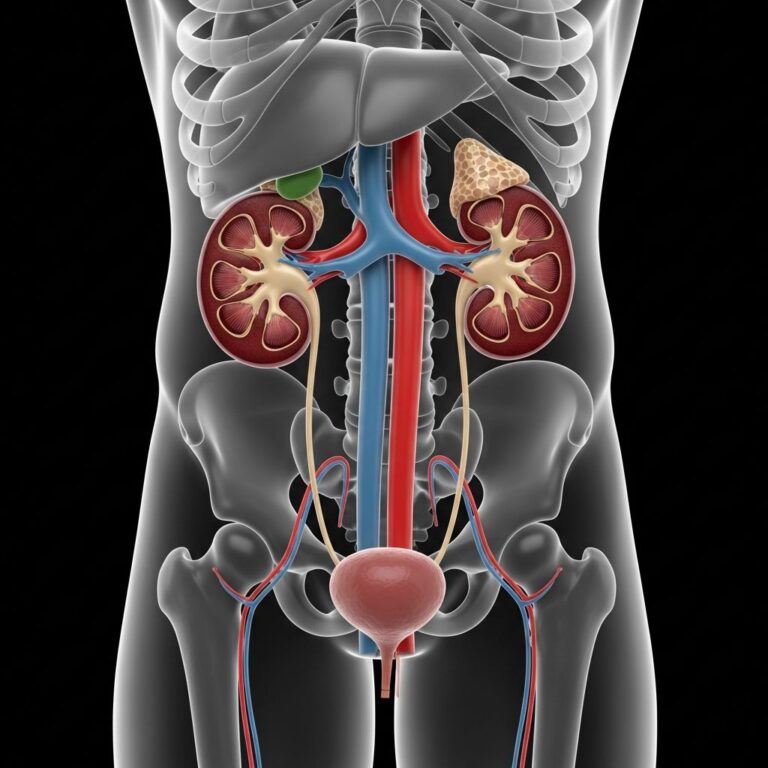
The dual-channel design of a Foley catheter makes it particularly effective for continuous drainage. When urine is produced by your kidneys, it flows through your urinary system and collects in your bladder. With a Foley catheter in place, the urine drains continuously through the drainage channel into the collection bag, preventing your bladder from becoming overly full. This continuous drainage is crucial for patients who have conditions affecting their urinary system or those recovering from procedures that temporarily affect bladder function.
The balloon at the tip of the catheter plays a vital role in keeping the device securely positioned within your bladder. Once the catheter is inserted and the balloon is inflated with sterile water, it prevents the catheter from accidentally slipping out of place. This design allows patients to move around and engage in daily activities while maintaining reliable drainage.
Collection Bags and Management
Foley catheter systems use two types of collection bags depending on your activity level and time of day. During waking hours, you’ll typically use a smaller leg bag that attaches discreetly to your leg, allowing you to move around freely and maintain your normal daily activities. The leg bag can be worn under clothing, making it relatively inconspicuous.
During sleep, you may switch to a larger collection bag that hangs from a hook beside your bed or rests on a flat surface near your sleeping area. This larger capacity bag reduces the number of times you need to empty it during the night, allowing for better sleep quality. It’s important to ensure that any collection bag remains below the level of your bladder to allow gravity to assist with drainage and prevent urine from flowing backward into your bladder.
The Insertion Procedure
The insertion of a Foley catheter is a straightforward medical procedure performed by a healthcare provider. Before insertion, the area around your urethra will be cleaned thoroughly to reduce the risk of infection. Your healthcare provider will then apply a numbing gel or local anesthetic to make the procedure more comfortable. This numbing agent is essential for reducing pain and discomfort during the insertion process.
Related Stories



Once you’re numb, your healthcare provider will carefully insert the Foley catheter through your urethra into your bladder. As soon as the catheter reaches your bladder, urine will begin to drain into the collection bag, confirming proper placement. Your provider will then inflate the balloon at the tip of the catheter using sterile water. This inflated balloon holds the catheter securely in place within your bladder.
Finally, your healthcare provider will use adjustable straps to secure the catheter tube and collection bag to your leg. These straps are adjusted to allow for appropriate slack in the tubing, ensuring that movement doesn’t cause pulling or discomfort. Proper securing is essential for both comfort and preventing accidental displacement of the catheter.
Daily Care and Hygiene Practices
Maintaining proper hygiene is absolutely critical when using a Foley catheter, as this significantly reduces your risk of developing infections. The most important first step is to thoroughly wash your hands with soap and water both before and after handling your Foley catheter and collection bag. Hand hygiene helps prevent the spread of germs that could cause serious urinary tract infections.
You should clean the catheter tube at least twice daily using soapy water and a damp paper towel or washcloth. Use gentle motions when cleaning and carefully pat the tube dry afterward. This regular cleaning removes bacteria and other debris that could contribute to infection or odor problems. Pay special attention to the area where the catheter exits your body.
Additional hygiene recommendations include:
- Wash the skin around the catheter insertion site daily with soap and water
- Pat the skin completely dry to prevent moisture-related irritation
- Take showers rather than baths while the catheter is in place
- Avoid activities that could contaminate the catheter or collection bag
- Keep the catheter and tubing clean and free from kinks or blockages
Collection Bag Management
Proper management of your collection bag is essential for maintaining hygiene and preventing infections. You should empty your smaller leg bag every two to three hours during the day to prevent overfilling. Your larger nighttime bag should be emptied every eight hours or as needed to maintain proper function.
To empty the bag, use a clean container and carefully direct the drainage outlet into the container or toilet. Wash your hands before and after emptying the bag. Ensure the outlet doesn’t come into contact with contaminated surfaces.
If your Foley catheter will remain in place for longer than a week, you should change your collection bag regularly. When changing the bag, wash your hands thoroughly, disconnect the old bag from the catheter tube, and attach the new sterile bag. If you need to reuse a bag, wash it thoroughly with soap and water after emptying. You can also rinse bags with a solution of 1.25 cups of white vinegar in 2 quarts of water to reduce odor and help prevent infection.
Duration of Foley Catheter Use
The length of time you’ll need to use a Foley catheter depends entirely on your medical condition and circumstances. Some patients only need a catheter temporarily while they’re healing from a specific treatment or condition. Once you recover and regain normal bladder function, you’ll no longer need the catheter.
However, if you have a condition that prevents you from urinating naturally, you may need to use a Foley catheter for weeks or months. In some cases, patients require permanent catheterization. The good news is that modern catheter technology allows you to continue most of your normal activities, including working, bathing, swimming, traveling, and maintaining sexual function.
Your healthcare provider will teach you how to properly insert and care for your catheter so that it doesn’t limit your lifestyle. You should change your Foley catheter at least every three months to prevent complications and maintain optimal function.
Using a Foley Catheter While Sleeping
Yes, you can absolutely use a Foley catheter while sleeping, and many patients do so comfortably. You can sleep in any position as long as your collection bag remains positioned below your bladder level. Before going to sleep, arrange the catheter tube so it doesn’t twist or kink, as a twisted tube will prevent proper urine drainage into the collection bag.
Hang your larger nighttime collection bag from a hook beside your bed or rest it on a flat surface near your bed. This positioning allows gravity to assist with drainage throughout the night. Ensure that the tube has enough length to accommodate your sleeping movements without pulling or causing discomfort.
Benefits of Foley Catheterization
The primary benefit of a Foley catheter is that it allows continuous, reliable drainage of your bladder. This is particularly important because not being able to fully empty your bladder can lead to serious complications, including:
- Urinary tract infections (UTIs)
- Bladder damage from overstretching
- Urine backup into the kidneys
- Kidney damage
- Chronic pain and discomfort
- Reduced quality of life
By ensuring continuous drainage, a Foley catheter prevents these complications and helps you maintain a normal, active lifestyle despite urinary system challenges.
Risks and Complications Associated with Foley Catheters
While Foley catheters are generally safe, the primary risk associated with their use is urinary tract infection (UTI). The longer you use a Foley catheter, the higher your risk of developing a UTI. This is why healthcare providers recommend not using a Foley catheter for longer than three months without careful monitoring and evaluation.
Other potential complications include:
- Bladder irritation or inflammation
- Allergic reactions to catheter materials
- Catheter blockage or kinking
- Urethra damage or strictures
- Blood in the urine
- Discomfort or pain during insertion or removal
- Leakage around the catheter
These complications can usually be prevented or managed through proper care and regular communication with your healthcare provider.
Managing Discomfort and Pain
Some patients experience discomfort or pain during Foley catheter insertion. Using a numbing gel can significantly help reduce this pain and make the procedure more tolerable. Your healthcare provider will apply this gel before insertion to numb the urethra.
Removing a Foley catheter may also feel uncomfortable or painful, sometimes described as a stinging sensation or feeling like something is slithering through the urethra. This discomfort is usually temporary and resolves quickly after removal.
Tips to reduce discomfort or pain when using a Foley catheter:
- Ask your healthcare provider about numbing gels before insertion
- Practice relaxation techniques and deep breathing during insertion
- Keep the catheter securely fastened to prevent tugging
- Ensure proper positioning to avoid kinking or pressure
- Stay well-hydrated to promote urine flow
- Discuss any persistent pain with your healthcare provider
Self-Catheterization for Long-Term Users
If you need to use a Foley catheter over an extended period, your healthcare provider will teach you how to perform self-catheterization. This skill allows you to maintain independence and control over your catheter management. Self-catheterization involves inserting a new catheter at regular intervals, typically several times per day, which can reduce infection risk compared to leaving a single catheter in place permanently.
Your healthcare provider will provide detailed training on proper insertion technique, sterile procedures, and hygiene practices. With proper training and practice, self-catheterization becomes a manageable routine that doesn’t significantly impact your daily activities.
Frequently Asked Questions About Foley Catheters
Q: How often should I change my Foley catheter?
A: You should change your Foley catheter at least every three months. However, if you notice signs of infection, odor, or malfunction, you may need to change it sooner. Your healthcare provider will give you specific instructions based on your situation.
Q: Can I shower or bathe with a Foley catheter?
A: Yes, you can shower with a Foley catheter. It’s generally recommended to avoid soaking in a bathtub, as this increases the risk of contamination. Keep the catheter and insertion site as dry as possible, and wash your hands before and after bathing.
Q: What should I do if my catheter stops draining?
A: If your catheter stops draining, it may be kinked, blocked, or displaced. First, check that the tube isn’t twisted or bent. Ensure the collection bag is below your bladder level. If drainage still doesn’t resume, contact your healthcare provider immediately, as this could indicate a blockage or other complication.
Q: Can I have sexual intercourse with a Foley catheter?
A: Yes, you can have sexual intercourse with a Foley catheter. Secure the catheter and collection bag to prevent displacement, and empty your bladder before sexual activity. Discuss any concerns with your healthcare provider.
Q: How do I know if I have a urinary tract infection?
A: Signs of a UTI while using a Foley catheter include cloudy or foul-smelling urine, fever, chills, abdominal pain, and back pain. Contact your healthcare provider immediately if you notice these symptoms, as UTIs require prompt treatment.
Q: Can I travel with a Foley catheter?
A: Yes, you can travel with a Foley catheter. Pack extra supplies, including catheters, collection bags, cleaning supplies, and any prescribed medications. Consult your healthcare provider before traveling to ensure you have appropriate medical support at your destination.
Adjustment and Quality of Life
It’s completely normal if it takes some time to adjust to using a Foley catheter. Many patients initially feel anxious or self-conscious about the device, but these feelings typically diminish with time and experience. Talk to your healthcare provider about any concerns or questions you have. They can provide reassurance, additional training, and support as you adapt to catheter use.
A Foley catheter should not prevent you from participating in many of your normal activities. With proper training and care, most patients successfully continue working, exercising, traveling, and enjoying social activities while using a catheter.
When to Contact Your Healthcare Provider
Contact your healthcare provider immediately if you experience fever, chills, severe back or abdominal pain, urine that appears cloudy or contains blood, or a catheter that stops draining. Also reach out if you notice signs of infection, the catheter becomes dislodged, or you have persistent discomfort despite proper positioning and care.
References
- Foley Catheter: Purpose, Insertion & Care — Cleveland Clinic. 2024. https://my.clevelandclinic.org/health/treatments/foley-catheter
- Urinary Catheter: Purpose, Types, Placement & Complications — Cleveland Clinic. 2024. https://my.clevelandclinic.org/health/treatments/catheter
- Catheter Bags: Urine Drainage, Types, Purpose & Care — Cleveland Clinic. 2024. https://my.clevelandclinic.org/health/articles/14832-catheter-bags
- Self-Catheterization: Types, Insertion, How To & Safety — Cleveland Clinic. 2024. https://my.clevelandclinic.org/health/procedures/15434-clean-intermittent-catheterization
- Clinical Practice Guideline for Patient Education on Indwelling Urinary Catheterization — Walden University. 2019. https://scholarworks.waldenu.edu/dissertations/19328
Similar Articles








Read full bio of Sneha Tete