Folic Acid: Benefits, Foods, Deficiency, and More
Discover the essential role of folic acid in health, from preventing birth defects to supporting heart health and cell growth.
Folic acid is the synthetic form of folate, also known as vitamin B9, a water-soluble B vitamin essential for DNA synthesis, red blood cell formation, and overall cell function. It plays a critical role in preventing neural tube defects (NTDs) during pregnancy and supports heart health by lowering homocysteine levels. This article covers its benefits, food sources, deficiency risks, recommended intake, side effects, and supplementation guidelines.
What Is Folic Acid?
Folic acid is a stable, synthetic version of folate found naturally in foods, designed for fortification in grains and supplements because it is better absorbed by the body. Folate helps the body make and repair DNA, produce red blood cells, and support tissue growth. The body cannot store large amounts of folate, so daily intake is necessary.
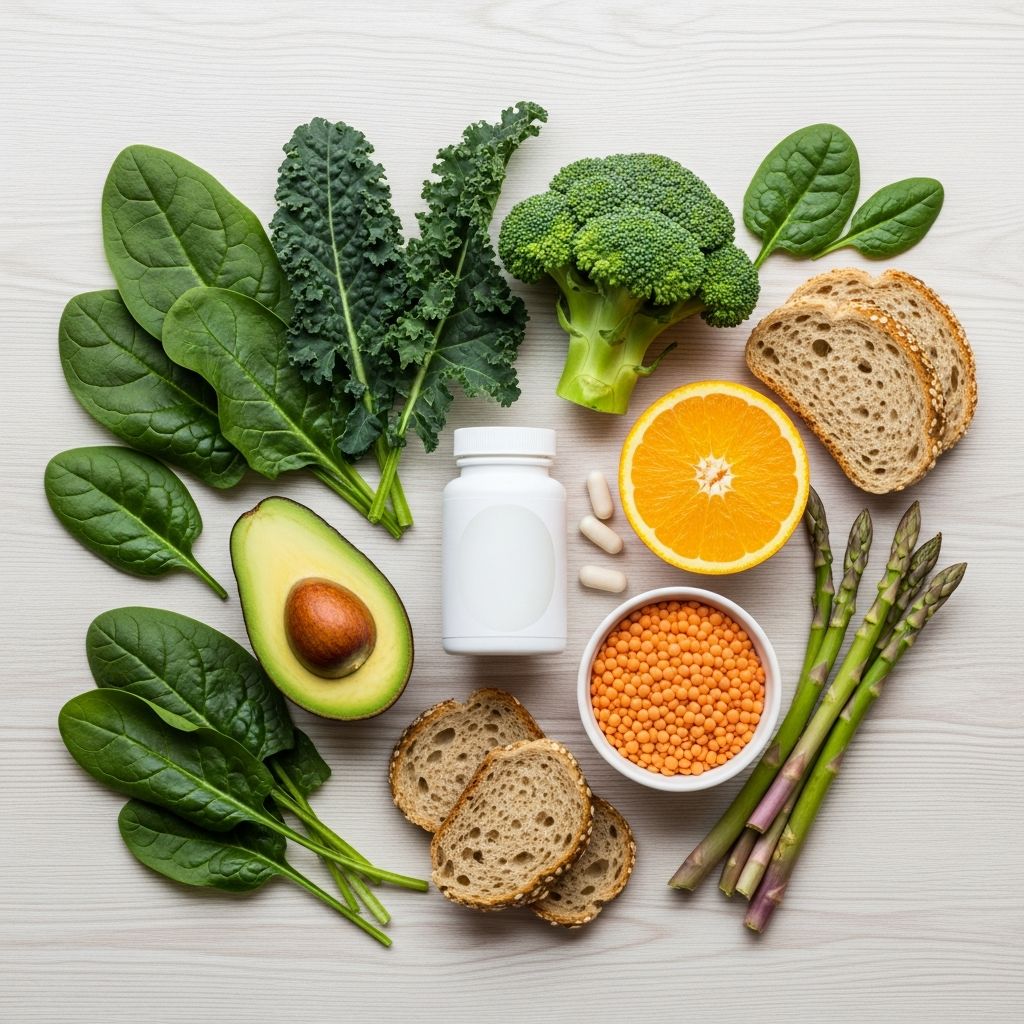
Naturally occurring folate is present in leafy greens, legumes, and citrus fruits, while folic acid is added to fortified cereals, breads, and pastas. In the United States, mandatory fortification since 1998 has significantly reduced NTD rates.
9 Health Benefits of Folic Acid
Folic acid offers multiple evidence-based benefits, particularly for pregnancy, cardiovascular health, and preventing anemia.
1. Helps Prevent Neural Tube Defects During Pregnancy
The most well-known benefit is preventing NTDs like spina bifida and anencephaly, which occur in the first month of pregnancy. The CDC recommends all women capable of pregnancy take 400 mcg of folic acid daily, starting at least one month before conception. Studies show 400 mcg/day reduces NTD risk by up to 70%, even in those with MTHFR gene variants.
2. Treats Folate Deficiency Anemia
Folate deficiency causes megaloblastic anemia, where red blood cells are abnormally large and ineffective at carrying oxygen, leading to fatigue and weakness. Folic acid supplementation effectively corrects this by promoting normal red blood cell production.
3. Lowers Homocysteine Levels to Support Heart Health
High homocysteine is linked to heart disease and stroke; folic acid reduces it by 25-30%. Meta-analyses confirm it lowers stroke risk, especially in low-folate populations without fortification. It works synergistically with B6 and B12.
4. May Reduce Risk of Certain Cancers
Adequate folate intake (900 mcg/day or higher) is associated with 30% lower colorectal cancer risk in large cohort studies. However, excessive supplementation in some trials increased cancer incidence, particularly colorectal, highlighting the need for balanced intake.
5. Supports Cognitive Function in Older Adults
Supplementation lowered homocysteine and improved memory and processing speed in trials, though results on overall cognition are mixed. More research is needed for definitive benefits.
6. Reduces Methotrexate Side Effects
In cancer and autoimmune treatments, folic acid mitigates nausea, mouth sores, and other toxicities from methotrexate.
7. Aids in Managing Depression
Low folate levels are linked to depression; supplementation may enhance antidepressant efficacy.
8. Promotes Healthy Pregnancy Beyond NTD Prevention
Higher doses before and during early pregnancy may reduce miscarriage risk.
9. Supports Kidney Health in Chronic Disease
About 85% of chronic kidney disease patients have high homocysteine; folic acid helps lower it and potentially reduces cardiovascular risks.
Related Stories



Folic Acid Foods: Top Sources
Incorporate these folate-rich foods to meet daily needs naturally:
- Leafy greens: Spinach (194 mcg per cup cooked), kale (chicken liver provides over 50% DV per serving).
- Legumes: Lentils (358 mcg per cup cooked), black beans (256 mcg per cup).
- Citrus and fruits: Oranges (50 mcg per fruit), avocados (120 mcg per fruit).
- Fortified grains: Breakfast cereals (400 mcg per serving), enriched bread and pasta.
- Nuts and seeds: Sunflower seeds (66 mcg per ounce).
- Animal products: Beef liver (215 mcg per 3 oz), eggs (22 mcg each).
A table of top sources:
| Food | Folate (mcg per serving) | % DV (400 mcg) |
|---|---|---|
| Lentils (1 cup cooked) | 358 | 90% |
| Spinach (1 cup cooked) | 194 | 49% |
| Fortified cereal (1 serving) | 400 | 100% |
| Avocado (1/2) | 60 | 15% |
| Beef liver (3 oz) | 215 | 54% |
Fortified foods significantly boost average intake, contributing to public health improvements.
Folic Acid Deficiency: Symptoms and Causes
Deficiency affects cell division, leading to:
- Fatigue, weakness, pale skin from anemia.
- Mouth ulcers, swollen tongue (glossitis), diarrhea.
- Poor growth, gray hair in severe cases.
- In pregnancy: Increased NTD and miscarriage risk.
Causes include poor diet, malabsorption (celiac, IBD), alcoholism, and drugs like methotrexate. At-risk groups: Pregnant women, older adults, those with kidney disease.
Folic Acid Dosage: How Much Do You Need?
Recommended Dietary Allowances (RDAs) from NIH:
| Age/Group | RDA (mcg DFE) |
|---|---|
| Adults (19+) | 400 |
| Pregnant women | 600 |
| Breastfeeding | 500 |
| Children 1-3 | 150 |
| Teens 14-18 (pregnant) | 600 |
DFE = Dietary Folate Equivalents (1 mcg DFE = 0.6 mcg folic acid). Upper limit: 1,000 mcg/day for adults to avoid masking B12 deficiency.
Folic Acid Side Effects and Risks
Generally safe at recommended doses, but high intake may:
- Mask vitamin B12 deficiency, risking nerve damage.
- Potentially increase cancer risk in some populations.
- Cause digestive upset or sleep disturbances at very high doses.
Interactions: Reduces efficacy of phenytoin, methotrexate; consult a doctor.
Folic Acid vs. Folate: Key Differences
| Aspect | Folate | Folic Acid |
|---|---|---|
| Source | Natural in foods | Synthetic in supplements/fortified foods |
| Absorption | 50% bioavailable | 85-100% bioavailable |
| Stability | Less stable | Heat-stable |
| Use | Dietary | Fortification, pregnancy supplements |
Folic acid converts to active folate in the body.
Supplements: When and How to Take Them
Pregnant women and those planning pregnancy: 400-800 mcg daily. Most multivitamins contain 400 mcg. Take with food for better absorption; avoid excess if diet is folate-rich.
Frequently Asked Questions (FAQs)
Who needs folic acid supplements?
All women of childbearing age, those with deficiency, or malabsorption issues.
Can you get too much folic acid?
Yes, over 1,000 mcg/day may hide B12 deficiency.
Does folic acid help with hair growth?
It supports cell growth but evidence for hair benefits is limited; deficiency can cause graying.
Is folic acid safe during breastfeeding?
Yes, at 500 mcg RDA.
How long does it take for folic acid to work for anemia?
Improvements in weeks, full recovery in months.
References
- Folic Acid – Uses, Side Effects, and More — WebMD. 2023. https://www.webmd.com/vitamins/ai/ingredientmono-1017/folic-acid
- Folate – Health Professional Fact Sheet — NIH Office of Dietary Supplements. 2023-05-06. https://ods.od.nih.gov/factsheets/Folate-HealthProfessional/
- Folic Acid: Benefits, Foods, Deficiency, and More — Healthline. 2023. https://www.healthline.com/nutrition/folic-acid
- Folic acid: Importance, deficiencies, and side effects — Medical News Today. 2023. https://www.medicalnewstoday.com/articles/219853
- Folate (folic acid) — Mayo Clinic. 2023-10-01. https://www.mayoclinic.org/drugs-supplements-folate/art-20364625
- About Folic Acid — CDC. 2024. https://www.cdc.gov/folic-acid/about/index.html
- Folic acid in diet — MedlinePlus. 2023. https://medlineplus.gov/ency/article/002408.htm
Similar Articles








Read full bio of Sneha Tete