Folic Acid: 4 Essential Benefits And Dosage Guide
Discover the vital role of folic acid in preventing birth defects, supporting heart health, and maintaining overall wellness for all ages.
Folic acid, the synthetic counterpart to natural folate or vitamin B9, plays a pivotal role in cellular function, DNA synthesis, and red blood cell production. It is widely recommended for preventing neural tube defects during pregnancy and addressing folate deficiencies that can lead to anemia.
The Science Behind Folic Acid and Its Bodily Functions
Folic acid supports essential processes like tissue growth, protein building, nutrient breakdown from food, and DNA creation. Unlike folate found in foods, folic acid in supplements and fortified products is more bioavailable, ensuring better absorption even in cases of digestive issues or medication interference.
Key functions include:
- Facilitating red blood cell formation to combat anemia.
- Aiding DNA repair and synthesis for healthy cell division.
- Regulating homocysteine levels to protect cardiovascular health.
- Promoting neural development in fetuses to avert birth defects.
Primary Health Benefits Across Life Stages
Folic acid offers proven advantages, particularly in pregnancy, but extends to general wellness. Its efficacy is backed by regulatory mandates, such as FDA fortification of grains to boost population intake and reduce defect rates.
Preventing Neural Tube Defects in Pregnancy
Neural tube defects like spina bifida and anencephaly occur early in pregnancy, often before awareness. Daily folic acid supplementation reduces these risks significantly, with evidence showing it as the only folate form proven effective for this purpose.
Pregnant individuals or those planning conception should prioritize 400-800 mcg daily, often via prenatal vitamins.
Combating Anemia and Folate Deficiency
Folate deficiency causes megaloblastic anemia, characterized by oversized, immature red blood cells. Folic acid effectively restores levels, improving energy and oxygen transport.
Cardiovascular Protection and Stroke Risk Reduction
By lowering homocysteine—a compound linked to heart disease and stroke—folic acid supports vascular health. Studies indicate a 21% stroke risk drop with 800 mcg daily in hypertensive adults and a 10% overall stroke reduction.
| Condition | Effectiveness | Evidence |
|---|---|---|
| Hyperhomocysteinemia | Likely Effective | Lowers levels in kidney patients and general population |
| Stroke Prevention | Possibly Effective | Up to 21% risk reduction in trials |
| Heart Disease | Possibly Effective | 4-10% risk lowering per meta-analyses |
Brain Health and Mental Well-Being
Low folate correlates with cognitive decline, depression, and dementia risk. Supplementation may enhance brain function, alleviate depression symptoms alongside antidepressants, and support Alzheimer’s management.
Post-Menopausal and General Benefits
Beyond reproduction, folic acid may lower risks of cervical/colon cancers, type 2 diabetes, and rheumatoid arthritis. It benefits rapidly dividing cells, aiding skin, hair, and nail health.
Who Needs Folic Acid Supplements?
Most obtain enough from diet and fortification, but certain groups benefit:
- Pregnant or breastfeeding women.
- Those with malabsorption (e.g., celiac, IBD).
- Methotrexate users for arthritis/psoriasis to counter side effects.
- Individuals with high homocysteine or anemia.
- Alcoholics or those on anticonvulsants/folate-depleting drugs.
Related Stories



Consult healthcare providers before starting, especially with conditions like cancer history, as high doses may accelerate pre-existing lesions.
Recommended Dosages and Forms
Standard adult RDA is 400 mcg DFE (dietary folate equivalents); pregnancy requires 600 mcg; breastfeeding 500 mcg. Therapeutic doses for deficiency reach 1 mg daily.
| Group | Daily Dose (mcg) |
|---|---|
| Adults | 400 |
| Pregnant | 600 |
| Deficiency Treatment | 400-1000 |
| Methotrexate Support | 1-5 mg |
Available as tablets (400-1000 mcg), in multivitamins, or fortified foods like cereals and bread.
Rich Dietary Sources of Folate
Boost intake naturally:
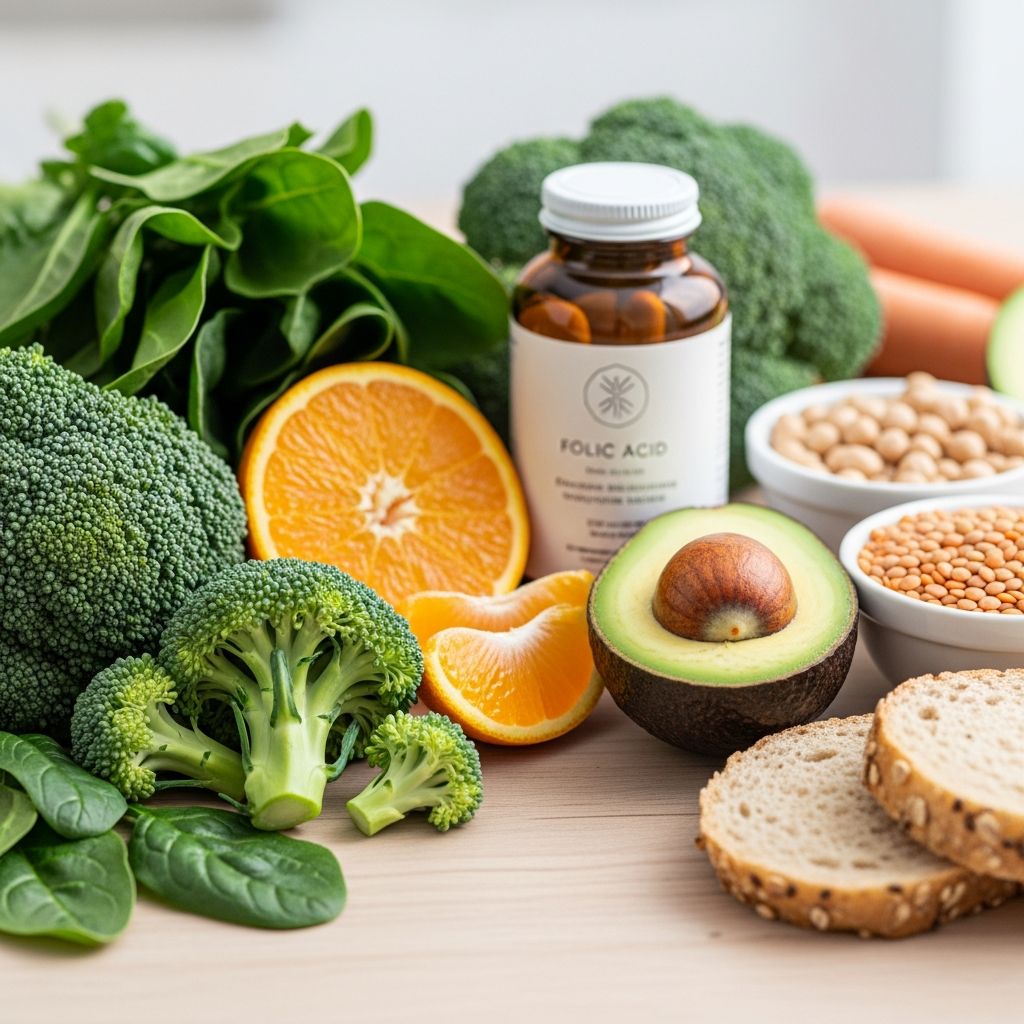
- Leafy greens: spinach, kale (194 mcg/cup cooked spinach).
- Legumes: lentils, chickpeas.
- Citrus fruits, avocados.
- Nuts, seeds, fortified grains.
Fortified foods ensure consistent supply, critical since natural folate absorption varies.
Potential Side Effects and Precautions
Generally safe up to 1 mg daily; excess is excreted. Rare issues include nausea, bloating, or sleep disturbances at high doses. Masks B12 deficiency symptoms, risking nerve damage—pair with B12 checks.
High doses may increase cancer risk in some (e.g., 21% incidence rise in heart patients per Norwegian trials), so avoid without need. Interactions: reduces methotrexate efficacy; enhances anticonvulsants’ effects.
Folic Acid in Medical Contexts
Beyond OTC, prescribed for confirmed deficiencies, pre-surgery (to build blood stores), or chronic conditions. Monitor via blood tests for plasma folate.
Frequently Asked Questions (FAQs)
Is folic acid the same as folate?
No, folate is natural in foods; folic acid is synthetic, better absorbed.
Can men benefit from folic acid?
Yes, for heart health, fertility (improves sperm quality), and homocysteine control.
How soon before pregnancy should I start folic acid?
At least one month prior, as defects form early.
Does folic acid cause weight gain?
No evidence; it may boost appetite in deficiency cases.
Is folic acid safe long-term?
Yes at recommended doses; consult for high-risk groups.
Vegetarians/vegans need more?
Possibly, if diet lacks variety; supplements advised.
Folic acid remains a cornerstone nutrient, fortified in foods and supplements to safeguard public health, especially maternal-fetal outcomes. Integrating it thoughtfully enhances vitality across demographics.
References
- Folic Acid – Uses, Side Effects, and More — WebMD. 2023. https://www.webmd.com/vitamins/ai/ingredientmono-1017/folic-acid
- What Are Folic Acid’s Benefits? Here’s 10 Health Benefits — GoodRx. 2023. https://www.goodrx.com/folic-acid/folic-acid-benefits
- Why every woman needs folic acid — UCLA Health. 2023. https://www.uclahealth.org/news/article/why-every-woman-needs-folic-acid
- About folic acid — NHS. 2023. https://www.nhs.uk/medicines/folic-acid/about-folic-acid/
- Folic Acid Tablets: Uses & Side Effects — Cleveland Clinic. 2023. https://my.clevelandclinic.org/health/drugs/18719-folic-acid-tablets
- Folate – Health Professional Fact Sheet — NIH Office of Dietary Supplements. 2023-05-02. https://ods.od.nih.gov/factsheets/Folate-HealthProfessional/
Similar Articles








Read full bio of Sneha Tete