Folic Acid Injection: Uses, Dosage, Side Effects, and Precautions
Comprehensive guide to folic acid injection: benefits, administration, precautions, and more.
What is Folic Acid Injection?
Folic acid injection is a vitamin supplement form of folate (vitamin B9) designed to prevent and treat low levels of folate in the body. Folate is essential for producing red blood cells and maintaining brain health. It is particularly critical during pregnancy, as it helps lower the risk of neural tube birth defects in developing babies.
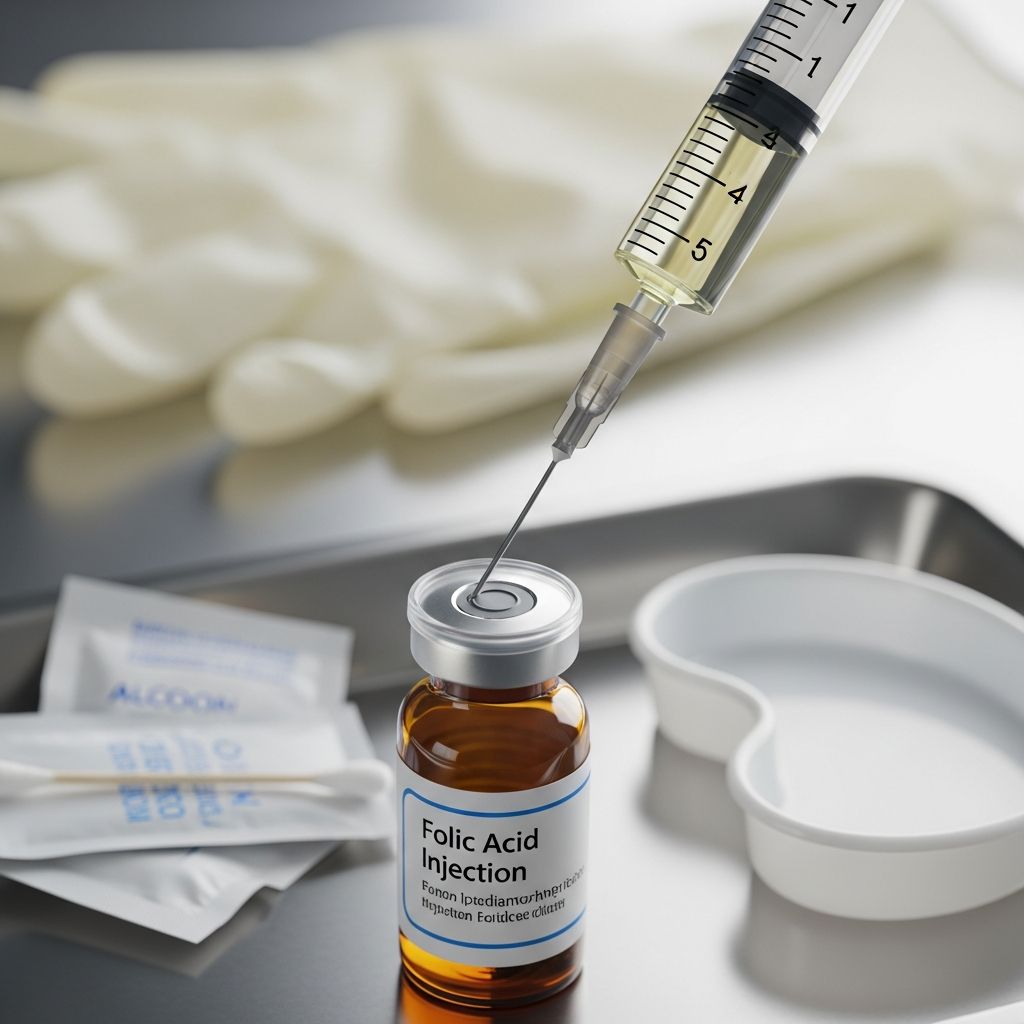
This injection is administered by healthcare professionals typically in a hospital or clinic. It can be injected into a vein (intravenous), muscle (intramuscular), or under the skin (subcutaneous) depending on clinical circumstances.
Uses and Indications of Folic Acid Injection
Folic acid injection is primarily used to treat or prevent folate deficiency, which may occur due to:
- Inadequate dietary intake
- Malabsorption disorders
- Increased folate demand during pregnancy or illness
- Certain medical conditions such as anemia or megaloblastic anemia
- Side effects of some medications that impair folate absorption
Additionally, folic acid injection plays an important role in supporting healthy pregnancy development by reducing the chance of brain and spine birth defects (neural tube defects).
How to Use Folic Acid Injection
This medication is usually administered by healthcare staff in a clinical setting. If you receive it at home, you will be thoroughly instructed on how to prepare and inject it correctly.
- Administer the injection exactly as directed by your healthcare provider.
- Stick to the prescribed dosage schedule and don’t take more frequent doses.
- If you miss a dose, take it as soon as possible unless it is nearly time for the next dose; do not double doses.
- Do not share your medication; it is prescribed specifically for your condition.
Dosage Guidelines
The dosage of folic acid injection depends on your condition and your healthcare provider’s recommendations. Doses vary depending on whether you are treating a deficiency, preventing neural tube defects during pregnancy, or other medical indications.
Typical folic acid supplementation dosages (oral or injectable) to treat deficiency generally range from 1 mg to 5 mg daily, sometimes more in special cases, continued until blood levels normalize and underlying causes are addressed.
In pregnancy, folate requirements increase to 600 micrograms daily or greater to support fetal development.
Important Precautions and Potential Interactions
Before receiving folic acid injection, inform your healthcare provider about:
- Any allergies, especially to folic acid or other vitamins.
- Existing medical conditions including anemia, epilepsy, or any other chronic illness.
- All medications, supplements, herbs, or drugs you are currently taking.
- Your smoking, alcohol consumption, or illicit drug use habits.
Some drugs like methotrexate or anticonvulsants may interact with folic acid treatment, requiring dose adjustments or careful monitoring.
Regular blood tests may be necessary during treatment to evaluate response and ensure safe use.
Related Stories



Possible Side Effects of Folic Acid Injection
While folic acid injections are generally well tolerated, some side effects may occur. Notify your healthcare provider if you experience any severe or unusual symptoms immediately.
Serious Side Effects (Need Immediate Medical Attention)
- Signs of allergic reaction such as rash, itching, swelling, dizziness, or difficulty breathing
- Severe redness, swelling, or pain at the injection site
- Unusual tiredness, pale skin, or unexplained weakness
Mild Side Effects (Report If Persistent or Bothersome)
- Mild rash or itching
- Feeling of warmth or flushing
- Upset stomach or nausea
This list may not contain all possible side effects; consult your doctor or pharmacist for advice. You may also report side effects directly to regulatory authorities.
Storage and Handling Instructions
- Store the medication as instructed by your healthcare provider or according to the packaging.
- Keep it out of reach of children.
- Dispose of any unused medication safely after the expiration date.
- If administering at home, maintain sterile technique and proper disposal of needles and syringes.
Why Folic Acid is Essential
Folate (vitamin B9) is a water-soluble vitamin vital for several physiological processes, including:
- Production and maintenance of new cells
- Forming DNA and RNA, the genetic material in cells
- Preventing changes to DNA that may lead to cancer
- Supporting brain health and neurological function
- Reducing risks of certain birth defects in pregnancy
Because our bodies do not produce folate, it must be obtained through diet or supplementation. Folate deficiency can cause serious health problems such as anemia, fatigue, nerve damage, and during pregnancy, birth defects.
Frequently Asked Questions (FAQs)
Q: Can I take folic acid injection during pregnancy?
A: Yes, folic acid injection is safe and often recommended during pregnancy to prevent neural tube defects and support fetal development. Your healthcare provider will determine the right dose.
Q: How soon will my folate levels improve after starting injections?
A: Hematologic response is usually observed within one to two weeks, but full correction of deficiency depends on the underlying cause and consistent treatment.
Q: Are there differences between folic acid tablets and injections?
A: Tablets are usually adequate for mild or moderate deficiency. Injections are used when rapid replenishment is needed or when absorption through the gut is impaired.
Q: Can I take more folic acid than prescribed?
A: Do not exceed the prescribed dose. Overdosing may lead to side effects and mask other vitamin deficiencies like B12. If you suspect an overdose, seek emergency care immediately.
Q: What foods are good sources of folate?
A: Foods rich in folate include leafy green vegetables, legumes, nuts, fortified cereals, and some fruits like oranges and bananas.
Summary Table: Key Information About Folic Acid Injection
| Aspect | Details |
|---|---|
| Purpose | Treat folate deficiency, prevent neural tube defects |
| Administration Route | Intravenous, intramuscular, subcutaneous injection |
| Common Dose | 1 mg to 5 mg daily (varies by condition) |
| Possible Side Effects | Allergic reactions, injection site pain, mild rash, nausea |
| Precautions | Inform provider of allergies, medications, underlying diseases |
| Storage | Store as instructed, keep away from children, discard expired |
Additional Considerations
Folic acid injections are particularly beneficial in situations where oral supplementation is insufficient due to malabsorption syndromes such as celiac disease or when rapid correction of deficiency is critical. For patients on medications like methotrexate (used in conditions such as rheumatoid arthritis), folic acid supplementation is essential to reduce toxicity without affecting methotrexate’s efficacy.
Maintaining a balanced diet rich in natural folate is an important complement to supplementation, ensuring long-term health benefits.
References
- Folic Acid Injection — Cleveland Clinic. 2025. https://my.clevelandclinic.org/health/drugs/20220-folic-acid-injection
- Severe Megaloblastic Anemia: Vitamin Deficiency and Other Causes — Cleveland Clinic Journal of Medicine. 2020. https://www.ccjm.org/content/87/3/153
- Folate Deficiency: Symptoms, Causes & Prevention — Cleveland Clinic. 2024. https://my.clevelandclinic.org/health/diseases/22198-folate-deficiency
- Vitamin B9 (Folate) Benefits — Cleveland Clinic Health. 2024. https://health.clevelandclinic.org/vitamin-b9
- Percentage of Rheumatoid Arthritis Patients Treated with Methotrexate who were Prescribed Folic Acid — Cleveland Clinic Orthopaedic & Rheumatologic Institute. 2023. https://my.clevelandclinic.org/departments/orthopaedics-rheumatology/outcomes/450-percentage-of-rheumatoid-arthritis-patients-treated-with-methotrexate-who-were-prescribed-folic-acid
Similar Articles








Read full bio of Sneha Tete