Follicular Phase Symptoms: Guide To Early And Late Signs
Understand the follicular phase: symptoms, hormone shifts, duration, and tips for optimal health during this key menstrual cycle stage.
The
follicular phase
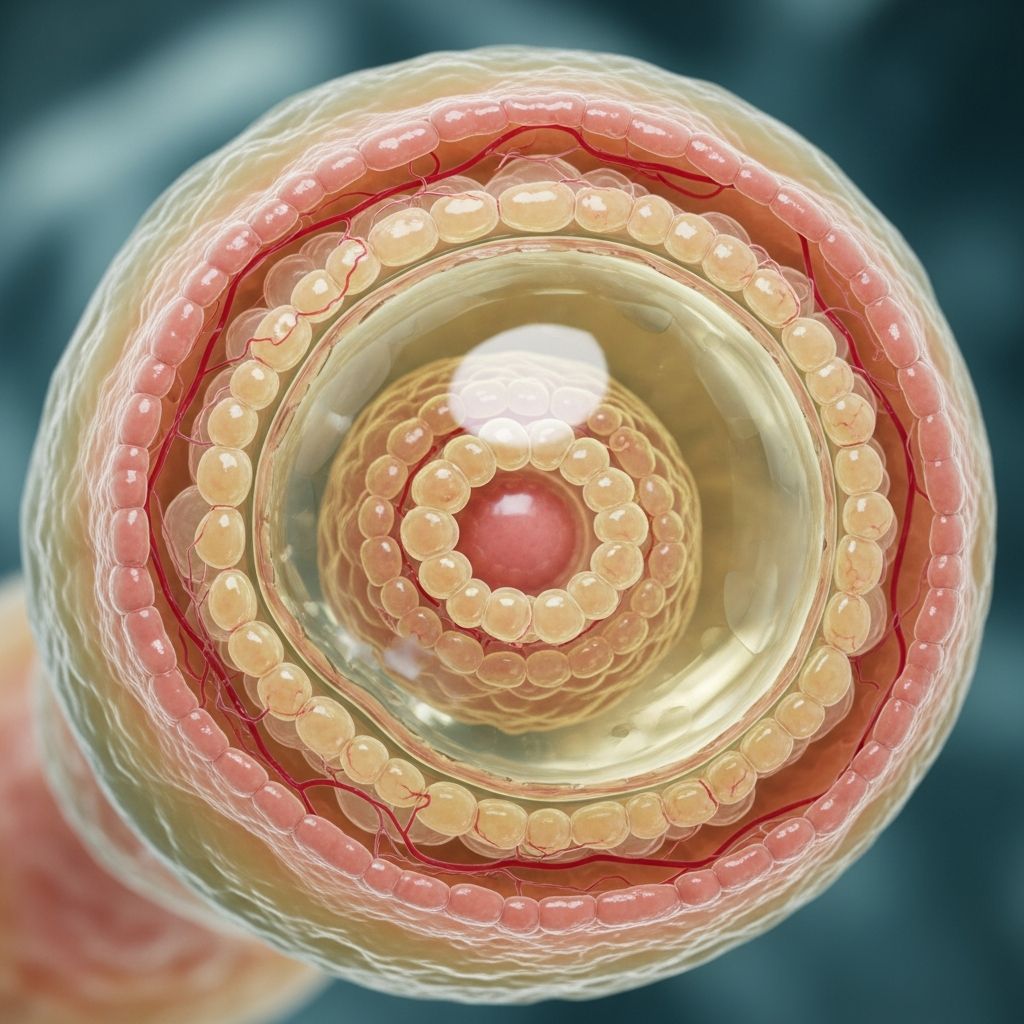
marks the beginning of the menstrual cycle, starting on the first day of your period and ending with ovulation. During this phase, rising levels ofestrogen
andfollicle-stimulating hormone (FSH)
prepare the body for potential pregnancy by maturing ovarian follicles and thickening the uterine lining.This phase typically lasts 10-16 days in a 28-day cycle but can vary, influencing energy, mood, and physical symptoms. Recognizing these changes empowers better cycle tracking, fertility awareness, and lifestyle alignment, often called
cycle syncing
. Common experiences include heightened energy post-period and fertile cervical mucus, though individual differences arise due to factors like stress, birth control, or conditions such as PCOS.What Is the Follicular Phase?
The follicular phase is the initial stage of the menstrual cycle, defined from day 1 (period onset) to ovulation, when an egg is released from the ovary. It overlaps with menstruation in its early days but transitions into a preparatory period for ovulation.
Key processes include:
- FSH stimulates multiple ovarian follicles to grow, with one becoming dominant.
- Estrogen rises gradually, peaking just before ovulation, thickening the endometrium and promoting fertile cervical mucus.
- A luteinizing hormone (LH) surge, triggered by high estrogen, ends the phase with ovulation.
This hormone interplay supports reproductive health; disruptions like elevated FSH in perimenopause signal ovarian changes.
How Long Does the Follicular Phase Last?
Average duration is 14 days, but ranges from 10-22 days depending on cycle length. Shorter phases (<10 days) may indicate rushed egg maturation; longer ones (>16 days) often reflect extended cycles or anovulation, common in PCOS.
| Cycle Day Range | Phase Stage | Key Hormones | Typical Symptoms |
|---|---|---|---|
| 1-5 | Early Follicular (Menstrual) | Low estrogen/FSH rising | Bleeding, cramps, fatigue |
| 6-13 | Late Follicular | Rising estrogen/FSH | Energy increase, mucus changes |
| ~14 | Ovulation | LH surge | Peak fertility, mittelschmerz |
Track via apps, basal body temperature (BBT), or hormone tests for personalization.
Follicular Phase Symptoms
Symptoms evolve from menstrual discomfort to revitalization as estrogen climbs. Not everyone experiences all; variations are normal.
Early Follicular Phase Symptoms (Days 1-5)
Coincides with menstruation:
- Menstrual bleeding and cramps: Uterine shedding causes abdominal pain, backaches.
- Fatigue and low energy: Progesterone withdrawal leads to tiredness.
- Mood swings: Hormonal dips affect serotonin.
- Breast tenderness/bloating: Mild fluid retention.
Late Follicular Phase Symptoms (Days 6+)
Estrogen dominance brings positives:
- Increased energy and focus: Better sleep, reduced anxiety from low progesterone.
- Improved mood/libido: Estrogen boosts dopamine, confidence.
- Clearer skin: Estrogen supports collagen.
- Cervical mucus changes: From sticky to stretchy ‘egg-white’ for sperm transport.
- Lower BBT: Rises post-ovulation; track for phase confirmation.
Less common: Mild bloating, breast changes persist.
Hormones During the Follicular Phase
**FSH** initiates follicle growth early, peaking mid-phase.
Estrogen (estradiol)
surges late, shifting feedback to trigger LH. Progesterone remains low until ovulation.Imbalances:
- High FSH: Aging ovaries, perimenopause.
- Low estrogen: Hypothalamic issues, stress.
Monitor via blood tests or at-home kits.
Related Stories



Follicular vs. Luteal Phase
| Aspect | Follicular Phase | Luteal Phase |
|---|---|---|
| What Happens | Egg maturation, uterine lining buildup | Implantation prep, corpus luteum forms |
| Hormones | Rising estrogen/FSH, low progesterone | High progesterone, dropping estrogen |
| Symptoms | Energy up, fertile mucus, positive mood | Bloating, PMS, breast tenderness |
| Fertility | Peaks at end | Declines |
| Duration | 10-16 days | 12-14 days |
Short or Long Follicular Phase: Causes and Concerns
**Short (<10 days):** Linked to age, stress, affecting ovulation quality. Monitor for fertility issues.
**Long (>16 days):** Often benign in long cycles; PCOS common cause with irregular ovulation. Consult if persistent.
Thyroid disorders, excessive exercise also disrupt.
Tips to Support Your Follicular Phase
- Nutrition: Estrogen-boosting foods like flaxseeds, leafy greens; lean proteins.
- Exercise: Moderate cardio, yoga for energy.
- Sleep/stress: 7-9 hours; meditation reduces cortisol.
- Tracking: BBT, mucus, apps for patterns.
- Hydration: Supports mucus, energy.
When to See a Doctor
Seek care for:
- Absent periods >3 months.
- Severe pain irregular bleeding.
- Symptoms suggesting PCOS (e.g., long phases, acne).
- Fertility concerns.
Frequently Asked Questions (FAQs)
What are the symptoms of the follicular phase?
Early: Cramps, bleeding, fatigue. Late: Increased energy, libido, stretchy cervical mucus, better mood.
How long is the follicular phase?
Typically 10-16 days; varies by individual cycle.
Can you get pregnant during the follicular phase?
Yes, especially late phase near ovulation when sperm can survive to meet the egg.
What hormones are high during follicular phase?
FSH and estrogen rise; progesterone low.
Is the follicular phase your period?
Only early overlap; it continues post-bleeding to ovulation.
References
- Follicular Phase: What It Is, Symptoms & What to Expect — Natural Cycles. 2023. https://www.naturalcycles.com/cyclematters/follicular-phase
- Follicular Phase Symptoms: What to Expect & How to Track Them — Mira Care. 2023. https://shop.miracare.com/blogs/resources/follicular-phase-symptoms
- Ovulation, a sign of health — PubMed Central (PMC). 2017-10-26. https://pmc.ncbi.nlm.nih.gov/articles/PMC5730019/
- Cycle Syncing Through Your Menstrual Phases — Trinity Health Michigan. 2023. https://www.trinityhealthmichigan.org/blog-articles/cycle-syncing-through-your-menstrual-phases
Similar Articles








Read full bio of Sneha Tete