Folliculitis Barbae: Symptoms, Causes, and Treatment Guide
Understanding the causes, symptoms, and effective management of itchy beard-area folliculitis from shaving irritation.
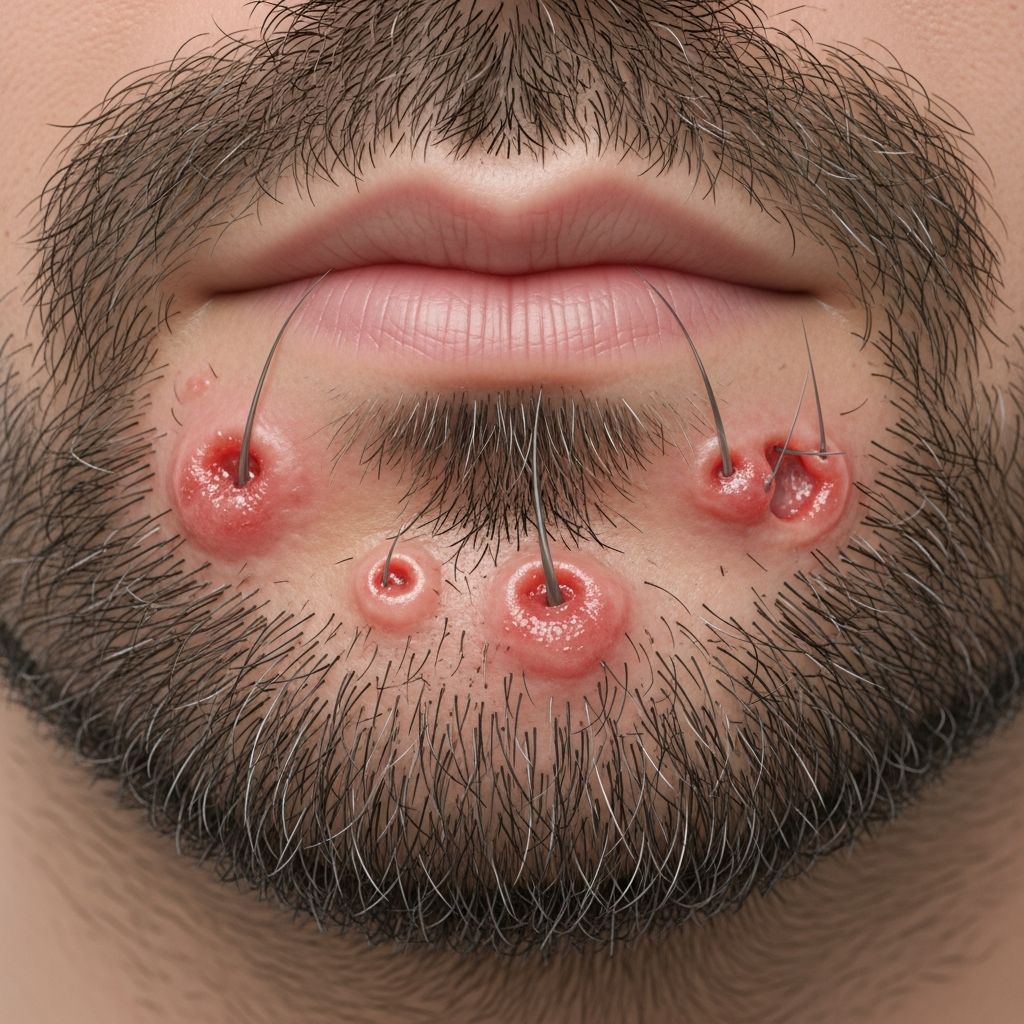
Folliculitis barbae is an itchy and sometimes tender papulopustular eruption affecting hair follicles in areas prone to shaving, such as the beard area in men or legs and bikini line in women. This condition arises primarily from bacterial colonization, distinguishing it from mechanical causes like pseudofolliculitis barbae.
Introduction
Folliculitis barbae represents a common dermatological issue triggered by shaving practices that irritate hair follicles, leading to inflammation and potential infection. It manifests as small, red papules or pustules centered around hairs, often accompanied by itching or tenderness. While typically superficial, untreated cases can progress to deeper infections like sycosis barbae, causing scarring and hair loss. Understanding its pathophysiology is crucial for effective management, emphasizing hygiene, proper shaving techniques, and timely intervention.
Demographics
This condition predominantly affects men due to frequent beard shaving, though women shaving body hair are also susceptible. It is more prevalent in individuals with dense, curly hair, common in those of African or Asian descent, where shaving exacerbates follicular trauma. Age-wise, it impacts adults regularly engaging in hair removal, with higher incidence in professions mandating clean-shaven appearances. Reinfection risks are elevated in those with nasal carriage of Staphylococcus aureus or compromised skin barriers.
Causes
Folliculitis barbae is most commonly caused by Staphylococcus aureus (S. aureus) infection colonizing the superficial hair follicle infundibulum and adjacent skin. Shaving introduces micro-abrasions, allowing bacterial entry, especially from contaminated razors or nasal reservoirs. Other rare etiologies include herpes simplex virus or Candida species, termed folliculitis barbae candidomycetica. Unlike pseudofolliculitis barbae, which stems from ingrown hairs due to curly follicle shape, folliculitis barbae is infectious rather than traumatic.
- Bacterial infection: Primary culprit S. aureus, thriving in shaved, moist environments.
- Shaving trauma: Razor blades cause follicular cuts, facilitating bacterial invasion over electric shavers.
- Contamination sources: Nasal carriage, poor hygiene, shared razors.
Clinical Features
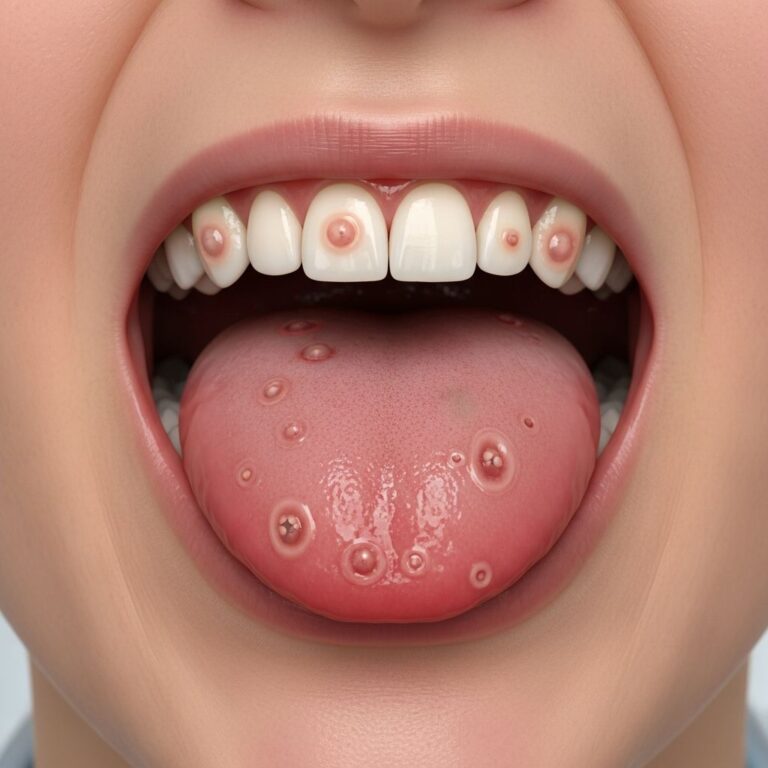
Symptoms emerge 1-2 days post-shaving: pruritus, tenderness, followed by erythematous papules or pustules (1-5mm) with central hairs. Lesions cluster in the beard line—neck, cheeks, chin. Superficial involvement causes dome-shaped pustules; deeper spread yields nodules or plaques. Scratching worsens spread, potentially leading to crusting or honey-colored exudate.
In severe cases, coalescing pustules form boggy plaques (sycosis barbae), with deeper follicular involvement risking permanent scarring and cicatricial alopecia. Dermoscopy reveals perifollicular erythema, coiled hairs (if pseudofolliculitis overlap), or bacterial crusts, aiding diagnosis.
Variation in Skin Types
Skin type influences presentation and complications. In lighter skin (Fitzpatrick I-III), lesions appear pink-red with less hyperpigmentation. Darker phototypes (IV-VI) exhibit pronounced post-inflammatory hyperpigmentation (PIH), keloidal scarring, and pseudofolliculitis barbae overlap due to curly hairs. African descent individuals face higher PFB risk from ingrown hairs mimicking infection, requiring differentiation. Treatment must address PIH to prevent dyschromia.
| Skin Type | Common Features | Complications |
|---|---|---|
| Fitzpatrick I-III | Erythematous papules/pustules | Minimal PIH, rare scarring |
| Fitzpatrick IV-VI | Hyper pigmented papules, pustules | PIH, keloids, PFB overlap |
Complications
Untreated folliculitis barbae can progress to sycosis barbae: deeper infection with plaque-like swellings, scarring, and hair loss. Chronic cases foster bacterial resistance, recurrent episodes, or cellulitis. In darker skins, PIH persists months, impacting aesthetics. Rarely, dissemination occurs in immunocompromised patients.
- Scarring alopecia
- Post-inflammatory hyperpigmentation
- Secondary bacterial superinfection
- Psychosocial distress from visible lesions
Diagnosis
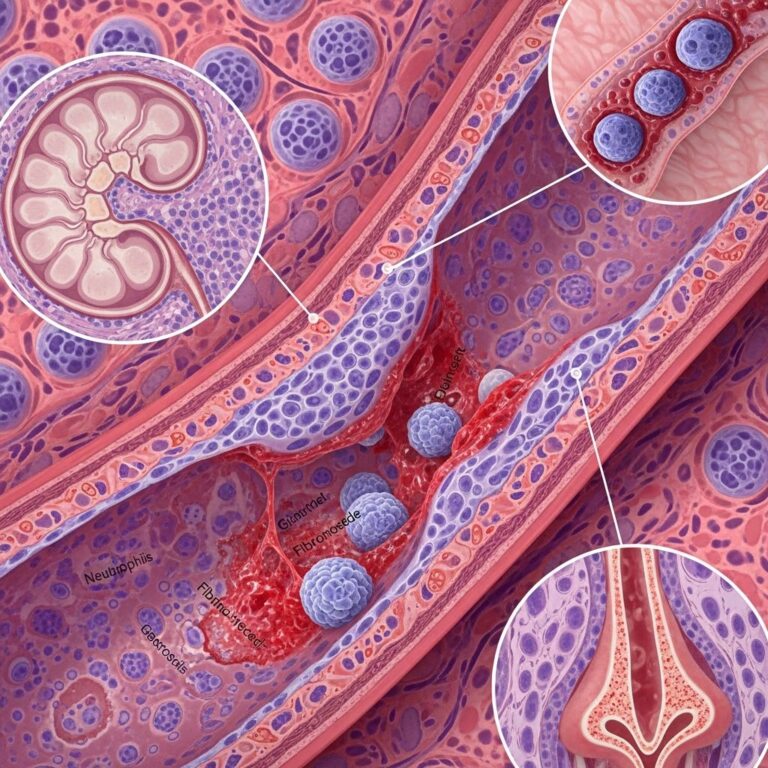
Diagnosis is clinical: history of shaving, perifollicular pustules. Dermoscopy confirms bacterial elements vs. ingrown hairs. Swabs culture S. aureus; biopsy (rarely) shows neutrophilic folliculitis. Differentiate via history—bacterial responds to antibacterials, mechanical to grooming changes.
Related Stories



Differential Diagnoses
- Pseudofolliculitis barbae (PFB): Ingrown hairs, no bacteria; blunt tips on dermoscopy.
- Sycosis barbae: Deeper extension of folliculitis barbae.
- Tinea barbae: Fungal; KOH prep positive, annular lesions.
- Acne keloidalis nuchae: Neck keloids, no pustules.
- Herpes folliculitis: Vesicles, viral culture.
Treatment
Treatment tiers by severity:
Mild: Topical antibacterials (clindamycin, erythromycin) twice daily for 1-2 weeks. Benzoyl peroxide reduces bacteria.
Moderate-Severe: Oral antibiotics (doxycycline 100mg BID, erythromycin) 7-14 days. Topical steroids (hydrocortisone 1%) for inflammation; short-term only to avoid atrophy.
Adjuncts: Keratolytics (glycolic acid, salicylic acid) exfoliate; laser hair removal for recalcitrant cases.
Shaving advice: Electric clippers, single-blade razors, pre-shave softening.
| Severity | Treatments |
|---|---|
| Mild | Topical clindamycin, benzoyl peroxide |
| Moderate | Oral doxycycline + topical steroid |
| Severe/Chronic | Combination therapy + laser |
Outcome
Swift treatment resolves superficial cases in 1-2 weeks without sequelae. Chronic or deep infections risk scarring; PFB overlap prolongs recovery (12 weeks grooming cessation). Maintenance hygiene prevents recurrence; lasers offer permanent follicle reduction.
Frequently Asked Questions
What causes folliculitis barbae?
Primarily S. aureus infection post-shaving trauma.
How is it different from pseudofolliculitis barbae?
Folliculitis barbae is bacterial; PFB is mechanical from ingrown curly hairs.
Can women get it?
Yes, from shaving legs or bikini areas.
Does it scar?
Sycosis barbae can cause permanent scarring and hair loss if untreated.
How to prevent recurrence?
Hygiene, electric shavers, nasal decolonization if carrier.
References
- Pseudofolliculitis barbae; current treatment options — PubMed Central. 2019-06-27. https://pmc.ncbi.nlm.nih.gov/articles/PMC6585396/
- Folliculitis barbae — Sussex Community Dermatology Service. Accessed 2026. https://sussexcds.co.uk/patient-information/folliculitis-barbae/
- Folliculitis barbae — DermNet NZ. Accessed 2026. https://dermnetnz.org/topics/folliculitis-barbae
- Folliculitis Barbae and Pseudofolliculitis Barbae — Contour Derm. Accessed 2026. https://contourderm.com/folliculitis-barbae/
- Folliculitis — Healthdirect (Australian Government). Accessed 2026. https://www.healthdirect.gov.au/folliculitis
Similar Articles








Read full bio of Sneha Tete