Folliculitis, Boils, and Carbuncles: Causes, Symptoms, and Treatment
Understand folliculitis, boils, and carbuncles: causes, symptoms, diagnosis, and effective treatment options.
Folliculitis, Boils, and Carbuncles: Comprehensive Guide to Hair Follicle Infections
Folliculitis, boils, and carbuncles are common bacterial skin infections that affect the hair follicles and surrounding tissue. While these conditions share similar characteristics, they differ in severity and depth of infection. Understanding these distinctions is crucial for proper diagnosis and treatment. These infections can develop on any part of the body where hair grows, though they are most common in areas subject to friction, moisture, and sweating.
What Are Folliculitis, Boils, and Carbuncles?
Hair follicles are the small cavities in the skin from which hair grows. When these follicles become infected, they can develop into different types of conditions depending on the severity and depth of the infection. All three conditions are bacterial infections, but they vary significantly in their presentation and impact on the skin.
Folliculitis: The Superficial Infection
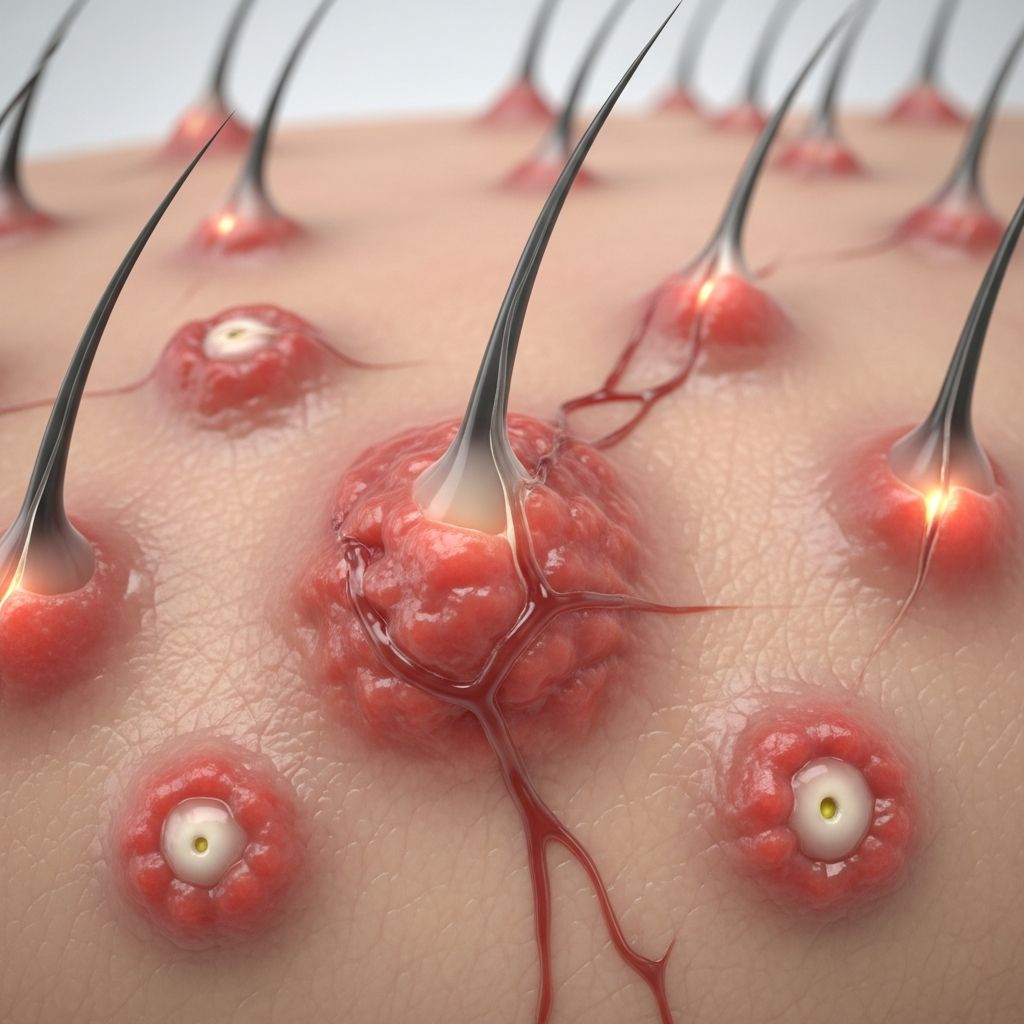
Folliculitis is the most superficial type of hair follicle inflammation. It appears as small, irritated bumps on the skin surface, typically affecting the neck, breasts, buttocks, back, chest, and face. This condition is characterized by inflammation localized to the upper layers of the skin surrounding the hair follicle. The infection does not penetrate deeply into the dermis, making it the mildest of the three conditions.
Boils: Deeper Follicle Infections
A boil, also known as a furuncle, is a more serious infection that extends into the deeper layers of the skin. In this condition, infection develops around a single hair follicle, and the body’s immune response causes pus to accumulate in a pocket called an abscess. Boils are typically larger and more painful than folliculitis, often appearing in the waist area, groin, buttocks, and under the arms—areas prone to friction and moisture.
Carbuncles: Interconnected Multiple Infections
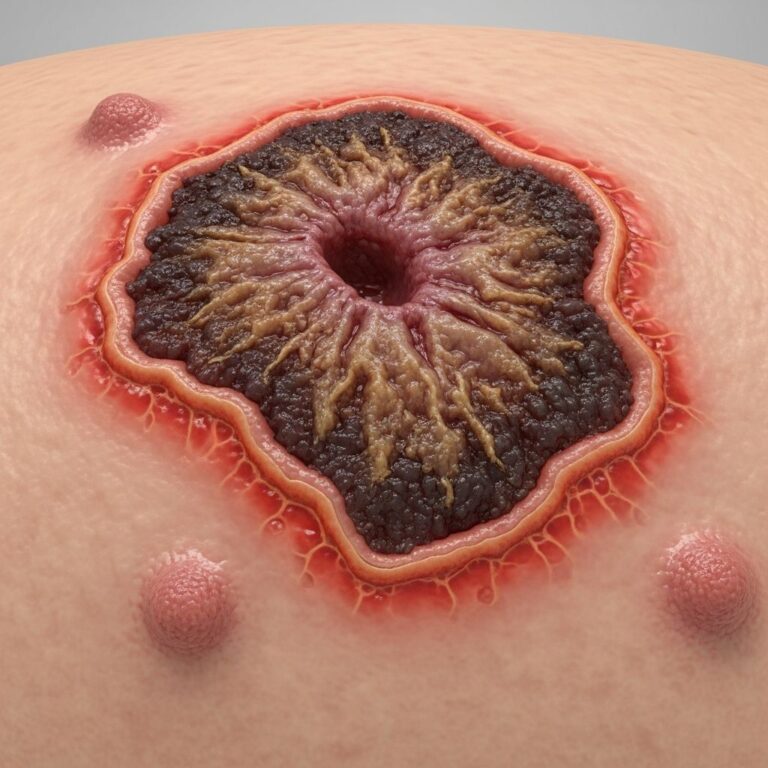
A carbuncle represents a more severe condition involving multiple infected hair follicles that are connected beneath the skin’s surface. These deeper, interconnected subcutaneous abscesses create a larger inflammatory mass compared to individual boils. Carbuncles typically appear on the back of the neck and thighs, where friction is common. Due to their size and depth, carbuncles are often the most painful and require more aggressive treatment.
What Causes These Infections?
Bacterial infection is the primary cause of folliculitis, boils, and carbuncles. The bacterium Staphylococcus aureus (staph) is responsible for the majority of these infections, though other bacterial species can also cause these conditions. Understanding the factors that contribute to infection development is important for prevention and management.
Primary Bacterial Agents
Staphylococcus aureus is the most common causative organism, representing the predominant pathogen in most cases. However, other bacteria may also be responsible, particularly in specific circumstances. For example, gram-negative bacteria may cause infections in certain environments, such as “hot tub folliculitis,” which develops from exposure to contaminated water sources.
Risk Factors and Contributing Conditions
Several factors increase the likelihood of developing these infections. Areas of the body experiencing friction and sweating provide ideal environments for bacterial growth. Common high-risk locations include the back of the neck, face, armpits, waist, groin, thighs, and buttocks. Additionally, existing skin conditions that cause scratching can create entry points for bacteria into hair follicles. A compromised immune system or general lowered state of health may predispose individuals to infection, though these conditions also affect healthy people.
Related Stories



Recognizing the Symptoms
The symptoms of folliculitis, boils, and carbuncles vary depending on the type and severity of infection. Recognizing these symptoms early can facilitate prompt treatment and prevent progression to more serious conditions.
Symptoms of Folliculitis
Folliculitis typically presents with the following characteristics:
- Irritated and red follicles around the hair
- Pus visible within the hair follicle
- Damaged or weakened hair in the affected area
- Mild discomfort or itching
Symptoms of Boils
Boils produce more pronounced symptoms due to deeper tissue involvement:
- Warm, painful lump in the skin
- Pus collection in the center of the lump
- Whitish or bloody fluid leaking from the boil
- Tenderness and increased pain with pressure
- Surrounding skin inflammation and redness
Symptoms of Carbuncles
Carbuncles, being the most severe form, present with more systemic symptoms:
- Pus in the center of a group of interconnected boils
- Whitish or bloody fluid discharge from multiple sites
- Fever and chills
- Tiredness and general malaise
- Significant pain in the affected area
- Potential lymph node swelling
It is important to consult a healthcare provider for proper diagnosis, as symptoms can vary between individuals and may resemble other health conditions.
How Are These Conditions Diagnosed?
Proper diagnosis is essential for determining the appropriate treatment approach. Healthcare providers use a combination of clinical assessment and laboratory testing to confirm the diagnosis and identify the specific bacterial organism responsible for the infection.
Clinical Examination Process
The diagnostic process begins with a detailed history and physical examination. Your doctor will ask about your symptoms, when they started, their location, and any previous similar infections. A comprehensive physical examination follows, with particular attention to the skin affected by the infection.
Laboratory Testing
A sample of the pus from the infection may be collected and sent to a laboratory for culture testing. This culture identifies the specific type of bacteria causing the infection and helps determine which antibiotics will be most effective. This information is crucial for selecting the most appropriate antibiotic therapy, especially if the infection is resistant to common antibiotics.
When to Seek Specialist Care
Moderate to severe boils and carbuncles may require evaluation by a dermatology specialist or other appropriate healthcare provider. Specialist consultation is particularly important for complicated cases, recurrent infections, or when treatment has not been effective with initial therapy.
Treatment Options and Management
Treatment approaches vary depending on the specific condition, severity of infection, age, overall health status, and individual circumstances. A range of evidence-based interventions is available to address these infections effectively.
Treatment for Mild Folliculitis and Boils
Mild cases often resolve spontaneously without intervention. When treatment is needed, several conservative approaches can be helpful. Warm compresses applied to the affected area for 15 to 20 minutes can ease symptoms and speed healing by increasing local blood flow and promoting natural drainage. Topical antibiotics applied directly to the skin represent first-line treatment for many cases. Your doctor may prescribe antibiotic creams or ointments to apply to the infected area several times daily.
Treatment for Moderate to Severe Infections
More serious boils and carbuncles typically require more aggressive intervention. Incision and drainage is a common procedure where a healthcare provider makes a small opening in the infected area to drain the accumulated pus. This provides immediate relief and speeds healing. Following drainage, antibiotic ointment or cream is often applied to prevent reinfection.
Systemic Antibiotic Therapy
Oral or intravenous antibiotics may be necessary for moderate to severe infections. These systemic medications treat the entire body and are particularly important for carbuncles or when signs of spreading infection are present. The specific antibiotic chosen depends on the identified bacterial organism and local resistance patterns. Common options include penicillin-type antibiotics, cephalosporins, fluoroquinolones for gram-negative bacteria, or macrolide antibiotics depending on the clinical situation.
Home Care and Prevention
Maintaining cleanliness and protecting the affected area from further infection is important. Keep the area clean and dry, avoid squeezing or picking at the infection, and follow all medical recommendations for medication use. For recurrent boils, daily antibiotic prophylaxis may be considered under medical supervision.
Comparison of Folliculitis, Boils, and Carbuncles
| Characteristic | Folliculitis | Boil (Furuncle) | Carbuncle |
|---|---|---|---|
| Depth of Infection | Superficial (epidermis) | Deep (dermis) | Very deep (subcutaneous) |
| Number of Follicles | Single follicle | Single follicle | Multiple follicles |
| Typical Location | Face, neck, chest, buttocks | Waist, groin, buttocks, armpits | Back of neck, thighs |
| Size | Small (<1 cm) | Medium (1-2 cm) | Large (>2 cm) |
| Pain Level | Mild to moderate | Moderate to severe | Severe |
| Systemic Symptoms | None | Rarely | Common (fever, fatigue) |
| Treatment | Topical antibiotics, warm compress | Drainage, oral antibiotics | Drainage, IV antibiotics |
Key Points to Remember
- Folliculitis, boils, and carbuncles are bacterial infections of hair follicles that range from superficial to deep
- Staphylococcus aureus bacteria is the most common causative organism
- These infections most commonly occur in areas subject to friction, moisture, and sweating
- Symptoms progress from localized irritation to systemic signs as severity increases
- Mild cases may resolve spontaneously with supportive care
- More severe infections typically require drainage and antibiotic therapy
- Proper diagnosis helps determine the most effective treatment approach
- Early recognition and treatment can prevent progression to more serious infections
Frequently Asked Questions
Q: Can folliculitis, boils, and carbuncles spread to other people?
A: Yes, these infections can be contagious through direct contact or contaminated items. Maintain good hygiene, avoid sharing personal items, and keep infected areas covered to reduce transmission risk.
Q: Is it safe to squeeze or pop a boil at home?
A: No, squeezing a boil can spread infection deeper into the tissue, increase pain, and lead to scarring. Allow a healthcare provider to perform proper drainage if necessary.
Q: How long does it take for these conditions to heal?
A: Folliculitis may resolve in a few days to a week, boils typically take 1-3 weeks, and carbuncles may require 2-4 weeks or longer, depending on treatment response.
Q: What can I do to prevent these infections?
A: Keep skin clean and dry, avoid friction and sweating in problem areas when possible, don’t share personal grooming items, treat any scratches promptly, and maintain overall good health and hygiene.
Q: When should I see a doctor for a boil?
A: Seek medical attention if the boil is very painful, doesn’t improve after a week, is located on the face or spine, is accompanied by fever, or if you have multiple boils or carbuncles.
Q: Are antibiotics always necessary?
A: No, mild folliculitis and small boils may resolve with warm compresses and good hygiene alone. However, topical or systemic antibiotics are typically recommended for larger or deeper infections.
References
- Folliculitis, Boils, and Carbuncles — University of Rochester Medical Center. 2024. https://www.urmc.rochester.edu/encyclopedia/content?contenttypeid=85&contentid=p00285
- Interventions for bacterial folliculitis and boils (furuncles and carbuncles): a systematic review of randomized controlled trials — National Center for Biotechnology Information. 2021. https://pmc.ncbi.nlm.nih.gov/articles/PMC8130991/
- Boil | Abscess, Furuncle & Carbuncle — Britannica. 2024. https://www.britannica.com/science/boil-skin-infection
- Folliculitis | Johns Hopkins ABX Guide — Johns Hopkins Medicine. 2024. https://www.hopkinsguides.com/hopkins/view/Johns_Hopkins_ABX_Guide/540228/all/Folliculitis
- Furuncle/Carbuncle | Johns Hopkins ABX Guide — Johns Hopkins Medicine. 2024. https://www.hopkinsguides.com/hopkins/view/Johns_Hopkins_ABX_Guide/540235/all/Furuncle_Carbuncle
- Treatment of Folliculitis and Boils — Advocate Health. 2024. https://adscresources.advocatehealth.com/folliculitis-and-boils-in-people-with-down-syndrome/
Similar Articles








Read full bio of Sneha Tete